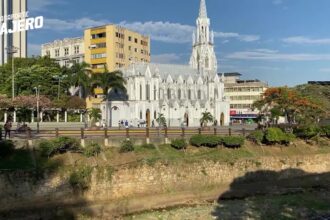
The best cities to visit in Ecuador combine Quito’s extraordinary colonial streets, Cuenca’s relaxed heritage atmosphere, Baños’ adventure landscapes and Guayaquil’s Pacific-facing energy in one highly varied trip. This guide turns Pasaporte Viajero’s fast-moving Ecuador overview into a realistic city-hopping route you can follow independently. You will find the smartest transport sequence, seasonal advice, officially verified 2026 costs, practical bases for overnight stays and an itinerary that also makes room for Otavalo, Quilotoa, Chimborazo and the Galápagos.
What Pasaporte Viajero’s journey shows
- The journey begins in Cuenca, highlighting its elegant colonial center, riverfront walks and slower-paced southern-Andes character.
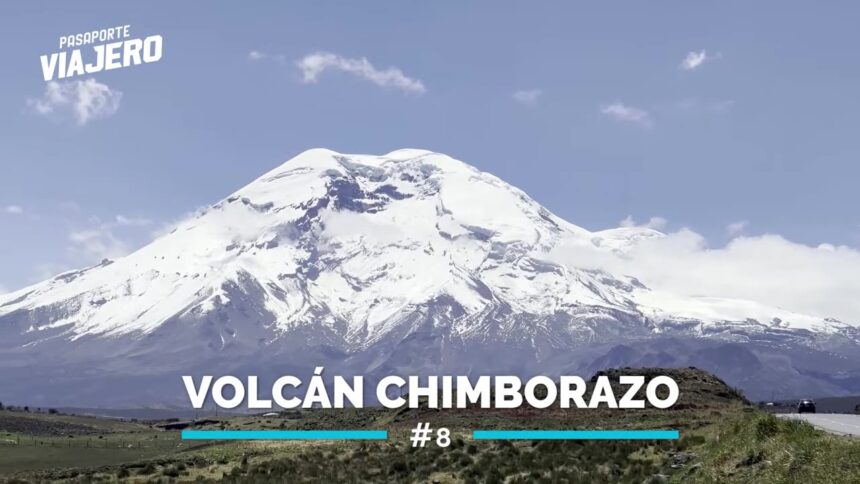
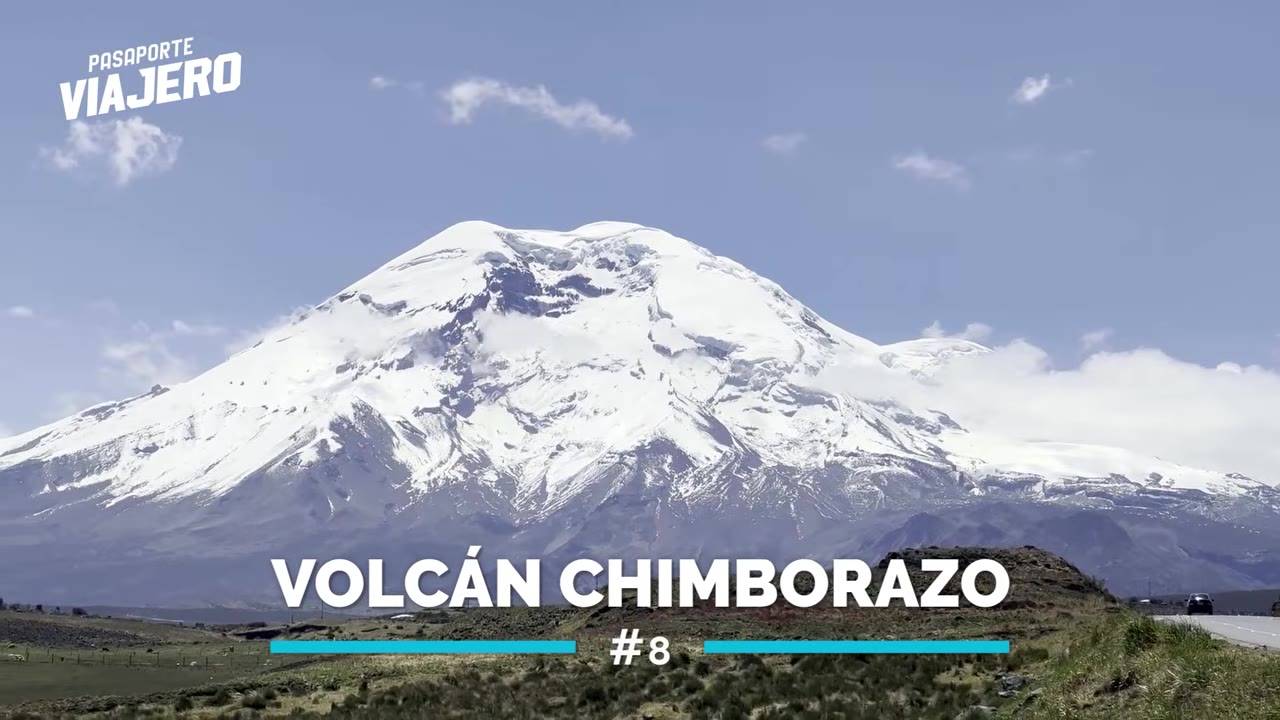
- It moves north through the central highlands to the Mitad del Mundo, then to the dramatic high-altitude landscapes around Chimborazo and Quilotoa Lagoon.
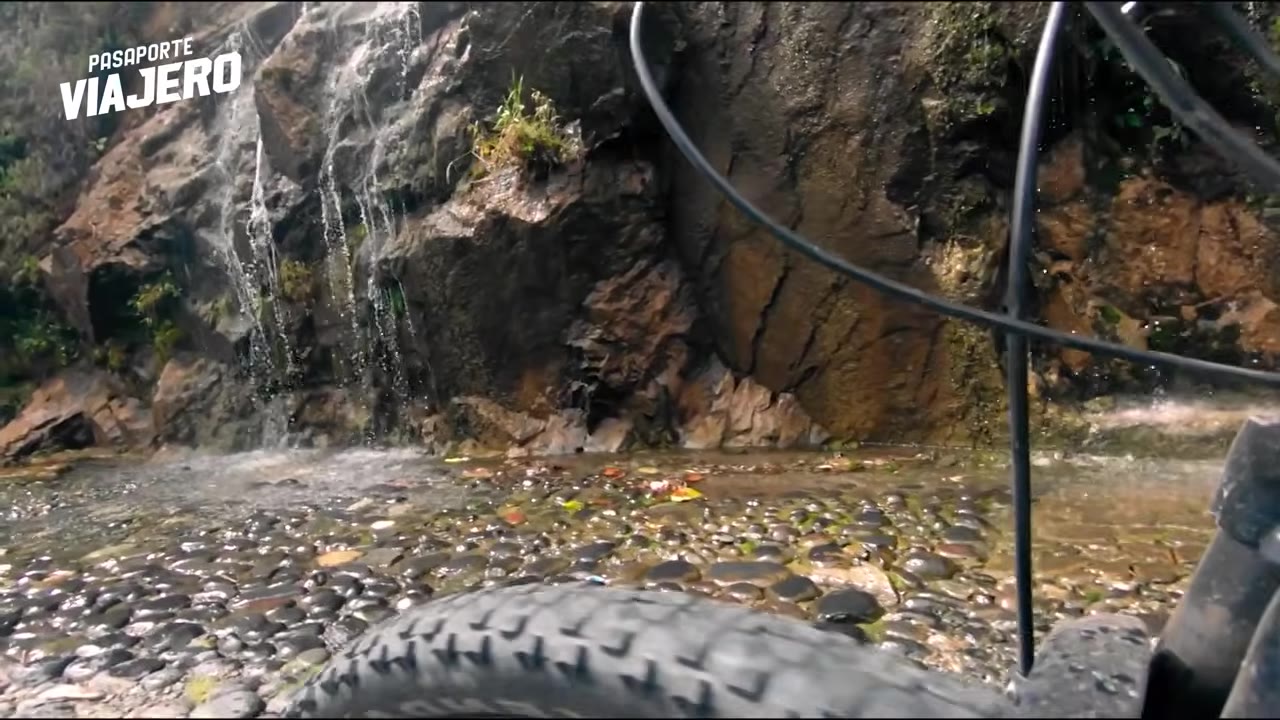
- Baños de Agua Santa follows, representing Ecuador’s adventure capital: waterfalls, thermal baths, mountain roads and outdoor activities.
- The route then contrasts the Andes with Guayaquil, before returning to indigenous culture around Otavalo and the hot springs of Papallacta.
- It finishes with Ecuador’s two headline destinations: wildlife-rich Galápagos and the capital, Quito, whose historic center makes an ideal final base.
Watch the video first for a visual introduction, then use the practical details below to build your own route.
How to get around Ecuador’s best cities
For most international visitors, Quito is the best arrival point for a first Ecuador trip because it connects easily with Otavalo, Quilotoa, Baños and the northern Andes. Guayaquil is the most logical gateway if you are continuing to the coast or taking a flight to Galápagos. Ecuador’s official tourism office also lists airports in Quito, Guayaquil, Cuenca, Loja, Manta, Baltra and San Cristóbal, giving independent travelers useful options for shortening long overland journeys.
A sensible land route is Quito → Otavalo → Quilotoa → Baños → Cuenca → Guayaquil. Public buses are the budget-friendly backbone, while private transfers are useful for early starts, rural trailheads and limited-time itineraries. From Quito to Baños, Ecuador Travel estimates a journey of about 3 hours and 15 minutes; it also places Baños about 180 km from Quito. For the longer Quito–Cuenca sector, flying saves considerable time, while buses work better when you are traveling slowly.
Within Quito, the Metro is especially useful for moving between the north, the historic-center area and the southern bus terminal. Keep some small US-dollar notes for local purchases: Ecuador uses the US dollar, but rural ticket offices and market vendors may not accept cards. For a comparable Latin American small-town-and-lake stop, see our Guatapé, Colombia travel guide.
Best time to visit Ecuador’s cities
Ecuador can be visited year-round, but its regions have different weather patterns. For a city-and-Andes itinerary, June through September is often the easiest period for clearer mountain views and drier walking conditions around Quito, Otavalo, Quilotoa and Chimborazo. This is also a busy period, so reserve Galápagos flights and well-located historic-center hotels ahead.
December through May is generally warmer and wetter in the highlands, but it can be rewarding for greener scenery and fewer visitors outside holiday periods. Baños is a flexible stop in either season because its appeal is built around waterfalls, thermal pools and adventure activities rather than one single weather window. Pack layers for Quito, Quilotoa and Chimborazo, a waterproof outer layer for Baños, and sun protection at every altitude.
What Ecuador costs in 2026
Prices vary widely for buses, accommodation, meals and excursions, so bookable hotel rates and privately run activities are best checked close to travel dates. The fixed public and protected-area charges below are the costs that can be confirmed through official sources as of August 2026.
| Item | Verified 2026 price | Notes |
|---|---|---|
| Quito Metro standard fare | US$0.45 | Single standard fare on Quito’s municipal Metro system. |
| Quito Trolebús or Ecovía standard fare | US$0.35 | Standard fare under Quito’s integrated municipal transport system. |
| Galápagos protected-area entry fee, foreign visitor over 12 | US$200 | Paid for entry to the protected areas of Galápagos. |
| Galápagos Transit Control Card | US$20 online | The Galápagos Government confirms a US$20 fee; airport-counter issue can cost more. |
| Galápagos camping authorization | US$10 per person | Only for authorized designated camping areas, arranged in advance. |
Where to stay on an Ecuador city-hopping route
In Quito, stay in Centro Histórico if you want early access to churches, plazas and museums, or choose La Floresta and La Mariscal for more restaurants and a livelier evening atmosphere. In Otavalo, a central hotel is convenient for the market, while countryside lodges suit travelers wanting a quieter Andean base.
In Baños, stay near the central plaza if you want walkable restaurants, thermal baths and tour offices. In Cuenca, the historic center is the most rewarding base for architecture, cafés and evening walks. In Guayaquil, prioritize a reputable property around Puerto Santa Ana or central business areas and arrange transport rather than walking unfamiliar districts at night. For Galápagos, choose Puerto Ayora for the broadest range of restaurants and day tours, or San Cristóbal for a smaller, beach-oriented feel.
Safety and practical tips for Ecuador
Ecuador rewards independent travel, but route planning matters. The US State Department’s advisory dated August 18, 2026 advises travelers to exercise increased caution nationwide and identifies specific higher-risk areas, including parts of Guayaquil. Read the full, current Ecuador travel advisory before departure, avoid demonstrations, and check local conditions before long road journeys.
In practical terms, use registered taxis or ride-hailing where available, do not display valuables, keep your passport secured, and carry only the cash needed for the day. In Quito, Cuenca and Baños, altitude can affect travelers arriving directly from sea level: schedule a gentle first day, hydrate and avoid treating Chimborazo as a casual stop. In Galápagos, follow biosecurity rules and keep a respectful distance from wildlife. Ecuador’s official tourism site is useful for broad regional inspiration, from colonial Quito and Cuenca to Otavalo’s indigenous culture and the Pacific coast.
Day-by-day (how to travel it yourself)
Days 1–3: Quito. Arrive, take the first day slowly at altitude, then explore Centro Histórico, El Panecillo and a viewpoint. Use day three for Mitad del Mundo or Papallacta’s hot springs.
Day 4: Otavalo. Travel north for the market and nearby Andean scenery, returning to Quito or staying overnight for an unhurried morning. Aim for Saturday if the market is your priority.
Days 5–6: Quilotoa and Baños. Make an early transfer toward Quilotoa for the crater-lake rim, then continue south to Baños. Give Baños a full day for waterfalls, thermal bathing or a cycling route along the Route of Waterfalls.
Days 7–9: Cuenca. Travel or fly south and spend two full days exploring plazas, museums, river walks and local food. Add a third day if you want nearby craft towns or Cajas National Park.
Days 10–11: Guayaquil. Continue to Guayaquil for the Malecón, riverfront districts and a flight connection. Keep your visits focused on well-known daytime areas and use pre-arranged transport at night.
Optional extension: Galápagos. Add at least four nights after Guayaquil or Quito. Pay the required entry charges, base yourself on one island rather than rushing between several, and choose licensed day excursions.
Activities should be booked with licensed local operators, especially for high-altitude trips, waterfall routes and Galápagos wildlife outings.
Frequently asked questions
What are the best cities to visit in Ecuador for a first trip?
Quito, Baños, Cuenca and Otavalo create the strongest first itinerary because they combine colonial architecture, indigenous culture, adventure and mountain landscapes. Add Guayaquil for coastal access or flight connections, and Galápagos when your budget and time allow.
How many days do I need for an Ecuador city itinerary?
Allow 10 to 11 days for Quito, Otavalo, Quilotoa, Baños, Cuenca and Guayaquil. Add at least four more nights if you plan to visit Galápagos.
Is Quito or Cuenca better for colonial architecture?
Quito has the larger, more monumental historic center and is better for first-time visitors. Cuenca feels calmer and more compact, making it ideal for travelers who enjoy walking, cafés and a slower pace.
Can I visit Galápagos on the same trip as Ecuador’s mainland cities?
Yes. Flights operate from Quito and Guayaquil to Baltra or San Cristóbal, but Galápagos requires separate planning, protected-area fees and careful wildlife rules. Treat it as an extension rather than a rushed day trip.
Facts and prices verified in August 2026. Travel with Influencers is an independent fan/editorial guide, not affiliated with or endorsed by the creators featured. Watch and support the original creator: Pasaporte Viajero on YouTube.