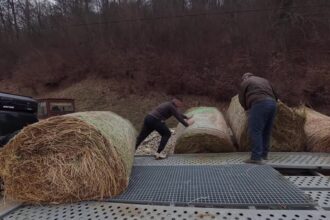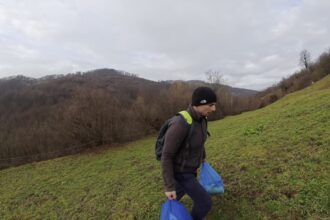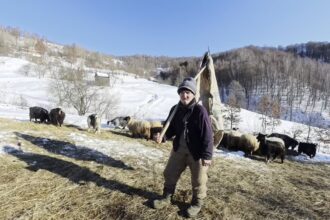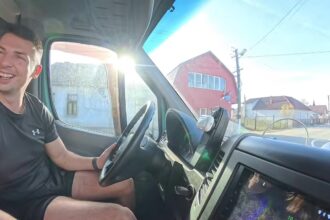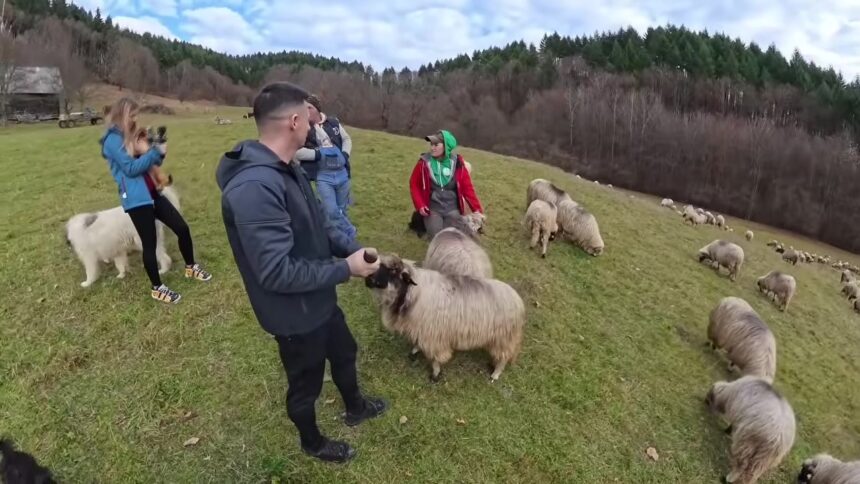
Romania traditional shepherd culture in the Carpathians is best experienced slowly, through a pre-arranged rural stay where working families—not staged attractions—set the rhythm. This guide shows how to base yourself in northern Romania, reach the countryside, budget for transport, and visit sheep-farming communities with respect. You will also find a practical three-day route inspired by Haida in Lume’s intimate visit to a Romanian sheep-rearing household.
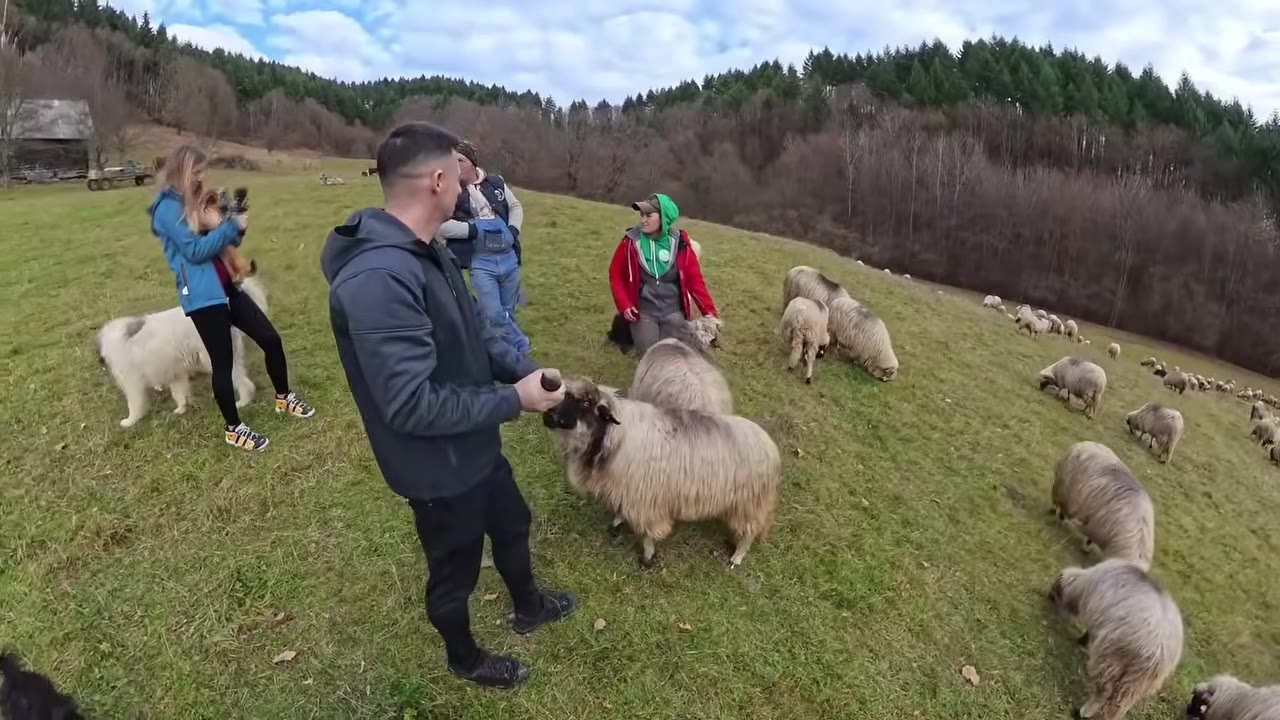
What Haida in Lume’s journey shows
- The journey begins at a rural household, where the visit is framed around real family life rather than a formal tourist performance.
- It moves into the work of keeping sheep: feeding, handling the flock, and the practical routines that make a small farm function.
- The video draws attention to the close relationship between home, animals, pasture and food production in the Carpathian countryside.
- It shows the physical character of farm work and the knowledge passed between generations in a shepherding family.
- Above all, it presents a reminder for visitors: these homes are workplaces, so the most meaningful encounter is one arranged with permission and patience.
Watch the original visit here, then use the planning advice below to create your own respectful countryside journey.
How to get to Romania’s shepherding countryside
For a first trip, use Cluj-Napoca, Baia Mare or Bistrița as your gateway, then continue by hired car, local driver or accommodation transfer into a village. The most practical cultural base is Maramureș, especially the rolling rural areas around the Lăpuș region, where mountain landscapes, wooden architecture and village traditions are all within reach. The official Visit Maramureș destination organisation highlights the region’s rural heritage alongside the Rodnei Mountains, wooden churches and smaller cultural sites.
Trains can take you between Romania’s major cities, but they rarely solve the final rural connection. CFR Călători sells domestic tickets online; fares depend on distance and train category, and reserved-seat services add a separate reservation charge. For the last stretch, ask your guesthouse before booking whether it can collect you from the nearest station or arrange a trusted local driver.
If you rent a car, avoid planning a fast, point-to-point road trip. Village lanes can be narrow, livestock may be on the road, and a journey that looks short on a map can take longer than expected. Keep daylight for unfamiliar rural driving and use offline maps, as signal can weaken in valleys.
For a broader introduction before you choose a base, see our Romanian countryside traditions and rural villages guide and our Bistrița guide to roads and rural landscapes.
Best time to experience shepherd culture
Late May through September is the most comfortable period for countryside travel: village roads are easier to manage, days are long, and outdoor farm routines are more accessible to visitors. Summer is also when mountain pasture life is most visible, but it is not a guaranteed “show”; each family’s work follows weather, lambing cycles, grazing conditions and market needs.
September can be particularly rewarding for cooler walking weather and harvest-season food, although nights can become cold. Spring is green and lively but muddy after rain. Winter brings a quieter, more domestic version of rural life, with difficult driving conditions in higher areas; choose it only if you have a confirmed host, winter-ready transport and flexible plans.
Do not book travel around a presumed sheepfold event unless your host confirms it directly. Shepherd culture is living work, not a timetable.
What it costs in 2026
Rural accommodation, meals and hosted farm experiences are priced individually, so request the full rate in writing before confirming. The fixed costs below are official CFR Călători rail fares valid during 2026, useful for budgeting the city-to-regional-station part of the trip. They exclude any local transfer into the village.
| 2026 transport item | Verified price | Notes |
|---|---|---|
| CFR Regio, second class, 1–10 km | 5.50 lei | Base transport fare; reservation is extra where required. |
| CFR Regio, second class, 101–120 km | 24 lei | Base transport fare. |
| CFR InterRegio, second class, 101–120 km | 47 lei | Base transport fare. |
| CFR InterCity, second class, 101–120 km | 55 lei | Base transport fare. |
| CFR Regio seat reservation | 4.50 lei | Per seat, regardless of distance. |
| CFR InterRegio or InterCity seat reservation | 6.50 lei | Per seat, regardless of distance. |
Check the official CFR Călători fare page and the live booking engine before purchase, because your final ticket depends on the actual route, available train and any required reservation. For accommodation, confirm whether breakfast, dinner, transfers and farm activities are included rather than assuming that a rural room rate covers them.
Where to stay
Choose a licensed guesthouse or family-run pension in a village rather than treating a city hotel as your only base. The ideal host can provide breakfast and dinner, explain what is appropriate locally, arrange a driver if needed, and—most importantly—tell you whether a farm visit is welcome on the dates you are there.
Maramureș works well for travellers who want a mixture of village life, wooden churches, mountain scenery and food traditions. Bistrița-Năsăud is another good option for quieter road journeys and a less concentrated visitor experience. For a deeper planning comparison, read our Authentic Rural Romania guide.
Respectful visits, safety and practical tips
Never turn up at a private sheep farm expecting entry. Ask your accommodation to make an introduction, accept a “not today” without pressure, and agree in advance whether there is a fee, meal or activity involved. A small farm is someone’s home and workplace.
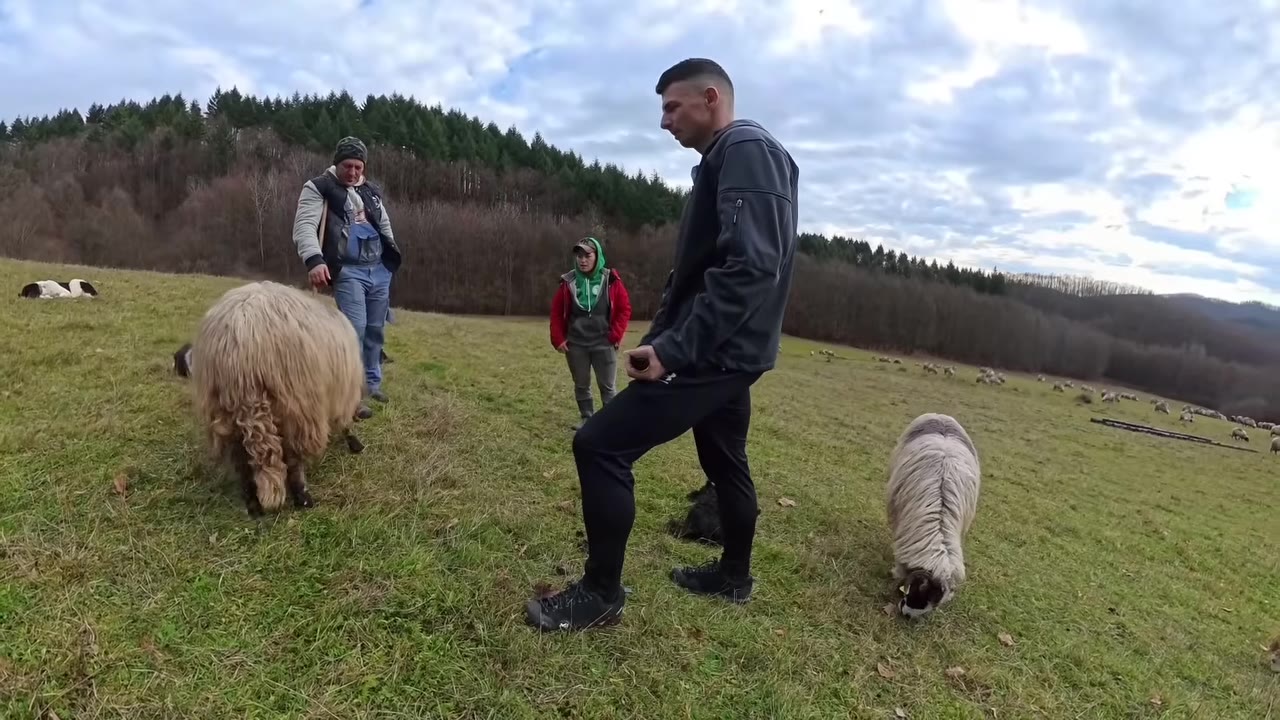
Wear boots with grip, long trousers and layers that can get dirty. Keep a safe distance from rams, working dogs, machinery and newborn animals, and do not feed or touch livestock unless the farmer invites you to. Ask before taking close photographs of people, homes, animals or food preparation. If dogs approach while you are walking, stop calmly, do not run, and follow the owner’s direction.
Bring cash in Romanian lei for small purchases, but do not assume every family sells cheese, wool or meals. If you are offered food, a warm thank-you and genuine curiosity are welcome; if you have dietary requirements, tell your host before arrival. Avoid romanticising hardship: the value of this trip is learning how rural households work today, on their terms.
Day-by-day (how to travel it yourself)
Day 1: Arrive in Cluj-Napoca, Baia Mare or Bistrița. Collect a rental car or take a pre-arranged transfer to your rural guesthouse. Settle in, take a short village walk before dark, and share dinner with your hosts. Use the evening to confirm the next day’s schedule rather than demanding a fixed activity.
Day 2: Host-led farm and countryside day. Join only a visit your guesthouse has arranged: it may involve a household farm, a walk to pasture, a cheese-making conversation, or simply observing daily chores. Leave time for a village church, a local food stop or a scenic drive. This is the right place to book a local guide or activity through your host.
Day 3: Heritage and onward travel. Visit a wooden church or local museum if open, then travel onward through the region or return to your gateway city. If your route continues south, pair the rural experience with urban Romania later; the contrast is as revealing as a countryside-only trip.
Frequently asked questions
Can I visit the shepherd family shown in the video?
Do not assume that the family receives visitors or that their home is a public attraction. Use the video as inspiration, then arrange a separate, host-approved encounter through your accommodation or a local guide.
Do I need to speak Romanian?
No, but basic greetings and patience go a long way. English is more common among younger hosts and tourism businesses than among older rural residents, so a translation app and a respectful, unhurried approach are useful.
Is a car necessary in the Carpathian countryside?
It is the most flexible option, but not essential if your guesthouse can arrange station transfers and local transport. Do not rely on public transport alone for visits to scattered farms and villages.
What should I buy from a rural host?
Only buy products that are clearly offered for sale, such as cheese, preserves or handmade goods. Ask the price first, carry cash, and never treat a family meal or farm visit as free simply because it feels informal.
Facts and prices verified in October 2026. Travel with Influencers is an independent fan/editorial guide, not affiliated with or endorsed by the creators featured. Watch and support the original creator: Haida in Lume on YouTube.