Italy one euro houses requirements and costs are far more demanding than the symbolic purchase price suggests: buyers must be ready to investigate a specific property, fund a serious renovation and follow the exact rules set by the individual municipality. This guide explains how the schemes work in practice, what the common financial obligations are and how to assess whether a one-euro home is a realistic project rather than a fantasy. It also uses Gabriel Herrera’s Tuscany journey as a starting point for planning a research trip of your own.
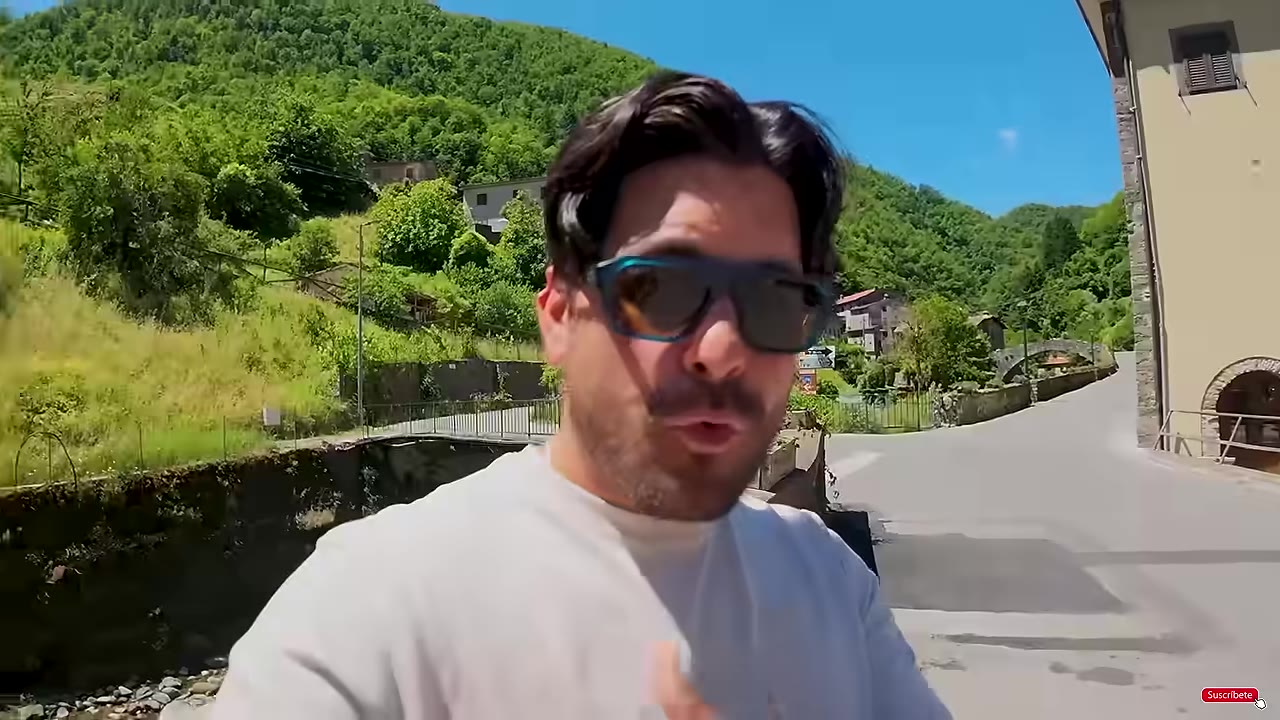
What Gabriel Herrera’s journey shows
- The journey begins with the central question behind Italy’s one-euro house headlines: can a home really be bought for the equivalent of one dollar?
- Gabriel travels into Tuscany to see the type of small, historic communities that use symbolic-price schemes to bring empty homes back into use.
- He walks through the village atmosphere and looks at neglected properties, showing why the purchase price says little about a building’s true condition.
- The video examines the conditions attached to ownership, especially the need to renovate rather than simply hold the property.
- It ends by weighing the appeal of a Tuscan home against the practical reality of permits, construction work and the final investment.
Watch Gabriel Herrera’s video before planning a viewing trip, then use the steps below to turn the idea into a properly researched project.
How Italy’s one-euro house schemes actually work
There is no single national “Italy one euro house” program. These are local initiatives, usually created by small municipalities facing depopulation and vacant, deteriorating buildings. Each town has its own property list, application process, deadlines, deposit rules and renovation obligations. That distinction matters: a rule reported for a Sicilian town may not apply in Tuscany, and an old online article may describe a closed round of applications.
Fabbriche di Vergemoli, in the Garfagnana area of Tuscany, is one municipality with an official one-euro-house page. Its current listings make the reality clear: some buildings are not habitable, may have damaged or absent roofs, or can only be viewed externally because of their condition. The municipality asks prospective visitors to arrange an appointment for access to certain locations through the local project office.
Start with the municipality, not a social-media post or a property marketplace. Ask for the current call for applications, the cadastral details, title status, permitted use, heritage restrictions, required guarantees, approved deadlines and the consequences if work is delayed. Have an independent Italian surveyor or architect inspect the property before making a binding commitment.
For a broader Tuscany trip after your viewings, build in time for the landscapes and villages covered in our Val d’Orcia travel guide. Just remember that a scenic village break is very different from taking responsibility for an unsafe historic building.
How to get to Tuscany’s participating villages
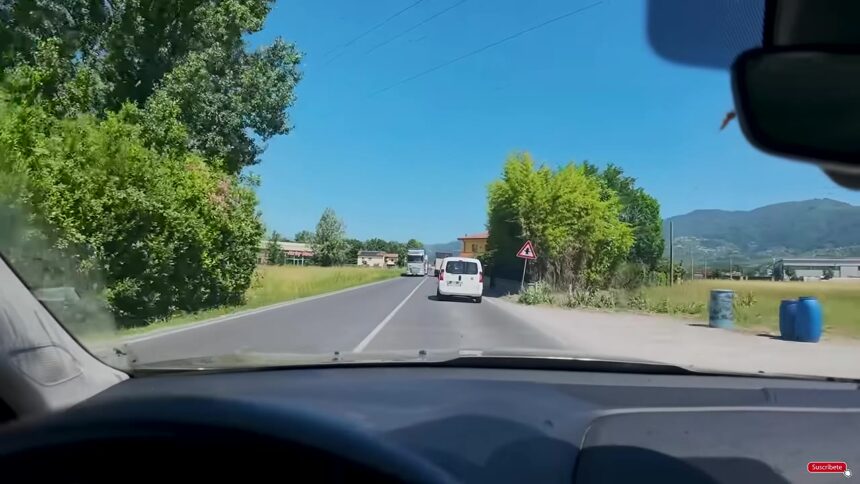
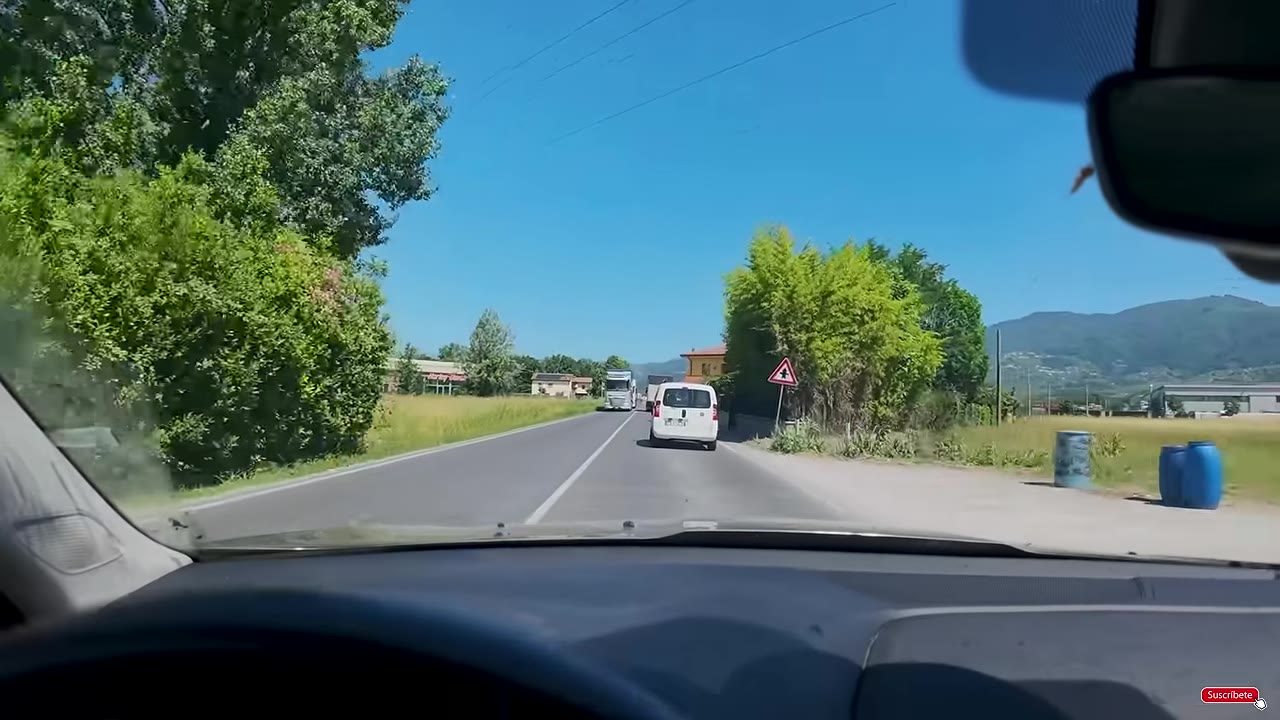
For the Garfagnana area around Fabbriche di Vergemoli, Pisa is a practical international arrival point, followed by a rental car. A car is strongly preferable once you leave the major Tuscan cities: one-euro properties can sit in small hamlets, on steep roads or near trail access rather than beside a railway station. Plan to reach the village in daylight, particularly for a first inspection.
Arrange the municipal appointment before booking accommodation. Bring your passport, driving licence if renting a car, sturdy closed shoes, water and a translated checklist of questions for the seller, municipality and technical professional. Do not enter a visibly unstable building independently, even if an external door is open.
Activities should focus on orientation rather than rushing between listings: walk the centre, test the road approach, check mobile coverage, visit the nearest grocery shop and ask how construction vehicles could reach the address.
Best time to inspect a one-euro home
Late spring and early autumn are the most practical periods for a research trip. You will have longer daylight than winter, generally more comfortable conditions for walking hillside villages and a better chance of meeting local offices outside the busiest summer holiday period. Avoid assuming that municipal offices, builders or notaries will be easily available in August; confirm appointments in writing.
Winter viewings can still be valuable if you are seriously considering a purchase. Rain, cold and shorter days may reveal drainage problems, damp, difficult access and the real comfort level of a remote village. The trade-off is that some services operate on reduced hours, and weather can complicate mountain-road travel.
What Italy one euro houses requirements and costs mean in 2026
The €1 headline is real, but it is only the symbolic sale price. The buyer normally pays the legal transfer costs, taxes, technical reports, design work, permits, construction, utility connections and ongoing property charges. A refundable performance deposit is common in many schemes, but its amount, release conditions and deadline are local rules, not a nationwide standard. Never estimate it from another town’s program: read the current municipal notice.
| Verified 2026 cost or charge | Amount | Why it matters |
|---|---|---|
| Symbolic purchase price in a one-euro scheme | €1 | This is the advertised sale price, not the total cost of acquiring and restoring the home. |
| Registration tax when buying from a private seller or a VAT-exempt business without first-home relief | 9% of the applicable taxable value, with a €1,000 minimum | It can exceed the purchase price dramatically, even for a symbolic sale. |
| Mortgage tax in that purchase scenario | €50 | Paid as part of the transfer process. |
| Cadastral tax in that purchase scenario | €50 | Paid as part of the transfer process. |
Italy’s Revenue Agency confirms the 9% registration-tax rate and €1,000 minimum for the standard non-relief scenario, plus fixed €50 mortgage and cadastral taxes. The exact tax treatment depends on the seller, property type, buyer status and whether any lawful first-home benefit applies, so obtain a written estimate from the notary before signing.
Renovation is the variable that determines whether the project works financially. Ask a local architect for a site-specific preliminary feasibility report covering structural safety, roof condition, utilities, planning restrictions, access for materials, waste removal and the likely permitting route. Do not treat any tax deduction as a discount on the purchase price; eligibility depends on the buyer’s tax position, the type of work and the required payment and documentation procedures.
Where to stay while you research properties
Stay in a functioning nearby town rather than inside the first property you see. A small hotel, agriturismo or apartment with parking gives you a dependable base while you meet municipal staff and technical professionals. Choose somewhere with flexible cancellation, a kitchen or breakfast, and enough time to return to the same village at different hours.
For Fabbriche di Vergemoli and similar Garfagnana locations, base yourself where you can reach restaurants, fuel, shops and the wider road network easily. Two or three nights is usually more useful than a rushed day trip because it lets you inspect access, noise, sun exposure and the distance to daily services.
Safety and smart buying tips
Use separate specialists. A real-estate agent represents a commercial side of the transaction; you still need your own notary, surveyor or architect, and—where needed—an Italian lawyer experienced in property transfers. Verify ownership, inheritance issues, cadastral records, boundary questions, existing debts and planning compliance before paying money beyond the terms of an official process.
Be particularly cautious with phrases such as “needs only cosmetic work.” A collapsed roof, unsafe stairs, damp walls, missing utilities or narrow access can change the scale of a project immediately. Photograph only from safe public areas unless accompanied by authorised personnel, and request written confirmation of every deadline and obligation.
The same principle applies to travel planning: slow down, verify and keep documents organised. Our United States travel mistakes guide has a useful broader reminder for international travellers—do not assume familiar systems, driving habits or service expectations will transfer unchanged.
Day-by-day (how to travel it yourself)
Day 1: Arrive in Pisa or Florence and collect a rental car. Drive to your chosen Garfagnana base, check road conditions, and organise documents and questions for the following day.
Day 2: Meet the municipality and inspect the village. Attend the pre-arranged appointment, view only authorised areas, record property codes and walk the route from parking to the building. Spend the afternoon checking shops, medical access, internet options and driving times.
Day 3: Technical due diligence. Meet an independent architect or surveyor. Request a preliminary report, ask which permissions may be needed and identify practical obstacles before you make an offer or application.
Day 4: Compare alternatives. Visit another participating town or compare ordinary local homes for sale. A low-cost habitable house may be a better fit than a €1 ruin once taxes, works and time are considered.
Frequently asked questions
Can foreigners buy a one-euro house in Italy?
Foreign buyers may be able to purchase Italian property, but eligibility and documentation can depend on nationality, reciprocity rules and the municipality’s own application terms. Confirm your position with an Italian notary before committing.
Do all Italy one euro houses require a renovation deposit?
No universal amount or rule exists. Many programs use a guarantee to ensure renovation work is completed, but the deposit, deadline and refund conditions must be confirmed in the current notice for that specific municipality.
Can I buy a one-euro house as a holiday home?
Some schemes may permit this while others may impose occupancy, renovation or intended-use conditions. Read the official local rules carefully rather than relying on the headline price.
Is a one-euro home cheaper than a normal Italian house?
Not necessarily. It can be worthwhile if you want a restoration project in that exact village, but legal fees, taxes, technical work and renovation can make a habitable conventional property the more predictable option.
Facts and prices verified in August 2026. Travel with Influencers is an independent fan/editorial guide, not affiliated with or endorsed by the creators featured. Watch and support the original creator: Gabriel Herrera on YouTube.