

A Monterrey Mexico travel guide should prepare you for a modern, sprawling northern city where dramatic mountains, serious food culture and industrial energy meet. Monterrey is not a compact colonial destination: it rewards visitors who plan their neighborhoods, accept that distances can be long, and leave time for both city life and nearby nature. This guide explains what to expect on a first visit, from the historic center and Paseo Santa Lucía to where to stay, how to move around and how to build an easy three-day trip.
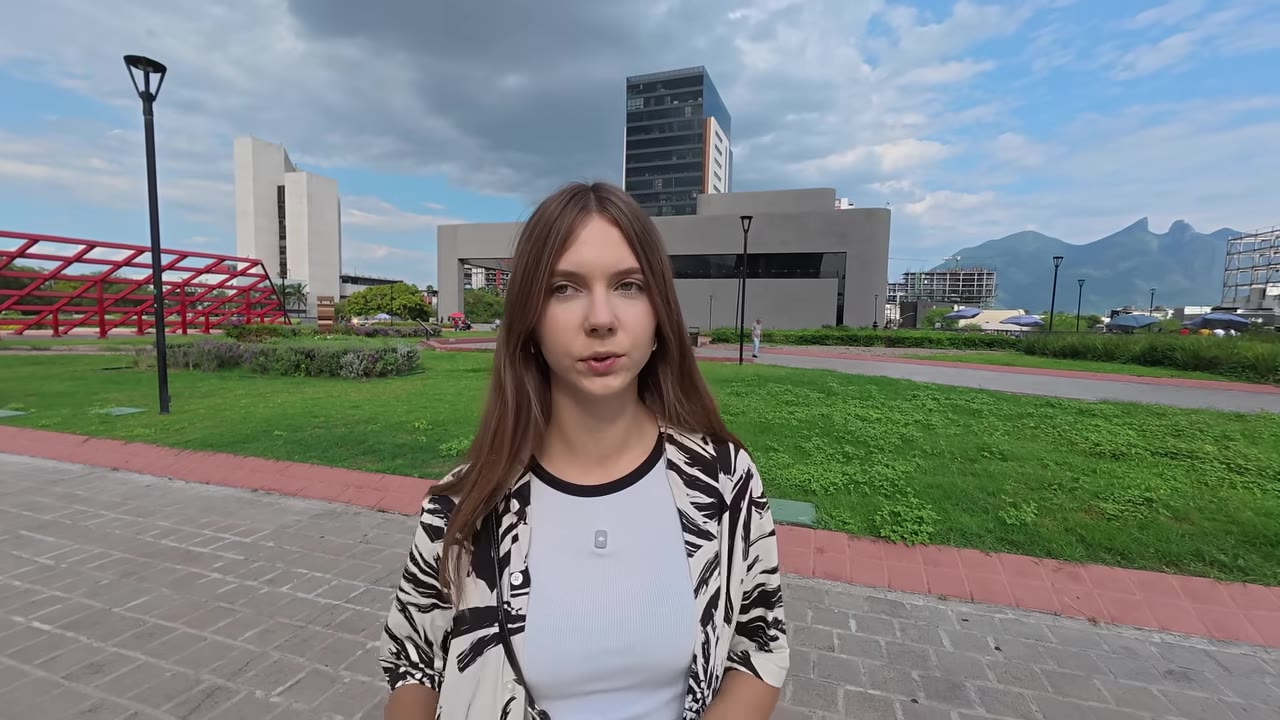
What Mateo & Lisanna’s journey shows
- They begin in Barrio Antiguo, Monterrey’s historic quarter, walking its cobbled, colorful streets and noticing its cafés, bars and evening atmosphere.
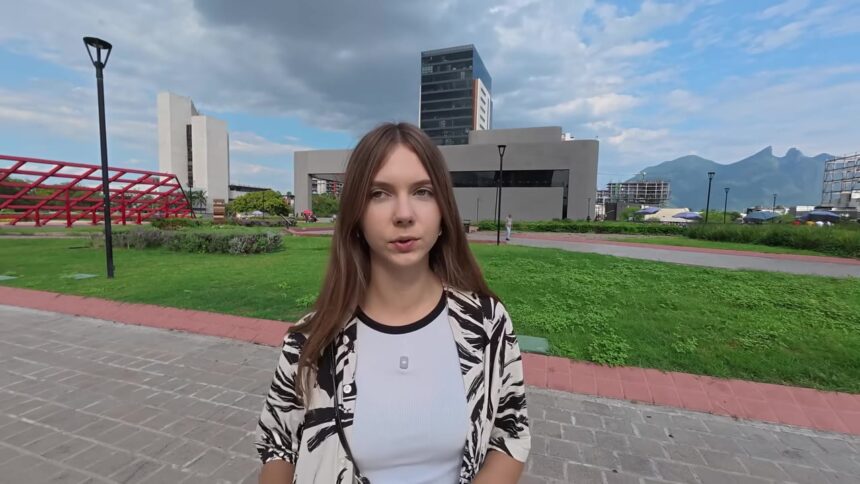
- They continue through the central area toward Macroplaza, the vast civic space marked by the orange Faro del Comercio and views of Cerro de la Silla.
- They pause at landmarks around the center, including the Neptune Fountain, government buildings and the Parroquia del Sagrado Corazón de Jesús.
- They follow Paseo Santa Lucía, the canal-side route that links the central museums area with Parque Fundidora.
- They end among the industrial heritage, open spaces and food stalls of Parque Fundidora, with cabrito as the unmistakably northern meal of the day.
Watch their visit first, then use the practical details below to turn the route into your own trip.
How to get to and around Monterrey
Most international visitors arrive at Monterrey International Airport (MTY), which sits east of the city. The airport lists an express public route between the airport and Y Griega Metro station, as well as buses to the Central Bus Station and authorized airport taxi operators. For arrivals with luggage or late-night flights, use an official airport taxi desk or a ride booked through a recognized app rather than accepting an unsolicited ride.
In the center, the video’s core route is pleasantly walkable: Barrio Antiguo, Macroplaza, the museums, Paseo Santa Lucía and Fundidora fit together well. Beyond that corridor, Monterrey becomes a large metropolitan area. Use Metro, ride-hailing or a rental car depending on your plans; a car becomes especially useful for Chipinque, Santiago and mountain viewpoints. The city has also introduced shared electric scooters and bicycles around Macroplaza, Santa Lucía and Fundidora, but treat them as a short-distance option, not a substitute for citywide transport.
Best time to visit Monterrey
For walking around the center and spending time outdoors, aim for the cooler months from late autumn through early spring. Monterrey can feel intensely hot in summer, while rain and sudden weather shifts can affect mountain plans. In any season, begin outdoor sightseeing early, carry water and keep a light extra layer for air-conditioned museums, restaurants and cooler evenings.
If your trip coincides with a major concert, football match or festival, reserve accommodation early. Fundidora is a major events area, and the city can feel very different when it is hosting a large gathering. For a calmer first introduction, choose ordinary weekdays and keep one flexible day for nature.
What Monterrey costs in 2026
Accommodation, restaurant bills and ride-hailing fares change with demand, so compare live options before booking rather than relying on a fixed daily budget. The costs below are published 2026 visitor prices for useful activities and services, stated in Mexican pesos (MXN).
| Item | Verified 2026 price | What to know |
|---|---|---|
| Paseo Santa Lucía boat ride, adult | MX$120 | Runs between the Museum of Mexican History area and Parque Fundidora. |
| Paseo Santa Lucía boat ride, child aged 8–12 | MX$60 | Children under 8 enter free. |
| Chipinque individual admission | MX$88 | Buy online; the standard entry does not include parking or summit access. |
| Chipinque vehicle parking | MX$50 | Additional to admission. |
| Parque Fundidora parking, daily rate | MX$150 | Published for designated park lots. |
Parque Fundidora itself is a strong-value stop because it provides a large public setting for walking, architecture and industrial heritage; save paid spending there for the canal boat, museums, events or food. If you are choosing between walking and boating on Santa Lucía, walk one direction and take the boat the other for two different views of the route.
Where to stay in Monterrey
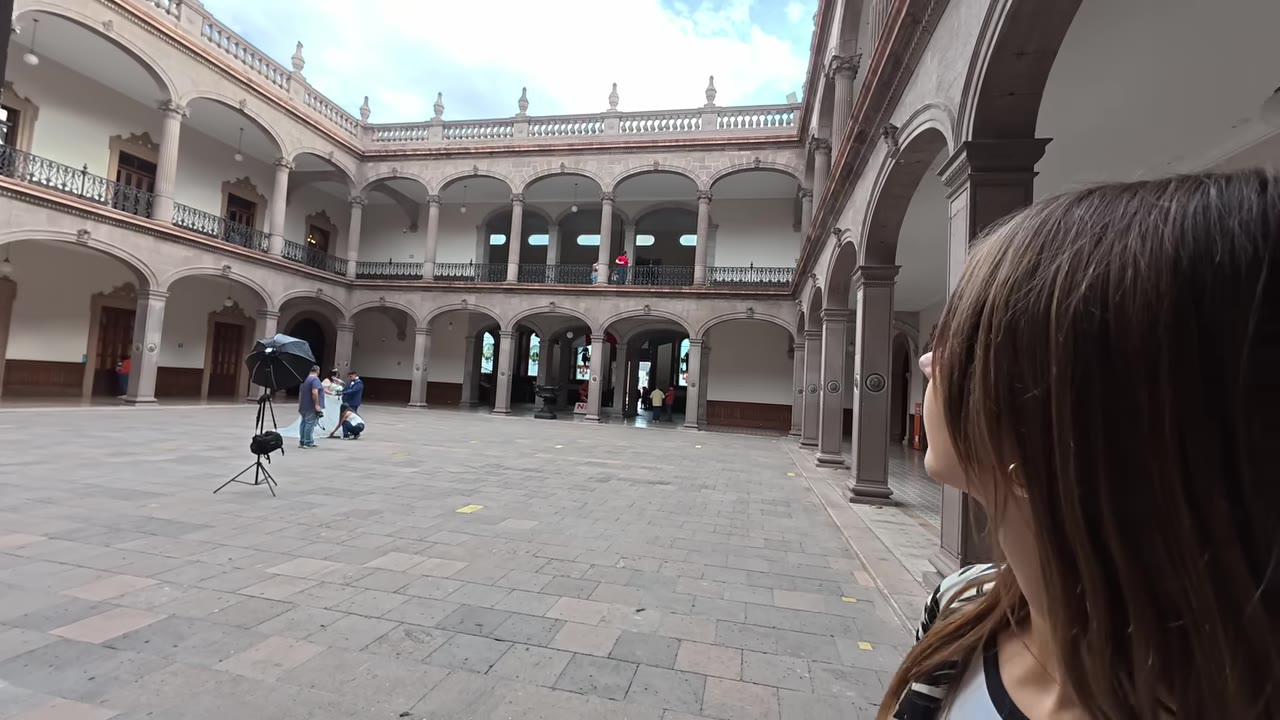
For a first-time visitor, stay in Centro, Barrio Antiguo or near Fundidora if your priority is sightseeing on foot. You will be near Macroplaza, museums, cafés and the canal, and you will need fewer rides during the day. The official Nuevo León tourism site also suggests central Monterrey as a practical base, while nearby San Pedro Garza García, Guadalupe and San Nicolás can work well depending on your plans.
Barrio Antiguo suits travelers who want character, independent cafés and nightlife nearby. Centro/Macroplaza is best for a practical, lower-transit sightseeing base. Fundidora makes sense for events and the park. San Pedro Garza García is a polished, restaurant-rich choice, but it is less convenient for walking the historic core. Check the exact street, recent guest feedback and your evening transport plan before committing.
Food, nature and practical safety tips
Come hungry: Monterrey is known for northern Mexican cooking, especially grilled meats, flour tortillas and cabrito. Cabrito is a regional specialty rather than an obligation; order it if it appeals, but also leave room for tacos, steak, breakfast dishes and bakeries. For more context on navigating meals, manners and everyday interactions, read our guide to experiencing everyday Mexican culture as a visitor.
For nature without leaving the metropolitan area, Chipinque is an excellent add-on. The reserve is open year-round from 5:30 a.m. to 9 p.m.; last entry is earlier, and online booking is required. It has viewpoints and trails, but it is a real mountain environment: choose a route suited to your fitness, bring water, start early and do not assume every summit is included with standard admission.
Be realistic about safety. As of the U.S. Department of State advisory issued May 29, 2026, Nuevo León is listed at Level 2: exercise increased caution; its guidance specifically advises caution on highways between the U.S. border and Monterrey and avoiding travel after dark. In the city, use app-based or regulated taxis, avoid displaying valuables, do not walk alone late at night in unfamiliar areas, and keep remote hikes and intercity drives for daylight.
These are sensible habits rather than a reason to avoid the city. The central visitor corridor is busy and enjoyable by day, but Monterrey is a working metropolis, not a resort. Plan transport deliberately, especially after dinner or nightlife. The same approach applies elsewhere in the country; our Cartagena safety guide has useful general anti-scam habits for urban travel.
Day-by-day (how to travel it yourself)
Day 1: Historic Monterrey and Fundidora. Start in Barrio Antiguo for coffee and a slow walk. Continue to Macroplaza, look toward Cerro de la Silla, then visit a museum if one interests you. Follow Paseo Santa Lucía on foot or by boat into Parque Fundidora. Stay into the evening for the park’s changing light, then return by ride-hailing or dine nearby.
Day 2: Neighborhoods and northern food. Spend the morning in Centro or San Pedro, depending on your interests: Centro for civic landmarks and local character, San Pedro for contemporary dining and a more polished cityscape. Make lunch your cabrito or grilled-meat meal, then keep the evening for Barrio Antiguo’s cafés, bars or live-music venues.
Day 3: Mountain reset. Pre-book Chipinque, arrive early and choose a moderate trail or viewpoint rather than chasing difficult summits. Return to town for a relaxed late lunch. Travelers with more time can use an additional day for nearby Santiago, but do not rush it into an already full city itinerary.
Frequently asked questions
Is Monterrey worth visiting for a first trip to Mexico?
Yes, especially if you want a side of Mexico that feels modern, urban and mountain-framed rather than colonial or beach-focused. It works best as a two- or three-night city break with one nature day.
Do I need to rent a car in Monterrey?
Not for the central route of Barrio Antiguo, Macroplaza, Paseo Santa Lucía and Fundidora. A car is more useful for Chipinque, Santiago and wider day trips; otherwise, combine walking with ride-hailing and public transport.
Can I walk from Macroplaza to Parque Fundidora?
Yes. Paseo Santa Lucía connects the central museums area with Fundidora, and the route can be walked or covered by boat. The official tourism information describes the canal journey as 2.5 kilometers.
What should I eat in Monterrey?
Try cabrito if you enjoy roasted goat, but do not stop there. Monterrey is also excellent for grilled meats, tacos, flour tortillas, breakfast dishes and casual cafés, particularly around the center and Barrio Antiguo.
Facts and prices verified in August 2026. Travel with Influencers is an independent fan/editorial guide, not affiliated with or endorsed by the creators featured. Watch and support the original creator: Mateo & Lisanna on YouTube.