A Morocco nomadic tribe Sahara travel experience is most meaningful when you treat it as a hosted mountain homestay, not a staged attraction. Viajando con Vero’s journey shows a far quieter side of Morocco: walking into the High Atlas, sharing food and daily work with an Amazigh nomadic family, and sleeping in the mountains. This guide explains how to plan a respectful version yourself, when to go, what published 2026 experiences cost, what to pack, and how to add a true Sahara extension if you have more time.
First, an important geography note: the video takes place in the High Atlas Mountains, rather than among the Sahara dunes. Morocco’s High Atlas forms a vast mountain barrier between northern Morocco and Saharan landscapes, making it possible to combine both regions on a longer trip.
What Viajando con Vero’s journey shows
- She leaves Morocco’s urban tourist circuit behind and travels for several hours towards the remote High Atlas.
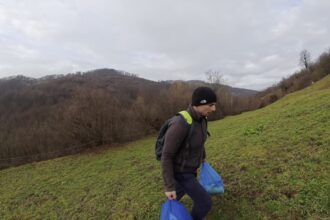
- After the road journey, she continues on foot into the mountains to reach a nomadic Amazigh family’s camp.
- She is welcomed into the family’s home environment and learns about everyday routines, food, water, animals and seasonal movement.
- She cooks and shares a meal with her hosts, joining in practical activities including milking goats.
- She spends the night in the mountains, creating the kind of slow, personal encounter that cannot be replicated by a quick photo stop.
Watch Viajando con Vero’s original journey before planning your own responsible mountain stay:
How to arrange a nomadic stay in Morocco’s High Atlas
Start in Marrakech, then book a specialist local operator for a multi-day route into the central High Atlas rather than attempting to locate families independently. The most suitable experiences are arranged with consent, have a local mountain guide, include transport and meals, and clearly explain where your money goes.
Ait Bouguemez is a useful planning reference point. One local operator’s High Atlas homestay is based in the Ait Bouguemez region, runs from Marrakech for a minimum of three days and two nights, and works with Ait Atta nomadic families who seasonally settle in the mountains. It includes 4WD transport, guiding, meals and tent accommodation; the operator says 15% of each booking is donated to the host families. Availability is listed from May through September.
Ask before paying: which family hosts, whether the visit is seasonal, how many guests will be present, whether the family receives an agreed direct payment, what sleeping arrangements are offered, and what happens if weather blocks access. A responsible answer should be specific, not vague.
For a city-and-mountain combination, allow at least one Marrakech night before departure and another on your return. If rural culture interests you, our Romanian Village Culture and Traditions guide offers useful perspective on travelling respectfully in living rural communities.
Best time for a High Atlas homestay and Sahara extension
For the mountain homestay shown in the video, late spring through early autumn is the practical window, but availability depends on the families’ seasonal movements. The Ait Bouguemez operator described above lists May to September for its High Atlas nomad stay. Mountain weather can still change sharply, especially at night, so confirm current conditions with your guide immediately before leaving Marrakech.
For Erg Chebbi, Erg Chigaga or another genuine Sahara extension, spring and autumn are generally the best-balanced periods. Morocco’s national tourism office specifically recommends spring and fall for the Sahara; winter brings cold desert nights, while summer heat can make long road transfers and outdoor activities difficult.
Do not confuse Agafay, the rocky landscape near Marrakech, with the Sahara. It can be convenient for a one-night camp, but travellers seeking dunes and a longer desert journey should continue farther south.
What it costs in 2026
Remote mountain homestays are usually priced privately because transport, guide, group size and seasonal access all change the total. The table therefore includes only publicly displayed operator prices that we could verify in September 2026; use them as a planning reference, not a substitute for a written quote.
| Experience | Published 2026 price | What the operator lists |
|---|---|---|
| Overnight with a nomad family, Erg Chebbi | US$131 per person | Private cultural experience with tea, tagine dinner and a night in a camel-wool tent |
| Sunrise camel ride, Erg Chebbi | US$47 per person | Approximately three hours, including a pre-dawn camel caravan and tea stop |
| Two-day Zagora trip from Marrakech | US$158 per person | Private two-day route via Tizi n’Tichka and Aït Ben Haddou, with a camel ride and Zagora overnight |
These listed prices come from a Moroccan operator’s current experience page and may change with dates, group size and inclusions.
Budget separately for your Marrakech riad, personal snacks, gratuities, travel insurance and any extra Sahara nights. Carry some Moroccan dirhams for small purchases and tips: Morocco’s tourism office notes that ATMs are widespread and that Visa and Mastercard are accepted by many hotels, some restaurants, shops and petrol stations, but mountain areas should not be treated as card-reliable.
Where to stay before and after the mountains
In Marrakech, choose a riad in or near the medina for your arrival and return nights, preferably one that can arrange an early pickup and store luggage while you travel light. In Ait Bouguemez, use a locally run guesthouse on the night before or after the homestay if your itinerary allows. This gives you a bed, shower and buffer in case weather delays the mountain route.
In the valley, Kasbah Ait Bouguemez in Agouti and Dar Ait Bouguemez in Ighirine are established guesthouse-style options with restaurants and mountain settings. Reserve ahead for the busier summer trekking months, and confirm whether dinner, heating and transfers are included rather than assuming.
Respectful etiquette, safety and essential packing
Use “Amazigh” when referring to Morocco’s Indigenous Amazigh people unless a host uses another term for their own community. Arabic and Amazigh are Morocco’s official languages, while French is widely understood; a simple greeting, patience and an effort to listen go much further than rehearsed cultural questions.
Do not arrive with unsolicited gifts for children, distribute cash in the camp, photograph people or animals without asking, or treat household work as entertainment. Ask your guide what is appropriate. Follow the family’s lead on clothing, meals, prayer times, private spaces and whether images can be shared online.
Activities should be participatory only when invited: walking with the family, helping prepare food, learning about goat care or sharing tea are privileges, not items to demand from a schedule.
Pack sturdy broken-in walking shoes, a warm layer for night, sun protection, a refillable water bottle, personal medication, a headlamp, toilet paper, power bank and a modest long-sleeved outfit. Bring a sleeping liner if you prefer one, but ask the operator what bedding is supplied before buying equipment.
For U.S. travellers, the Department of State’s Morocco advisory issued September 4, 2026 is Level 2, advising increased caution because of terrorism risk. It also advises travellers in remote areas to remain aware of their surroundings and to use guarded campgrounds rather than camping in isolated places.
Day-by-day (how to travel it yourself)
Day 1: Marrakech. Arrive, exchange a small amount of cash, confirm pickup time and pack one soft bag for the mountains. Sleep in a riad.
Day 2: Marrakech to Ait Bouguemez region. Travel by pre-arranged 4WD with your guide. Depending on the agreed route, stop for supplies or a valley walk, then sleep at a local guesthouse or begin the approach to camp.
Day 3: Walk to the nomadic camp. Keep the pace realistic, meet the host family through your guide, share meals and take part only in activities they invite you to join. Sleep in the agreed tent or family arrangement.
Day 4: Mountain morning and return to Marrakech. Say goodbye without rushing the departure, return by road and spend the night in Marrakech.
Days 5-7: Optional Sahara extension. Continue south with a licensed operator to the Dades or Zagora area, then choose Erg Chebbi or Erg Chigaga if genuine dunes are your priority. Build in a final Marrakech night before flying out. For another guide built around practical planning rather than just highlights, see our Cartagena, Colombia travel guide.
Frequently asked questions
Can I book a nomadic family stay from Marrakech?
Yes, but book through a locally based specialist who has an ongoing relationship with the host family. A multi-day guided arrangement is more realistic and respectful than trying to find a camp independently.
Is this experience in the Sahara Desert?
Viajando con Vero’s video is set in the High Atlas Mountains. You can add a Sahara itinerary afterward, but the mountain homestay and a dune camp are different experiences.
What should I wear when visiting an Amazigh nomadic family?
Choose clean, modest and practical clothing: long trousers, a covered top, layers for cold evenings and proper walking shoes. Ask your guide for local advice before departure.
Do I need a visa for Morocco?
Visa rules depend on nationality. Morocco’s tourism office states that tourist stays are generally limited to 90 days and advises checking the relevant requirements before travel; U.S. citizens can currently visit for up to 90 days without a visa.
Facts and prices verified in September 2026. Travel with Influencers is an independent fan/editorial guide, not affiliated with or endorsed by the creators featured. Watch and support the original creator: Viajando con Vero on YouTube.