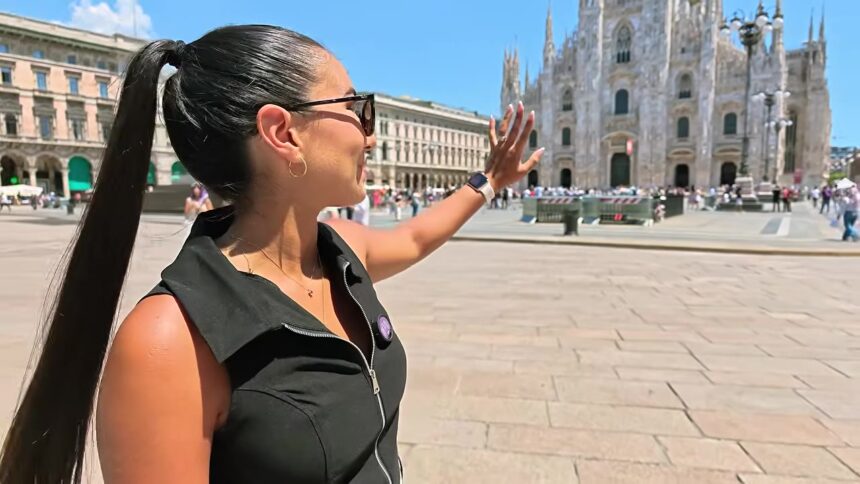
Is Milan worth visiting? Yes—if you approach it as Italy’s polished, fast-moving design and culture capital rather than expecting a compact open-air museum like Rome or Florence. Milan rewards travelers who enjoy Gothic architecture, serious art, excellent rail connections, aperitivo culture and neighborhoods with distinct personalities. This Milan Italy travel guide explains what is genuinely worth your time, what to book ahead, what it costs in 2026, and how to decide whether the city belongs on your Italy itinerary.
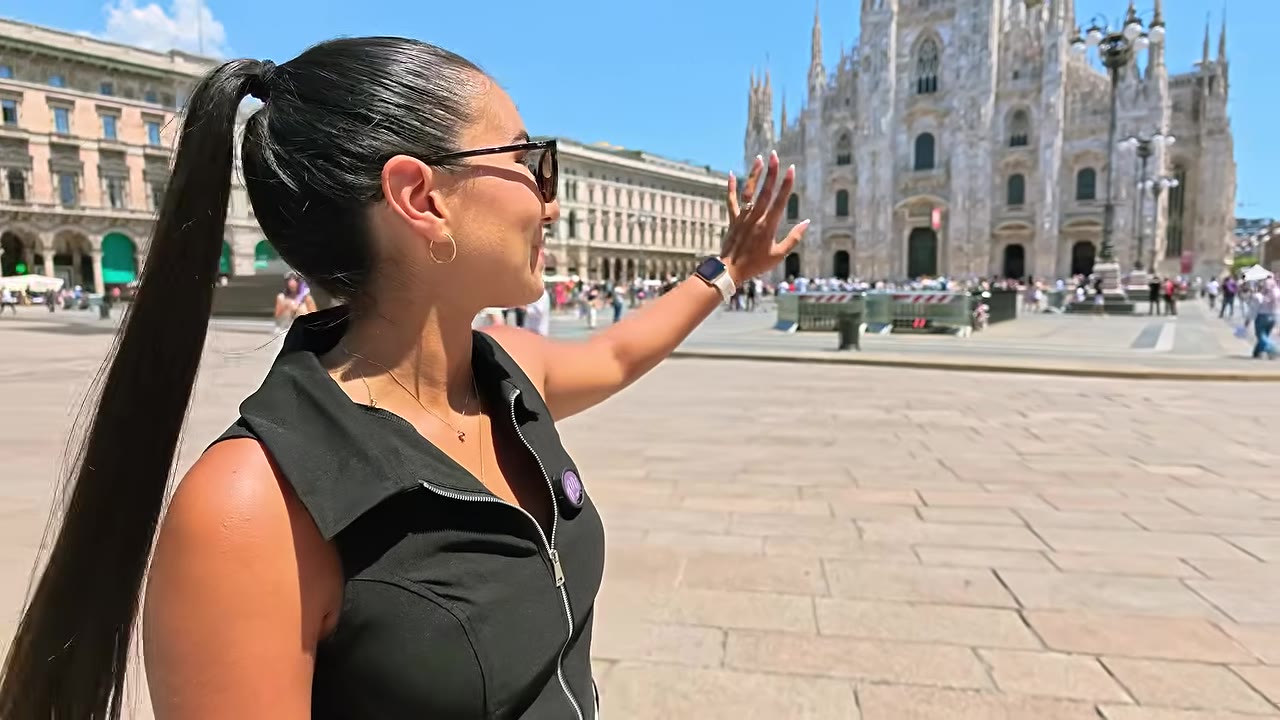
What Michelle Thielen’s journey shows
- A visit begins with the unusual and atmospheric Church of San Bernardino alle Ossa, known for its ossuary chapel.
- The route moves into the monumental heart of Milan at Piazza del Duomo and the vast Duomo di Milano.
- It continues through the Galleria Vittorio Emanuele II, the nineteenth-century covered arcade beside the cathedral.
- The journey notices Milan’s urban character: grand architecture, busy streets, fashion references and a more modern rhythm than many Italian cities.
- It also raises the central question for first-time visitors: beneath the fashion reputation, is there enough here to make Milan feel worthwhile?
Watch Michelle Thielen’s original Milan journey before planning your own route:
How to get to Milan and get around
Milan is one of Italy’s easiest cities to add to a wider trip. High-speed trains connect it efficiently with Rome, Florence, Venice, Bologna and Turin, while Malpensa is the principal long-haul airport. From Malpensa Terminal 1 or 2, the official Malpensa Express costs €15 one way to Milan; it is the straightforward choice for Centrale station or Cadorna.
Linate is closer to the center and is especially convenient for domestic and European arrivals. Once in town, use the metro, tram and walking combination rather than taxis for most sightseeing. Milan’s center is spread out enough to make public transport useful, but the Duomo, Brera, Castello Sforzesco and Navigli can still fit into a logical walking-and-metro plan.
For central journeys, ATM’s Mi1–Mi3 ticket works across metro, trams, buses and eligible suburban rail services. You can buy tickets through the ATM app, at machines and authorized retailers, or use contactless payment where available.
Best time to visit Milan
For a first visit, choose April to June or September to October. These months usually make walking between districts more pleasant than the humid summer peak or the colder, often gray winter period. They are also ideal for combining Milan with northern Italian lakes, Piedmont or a rail journey south.
That said, Milan is a working city, not only a seasonal destination. Winter can be a good fit for museums, shopping, restaurants and lower-pressure sightseeing, while July and August suit travelers comfortable with heat and some altered local business hours. Fashion Week and major fairs can push hotel prices up sharply, so check the city calendar before committing to dates. If designer shopping is a major reason for your trip, pair city browsing with this Italy luxury outlet shopping guide.
What Milan costs in 2026
Milan can be expensive for hotels and dining in central districts, but its headline sights and transport remain manageable if you reserve major attractions directly and avoid relying on taxis. The following official adult prices were checked in September 2026; availability, timed entries and special-event schedules can still change.
| Item | 2026 price | Notes |
|---|---|---|
| Malpensa Express to Milan | €15 | One-way ticket from Malpensa Terminal 1 or 2 to Milan. |
| ATM single ticket, Mi1–Mi3 | €2.20 | Valid for 90 minutes from first validation. |
| ATM 24-hour ticket, Mi1–Mi3 | €7.60 | Unlimited journeys for 24 hours from first validation. |
| Duomo and Duomo Museum | €10 | Full-price combined admission; Wednesday pricing differs because the museum is closed. |
| Leonardo’s Last Supper Museum | €15 | Full-price adult admission; advance reservation is compulsory. |
| Pinacoteca di Brera, Grande Brera ticket | €20 | Includes the Pinacoteca and Palazzo Citterio access under the stated conditions. |
ATM confirms the €2.20 single ticket and €7.60 daily ticket. The Duomo’s official visitor information lists €10 for cathedral and museum access; the Last Supper Museum lists €15 full admission and mandatory timed booking; and Pinacoteca di Brera lists a €20 full Grande Brera ticket.

What is genuinely worth your time in Milan
Start at the Duomo, but do not stop there. The cathedral’s exterior is extraordinary, and the rooftop experience is especially worthwhile for travelers who enjoy architecture and city views. Walk through the Galleria Vittorio Emanuele II to Piazza della Scala, then spend time in Brera rather than treating it as a quick photo stop. Its narrow streets, galleries, cafés and the Pinacoteca give Milan a more intimate scale.
For Leonardo da Vinci’s Last Supper, book as soon as dates open. Visits are limited to 15 minutes, reservations are required for every visitor, and the museum asks guests to arrive at least 30 minutes before their booked slot.
Other strong choices are Castello Sforzesco and Parco Sempione for a slower afternoon; the Navigli canals for an evening aperitivo; and Porta Venezia or Isola for a more local, contemporary side of the city. Church of San Bernardino alle Ossa is a compact but memorable detour near the Duomo area, particularly for visitors drawn to the unusual stop featured in the video.
Do not force Milan into a checklist of luxury boutiques. It is worth visiting for design, art and urban Italy; it may disappoint travelers seeking Tuscan hill towns, ancient ruins or a beach holiday. For the latter, consider adding time in southern Italy with our Puglia beach guide, or pair Milan with a more medieval city such as Siena.
Where to stay in Milan
For a first visit: stay around Duomo, Brera or Porta Venezia. Duomo is best for short stays and early starts, though it is busy and usually costly. Brera feels more atmospheric and is excellent for museums, dining and evening walks. Porta Venezia offers handsome architecture, good transport and a less tourist-centered base.
For nightlife and canals: choose Navigli, but expect more noise at night. For train connections: Milano Centrale is practical, particularly for one-night stays or early departures, although it lacks the charm of Brera. For contemporary Milan: Isola is a useful choice near modern architecture and lively restaurants.
Safety and practical Milan tips
Milan is generally straightforward for independent travelers, but use normal big-city precautions. Keep phones and wallets secure on packed metro platforms, around Centrale station and in crowded visitor areas near the Duomo. Do not leave bags unattended at cafés or on luggage racks, and use official taxis or reputable ride services late at night.
Dress respectfully for churches, especially the Duomo, and build flexibility into your schedule: religious services, weather and security procedures can affect access. Reserve the Last Supper first, then arrange the rest of the itinerary around that fixed time. Finally, do not overpack one day. Milan becomes more rewarding when you leave room for a long lunch, an espresso break or an unplanned walk through Brera and the canals.
Day-by-day (how to travel it yourself)
Day 1: Monumental Milan and Brera. Begin at San Bernardino alle Ossa, then walk to Piazza del Duomo. Visit the cathedral and, if it fits your budget and energy, the rooftops. Cross the Galleria Vittorio Emanuele II, see La Scala from outside, then have lunch in Brera. Spend the afternoon at Pinacoteca di Brera and wander the surrounding streets. Finish with aperitivo in Brera or Porta Venezia.
Day 2: Leonardo, castle and canals. Keep your pre-booked Last Supper slot as the day’s anchor. Afterwards, visit Santa Maria delle Grazie, walk or take the metro toward Castello Sforzesco and Parco Sempione, then continue to the Navigli district for a relaxed evening. If you have a third day, use it for the Fondazione Prada, contemporary Isola, a shopping-focused itinerary, or a day trip by train.
Frequently asked questions
Is Milan worth visiting for first-time Italy travelers?
Yes, particularly for two or three days if you want a contrast to Rome, Florence and Venice. It is best for art, architecture, fashion, food and modern city energy rather than postcard-style Italy alone.
How many days do I need in Milan?
Two full days cover the Duomo area, Brera, the Last Supper, Castello Sforzesco and Navigli at a comfortable pace. Add a third day for museums, shopping or a lake day trip.
Do I need to book the Last Supper in advance?
Yes. Reservations are mandatory, visits are timed, and official tickets are released in scheduled sales periods. Book directly as early as possible.
Is Milan more expensive than other Italian cities?
Central hotels, fashion districts and dining can be costly, especially during major events. Public transport and several major museum admissions are still predictable, so advance booking and a neighborhood-based plan help control spending.
Facts and prices verified in September 2026. Travel with Influencers is an independent fan/editorial guide, not affiliated with or endorsed by the creators featured. Watch and support the original creator: Michelle Thielen on YouTube.