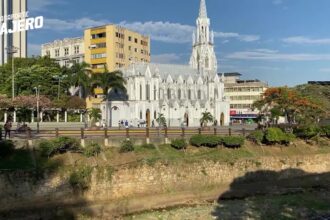


The best destinations to visit in Puerto Rico combine Old San Juan’s history, El Yunque’s rainforest, offshore-island beaches and an easy road trip through the south and west coast. This guide turns that variety into a practical first-time route, with clear base towns, realistic transport choices and a day-by-day plan. You will also find verified 2026 entry and transport prices, timing advice and the small planning details that make an island-wide trip feel manageable rather than rushed.
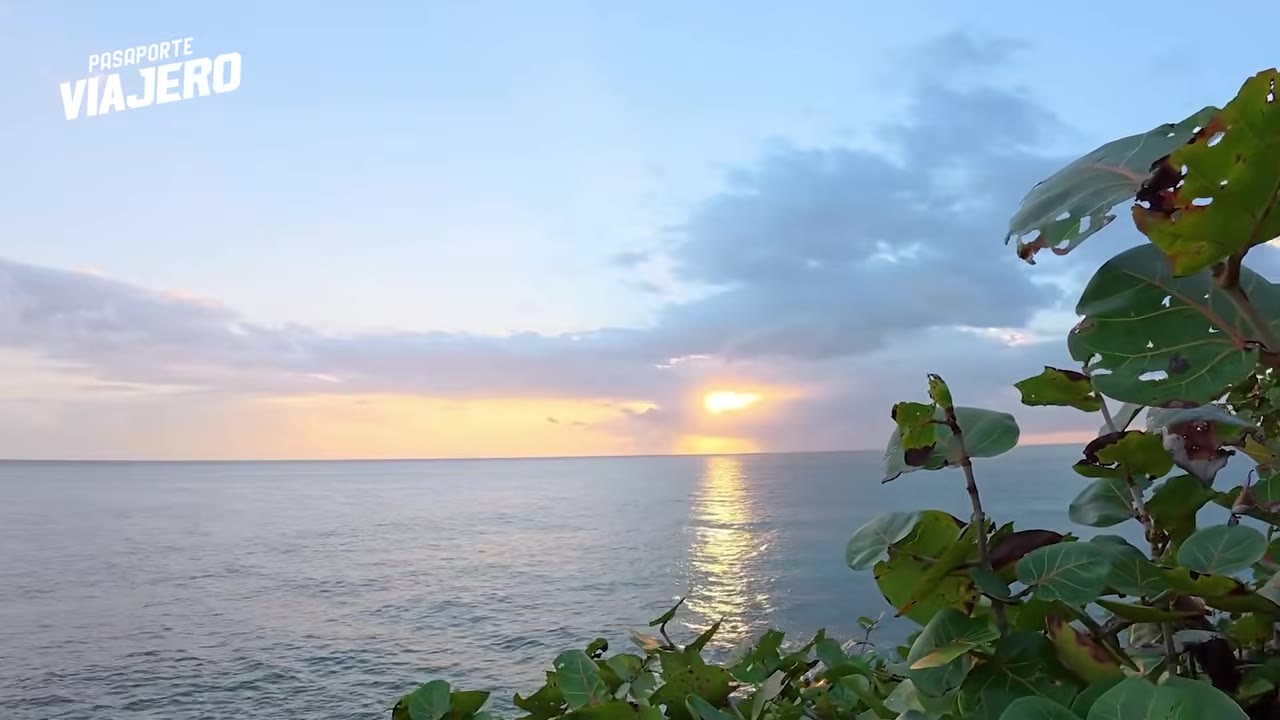
What Pasaporte Viajero’s journey shows
- It begins with Puerto Rico’s historic and urban character, using San Juan as the natural introduction to the island.
- The journey then contrasts city sightseeing with tropical landscapes, including the rainforest setting of El Yunque.
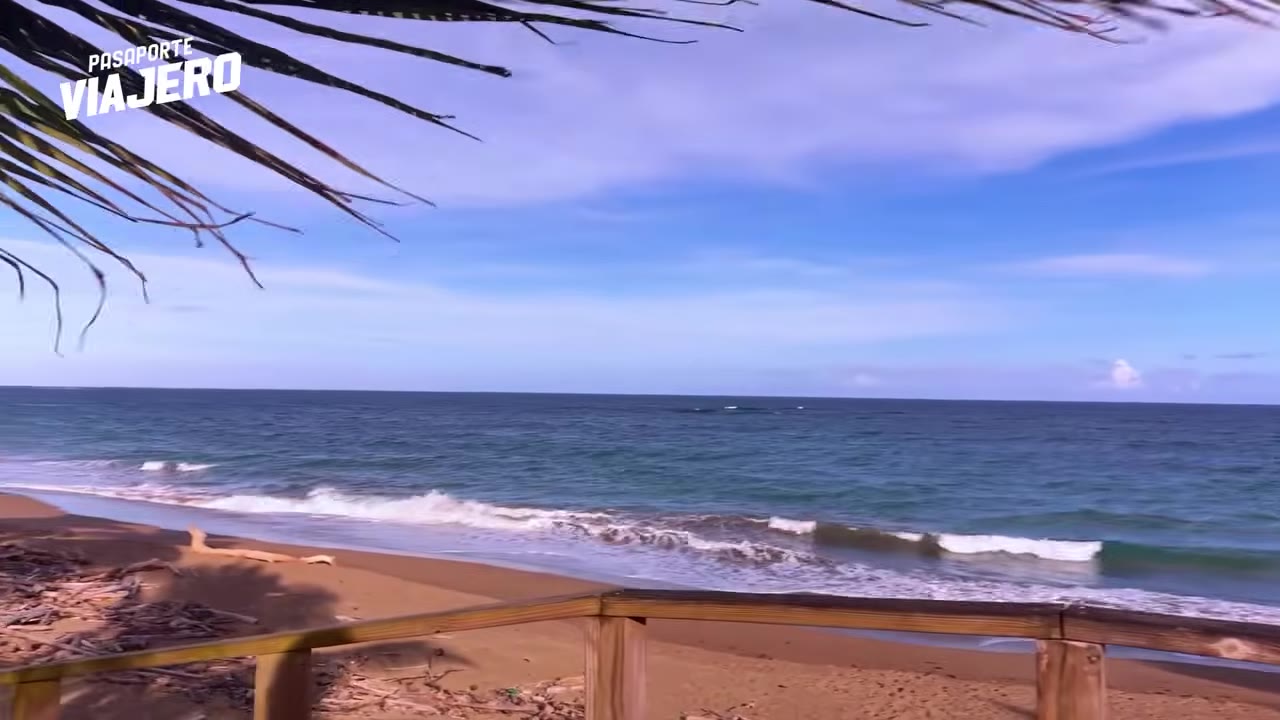
- It highlights the island’s beach appeal and the appeal of an offshore escape, particularly Culebra.
- The route expands beyond the capital toward southern Puerto Rico, where Ponce brings architecture, museums and local history into the mix.
- It finishes by showing why Puerto Rico is not a one-place beach break: coastal towns, cays and regional landscapes are all part of the experience.
Watch the original video for the visual overview, then use the practical route below to build your own trip.
How to get around Puerto Rico’s best destinations
For an island-wide itinerary, fly into Luis Muñoz Marín International Airport (SJU) near San Juan and rent a car when you leave the capital. Old San Juan, Condado, Santurce and Isla Verde can be explored without one, but a car gives you the freedom to reach El Yunque, the south coast, Cabo Rojo and the west coast on your own schedule.
Use San Juan as the first base, then drive east to Río Grande and Ceiba. From Ceiba, ferries connect the main island with Culebra and Vieques, although schedules can change and weather can affect service. The official tourism authority recommends checking sailing times in advance; it also notes that the ferry terminal is about a 1.5-hour drive from San Juan.
Do not plan to take your mainland rental car to Culebra or Vieques. Visitor vehicles are not carried on the ferry, so arrange a golf cart, Jeep, taxi or public transport after arriving. If your time is limited, flights from San Juan to Culebra start at $89 one way, while flights to Vieques start at $109 one way, according to Discover Puerto Rico.
A useful first-timer loop is San Juan → El Yunque/Ceiba → Culebra → Ponce → Cabo Rojo/La Parguera → Rincón or Aguadilla → San Juan. It avoids unnecessary backtracking and lets you place the ferry section early, before a relaxed mainland road trip.
Best time to visit Puerto Rico
December through April is the easiest period for a first island-wide trip: the weather is generally less rainy, and you can spend full days walking Old San Juan, hiking in El Yunque and exploring beaches. It is also a busier and often more expensive season, so reserve accommodation and a Culebra ferry or flight well ahead.
May through October tends to be rainier, although showers can be brief and the sea remains warm. Puerto Rico’s official hurricane season runs from June 1 through November 30; if you travel during those months, use flexible bookings, consider travel insurance and monitor official weather and marine updates closely.
For west-coast surf, larger swells typically arrive between October and April. For whale watching around Rincón, Aguadilla and Isabela, January through March is the usual season.
What Puerto Rico costs in 2026
Puerto Rico uses the US dollar, and prices vary most sharply with accommodation, car hire and island transport. The following are individual, published prices or starting fares rather than a complete holiday budget. Bookable tours, meals and hotel rates move frequently, so confirm them before paying.
| Item | Verified 2026 price | Planning note |
|---|---|---|
| San Juan National Historic Site: El Morro and San Cristóbal | $10 per adult aged 16+ | Valid for 24 hours at both fortifications; children 15 and under enter free. |
| El Portal visitor center, El Yunque | $8 per person aged 16+ | Children 15 and under enter free; interagency pass holders pay $4. |
| Museo de Arte de Ponce | $6 admission | The museum is partially open while its main building undergoes reconstruction. |
| Flight from San Juan to Culebra | From $89 one way | Useful when ferry timing does not fit your route. |
| Flight from San Juan to Vieques | From $109 one way | A practical alternative for a one- or two-night island stay. |
San Juan’s two headline forts are run by the National Park Service; the paid areas are currently open from 9 a.m. to 5 p.m., while the grounds around El Morro remain accessible daily. El Portal is open daily except specified holidays, with published hours of 8 a.m. to 4 p.m.
Where to stay for an island-wide route
Choose accommodation by function rather than changing hotels every night. Stay two or three nights in Old San Juan, Condado, Isla Verde or Santurce at the start. Old San Juan suits travelers who want colonial streets and restaurants outside the door; Isla Verde is more convenient for SJU airport arrivals and beach-focused stays.
For the east, Río Grande, Luquillo and Fajardo work well before an El Yunque visit or an early departure from Ceiba. On Culebra, stay near Dewey if you want walkable restaurants and ferry access, or choose Flamenco for a quieter beach-first break. In the south, base yourself in central Ponce; on the west coast, choose Rincón for sunsets and surf, or Cabo Rojo/La Parguera for salt flats, calmer Caribbean water and evening boat excursions.
Ponce is especially worthwhile as more than a stopover. Its central sights include Plaza Las Delicias, Parque de Bombas, Castillo Serrallés and the Museo de Arte de Ponce.
Activities, safety and route-planning tips
Prioritize a self-guided Old San Juan walk, a half-day in El Yunque, at least one Culebra beach day, Ponce’s historic center, Cabo Rojo’s salt flats and lighthouse area, and a sunset or bioluminescent-bay outing. La Parguera is the only Puerto Rico bioluminescent bay where swimming may be permitted, subject to restrictions that can include moon conditions and local rules.
For the best beach days, check local surf, weather and water conditions before driving out. Do not assume every beautiful beach is safe for swimming: currents and waves can change quickly, especially on the Atlantic-facing north and west coasts. Keep valuables out of sight in parked cars, carry only the cash you need, and avoid leaving bags unattended on the sand.
Book island ferries and bioluminescent activities early, especially for weekends and public holidays. Pack reef-safe sun protection, a reusable water bottle, a dry bag for boat days and proper shoes for wet rainforest paths. Puerto Rico’s official visitor guidance also advises carrying limited cash, as cards are widely accepted.
Day-by-day (how to travel it yourself)
Day 1: Old San Juan. Walk the blue cobblestone streets, waterfront and city walls. Visit Castillo San Cristóbal or El Morro, then stay for dinner and the evening atmosphere.
Day 2: San Juan beyond the old city. Spend the morning in Santurce, Condado or Isla Verde, then collect a rental car late in the day or the following morning.
Day 3: El Yunque and the northeast coast. Visit El Portal or hike within the national forest, then sleep in Luquillo, Río Grande, Fajardo or Ceiba.
Days 4–5: Culebra. Take the earliest practical ferry or a short flight. Give Flamenco Beach a full day, then use another day for snorkeling or a quieter beach. Return to the main island on day 5.
Day 6: Drive south to Ponce. Explore Plaza Las Delicias, Parque de Bombas and the city’s museums or historic estates. Sleep in Ponce.
Day 7: Cabo Rojo and La Parguera. See the salt flats and coastal viewpoints, then choose an evening in La Parguera or continue west.
Day 8: Rincón or Aguadilla. Make this a beach, surf or sunset day, then either return to San Juan for a final night or fly out from Aguadilla if your flights align.
If you have only six nights, skip either Culebra or the west coast. If you have 10 nights, add Vieques for its beaches and nighttime bioluminescent-bay experience rather than trying to squeeze both offshore islands into a rushed week.
Frequently asked questions
How many days do I need to see the best destinations to visit in Puerto Rico?
Seven to eight nights is the best minimum for San Juan, El Yunque, Culebra, Ponce and one west- or southwest-coast stop. With five nights, stay focused on San Juan, the northeast and one offshore island.
Do I need a car in Puerto Rico?
Not for a San Juan city break, but yes for this island-wide route. A rental car is the most practical way to reach El Yunque, Ponce, Cabo Rojo and Rincón. Do not expect to take it to Culebra or Vieques as a visitor.
Is Culebra better than Vieques?
Culebra is the stronger choice for a short trip centered on white-sand beaches and snorkeling, especially Flamenco Beach. Vieques is better if a bioluminescent bay and a slower two-night island stay are priorities.
Do US citizens need a passport for Puerto Rico?
No. Puerto Rico is a US territory, so US citizens traveling directly from the mainland do not need a passport. International visitors should check the same US entry requirements that apply to their nationality.
Facts and prices verified in September 2026. Travel with Influencers is an independent fan/editorial guide, not affiliated with or endorsed by the creators featured. Watch and support the original creator: Pasaporte Viajero on YouTube.