

Lima is worth visiting for its extraordinary mix of Pacific views, pre-Inca archaeology, colonial streets and one of South America’s most exciting food scenes. This Lima Peru top things to do travel guide turns the city highlights into a practical trip: where to base yourself, when to come, how to move around and what the main sights cost in 2026. It is designed for travelers who want the atmosphere of Miraflores and Barranco without missing the deeper history of the Historic Center and Lima’s excellent museums.
What Pasaporte Viajero’s journey shows
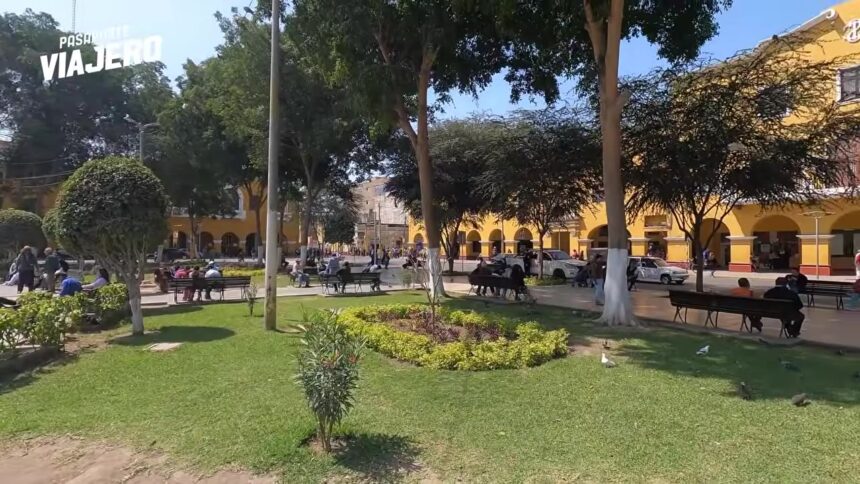
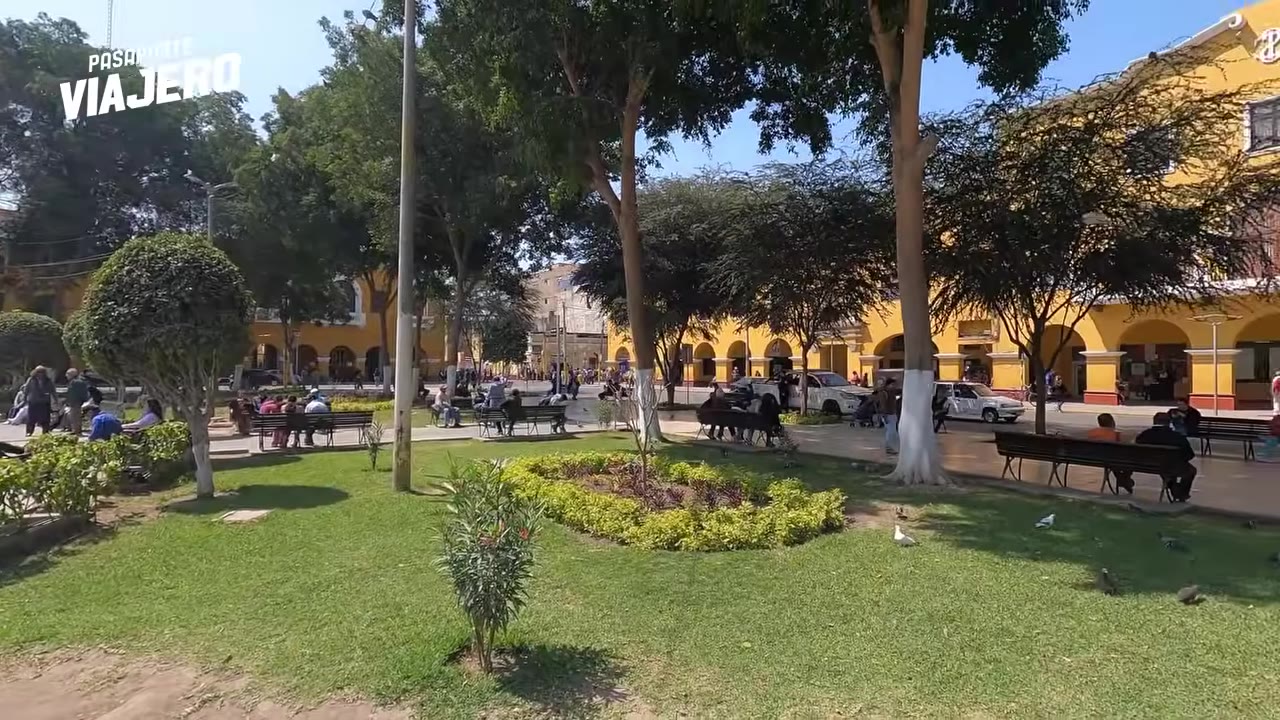
- It opens with Lima’s historic heart, introducing the grand squares, colonial façades and civic landmarks around Plaza Mayor.
- The route moves through the Historic Center’s churches and streets, including the atmospheric area around the San Francisco complex and its catacombs.
- It highlights the contrast between old Lima and the ancient adobe pyramid of Huaca Pucllana in modern Miraflores.
- The journey follows the coast through Miraflores, where parks on the cliffs look over the Pacific and Larcomar sits above the Costa Verde.
- It finishes in Barranco, combining murals, old houses, the Bridge of Sighs and the district’s relaxed artistic character.
Watch Pasaporte Viajero’s visual introduction to the city, then use the practical details below to build your own route.
How to get to and around Lima
Most international visitors arrive at Jorge Chávez International Airport in Callao. For a first stay, go directly to Miraflores, Barranco or San Isidro rather than looking for accommodation near the airport: these districts put you closer to the coast, restaurants and the sights most visitors want to see. Peru’s official tourism board estimates the airport-to-central-Lima journey at about 50 minutes by road, but Lima traffic is variable, so allow more time at busy hours.
For transfers, book a reputable airport transport service or use a well-known ride-hailing app once connected. Within Miraflores and Barranco, walking is rewarding and often the simplest option; the recently connected waterfront corridor makes the coastal area especially pleasant. For longer city journeys, use the Metropolitano bus rapid-transit system where it serves your route, or take an app-booked car. Do not build a tightly timed day around road travel between the Historic Center, Pueblo Libre and the coast.
The Historic Center is best explored on foot in daylight. Start at Plaza Mayor, continue along Jirón de la Unión toward Plaza San Martín, and include the San Francisco church and convent if catacombs interest you. Lima’s Historic Center has been a UNESCO World Heritage Site since 1991 and remains the city’s colonial core.
Best time to visit Lima
For sunny coastal walks, open-air lunches and clearer views from the Malecón, choose roughly December through March. Lima’s summer falls between December 21 and March 19, while the Peruvian coast is generally warmer then, with less fog; official tourism information notes summer temperatures along the coast in the 25–35°C range.
June through September is cooler, humid and often gray with the coastal mist known as garúa. That does not make it a bad time for museums, food and historic districts, but pack a light warm layer and do not expect beach weather. April–May and October–November are useful compromise months if you prefer milder conditions and want to combine Lima with the Andes. Check the local forecast shortly before departure, particularly if your plans include paragliding or a long coastal walk.
What Lima costs in 2026
Lima can be shaped to different budgets because several of its most memorable experiences are free: the Miraflores Malecón, Barranco’s Bridge of Sighs and the walk through Plaza Mayor cost nothing. Put your paid budget toward one excellent museum, Huaca Pucllana and food. The prices below are adult entry prices in Peruvian soles (S/), checked against the operators’ or official institutions’ published information in September 2026.
| Experience | 2026 adult price | Notes |
|---|---|---|
| Huaca Pucllana, daytime visit | S/15 | Official tourism information lists daytime access Wednesday–Monday; verify the day’s schedule before going. |
| Museo Larco, general admission | S/50 at the door; S/45 online | Open daily; online purchase has a published discount. |
| MALI, foreign visitor admission | S/40 | Museum of Art of Lima standard foreign-visitor ticket. |
| Bridge of Sighs, Barranco | Free | Public outdoor landmark. |
| Miraflores Malecón | Free | Public clifftop park and coastal promenade. |
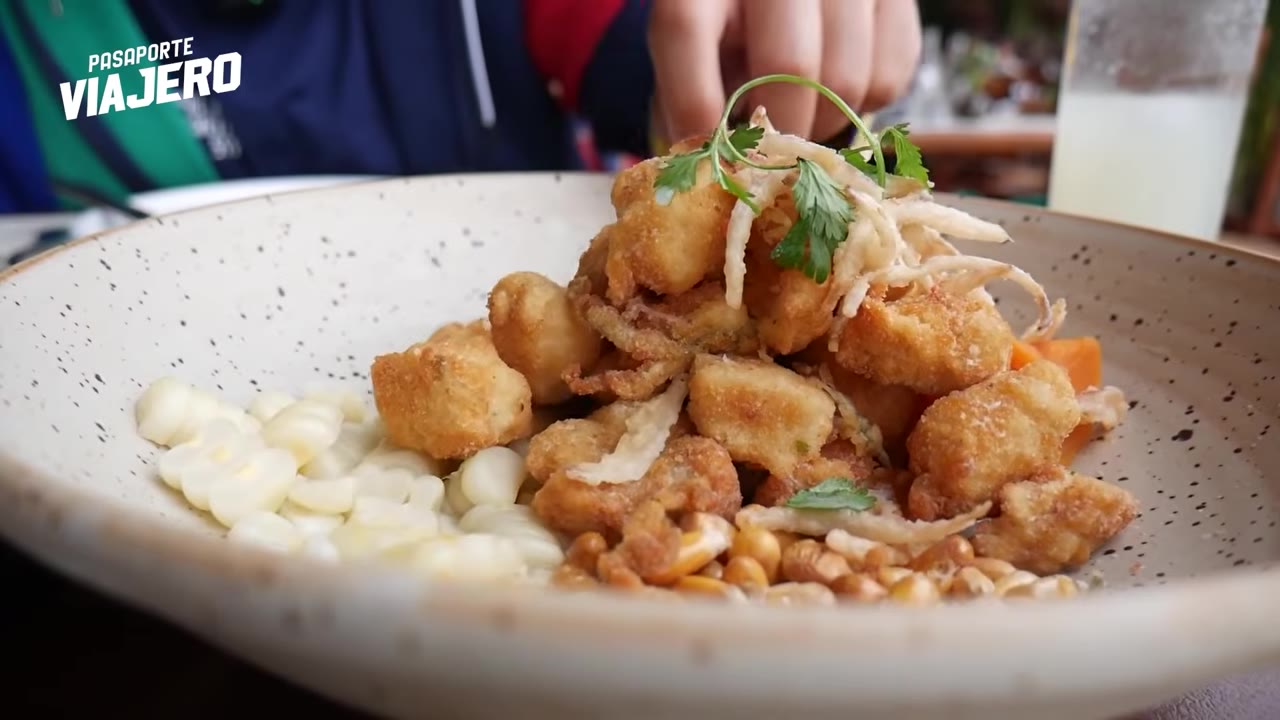
For a food-focused day, save room for ceviche at lunch, when it is traditionally eaten, then try a different side of Peruvian cooking at dinner: anticuchos, nikkei cuisine, criollo classics or a pisco sour. The best meals need not be the most formal ones; a busy neighborhood restaurant with a short menu is often a good sign.
Where to stay in Lima
Miraflores is the most convenient first-time base. It has the Malecón, Larcomar, Parque Kennedy, many restaurants and a broad choice of hotels. Choose it if you want an easy, polished base and early-morning or sunset walks above the Pacific.
Barranco suits travelers who value galleries, independent cafés, nightlife and a more residential atmosphere. It is especially good for couples, repeat visitors and anyone who wants to end the day near the Bridge of Sighs rather than in a large commercial district. Peru’s tourism board describes Barranco as Lima’s bohemian district, known for murals, galleries and its lively cultural scene.
San Isidro is quieter, greener and more business-oriented, with comfortable higher-end hotels. Avoid basing yourself in the Historic Center solely for convenience: visit during the day, but Miraflores, Barranco or San Isidro generally make a more relaxed overnight base.
Safety and useful Lima tips
Lima rewards ordinary city awareness. Carry only what you need for the day, keep phones and cameras secure near curbs and in crowded areas, and use an app-booked car after dark rather than wandering through unfamiliar streets. Tourist-focused patrols and monitored visitor corridors operate in Lima, including in Miraflores, Barranco and central areas, but they are not a substitute for personal caution.
Bring soles for small purchases, though cards are widely accepted in established restaurants, museums and hotels. Ask before photographing people or stalls in markets. At restaurants, clarify whether a service charge has already been included before adding a tip. Finally, remember that Lima is a vast city: plan each day by district instead of trying to cross it repeatedly.
If you are continuing through Latin America, compare Lima’s urban rhythm with the mountain-and-city energy in our Medellín travel guide, or plan a beach-led escape afterward with our Puerto Rico travel guide.
Day-by-day (how to travel it yourself)
Day 1: Historic Lima and a museum. Begin at Plaza Mayor before the central streets become busy. Walk past the Cathedral and Government Palace, then follow Jirón de la Unión toward Plaza San Martín. Visit San Francisco and its catacombs if open, then take an app-booked ride to Pueblo Libre for Museo Larco in the afternoon. Finish with dinner in Miraflores.
Day 2: Miraflores and Barranco. Visit Huaca Pucllana in the morning, then walk through Parque Kennedy toward Larcomar and the Malecón. Continue south along the coast where practical, or take a short ride to Barranco. Explore the Bridge of Sighs, Bajada de Baños, local murals and the viewpoint around sunset, before dinner in Barranco. These are the classic Lima activities to book or arrange in advance during busy periods.
Day 3: Eat slowly and choose your interest. Make this a flexible food-and-culture day: return to a district you enjoyed, visit MALI for Peruvian art, browse a market with a guide, or take a cooking class. Travelers with more time can use Lima as a base for a separate full-day excursion, but do not sacrifice the city’s food, museums and coastal neighborhoods by rushing away too soon. For another practical city-break format, see our Panama City travel guide.
Frequently asked questions
How many days do I need in Lima?
Three full days are ideal for the Historic Center, Miraflores, Barranco, Huaca Pucllana and at least one major museum. Two days work if you focus on the central sights and coastal districts.
Is Lima worth visiting before Machu Picchu?
Yes. Lima is not simply a flight connection: its food, colonial heritage, archaeology and museums provide important context before traveling into the Andes.
Which area is best for first-time visitors to Lima?
Miraflores is the simplest choice because it combines hotels, restaurants, coastal walks and easy access to Barranco. Choose Barranco if you prefer a more artistic, evening-oriented neighborhood.
Can I walk from Miraflores to Barranco?
Yes, many travelers do, especially via the coastal parks and promenade, but allow time, wear comfortable shoes and use an app-booked car for the return if it is late or you are tired.
Facts and prices verified in September 2026. Travel with Influencers is an independent fan/editorial guide, not affiliated with or endorsed by the creators featured. Watch and support the original creator: Pasaporte Viajero on YouTube.