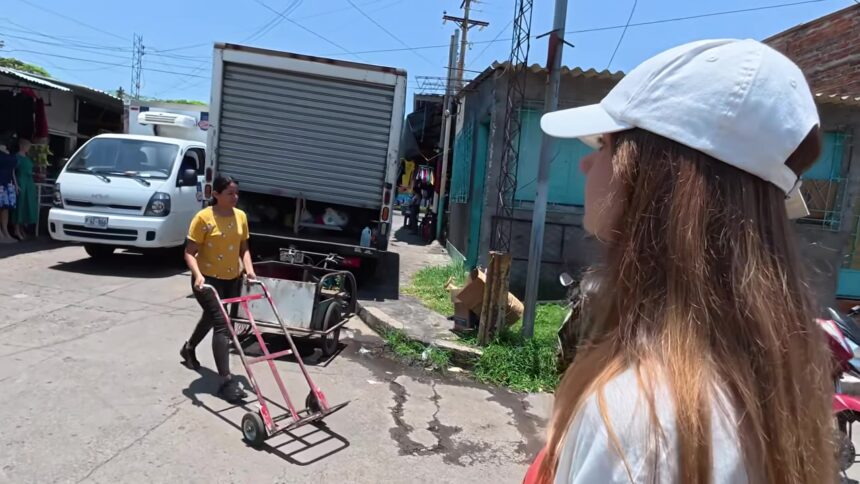
El Salvador can be a rewarding destination when you use sensible transport, stay alert in public, and plan coastal and intercity travel before dark. This practical guide focuses on El Salvador travel safety tips for an independent trip inspired by a journey from an Airbnb to the coast around Acajutla and Los Cóbanos. You will find clear advice on getting around, choosing a base, handling money and documents, understanding local rules, and recreating the route at a comfortable pace.
What Mateo & Lisanna’s journey shows
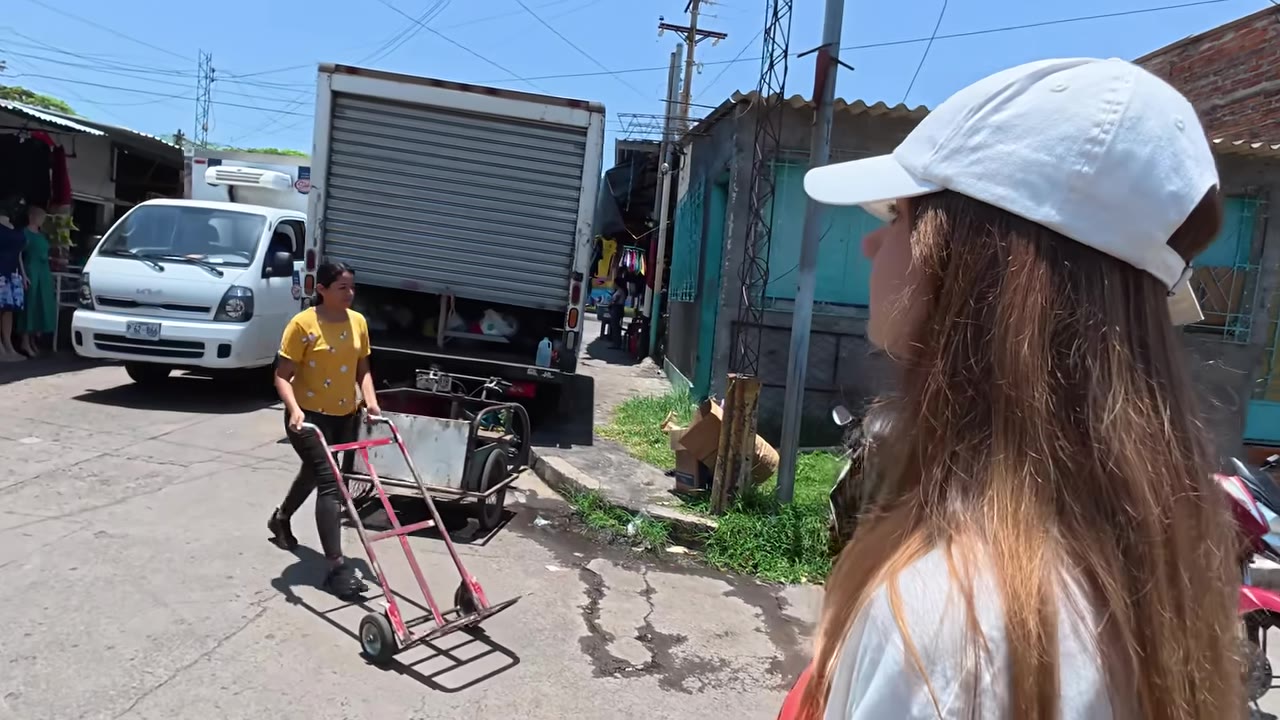
- They begin by leaving their Airbnb, showing the everyday planning that starts before reaching the coast.
- They take a bus rather than a private transfer, illustrating the local-transport choice many budget travelers consider.
- The route reaches Los Cóbanos, the coastal village west of Acajutla known for beaches, rocky shoreline, and a protected marine environment.
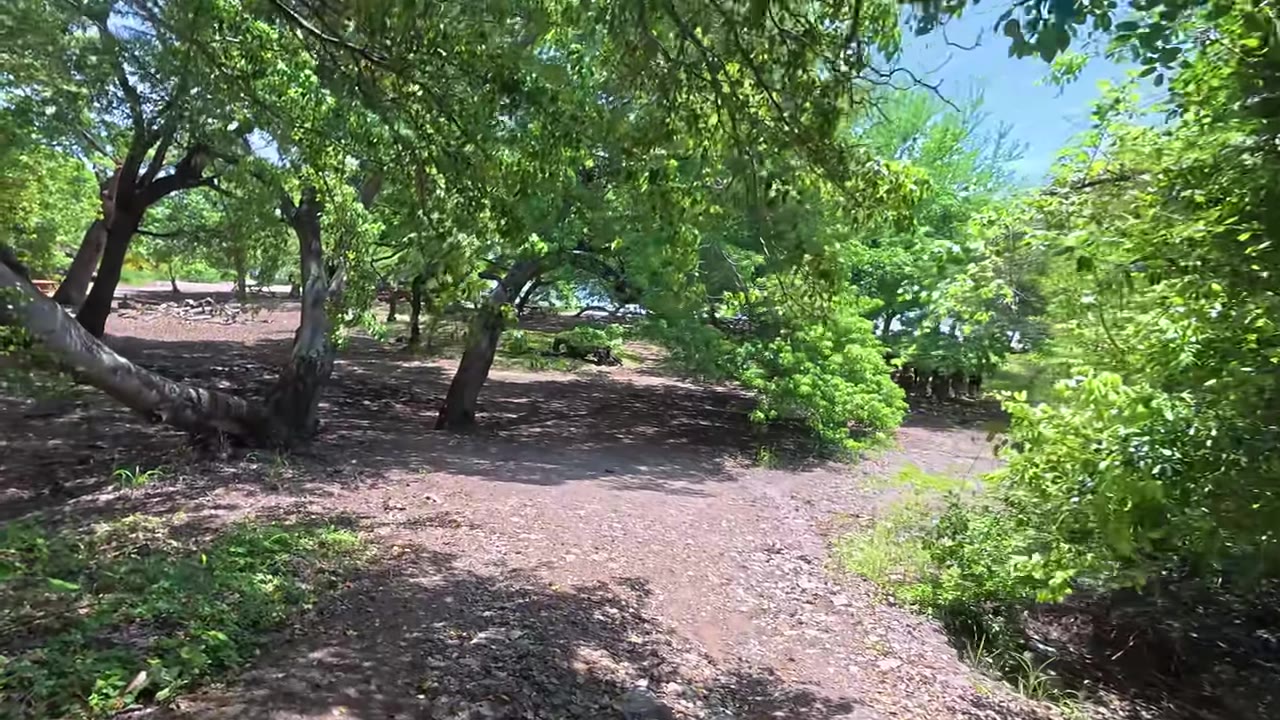
- They stop at natural pools and spend time around the water, an experience that needs extra caution because conditions can change quickly.
- The day slows down with a frozen treat, local animals, and a look at the relaxed pace of the coast.
Watch Mateo & Lisanna’s original journey here, then use the practical notes below to plan your own route responsibly.
How to get to Los Cóbanos and Acajutla
Most international visitors arrive through El Salvador International Airport, which operates around the clock. For this coast-focused route, arrange a rental car, hotel transfer, licensed driver, or a pre-booked tour for the onward journey. The official tourism board directs drivers from San Salvador along the Pan-American Highway toward Sonsonate, then toward Acajutla and the Los Cóbanos turn-off. Los Cóbanos is in western Sonsonate, close to Acajutla’s port.
Public buses are part of daily life and appear in the video, but they are not the best default choice for first-time visitors carrying luggage or arriving late. The current U.S. travel guidance specifically advises visitors to avoid public buses and instead use radio-dispatched taxis, taxis based at major hotels, or app-based rides. If you do choose local buses, travel in daylight, keep your phone and wallet out of sight, and ask your accommodation which stop is safest for arrival and departure.
Do not rely blindly on a navigation app to choose shortcuts. Stick to main roads, download offline maps before leaving Wi-Fi, share your planned route with someone you trust, and avoid intercity driving after dark. Road lighting can be limited, while steep terrain and rain can make conditions harder in the wet season.
Best time to visit and enjoy the coast safely
For a beach-and-road-trip itinerary, plan around daylight rather than trying to pack the coast into a late arrival. Los Cóbanos and the wider Acajutla area are warm for much of the year; El Salvador’s official tourism platform lists an annual average temperature of 28°C. The final months of the year are promoted for their cooler-feeling conditions in higher areas, while the Pacific coast remains hot and sunny.
If your priority is surfing elsewhere on the coast, larger and more regular southern-hemisphere swells generally run from March to November. Los Cóbanos itself is different: its reef can create calmer-looking water, but that does not mean every beach or tidal pool is safe for swimming. Check conditions locally, do not enter alone, and leave the water if currents, waves, or weather change. U.S. guidance warns that Pacific undertows and currents can be dangerous, and that emergency assistance at beaches, waterfalls, and lakes may be limited.
What El Salvador costs: verified fees to know
Accommodation, private transport, food, and tours are market-priced and vary substantially by date, group size, and location, so it is better to request a written total directly from your hotel or licensed operator than to rely on a generic daily budget. The fees below are official, specific charges that can be verified for 2026.
| Item | Verified 2026 price | What to know |
|---|---|---|
| Tourist card, where required by nationality | US$12 | Some visa-exempt nationalities may still need a tourist card valid for up to 90 days; check your own entry requirements before travel. |
| Los Almendros, Los Cóbanos protected-area access during Easter Week | US$3 | The Environment Ministry listed this special Semana Santa rate for 2026. Confirm standard-day access and payment arrangements locally before going. |
El Salvador uses the U.S. dollar. Carry small notes for small businesses and transport, but do not display a large amount of cash. Cards are useful at established hotels and restaurants, though some businesses may add a card fee. Use ATMs inside banks, malls, or other guarded locations when possible.
Where to stay: choose a practical base
For this route, stay in Los Cóbanos if you want an early start near the beach, or in Acajutla if you prefer more town services and easy access to the port area. The official tourism directory lists properties in and around Los Cóbanos and Acajutla, including Los Cóbanos Beach Villas & Resort, Hotel Boutique Villavela, Hotel Royal Decameron, and smaller local options. Confirm parking, breakfast, late check-in, beach access, and whether the property can arrange a trusted driver before booking.
A secure, staffed property is worth prioritizing over the lowest room rate. Look for recent guest feedback about access roads, gates, nighttime arrival, and whether staff can advise on local tide conditions. If you are continuing across Central America, our Medellín travel guide and Lima travel guide offer similarly practical city-planning advice.
Safety tips and common mistakes to avoid
El Salvador is currently listed by the U.S. Department of State at Level 1, “Exercise Normal Precautions,” dated June 25, 2026. That is useful context, not a reason to drop your guard: theft, robbery, vehicle crime, and fraud can still occur. Keep valuables discreet, stay aware rather than walking with headphones, lock car doors and raise windows, and never leave passports or electronics in a vehicle.
Be especially careful with the following common mistakes:
- Arriving somewhere unfamiliar after dark: schedule transfers so you reach your hotel with daylight remaining.
- Treating calm-looking water as risk-free: ask locally about tide, currents, rocks, and the safest entry point; never combine alcohol and swimming.
- Carrying restricted products: THC products, including many CBD products, are illegal in El Salvador and can lead to serious penalties.
- Driving after drinking: the country has a zero-tolerance approach to driving under the influence.
- Ignoring official or local advice: the state of exception remains in place, and travelers are subject to local law. Carry identification, remain calm at checkpoints, and do not photograph police or security operations without permission.
For emergencies, dial 911 for police or 132 for an ambulance. Travelers who want an added layer of preparation can register with the U.S. State Department’s Smart Traveler Enrollment Program before departure.
For activities such as snorkeling, boat outings, or guided coastal walks, book through your hotel or a properly identified local operator, agree on the price before departure, and cancel if sea conditions look unsafe.
Day-by-day (how to travel it yourself)
Day 1: Arrive and settle in. Land at El Salvador International Airport, collect cash in small denominations if needed, and use a pre-arranged transfer or rental car to reach San Salvador, Acajutla, or Los Cóbanos. Keep the first evening simple and avoid an unfamiliar road journey after dark.
Day 2: Los Cóbanos coast. Leave early for the beach and protected coastal area. Walk the shoreline, enjoy the scenery, and ask a local operator or your hotel about conditions before entering water or visiting natural pools. Eat at an established restaurant, return before dark, and keep the evening close to your accommodation.
Day 3: Acajutla and onward travel. Visit Acajutla during daylight for a change of scene, then continue to your next destination or return toward San Salvador on main roads. Travelers building a longer beach trip may also enjoy our Puerto Rico travel guide for another warm-weather itinerary with practical planning notes.
Frequently asked questions
Is El Salvador safe for tourists in 2026?
El Salvador is currently rated Level 1, “Exercise Normal Precautions,” by the U.S. Department of State. Visitors should still use normal anti-theft precautions, choose reliable transport, avoid isolated areas after dark, and follow local laws.
Should I take public buses in El Salvador?
Local buses are widely used, and Mateo & Lisanna use one in the video, but official U.S. guidance advises visitors to avoid public buses. First-time travelers are generally better served by hotel-arranged transport, licensed taxis, rideshare, or a rental car used in daylight.
Can I swim at Los Cóbanos?
Conditions depend on the precise beach, tide, current, weather, and reef area. Do not assume that calm-looking water is safe; ask locally on the day, stay within your ability, and avoid swimming alone or after drinking alcohol.
What money should I bring to El Salvador?
The U.S. dollar is in official use. Bring a card plus modest amounts of small-denomination cash, and use guarded ATMs where possible. Do not carry or display more cash than you need for the day.
Facts and prices verified in September 2026. Travel with Influencers is an independent fan/editorial guide, not affiliated with or endorsed by the creators featured. Watch and support the original creator: Mateo & Lisanna on YouTube.