The best things to do in Ronda, Spain are to see the Puente Nuevo above El Tajo gorge, wander the atmospheric old town, and stay long enough to experience its viewpoints after the day-trippers leave. This dramatic Andalusian city is compact enough for a first visit on foot, but its bridges, Moorish-era sites, gardens and cliff-edge scenery reward a slower overnight stay. Use this guide to plan how to arrive, when to go, what the main sights cost, where to base yourself and how to recreate a practical Ronda itinerary.
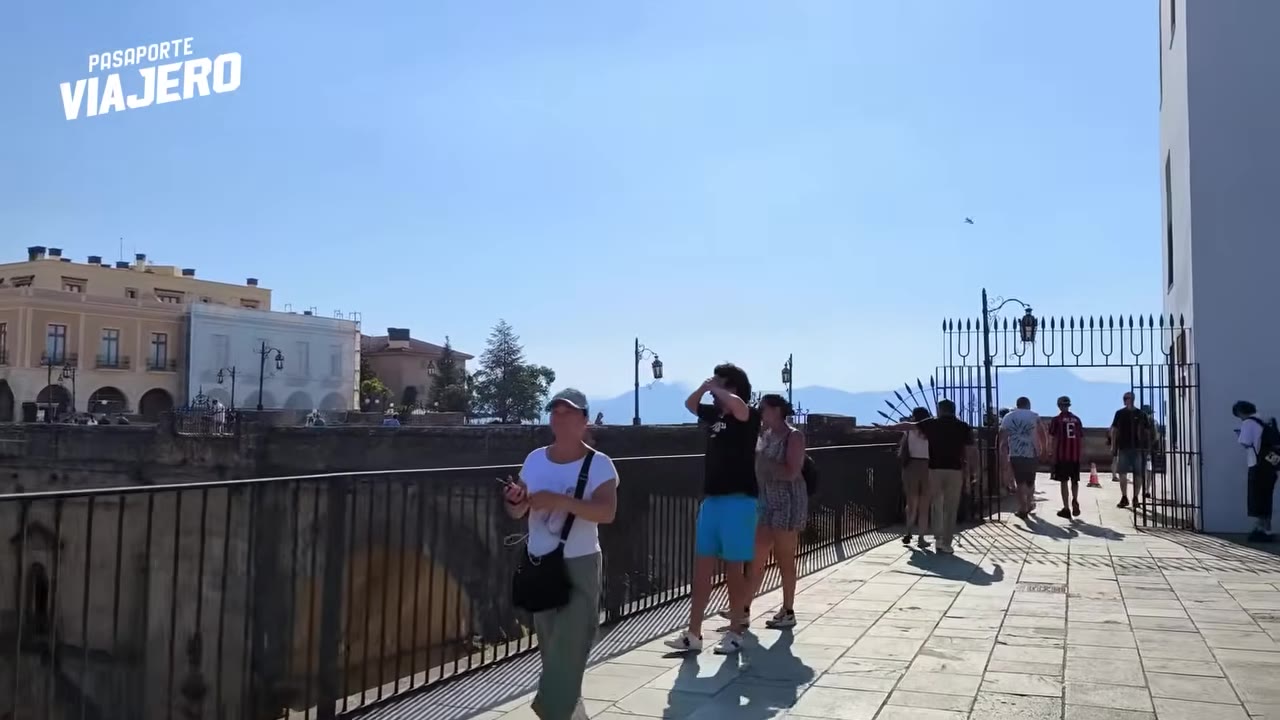
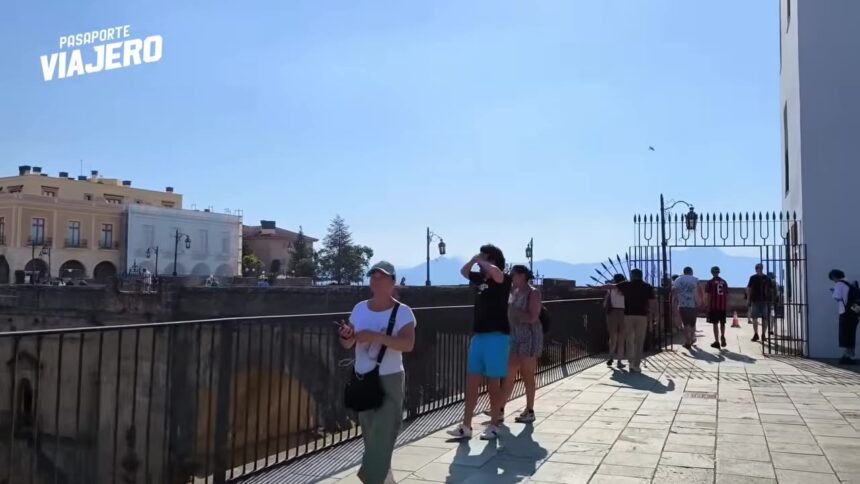
What Pasaporte Viajero’s journey shows
- The journey begins with Ronda’s signature sight: the eighteenth-century Puente Nuevo and its commanding position over El Tajo gorge.
- It moves through the historic centre, where narrow lanes, small squares and old façades reveal Ronda’s layered Roman, Islamic and Christian heritage.
- The route includes major landmarks around the old town, including the Palacio de Mondragón area, the Arab Baths and historic defensive remains.
- It visits viewpoints that look across the gorge, towards the bridge and out over the Serranía de Ronda countryside.
- The final stops underline why Ronda is more than a quick photo stop: gardens, traditional streets and the atmosphere around the bullring and Alameda gardens complete the experience.
Watch the video first for a visual introduction, then use the practical details below to make the route work for your own trip.
For a deeper visit, consider joining a local walking tour or booking a guided activity around the gorge rather than trying to rush every landmark in a few hours.
How to get to Ronda
Ronda is inland in Málaga province, high in the Andalusian mountains. Málaga is the most convenient major gateway for many international visitors, with rail, road and airport connections. From Málaga María Zambrano, Renfe operates services to Ronda; the official route page lists a departure from Málaga from 09:17 and confirms that Ronda station has ticket sales, a taxi rank, bus connections and step-free accessibility. Check the live timetable and fare before booking, as services and prices vary by date.
Driving is the most flexible option if you want to add white villages, wineries or nature walks in the Serranía de Ronda. It also makes it easier to reach the lower viewpoints and sites outside the centre. However, do not expect easy parking in the old town: book accommodation with parking if you have a car, then leave it parked and explore central Ronda on foot.
For a car-free trip, arrive by train or intercity bus and choose accommodation between Ronda station and Plaza de España. The centre is walkable, though the gorge paths and cobbled old-town streets involve hills and uneven surfaces.
Best time to visit Ronda
April to June and late September to October are the most comfortable periods for sightseeing on foot. Days are generally pleasant for walking, terraces and viewpoints, while mornings and evenings are cooler than the midday hours. Spring also brings greener scenery around the gorge and surrounding hills.
July and August can be very hot, especially in exposed plazas and on the walk down towards lower gorge viewpoints. If summer is your only option, start at Puente Nuevo early, return to your hotel or a museum during the hottest part of the afternoon, and go out again for sunset. Winter can be quieter and rewarding, but pack a warm layer: Ronda’s elevated setting can feel much cooler than the Costa del Sol.
Whenever you visit, avoid treating Ronda as a midday-only stop. The bridge area is busiest from late morning through the afternoon; an overnight stay gives you calmer streets at breakfast and much better light in the evening.
What Ronda costs in 2026
Most of Ronda’s essential pleasures cost nothing: walking across Puente Nuevo, exploring the old town, visiting the Alameda del Tajo and stopping at public viewpoints. For paid heritage sites, the municipal tourist pass can be especially useful if you plan to visit several monuments. The prices below were published by Ronda’s official tourism information in 2026; confirm opening hours before going, particularly on holidays.
| Attraction or pass | 2026 adult price | Useful detail |
|---|---|---|
| Municipal tourist pass | €12 | Includes the Puente Nuevo Interpretation Centre, Casa del Gigante, Arab Baths and Palacio de Mondragón; additional inclusions may be offered subject to availability. |
| Arab Baths | €4.50 | One of the city’s key medieval heritage sites. |
| Casa del Gigante | €2.50 | A historic Nasrid house in the old town. |
| Casa del Rey Moro gardens and mine | €10 | Includes the gardens and the steep descent associated with the water mine. |
| Desfiladero del Tajo gorge access | €5 | Official information states that children under eight are not permitted. |
| Plaza de Toros and Bullfighting Museum | €9 | Audioguide listed separately at €2. |
For current monument information and the municipal pass, use the official Ronda tourism site. It is also the best place to check seasonal opening changes.

Where to stay in Ronda
For a first visit, stay near Plaza de España, the Puente Nuevo or the pedestrian streets between the bridge and the bullring. This central zone puts the main sights, restaurants and sunset walks within easy reach, and it is ideal if you arrive without a car. Rooms with a bridge or gorge view can be memorable, but check whether the advertised view is from the room itself, a shared terrace or only selected categories.
Choose the old town, known locally as La Ciudad, if you want character, historic buildings and quieter evenings. It is especially good for travellers who value atmosphere over convenience, though luggage can be awkward on cobblestones. Stay near the station or newer town if you have an early train, want easier vehicle access or prefer a wider choice of practical restaurants and shops.
Ronda makes an excellent contrast to a coastal Andalusian break. If you are also planning beach time, compare the rhythm of this mountain town with our Algarve, Portugal travel guide; both reward an overnight stay rather than a rushed day trip.
Safety and practical tips for Ronda
Ronda is straightforward for independent visitors, but the landscape deserves respect. Wear shoes with grip: cobbles can be slippery after rain, and routes down towards the gorge can be steep. Keep well behind barriers at viewpoints and do not climb walls or railings for photographs. The views are dramatic because the drops are real.
Carry water in warm weather, particularly if you plan to visit the lower gorge access or walk beyond the centre. Bring a light jacket for evening, even after a warm day. Keep valuables close in busy bridge areas, as you would in any major tourist sight, and do not leave bags visible in a parked car.
Build in flexibility for weather. Low cloud, rain or strong wind can change the gorge views completely, while a clear morning often gives the best chance of photographs before crowds build. Ronda’s compact layout makes it easy to swap an outdoor viewpoint for the Arab Baths, Palacio de Mondragón or a long lunch.
Day-by-day (how to travel it yourself)
Day 1: arrive, bridge and sunset. Check in, then walk through Plaza de España to Puente Nuevo. Cross the bridge, visit the interpretation centre if it is open, and follow the old-town lanes towards Casa del Rey Moro and the gardens. End at Alameda del Tajo or a gorge-facing terrace for sunset. Have dinner in the centre and enjoy the streets after the tour groups have departed.
Day 2: historic Ronda and the gorge. Begin early at the Arab Baths, then walk uphill through the old quarter to Casa del Gigante and Palacio de Mondragón. After lunch, choose one paid gorge experience: the Desfiladero del Tajo access for a close perspective below the bridge, or the Casa del Rey Moro gardens and mine if you did not visit on day one. Finish at the bullring area and the viewpoints near Alameda del Tajo before departure.
If you have a third day and a car, use it for the surrounding white villages, countryside walks or a winery visit. Travellers who enjoy historic centres may also like our Pisa travel guide beyond the Leaning Tower, another destination best appreciated once you move beyond its most famous landmark.
Frequently asked questions
Is one day enough for Ronda?
One full day is enough to see Puente Nuevo, the old town and a few major monuments. One overnight stay is better because it lets you experience early morning or sunset without the busiest day-trip crowds.
Can I visit Ronda without a car?
Yes. Central Ronda is highly walkable, and Renfe connects Málaga María Zambrano with Ronda. A car is useful only if you want to explore villages, nature areas or wineries beyond town.
What is the best free thing to do in Ronda?
Walk across Puente Nuevo and continue through the old town to the viewpoints around Alameda del Tajo. The changing views over El Tajo gorge are the core Ronda experience and require no ticket.
Should I stay near Puente Nuevo or in the old town?
Stay near Puente Nuevo for the easiest first visit, restaurants and transport access. Choose the old town for quieter historic atmosphere, knowing that cobbles, slopes and limited car access can make it less convenient.
Facts and prices verified in September 2026. Travel with Influencers is an independent fan/editorial guide, not affiliated with or endorsed by the creators featured. Watch and support the original creator: Pasaporte Viajero on YouTube.