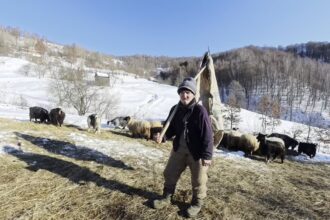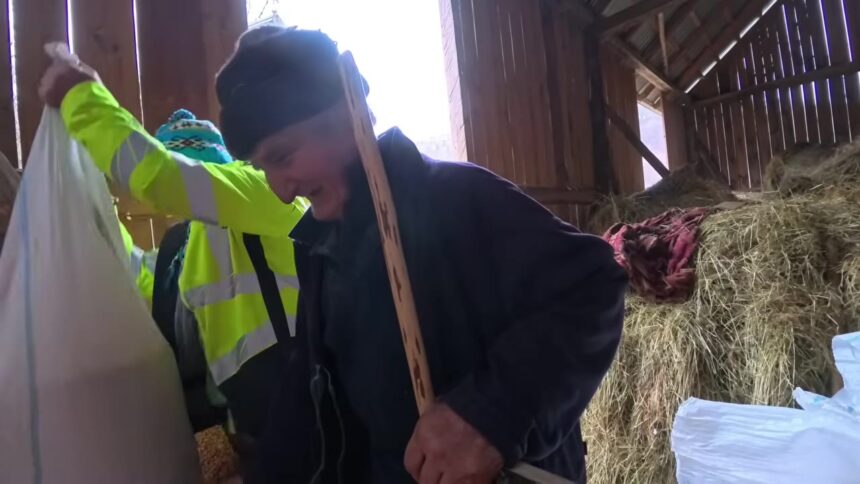
Rural Romania traditional village life is best experienced slowly, respectfully, and with time for the everyday work, faith, food, and hospitality that keep village traditions meaningful. This guide turns the feeling behind Haida in Lume’s video into a practical independent trip, centred on the living heritage landscapes of Maramureș in northern Romania. You will find realistic transport advice, a seasonal plan, verified 2026 costs, respectful cultural guidance, and a simple itinerary you can adapt.
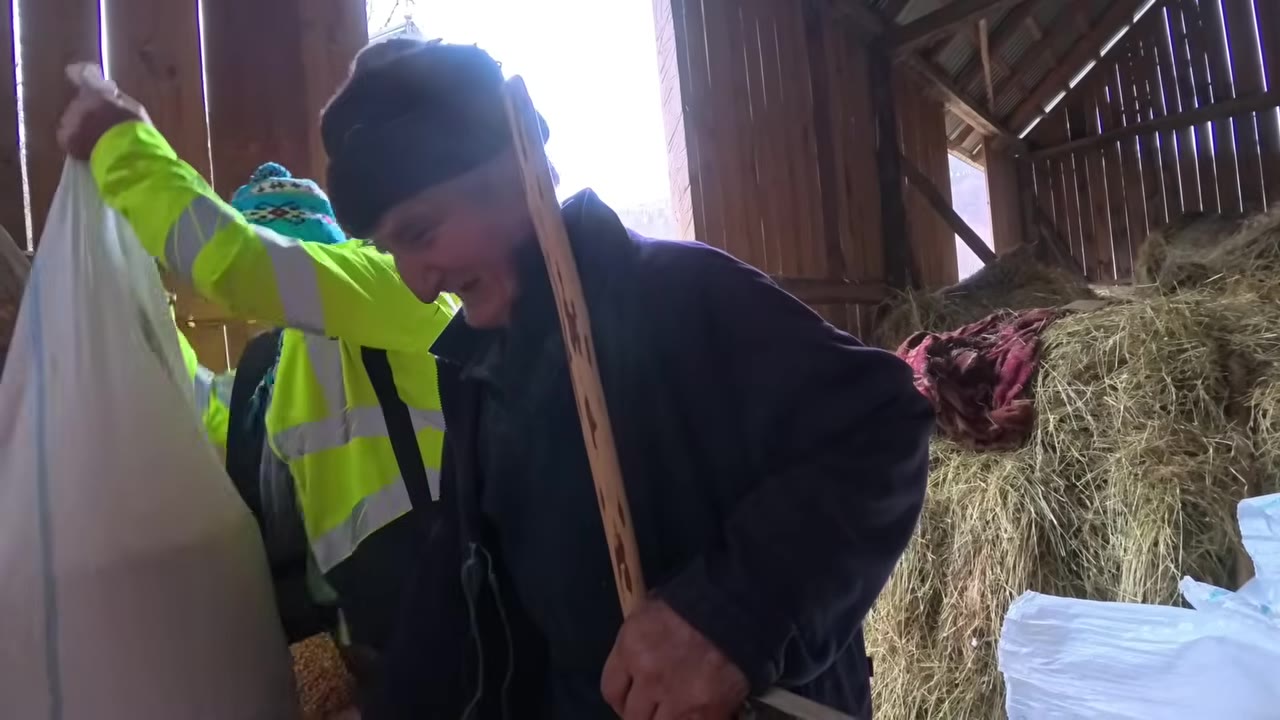
What Haida in Lume’s journey shows
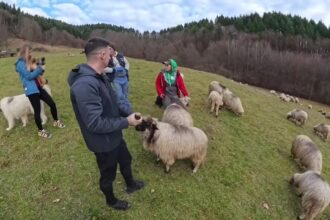
- A visit into a rural Romanian community where tradition is not presented as a performance, but as part of ordinary life.
- People travelling from afar to help Nea Leon, placing neighbourly support and shared work at the centre of the story.
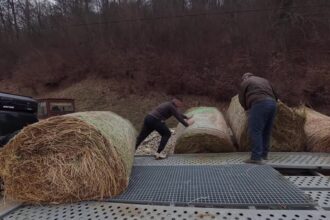
- The practical effort behind preserving an older rural custom, rather than only the finished result.
- Moments of conversation, cooperation, and food that show how community ties are maintained in villages.
- A reminder that meaningful cultural travel depends on participation by invitation, patience, and respect for the people whose lives are being filmed.
Watch the original journey here, then use the guide below to plan your own respectful rural Romania experience.
How to get to rural Romania villages
For a first trip, use Maramureș as your base rather than trying to cross the whole country. This north-western region is especially rewarding because its wooden churches, carved gates, craft traditions, hay fields, guesthouses, and active village communities can be combined in one route. Official regional tourism information highlights villages including Bârsana, Rozavlea, Botiza, Ieud, Săpânța, and Desești as places where traditional architecture and crafts remain part of the landscape.
The most flexible approach is to rent a car after arriving in a larger Romanian city, then use a village guesthouse as your base. Public transport can work for larger towns, but it is less reliable for linking scattered churches, workshops, and rural homes on the same day. If you travel by rail, Sighetu Marmației station has local ticket information, a waiting room, taxis, and public-transport connections; check the current timetable directly with CFR Călători before committing to a route.
Do not treat village roads as a race between landmarks. Leave room for wrong turns, livestock, weather, and conversations. In rural Romania, the unplanned stop at a gate, a roadside stall, or a small church can be more memorable than ticking off a long list of sights.
Best time for rural Romania traditional village life
Late spring through early autumn is the easiest period for a first visit: countryside lanes are easier to navigate, daylight is longer, and guesthouses are generally operating at full rhythm. Summer is particularly useful if you want to combine village life with the Mocănița steam train in Vișeu de Sus, which runs daily from May through October on its published 2026 schedule.
For a quieter cultural trip, choose late May, June, September, or early October. You are more likely to find a gentler pace in villages while still having access to local food, walks, and workshops. Winter can be deeply atmospheric, especially around religious holidays and seasonal customs, but it requires warmer clothing, more careful driving, and advance confirmation from every guesthouse and activity provider.
If Easter traditions are your main interest, read our Romanian Rural Traditions Easter Customs guide before planning. Remember that religious celebrations are community occasions, not tourist shows: attend only when welcome, dress modestly, and never obstruct worshippers or processions.
What rural Romania costs in 2026
Costs vary widely because many of the best village experiences are informal: a home-cooked meal, a craft demonstration, or a conversation with a host may be arranged directly rather than sold as a standard tour. The prices below are fixed public rates that were available to verify in September 2026. Ask guesthouses for the full cost of meals, activities, transfers, and any cash-only arrangements before you arrive.
| Item | 2026 price | What to know |
|---|---|---|
| Breb traditional households | Free | Visitor access is listed Monday to Saturday, 10:00 to 18:00; opening arrangements may change. |
| Mocănița Maramureș standard adult ticket | 136 lei | Return journey on the Vaser Valley railway; the operator advises buying online. |
| Mocănița Maramureș special adult package | 198 lei | Includes the train ticket plus the published food and drink package. |
The restored traditional households in Breb opened to visitors from August 24, 2026, with free access during the published visiting hours. The official Mocănița schedule lists the adult standard fare at 136 lei and the special package at 198 lei; holiday departures can have different prices.
Where to stay in rural Romania
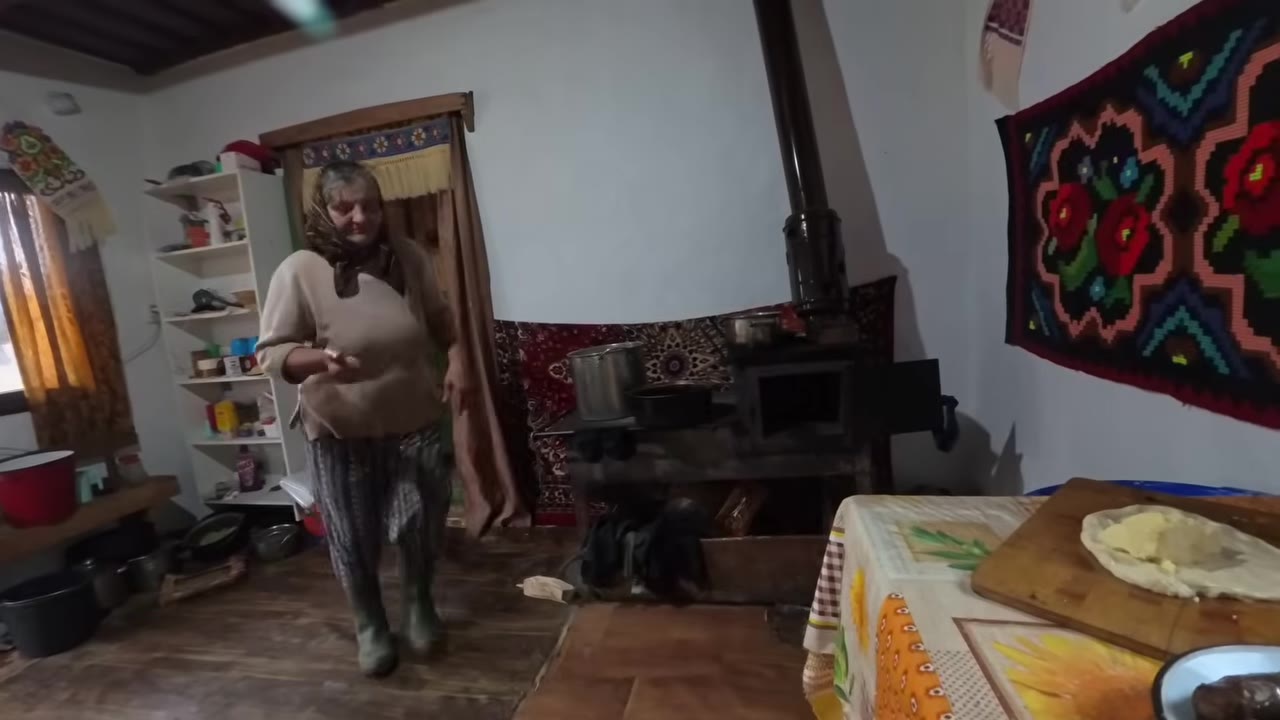
Stay in a family-run guesthouse or rural pension in one village for at least two nights. Breb is a strong choice for traditional homes and walking; Bârsana works well for access to the monastery and nearby valleys; Sighetu Marmației is more practical if you prefer town services while taking day trips into surrounding villages. The official Romania Atractivă heritage platform describes Breb as a place where visitors can encounter traditional homes, local cooking, and the slower rhythm of village life.
When choosing a stay, ask whether breakfast and dinner are home-cooked, whether the host can arrange a local guide or craft visit, and whether you need a car. A good host is more valuable than a luxury room: they can explain which church is open, whether a family can receive visitors, and how to behave appropriately at a local event.
Safety and respectful village travel tips
Rural Romania is not a theme park. Homes, gardens, barns, animals, and churches are working parts of people’s lives. Always ask before photographing people, children, interiors, livestock, religious services, or private gates. A smile and a simple “Bună ziua” go a long way; your guesthouse host can help with Romanian phrases when conversation becomes more detailed.
Carry some cash, especially outside towns, but do not assume that every informal encounter should become a transaction. If a family cooks for you, gives a demonstration, or welcomes you into a home, agree a price through your host beforehand or buy directly from them when appropriate. Dress conservatively in churches, keep noise low, and do not fly a drone above homes or religious sites without clear permission.
Drive cautiously after dark, particularly on narrow lanes. Watch for pedestrians, horse-drawn carts, farm vehicles, and animals. For more ideas on approaching living heritage thoughtfully, our Marrakech Medina travel guide also offers useful principles for visiting residential cultural spaces with care.
Day-by-day (how to travel it yourself)
Day 1: Arrive and settle into village time. Reach your Maramureș base, check into a guesthouse, take a short walk before dinner, and let your host suggest a nearby church, gate, or viewpoint. Avoid cramming in attractions on arrival day.
Day 2: Traditional homes, crafts, and wooden churches. Visit Breb’s traditional households, then continue through villages such as Desești, Bârsana, or Botiza according to your base and confirmed opening times. Choose one craft experience—woodcarving, weaving, pottery, or food preparation—rather than rushing through several. The Maramureș County Council identifies woodwork, weaving, pottery in Săcel, and traditional installations around Sârbi and Budești among the region’s continuing craft heritage.
Day 3: Community context and a memorable final experience. Spend the morning in Sighetu Marmației or on a local heritage route, then choose either another slow village visit or the Mocănița trip from Vișeu de Sus if it fits your route and reservation. Book the train in advance and treat it as a full-day activity.
For activities beyond independent exploring, choose locally led visits that pay residents fairly and make clear whether photography, meals, or workshops are included.
Frequently asked questions
Is Maramureș the best place to experience rural Romania traditional village life?
It is one of the most accessible and rewarding regions for a first trip because villages, wooden churches, crafts, guesthouses, and scenic routes can be combined in a compact itinerary. Other Romanian regions also have strong traditions, but Maramureș is especially practical for an independent cultural route.
Do I need to speak Romanian?
No, but a few basic greetings and the help of a guesthouse host will make a major difference. English is more common among younger residents and tourism providers than among older villagers, so patience and respectful communication matter.
Can I visit local families without booking?
Do not arrive unannounced expecting entry into a private home. Ask your accommodation host, local tourism office, or an approved guide to arrange a visit, especially for meals, workshops, or farming activities.
How many days do I need?
Three nights is a good minimum for a rural Maramureș trip. It gives you one arrival day, one village-and-crafts day, and one flexible day for a train journey, museum, church route, or a slower experience with your host.
Facts and prices verified in September 2026. Travel with Influencers is an independent fan/editorial guide, not affiliated with or endorsed by the creators featured. Watch and support the original creator: Haida in Lume on YouTube.