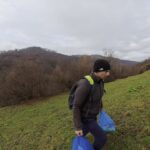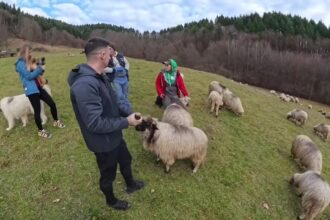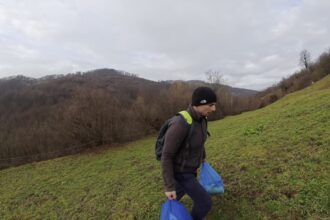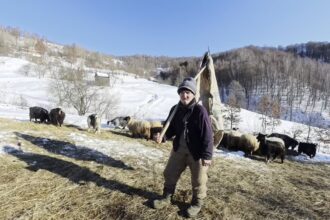
Romanian countryside traditions and rural villages are best experienced slowly: stay in a small community, follow local rhythms, and treat everyday life as something to observe respectfully rather than consume. This guide turns the atmosphere of Haida in Lume’s countryside journey into a practical trip you can plan yourself. You will find a realistic route base, the best seasons for village life, verified 2026 cultural costs, respectful visitor etiquette, and a simple three-day itinerary.
What Haida in Lume’s journey shows
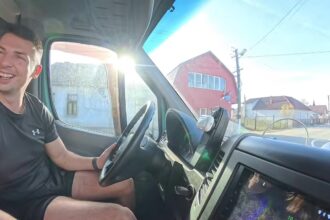
- The journey begins with an informal countryside drive, introduced through the character of Nea Leon, the driver mentioned in the video title.
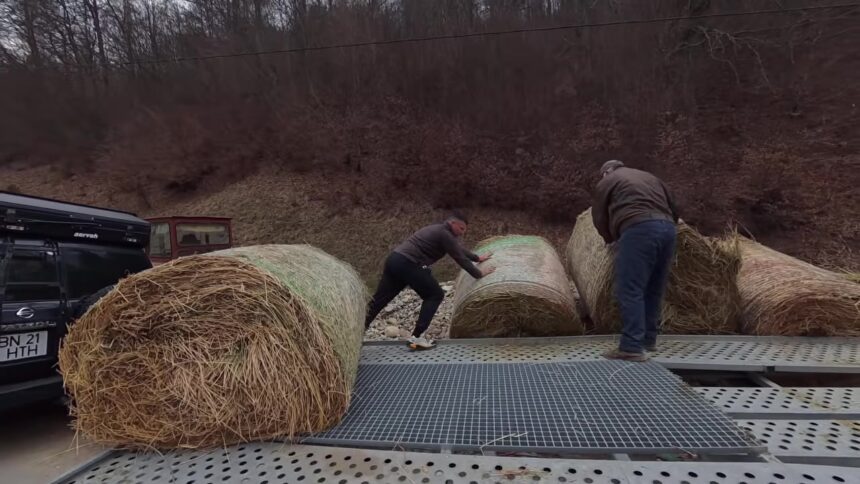
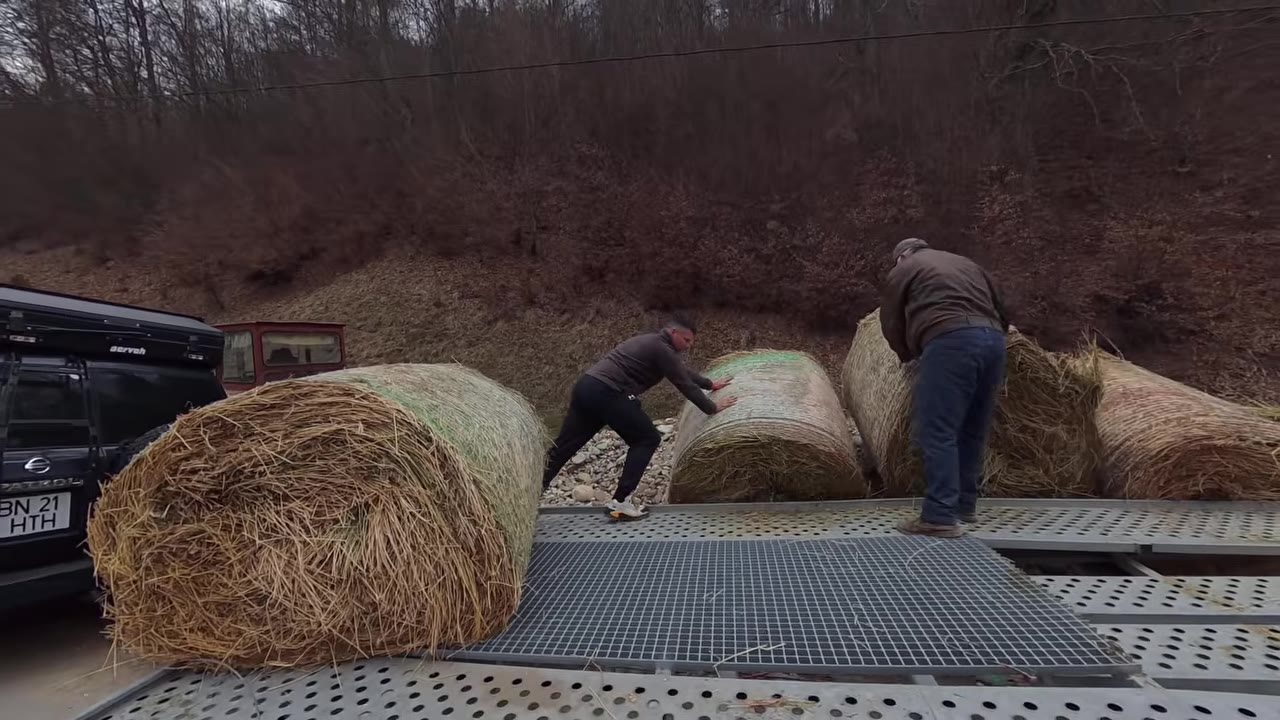
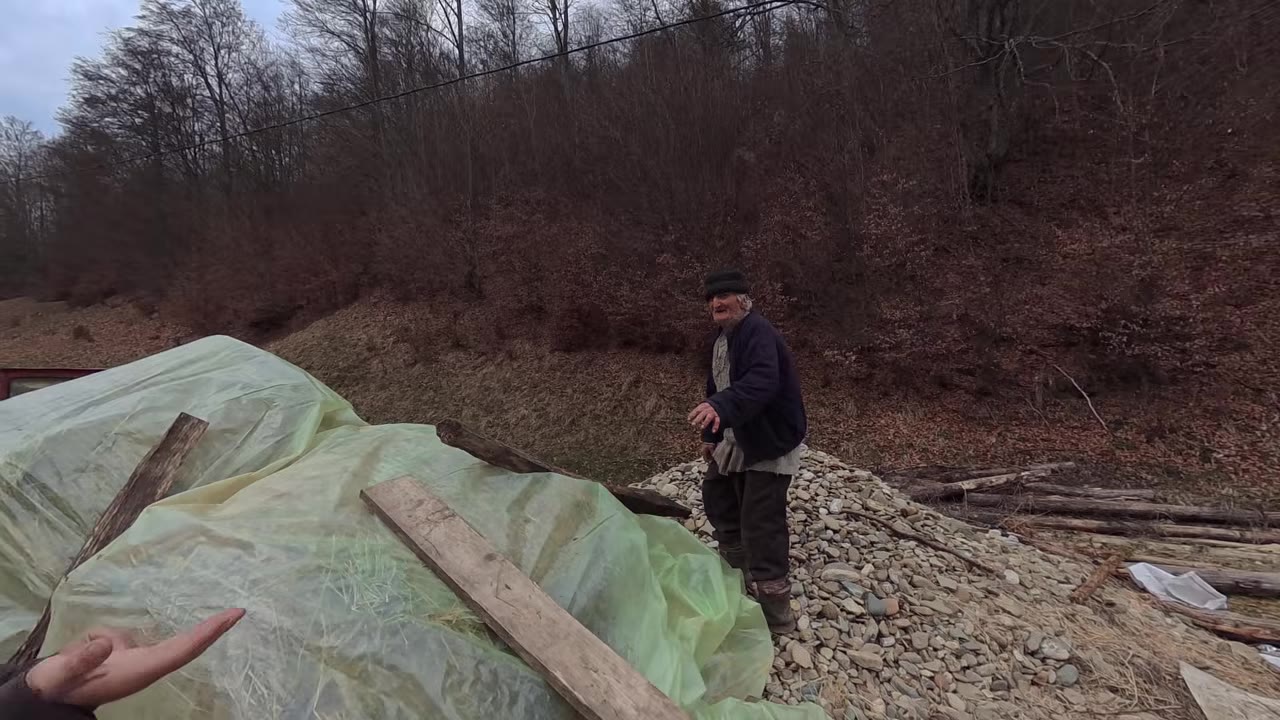
- It moves away from city-centre sightseeing and toward the roads, houses and working landscapes that shape rural Romania.
- The focus is on the feeling of traditional life: ordinary travel, local encounters and a slower pace rather than a polished attraction checklist.
- The video invites viewers to notice the human side of the countryside, where transport, conversation and daily routines are part of the experience.
- It does not identify one specific village as a complete itinerary, so use it as inspiration and choose a community where visitors are welcomed through a guesthouse, museum or local host.
Watch Haida in Lume’s original video before planning your own respectful rural route.
How to get to rural Romania
For a first trip focused on Romanian countryside traditions and rural villages, make Sibiu your base. It is a practical city for reaching the open-air ASTRA Museum, the Mărginimea Sibiului area and small settlements where village life is still visible without treating private homes as attractions.
Sibiu Airport has connections through Munich and Vienna, according to the ASTRA Museum’s visitor information. From Bucharest, CFR Călători lists Bucharest North–Sibiu services on trains 1621 and 1622; use the official booking tool shortly before travel for your exact departure, seat and fare.
Once outside Sibiu, a rental car gives the most flexibility, especially for villages and farm stays. If you prefer not to drive, arrange transfers with your accommodation or use a local guide for one day. Do not assume that a bus will connect every village at the hours you want, and do not turn up at a farm expecting a visit.
For more regional planning ideas, see our Rural Romania Guide: Village Traditions and Authentic Local Life and our Bistrița, Romania Guide: Exploring Roads and Rural Landscapes.
Best time to experience village life
Late spring through early autumn is the easiest period for a rural itinerary. May and June bring green landscapes and longer days; September and early October are especially good for cooler walking weather, produce, haystacks and the feeling of farms preparing for the next season.
Summer is best if you want heritage programming alongside countryside time. In 2026, ASTRA Museum ran its “School in the Traditional Village” programme from June 19 through August 31, with crafts and activities involving artisans. The museum also hosted traditional-costume and craft events during the year, showing why it is worth checking its calendar before fixing your dates.
Winter can be rewarding for food traditions and religious holidays, but plan it as a quieter visit with a confirmed host and flexible transport. Rural roads, daylight and services can make spontaneous detours less practical.
What it costs in 2026
Rural Romania can be good value, but accommodation, meals and private transport vary widely by village, season and whether breakfast or activities are included. Rather than quote unreliable averages, use the confirmed cultural costs below as a planning baseline and request a written total from each guesthouse or driver before booking.
| Verified 2026 cost | Price | Notes |
|---|---|---|
| ASTRA Museum adult entry | 50 lei | Open-air museum admission |
| ASTRA Museum student entry | 10 lei | For eligible pupils and students |
| ASTRA Museum Romanian-language guided tour | 150 lei per hour | Admission is separate |
| ASTRA Museum foreign-language guided tour | 250 lei per hour | Admission is separate; request in advance |
Where to stay for a respectful rural experience
Choose two nights in Sibiu if you want restaurants, easier arrivals and day trips, or book a family-run rural guesthouse for a more immersive stay. The best rural properties are not necessarily the most isolated: look for clear directions, dinner or breakfast by prior arrangement, a host who is comfortable communicating with visitors, and a realistic plan for arrival after dark.
Ask before booking whether meals are available, whether card payments are accepted, whether there are dogs on the property, and whether the host can arrange a village walk, craft demonstration or farm visit. A paid, pre-arranged activity is more respectful than asking a neighbour to open their home for free.
If you want an additional heritage-focused route before choosing a base, read Authentic Rural Romania: Village Life, Traditions and Local Encounters.
Activities, etiquette and essential village tips
Begin at the ASTRA Museum in Dumbrava Sibiului. Its open-air setting provides useful context for regional homes, watermills, workshops and vernacular architecture before you enter living communities. The museum is open year-round; its official off-season information lists shorter hours, so check the current programme and special-event rules before travel.
Then spend time in one or two villages, not six. Walk public lanes, buy food from a legitimate local business, visit a church only when access is permitted, and allow conversations to happen naturally. If someone is working, feeding animals, harvesting or repairing a gate, that is their day—not a performance.
- Ask before photographing people, homes, animals, tools, gardens or religious services.
- Dress modestly for churches and keep voices low near homes, cemeteries and livestock.
- Never enter a yard, field, barn or orchard without a direct invitation.
- Carry cash in lei for small purchases, but confirm payment methods with hosts in advance.
- Use sturdy shoes, a light rain layer and offline maps; countryside walks can be muddy even after a short shower.
For crafts, food experiences or guided cultural activities, book through your guesthouse, museum or a clearly identified local provider. This keeps expectations clear and gives hosts the choice to be paid for their time and knowledge.
Day-by-day (how to travel it yourself)
Day 1: Arrive in Sibiu and learn the context. Settle into Sibiu, then visit ASTRA Museum in the afternoon. Give yourself several unhurried hours: this is not a museum to race through. Notice how houses, workshops, mills and household spaces relate to work and landscape. Book a guide if you want deeper interpretation.
Day 2: Village day in Mărginimea Sibiului. Arrange transport with your accommodation or rent a car. Choose one or two villages, such as Rășinari and Sibiel, and keep the day simple: a public walk, a pre-arranged lunch or dinner, and one confirmed cultural stop. Ask your host what is appropriate that day rather than demanding a particular custom.
Day 3: Slow morning and onward travel. Enjoy breakfast at your guesthouse, buy a locally made food product only where it is offered for sale, and leave time for the return to Sibiu or the station. If travelling by rail, buy through CFR Călători’s official online system and allow a buffer for the journey back from the village.
Frequently asked questions
Can I visit Romanian villages without a guide?
Yes, especially if you stay in a guesthouse and explore public areas respectfully. A guide is useful when you want a craft workshop, farm visit or conversations that need local introductions.
What is the most respectful way to see rural traditions?
Stay overnight, spend money locally, ask permission before taking photographs, and accept that daily life may not match a visitor’s timetable or expectations.
Is Sibiu a good base for Romanian countryside traditions and rural villages?
Yes. It combines a well-connected city base with access to ASTRA Museum and nearby rural communities, making it easier to plan a short cultural trip without rushing.
Should I visit during a festival?
A festival can add craft demonstrations and food, but it is not essential. For a more grounded experience, pair one scheduled event with time in a village guesthouse and keep your plans flexible.
Facts and prices verified in October 2026. Travel with Influencers is an independent fan/editorial guide, not affiliated with or endorsed by the creators featured. Watch and support the original creator: Haida in Lume on YouTube.