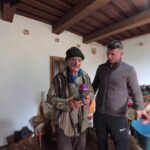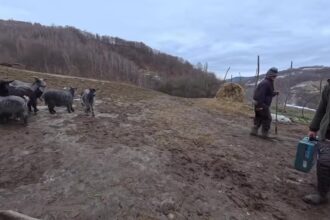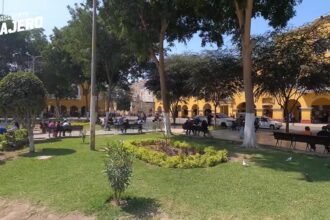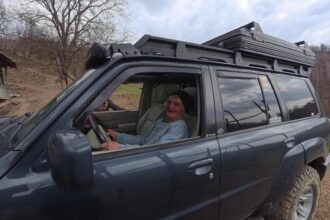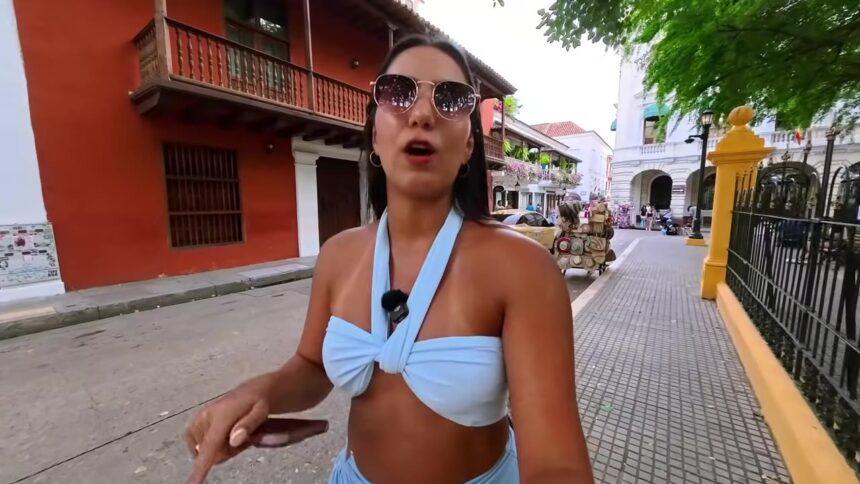
A Choroní Venezuela travel guide is best approached as a slow, beach-and-village escape rather than a rushed day trip: stay in the area, explore Puerto Colombia, and leave time for a boat trip to the wilder coves. This small Caribbean-facing destination combines colorful colonial streets, mountain scenery and beaches reached from the waterfront. Below, you will find the practical details that a video cannot always cover: getting there, realistic 2026 accommodation costs, where to base yourself, safety considerations and a simple itinerary you can repeat.
What Viajando con Vero’s journey shows
- Arrival in Choroní and an introduction to the town’s colorful streets, local atmosphere and coastal setting.
- A walk through Puerto Colombia, the seafront area where fishing boats, beach life and departures by boat come together.
- Time at Playa Grande, the closest major beach for a straightforward swim-and-relax day.
- A boat journey to Cepe, showing why the beaches beyond Choroní feel more remote and deserve a full day rather than a quick stop.
- Further exploration of Chuao and Valle Seco, combining Caribbean scenery with communities and landscapes that are less visible from the road.
Watch Viajando con Vero’s journey before planning your own route.
How to get to Choroní
Choroní is on Venezuela’s Caribbean coast in Aragua state, beyond the forested Henri Pittier National Park. The usual overland approach is from Maracay, following the mountain road through the park to Choroní and Puerto Colombia. The road is scenic but winding, and conditions can change after heavy rain, landslides or maintenance work. Authorities reopened the Choroní–Puerto Colombia route following the June 2026 earthquake emergency, but do not treat that as a guarantee of uninterrupted access: confirm the road status with your accommodation on the day you travel.
For independent travelers, the most practical plan is to arrange a trusted private transfer or travel with a reliable local contact from Maracay. Avoid arriving after dark, allow flexibility in your schedule and do not rely on a tight onward connection. Once in town, Choroní and Puerto Colombia are close enough to use as one destination, while Cepe, Chuao and other coastal communities are generally reached by boat from the Puerto Colombia waterfront.
International visitors should settle entry requirements before departure. The U.S. Department of State states that U.S. citizens need a valid Venezuelan visa before arrival and that visas are not available on arrival.
Best time to visit Choroní
For the clearest logistics, choose a period when the mountain road and sea conditions are most likely to be manageable, and keep your plans flexible rather than booking a single non-refundable night. Venezuela has broadly defined dry and wet periods, but weather along this tropical coast can vary sharply between the beach, the mountain road and the forest. Rain can make the drive slower and can affect boat departures.
Weekdays are the better choice if you want a quieter base in Puerto Colombia and more space on Playa Grande. Weekends, public holidays and the San Juan celebrations around June 24 can bring a much livelier local atmosphere, but accommodation and transport should be arranged earlier. If your priority is Cepe or Chuao, reserve two or more nights in Choroní so a weather-related change does not erase your only boat day.
What Choroní costs in 2026
Prices in Choroní are often quoted in U.S. dollars while payment may be requested in bolívares at the day’s exchange rate. Treat boat fares, meals and local transport as prices to confirm directly before committing, particularly when fuel, weather or group size affects the cost. The accommodation figures below are published directly by local properties and were available when checked in September 2026.
| Item | Verified 2026 price | Notes |
|---|---|---|
| Cachama Negra room for 2, low season | US$30 per room, per night | Published as valid from March 6, 2026; weekend bookings may require a two-night minimum. |
| Cachama Negra room for 2, high season | US$38 per room, per night | Property publishes payment in bolívares at the Banco Central de Venezuela day rate. |
| Posada Junto al Mar double room | From US$40 per night | For 1–2 guests in Puerto Colombia. |
| Posada Junto al Mar triple room | From US$60 per night | For up to 3 guests. |
| Posada Junto al Mar quadruple room | From US$80 per night | For up to 4 guests. |
Published room rates can change, so ask for the all-in total, payment currency, breakfast details, generator or backup-water arrangements, and cancellation conditions in writing before sending a deposit. The published 2026 prices above come from Cachama Negra and Posada Junto al Mar.
Where to stay in Choroní
Choose your base according to the trip you want. Stay in Choroní village if colonial architecture, quieter evenings and a more residential feel matter most. Stay in Puerto Colombia if you want to be close to the malecón, restaurants, Playa Grande and the morning boat departure point. For a first visit, Puerto Colombia is usually the simplest option because it reduces the friction around beach days and boat logistics.
Do not assume every property has the same level of electricity, mobile signal, Wi-Fi, air conditioning or water storage. Confirm these essentials directly, especially if you work remotely or are travelling with children. A small posada with responsive hosts can be more useful than a larger-looking property with unclear communication.
Beaches, boats and activities
Start locally at Playa Grande, then use Puerto Colombia as the launching point for the coast beyond town. Cepe is a natural next step for travelers who want a classic Caribbean beach day with a more isolated feel. Chuao adds cultural interest: it is known for its cocoa-growing heritage, and the visit is most rewarding when you arrive with enough time to respect the community rather than treating it as a brief photo stop.
Agree the destination, return time, passenger count, weather fallback plan and total fare with the boat operator before leaving the shore. Ask whether life jackets are provided and worn, and do not pressure an operator to depart in unsafe sea conditions. Bring drinking water, sun protection, a dry bag and enough cash for the day; card acceptance should not be assumed outside larger urban areas.
For another Venezuelan beach destination with a different island-and-cay character, see our Morrocoy National Park guide. Travelers building a wider Caribbean coast itinerary may also find our Santa Marta travel guide useful for comparison.
Safety and practical tips
Safety must be part of the decision to visit Choroní, not an afterthought. As of September 2026, the U.S. Department of State advises travelers to reconsider travel to Venezuela and specifically lists Aragua state outside Maracay among areas Americans should not visit because of crime and kidnapping risk. It also notes limited U.S. consular support outside Caracas.
If you decide to travel despite that guidance, use a trusted local host or driver, travel in daylight, keep valuables out of sight, carry copies of important documents and arrange medical insurance that includes evacuation. Tell someone your route and expected check-in time, keep a charged power bank, and avoid isolated walks after dark. The UK government also warns that the wider political and security situation remains uncertain and that checkpoints are common.
Day-by-day (how to travel it yourself)
Day 1: Arrive and settle in. Travel to Choroní or Puerto Colombia in daylight, check into your posada, walk the waterfront and have an early night. Use the evening to confirm the next day’s boat, weather and meeting point.
Day 2: Playa Grande and Puerto Colombia. Spend the morning on Playa Grande, then return to Puerto Colombia for lunch and a slow walk along the malecón. This is the right day to understand the local layout without depending on a boat schedule.
Day 3: Cepe or Chuao by boat. Leave early with a confirmed operator. Choose Cepe for a beach-centered day, or Chuao if you want to pair the coast with local cocoa culture. Return before dark and keep the evening free in case the sea delays your schedule.
Day 4: Flexible departure day. Leave room for a final beach swim, breakfast in town or a postponed boat trip before returning over the Henri Pittier road. If you have only two nights, combine Days 1 and 2, then make Day 3 your boat day.
Frequently asked questions
Is Choroní worth visiting?
Yes, for travelers who value a mix of Caribbean beaches, a lived-in coastal town and access to more remote coves by boat. It is not a destination for a rigid, luxury-resort-style itinerary.
Can you visit Cepe and Chuao from Choroní?
Yes. Puerto Colombia is the practical departure point for boat trips, but sea conditions, operator availability and local circumstances determine whether a trip can run on a given day.
Should I stay in Choroní village or Puerto Colombia?
Choose Choroní village for its historic-town feel and Puerto Colombia for easier access to Playa Grande, the waterfront and boats. Puerto Colombia is usually more convenient for a short first visit.
Is Choroní safe for foreign travelers in 2026?
Travel carries serious risks. Check your government’s latest advice before booking, arrange trusted local transport, avoid night travel and ensure you have a realistic emergency and communication plan.
Facts and prices verified in September 2026. Travel with Influencers is an independent fan/editorial guide, not affiliated with or endorsed by the creators featured. Watch and support the original creator: Viajando con Vero on YouTube.