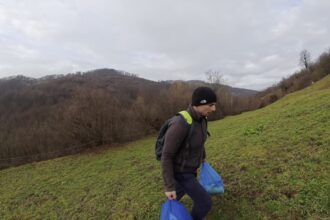
This Italy supermarket prices and grocery shopping guide helps you shop like a local, from choosing the right store to understanding labels, fresh-food counters and checkout habits. Grocery shopping in Italy can be one of the most useful parts of a self-catered trip: it keeps daily costs manageable and introduces you to regional cheese, pasta, bread, olive oil and seasonal produce. Below, you will find the supermarket formats to look for, realistic sample prices, practical shopping etiquette and a simple itinerary for building a first Italian grocery shop.

What Gabriel Herrera’s journey shows
- Gabriel Herrera and his companions begin with a full grocery run while temporarily living in Tuscany.
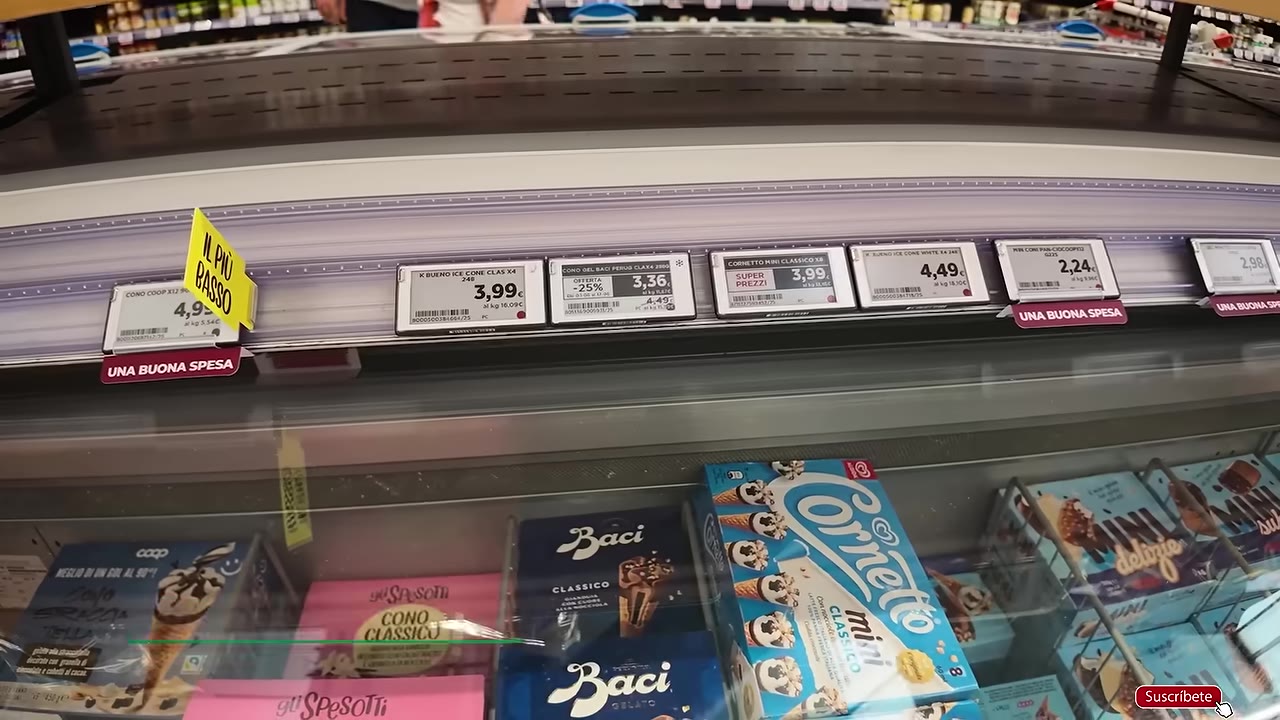
- They walk through an Italian supermarket and compare familiar everyday items with products that feel different from shopping at home.
- The visit highlights local food choices, including the appeal of Italian staples and regional ingredients.
- They pay close attention to supermarket prices and the practical decisions behind filling a cart for daily life.
- The shop becomes a reminder that small local routines, including checkout and buying the right quantities, can take adjustment when you are new to Italy.
Watch Gabriel Herrera’s supermarket visit before planning your own Italian grocery run.
How to find supermarkets in Italy
You do not need a car to buy basics in most Italian cities. Start by searching maps for supermercato, then check the walk from your accommodation before arriving. In city centres, you may find a compact Carrefour, Conad, Pam, Coop, Despar or local alimentari rather than a large out-of-town store. Larger shops are more likely near residential districts, retail parks and railway-adjacent neighbourhoods.
For a short stay, buy breakfast supplies, fruit, water, picnic ingredients and snacks near your hotel or apartment. For a week in Tuscany, Puglia or another rural area, a rental car makes a larger supermarket easier to reach and gives you room for bulkier purchases such as water, olive oil and cleaning supplies. Italy’s official tourism site notes that rail connections cover major cities and many smaller towns, but local transport is not always practical for a heavy grocery haul.
It is worth knowing the vocabulary: cassa means checkout, scontrino is the receipt, offerta means promotion, reparto is a department and carta fedeltà is a loyalty card. A discounted shelf label may show a members-only price, so confirm the ordinary price before deciding an item is a bargain.
Best time for grocery shopping in Italy
Shop in the late morning or early afternoon on a weekday if you want a calmer experience. Supermarkets in larger cities often run continuous hours, while smaller independent food shops may still observe a lunch closure. Opening times vary substantially by region, season and individual branch, particularly on Sundays and public holidays, so always check the store’s official listing on the day you plan to go.
For the best choice at bakery, deli and produce counters, go earlier in the day. For marked-down fresh food, try the final hours before closing, but do not rely on it during busy summer weeks or around holidays. If you are staying in Florence, Rome, Milan or Venice, avoid doing your first large shop immediately after arriving: jet lag, luggage and unfamiliar packaging make a short essentials run much easier.
What groceries cost in Italy in 2026
Prices vary by city, neighbourhood, store format, brand and promotion. The examples below are individual online supermarket listings checked in September 2026, not a national average or a promise of what every branch will charge. They are useful for setting a basic budget and for comparing own-brand items with international labels.
| Item | Pack size | Verified listed price |
|---|---|---|
| Barilla Spaghetti No. 5 | 500 g | €0.99 |
| Coop UHT semi-skimmed milk | 1 litre | €0.79 |
| Coop mozzarella | 500 g | €2.89 |
| Coop ground coffee for moka | 250 g | €2.69 |
| Coop still water | 5 litres | €1.09 |
Carrefour listed Barilla Spaghetti No. 5 at €0.99 for 500 grams. Coop’s online catalogue listed semi-skimmed UHT milk at €0.79 per litre, mozzarella at €2.89 for 500 grams, ground moka coffee at €2.69 for 250 grams and still water at €1.09 for five litres.
To spend less, compare the unit price shown as €/kg or €/l, not just the sticker price. Store-brand pantry goods can be excellent value, while imported products, single portions and convenience foods usually cost more. Fresh produce is often priced by weight; use the scale and print a label where required, or ask before placing loose fruit and vegetables in your bag.
Where to stay for easy food shopping
Choose an apartment, aparthotel or hotel within a five- to ten-minute walk of a supermarket if you want to prepare even one meal a day. In Florence, Bologna, Rome and Milan, residential areas just outside the historic core often offer better access to full-size grocery stores than the most tourist-heavy streets. In Tuscany, staying close to a town centre is particularly helpful if you do not have a car.
For a city break, a room with a mini-fridge is enough for yogurt, fruit, cheese and drinks. For a longer stay, prioritize a kitchenette, basic cookware and a nearby supermarket over a large hotel breakfast. Travelers combining a food-focused Tuscany stay with medieval sightseeing can also use our Siena travel guide to plan the wider trip.
Smart shopping habits, food safety and local tips
Bring a reusable bag. Italian supermarkets may sell bags at checkout, but a foldable tote is easier and avoids the last-minute scramble. Keep produce separate until it has been weighed, watch for queues at deli counters and take a numbered ticket if a dispenser is present. When ordering from a counter, a simple “due etti, per favore” means “200 grams, please.”
Use card payment where accepted, but keep a small amount of cash for markets and independent shops. Review the receipt before leaving if you have used a promotion or weighed produce. For food safety, respect chilled storage: take dairy, meat and frozen food home promptly, especially in summer, and do not leave groceries in a parked car.
A supermarket is also a good place to shop for edible souvenirs, but check airline and customs rules before taking food home. Olive oil, vacuum-packed cheese, pasta, biscuits and sealed coffee travel more easily than fresh products. If your trip includes Milan, pair practical supermarket shopping with our Milan travel guide; for designer purchases, see our Italy luxury outlet shopping guide. A local market walk or hands-on cooking class can add useful context to the ingredients you buy.
Day-by-day (how to travel it yourself)
Day 1: Do an essentials shop. Buy water, breakfast items, fruit, bread, coffee, pasta, tomato sauce and a few snacks close to your accommodation. Keep it small until you understand your kitchen and storage space.
Day 2: Visit a market or deli. Buy one regional cheese, seasonal vegetables and bread from a local bakery. Compare this experience with the supermarket’s packaged selection, then cook a simple pasta dinner.
Day 3: Build a picnic. Pick up focaccia, fruit, cheese, cured meat or a vegetarian alternative, and drinks for a train ride, beach day or city park lunch. In warm weather, buy only what you can safely eat that day.
Day 4: Stock up thoughtfully. If moving onward, buy portable gifts such as dry pasta, coffee or packaged biscuits. Leave refrigerated items for your final meals rather than trying to transport them between hotels.
Frequently asked questions
Are supermarkets cheaper than eating out in Italy?
Usually, yes. Preparing breakfast, picnic lunches or a few apartment dinners can reduce daily food spending, although Italy’s bars and casual restaurants can still offer good-value meals.
Do Italian supermarkets provide bags?
Most sell reusable or disposable bags at checkout, but bringing your own is simpler and more sustainable.
Can I drink tap water in Italy?
Tap water is generally supplied as potable water in Italian towns and cities, but ask your accommodation host if you are uncertain about a particular building or rural property.
Which Italian supermarket is best for tourists?
The best choice is normally the closest well-stocked store. Coop, Conad, Carrefour, Pam and regional chains can all work well; compare opening hours, produce quality and unit prices rather than chasing one brand.
Facts and prices verified in September 2026. Travel with Influencers is an independent fan/editorial guide, not affiliated with or endorsed by the creators featured. Watch and support the original creator: Gabriel Herrera on YouTube.