

A successful Lake Oeschinen Switzerland travel guide starts with one decision: reserve an early cable-car time slot and treat the lake as a mountain outing, not a quick roadside stop. This extraordinary turquoise lake above Kandersteg is easy to reach once you understand the last-mile walk, seasonal operations and limited parking. Below, find Gabriel Herrera’s honest travel inspiration followed by the practical details needed to plan a calmer, safer and more replicable visit in 2026.
What Gabriel Herrera’s journey shows
- The journey begins with the promise of an iconic Swiss alpine lake near Kandersteg, a destination that can look simple on a map but requires real planning.
- It follows the approach into the Oeschinen area, where transport timing, crowds and mountain conditions quickly shape the day.
- The visit highlights the contrast between Lake Oeschinen’s dramatic scenery and the practical frustrations that can arise when expectations, weather or logistics do not align.
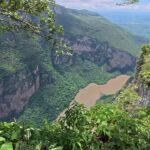
- Time at and around the lake shows why the viewpoint, shoreline and surrounding peaks are so memorable when conditions cooperate.
- Most importantly, the experience is a useful reminder to build flexibility into an alpine itinerary rather than assuming every visit will be effortless.
Watch Gabriel Herrera’s Lake Oeschinen journey before planning your own route:
How to get to Lake Oeschinen
Lake Oeschinen sits above the village of Kandersteg in the Bernese Oberland. The simplest car-free route is to take the train to Kandersteg, then walk around 10 to 15 minutes from the station to the Oeschinen cable-car valley station. Kandersteg is connected by rail from both Spiez and Brig; check the live timetable before departure, particularly if you are travelling with a tight connection.
From the valley station, the cable car brings visitors uphill. It is not the end of the journey: the lake itself is reached on foot. The direct, wide route from the mountain station takes about 20 to 25 minutes and is suitable for strollers; allow longer if you are moving slowly, carrying a picnic or travelling with children. The scenic panorama path takes roughly 35 minutes.
Driving is possible, but it is the option most likely to complicate the day. Parking at the valley station is limited, especially on summer weekends, and the operator advises visitors to arrive before 10:00 a.m. A cable-car time slot does not itself reserve a parking space. Vehicles longer than 5 metres or higher than 2 metres cannot use the valley-station parking.
For a wider Swiss rail-and-mountain itinerary, it is worth comparing how much you will use trains before choosing a pass. For everyday food budgeting once you arrive, see our Switzerland supermarket guide.
Best time to visit Lake Oeschinen
For the classic hiking-and-lake experience, aim for late spring through early autumn. In 2026, the cable car’s main summer operation ran daily from May 9 to September 20, from 8:30 a.m. to 6:00 p.m.; autumn operation continued daily from September 21 to November 8, from 8:30 a.m. to 5:00 p.m. Seasonal dates and mountain weather can change, so review the official operating status shortly before travel.
June brings greener slopes and lingering snow on high peaks. July and August generally offer the fullest summer atmosphere, but also the greatest pressure on parking and cable-car availability. September is often an excellent compromise: cooler hiking weather, autumn colour beginning in the valley and fewer family-holiday crowds. Go on a weekday if possible, take the first available ascent, and do not plan a major hike after the final descent window.
Cloud, rain and wind can change the experience dramatically. If the forecast is poor, keep Lake Oeschinen flexible within a multi-day stay in Kandersteg rather than sacrificing the only clear day of your trip. This is mountain travel: the lake’s colour, visibility and boat operations are all weather-dependent.
What Lake Oeschinen costs in 2026
Costs below are official 2026 prices in Swiss francs for the key access expenses. They cover the Oeschinen cable car from the valley station, not your train fare to Kandersteg, meals or accommodation. The operator uses time-slot ticketing during the summer season, so booking ahead is the practical choice rather than an optional extra.
| Item | 2026 price | Validity / note |
|---|---|---|
| Adult cable car return | CHF 36.00 | May 9–June 14 and September 22–November 9 |
| Adult cable car return | CHF 40.00 | June 15–September 21 |
| Adult return with Swiss Travel Pass, GA or Half Fare | CHF 18.50 | May 9–June 14 and September 22–November 9 |
| Adult return with Swiss Travel Pass, GA or Half Fare | CHF 22.50 | June 15–September 21 |
| Child cable car return | CHF 18.50 or CHF 22.50 | Matches the relevant seasonal period |
| Premium parking reservation | CHF 10.00 | Available with qualifying early cable-car bookings; enter by 9:30 a.m. |
Children under 6 travel free on the cable car. The Berner Oberland Pass is not accepted on the Oeschinen cable car in 2026, so do not assume that every regional pass covers this ascent.
What to do once you arrive
Start at the shore and give yourself time to absorb the setting rather than rushing immediately into a long trail. A short lakeside walk is the low-effort option. Confident hikers can continue toward Läger and Oberbärgli, but these are mountain trails: the official route from Läger to Oberbärgli is estimated at 1 hour 15 minutes and requires proper footwear and mountain experience.
Rowing boats are a memorable fair-weather activity; the operator notes that a circuit of the lake takes about an hour depending on wind and fitness. The mountain coaster near the upper station also operates only in suitable weather. Check the live status on the morning of your visit rather than building either activity into an inflexible schedule.
Where to stay near Lake Oeschinen
Stay in Kandersteg if Lake Oeschinen is your priority. It lets you catch an early train or walk to the cable car before day-trippers arrive, and it gives you a weather buffer if your first attempt is rainy. The official on-mountain option, Chalet Arva, has six double rooms with bathrooms and lake views; book far ahead if you specifically want to sleep above the valley.
For more choice, stay in Kandersteg village and use the lake as a full-day excursion. This is the best fit for families, visitors relying on trains and travellers who prefer a dependable breakfast and an easy backup plan. If your trip also includes cities and beaches, our Barcelona travel guide is a useful contrast to the slower pace and stricter planning needed in the Swiss Alps.
Safety and mistakes to avoid
The most common mistake is underestimating the mountain setting. Wear shoes with grip, bring a waterproof layer even on a bright morning, carry water and keep enough time for the walk back to the mountain station. Do not follow unofficial shortcuts or cross barriers: the area includes monitored hazard and protection zones.
Reserve your ascent slot online, especially in summer. On peak days, the operator says on-site availability is most likely before 9:00 a.m. or after 1:00 p.m. Early arrivals also improve your chance of finding parking and enjoying the lake before the busiest period.
Respect the rules that protect the landscape. Drones and cycling are prohibited in the Oeschinensee area. Wild camping, bivouacking and overnight stays in hammocks are also prohibited; use legal accommodation or the official campsite in Kandersteg instead. In an emergency, call Swiss air-rescue service Rega on 1414.
Day-by-day (how to travel it yourself)
Day 1: Arrive in Kandersteg. Check into your village hotel, walk the compact centre, buy picnic supplies, confirm the following day’s weather and reserve the earliest practical cable-car ascent.
Day 2: Lake Oeschinen. Walk or take the train to Kandersteg, reach the valley station early, take the cable car and follow the direct route to the lake. Spend the morning at the shore, then choose either a rowing boat if conditions allow or the panorama path for higher views. Have lunch at the lakeside restaurant or from your picnic, return to the mountain station with time to spare, and descend well before the last lift.
Day 3: Keep a weather buffer. If your Lake Oeschinen day was cloudy or rainy, use this day for a second attempt. If it was clear, choose another Kandersteg walk or continue by train toward your next Swiss destination. Building in this spare day is the most reliable way to avoid the disappointment of a one-shot alpine itinerary.
Frequently asked questions
Do I need to book the Lake Oeschinen cable car?
Yes, booking online is strongly recommended. Time slots are required during the summer season, while same-day tickets at machines depend on availability.
Can I drive all the way to Lake Oeschinen?
No. The private road to the lake is closed to motorized traffic. Drive or travel by train to Kandersteg, use the cable car or hike, then continue on foot from the upper station.
Is Lake Oeschinen suitable for children and strollers?
Yes, the direct route from the mountain station is a wide path suitable for strollers, but allow around 20 to 25 minutes each way and prepare for changing mountain weather.
Can I camp beside Lake Oeschinen?
No. Wild camping, bivouacking, tents, hammocks and sleeping outdoors are prohibited in the Oeschinensee area. Use accommodation in Kandersteg or a legal campsite instead.
Facts and prices verified in September 2026. Travel with Influencers is an independent fan/editorial guide, not affiliated with or endorsed by the creators featured. Watch and support the original creator: Gabriel Herrera on YouTube.