This hidden island of Gozo Malta travel guide shows how to turn Malta’s quieter sister island into an easy, memorable two-day escape. Gozo is the place to come for clear-water swims, limestone cliffs, red-sand beaches and village life at a slower pace than Malta’s main island. Below, you will find the practical details Michelle Thielen’s beach-focused video does not cover: which ferry to take, when to visit, verified 2026 transport and admission costs, where to base yourself and a route you can follow independently.

What Michelle Thielen’s journey shows
- A first impression of Gozo as a Mediterranean island escape rather than an extension of busy Malta.
- The journey’s focus on exceptionally clear blue water and the pleasure of a slow beach day.
- Rocky coastline and sheltered swimming spots that give Gozo its more natural, less built-up character.
- Time spent enjoying the sea itself, not simply ticking off historic landmarks.
- A useful reminder that Gozo works best when you combine one beautiful bay with a few inland stops rather than rushing around the whole island.
Watch Michelle Thielen’s original Gozo journey here, then use the plan below to make the island your own.
How to get to Gozo from Malta
Most travellers reach Gozo by the conventional Gozo Channel ferry from Ċirkewwa, at Malta’s northern tip, to Mġarr Harbour. The crossing takes about 25 minutes, runs year-round subject to weather and operational conditions, and carries both foot passengers and vehicles. From Malta International Airport, Visit Gozo advises allowing around an hour by bus or taxi to reach Ċirkewwa; direct X1 and TD1 services connect the airport with the terminal.
If you are staying in Valletta and travelling without a car, the foot-passenger fast ferry is often more convenient. Gozo Highspeed’s Valletta–Mġarr adult standard fare is €7.50 one way. It is a good option for an overnight Gozo stay, but check the day’s sailing times before committing to dinner reservations or a return flight connection.
Once in Mġarr, take bus 301 to Victoria, Gozo’s main transport hub. It operates every 30 minutes; most other Gozo bus routes run hourly, so plan beach connections around the timetable rather than assuming you can hop between bays quickly. Hiring a small car is the simplest choice for reaching Dwejra, Wied il-Għasri and quieter viewpoints, while buses suit travellers who are happy to choose fewer stops.
Best time for beaches, walks and quieter days
For swimming, snorkelling and beach time, plan for May to October. Gozo’s official tourism information describes this as the main sunbathing and water-sports period, with sea temperatures ranging from about 16°C in spring to 27°C in summer. July and August bring the hottest conditions and the strongest demand for rooms, cars and popular coastal areas.
For the best balance of warm weather and a calmer atmosphere, choose April to May or September to October. These shoulder-season months are particularly good for combining a beach with walks, village visits and photography; the island is greener after rain and the midday sun is less punishing. For hiking, official Gozo routes generally recommend October to May.
What Gozo costs in 2026
Gozo can be inexpensive to move around if you use the public buses, but transport costs depend on whether you choose the conventional ferry, a Valletta fast ferry or a rental car. The figures below are adult prices or standard prices where stated; accommodation, meals, car hire and private boat trips change frequently, so compare live rates before booking.
| Item | Verified 2026 price | Notes |
|---|---|---|
| Valletta–Gozo Highspeed ferry | €7.50 one way | Adult/youth standard fare, foot passengers only. |
| Malta and Gozo daytime bus ticket, summer | €2.50 | Valid for two hours, including transfers. |
| Ġgantija Archaeological Park and Ta’ Kola Windmill combo | €10 adult | Adult admission; children, students and seniors have different rates. |
| 12 single-day bus journeys card | €19 | Shareable card; journeys include free transfers within two hours on day routes. |
These fares are published by Gozo Highspeed, Malta Public Transport and Heritage Malta. Always recheck operating schedules, seasonal bus fares and site access shortly before travel.
Where to stay on Gozo
Stay in Victoria if you want the most practical base without a car: it is the bus hub, has shops and restaurants, and puts the Citadel within walking distance. Choose Marsalforn for a classic seaside-resort feel and easy evening swims, or Xlendi for a smaller bay framed by cliffs. Xlendi is accessible by public transport from Victoria, while Marsalforn has accommodation close to the water and a strong beach-town atmosphere.
For a quieter, more characterful stay, book a farmhouse or village house around Xagħra, Għarb, Nadur or Għasri. Visit Gozo notes that self-catering options range from simple Marsalforn apartments to traditional farmhouses, while family-run guesthouses and B&Bs can be a lower-cost alternative. These inland bases are especially rewarding if you have a car.
Beaches, viewpoints and practical safety tips
For a beach day, choose Ramla Bay for red sand and an open, natural setting; it is a protected Natura 2000 site with a small number of cafés and refreshment options set back from the shore. For a more secluded rocky swim, consider Wied il-Għasri, reached by steps down a narrow gorge to a pebbly inlet. It is beautiful but not ideal when the sea is rough.
Build in time for Dwejra on the west coast: the Inland Sea, Fungus Rock, the Blue Hole area and sunset views make it one of Gozo’s most dramatic landscapes. Do not confuse it with a guaranteed swimming stop. Conditions matter on every exposed coast, and official Gozo guidance warns swimmers away from rough weather at robust-swimmer locations. Keep away from cliff edges, never enter choppy water for a photograph, carry water and wear reef-safe sun protection.
For more Malta island inspiration before or after Gozo, see our guide to Malta’s paradise islands and our practical advice for visiting the Blue Lagoon, Malta. Gozo is more rewarding as an overnight stay, while Comino is better treated as a separate early-start day trip.
Day-by-day (how to travel it yourself)
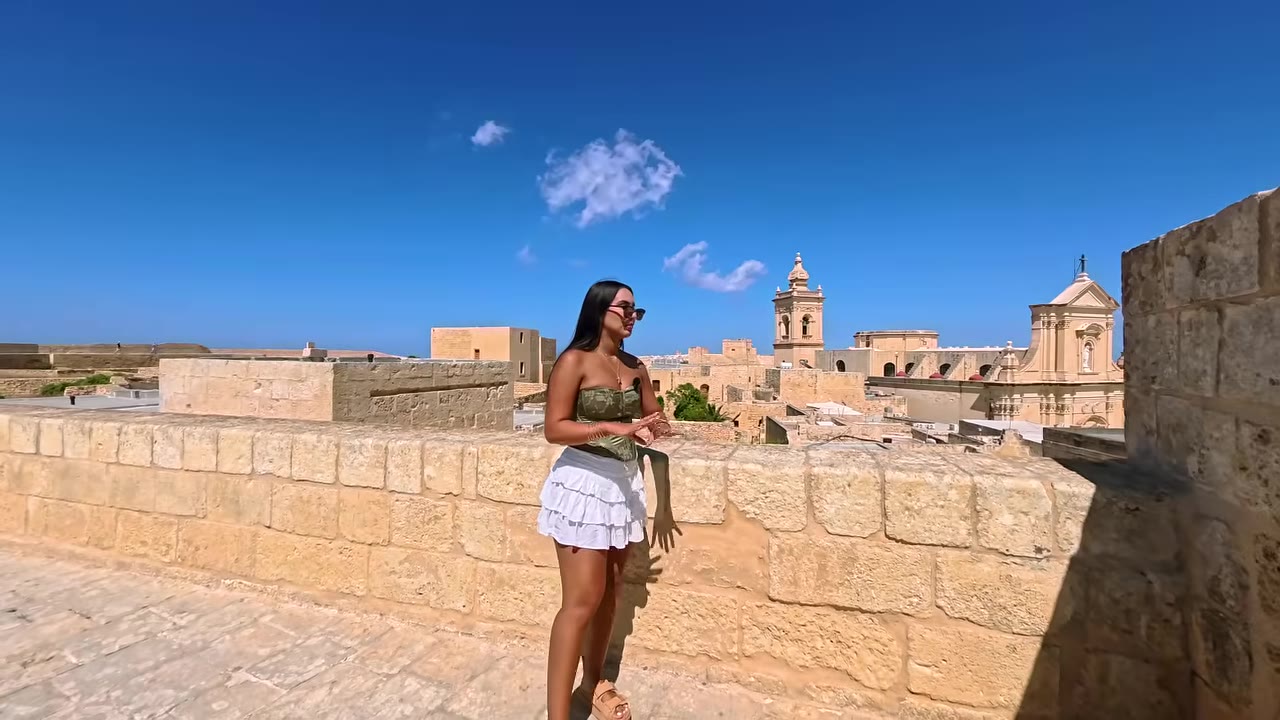
Day 1: Arrive, Victoria and the west coast. Take an early ferry to Mġarr, continue to Victoria and walk the Citadel ramparts for a wide view across the island. After lunch, drive or take buses via Victoria towards Dwejra. Explore the Inland Sea and Blue Hole coastline from safe paths, then stay for sunset. Sleep in Victoria, Xlendi or a nearby village.
Day 2: Xagħra, Ramla Bay and the north coast. Start at Ġgantija Archaeological Park in Xagħra, then continue to Ramla Bay for swimming and a relaxed lunch. In the afternoon, head to Marsalforn and the salt-pan coast, or choose Wied il-Għasri if sea conditions are calm and you are comfortable with steep steps. Return to Mġarr with time to spare for your ferry; bus connections outside the Victoria–Mġarr route are less frequent.
Frequently asked questions
Is Gozo worth visiting for only one day?
Yes, especially if you focus on one coast and Victoria. However, an overnight stay makes the experience much less rushed and lets you enjoy sunset and an early swim before day-trippers arrive.
Do I need to rent a car in Gozo?
No. Buses connect the main towns and beaches through Victoria, but a car gives you far more flexibility for Dwejra, rural villages and small swimming coves.
Which Gozo beach is best for sand?
Ramla Bay is the strongest choice for a proper sandy beach. Its unusual red sand, natural setting and clear water make it a classic first stop for beach-focused travellers.
Can I visit Gozo from Valletta without going to Ċirkewwa?
Yes. The fast ferry links Valletta with Mġarr Harbour in Gozo for foot passengers, although schedules and weather conditions should always be checked before travel.
Facts and prices verified in August 2026. Travel with Influencers is an independent fan/editorial guide, not affiliated with or endorsed by the creators featured. Watch and support the original creator: Michelle Thielen on YouTube.