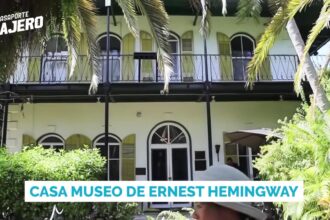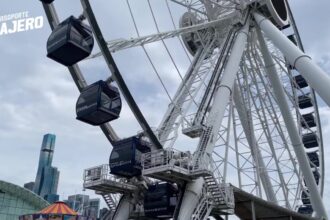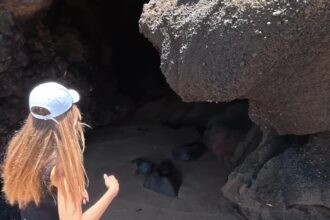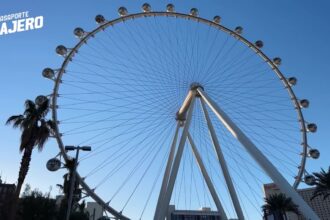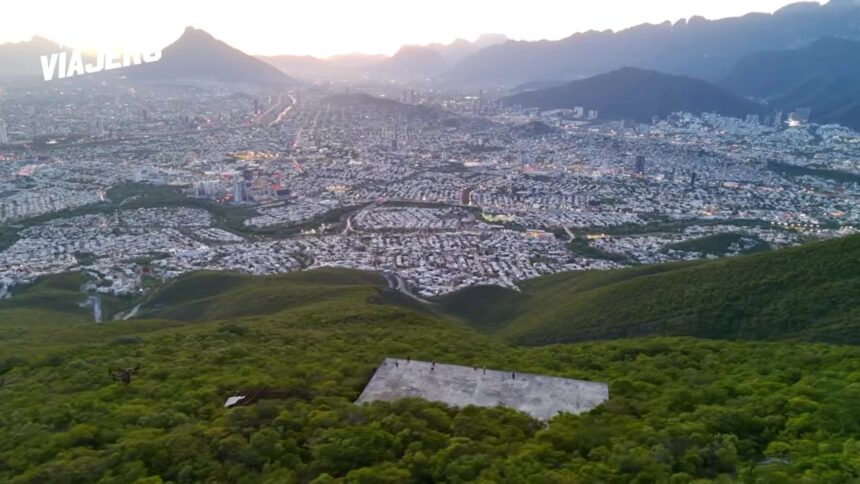
The best things to do in Monterrey Mexico combine mountain scenery, excellent museums, lively historic streets, northern Mexican food and easy outdoor escapes. For a first visit, use the compact Centro as your starting point, then follow Paseo Santa Lucía into Parque Fundidora and save time for Barrio Antiguo, a panoramic viewpoint and a day trip beyond the city. This guide turns Pasaporte Viajero’s visual introduction into a practical 2026 plan, including transport, verified admission prices, places to stay and a simple itinerary.
What Pasaporte Viajero’s journey shows
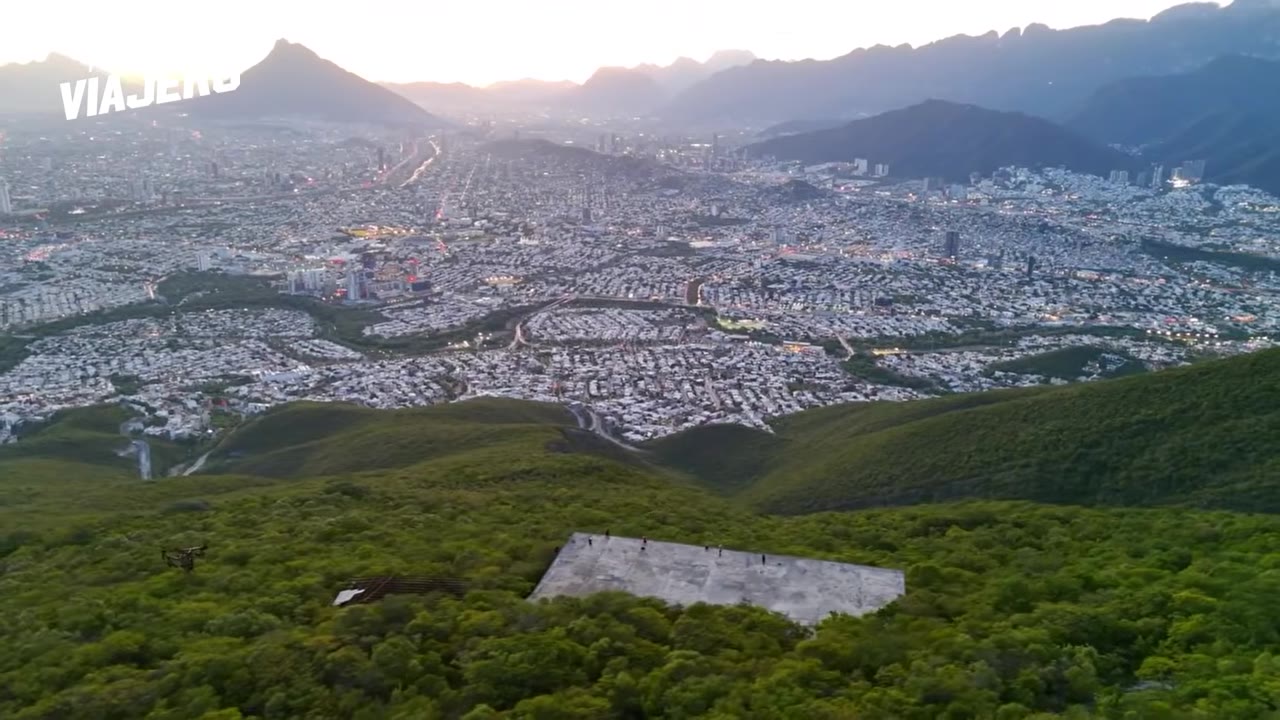
- It begins with Monterrey’s dramatic setting, framed by the city’s signature mountains and viewpoints.
- The route moves through Centro, including the vast Macroplaza and the historic buildings around it.
- It follows the waterway and public spaces of Paseo Santa Lucía toward Parque Fundidora.
- It highlights cultural stops, including museums where visitors can understand Monterrey’s history and contemporary character.
- It rounds out the city experience with Barrio Antiguo, local food and nearby nature options such as Grutas de García and Santiago.
Watch the video first for the atmosphere and visual orientation, then use the details below to make the route work for your own trip.
How to get to and around Monterrey
Most international and domestic visitors arrive at Monterrey International Airport in Apodaca. The airport’s official transport information confirms an express public route between the airport and Y Griega Metro station; from there, continue by Metro or use a ride-hailing app for your final connection. Authorized airport taxis are also available around the clock.
For a short city break, stay in Centro, Barrio Antiguo or around Fundidora rather than renting a car immediately. Centro’s principal sights are walkable, while the Metro is useful for reaching Fundidora: both Fundidora and Y Griega stations are close to the park. The 3 Museos complex is also convenient to Zaragoza station on Line 2.
A car becomes more useful for independent day trips to Santiago, Cola de Caballo or the Grutas de García. If you drive between Monterrey and the United States border, plan daylight travel only, keep to major routes and check current official guidance before departure.
Best time to visit Monterrey
For walking through Centro, visiting museums and enjoying the mountains, late October through March is the most comfortable period. Monterrey has a warm semi-arid climate, with very hot summers and a seasonal concentration of rainfall in summer; winter days can be pleasant but temperatures can change quickly.
April and May can still work well if you start outdoor sightseeing early, take a long indoor lunch break and return outside near sunset. In June through September, heat can make a packed walking itinerary uncomfortable, so put air-conditioned museums in the middle of the day, carry water and watch local forecasts before any hike, cave visit or waterfall excursion.
What Monterrey costs in 2026
Monterrey can be tailored to a modest or more comfortable budget because several of its best public spaces cost nothing. The following are official published prices or free-entry policies verified in November 2026. Prices are in Mexican pesos and may change for special exhibitions or events.
| Experience | 2026 price | Notes |
|---|---|---|
| Parque Fundidora entry | Free | Open daily from 6:00 to 22:00; individual attractions inside may charge separately. |
| Museo de Historia Mexicana + Museo del Noreste | MX$60 general | One ticket covers both museums on the same day; free on Sundays. |
| Museo del Palacio | Free | Part of the 3 Museos system. |
| MARCO contemporary-art museum | MX$150 general | Sunday entry is free for the general public. |
Build your budget around accommodation, meals and airport transfers rather than assuming every major attraction has a high entry fee. A low-cost day can be built around Macroplaza, Barrio Antiguo, Fundidora and the free Museo del Palacio; add MARCO or the two-history-museum ticket according to your interests.
Where to stay in Monterrey
Centro and Barrio Antiguo are the best bases for first-time visitors without a car. You can walk to Macroplaza, MARCO, the museums and evening restaurants, while Barrio Antiguo gives you the most character after dark. Choose a hotel with a staffed reception and arrange evening transport door to door if you are returning late.
Fundidora and Cintermex suit travelers attending events, families who want easy park access or anyone who prefers newer hotels. You will be closer to the park, but farther from the historic core. San Pedro Garza García is the polished choice for high-end hotels, restaurants and business travel, though it is less practical for a classic walkable sightseeing itinerary.
Safety and useful Monterrey travel tips
Use the same city-awareness habits you would in any large urban destination: keep valuables out of sight, avoid isolated streets after dark, use app-based rides or an official dispatched taxi rather than hailing from the street, and do not display large amounts of cash. The U.S. State Department’s advisory for Nuevo León says travelers should exercise increased caution because of crime and kidnapping, and specifically advises caution on highways between the U.S. border and Monterrey.
For mountain viewpoints and day trips, do not treat changing weather or heat as an afterthought. Start early, wear sun protection, carry more water than you expect to need and follow any closures. Keep your passport or identification secure but separate a backup copy from the original. For broader preparation, compare practical coverage in our travel insurance guide for United States visitors.
Day-by-day (how to travel it yourself)
Day 1: Centro, culture and Fundidora. Start at Macroplaza, then visit MARCO if contemporary art appeals. Continue to the Museo del Palacio and, if you have time, the Museo de Historia Mexicana and Museo del Noreste. In late afternoon, walk the 2.5-kilometre Paseo Santa Lucía toward Parque Fundidora, where the industrial structures, lakes and public spaces feel especially good near sunset.
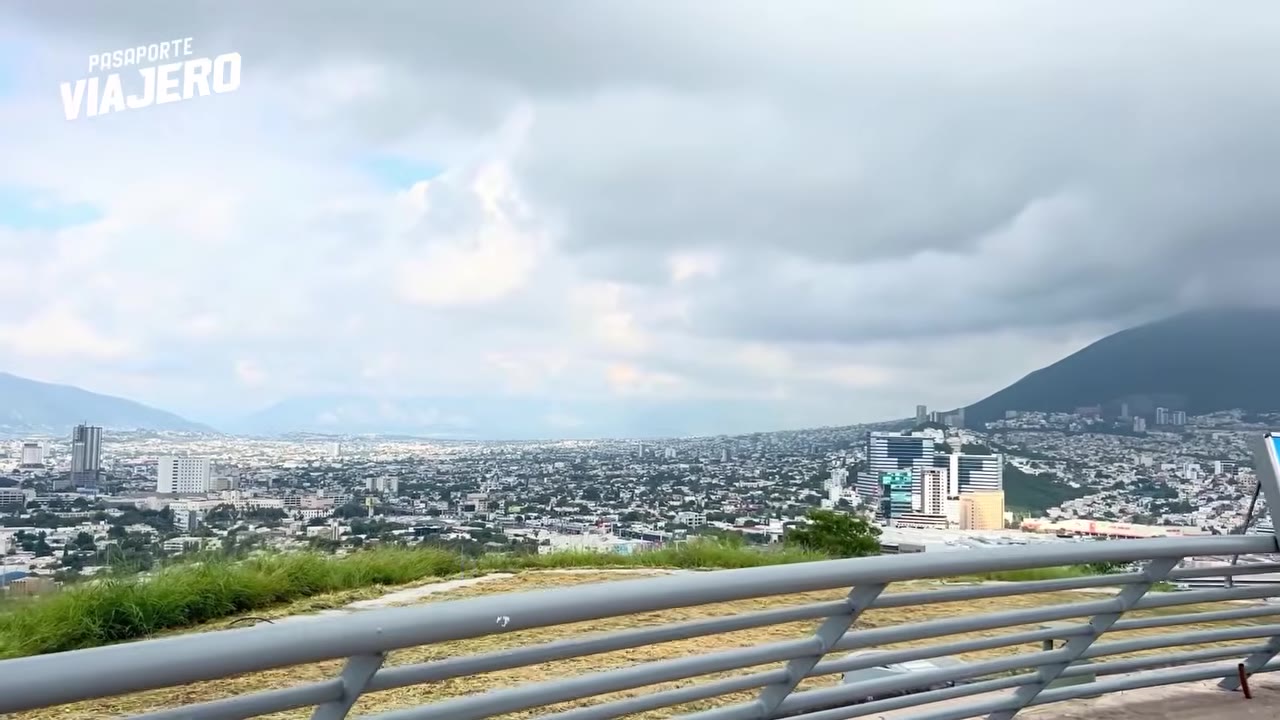
Day 2: Barrio Antiguo, food and a viewpoint. Spend the morning in Barrio Antiguo, looking for restored facades, galleries and cafés. Make lunch a northern Mexican meal: this is the city to try carne asada, cabrito or a vegetarian take on regional dishes. Leave the hottest part of the afternoon for a museum, then reserve sunset for a safe, accessible viewpoint or a terrace with a clear view toward Cerro de la Silla.
Day 3: Choose one day trip. Pick Santiago and the Cola de Caballo area for a small-town and waterfall day, or choose Grutas de García for caves and mountain scenery. Do not try to combine both in one rushed day. If you prefer to stay urban, devote the day to Fundidora, Horno 3 and more time in the museums instead.
For another Latin American city guide that balances practical safety planning with on-the-ground sights, see our Downtown Medellín travel guide. If you are extending a wider Mexico-and-Americas itinerary, our Miami travel guide is another useful city-break reference.
Frequently asked questions
How many days do I need in Monterrey?
Three days is ideal for a first visit: one for Centro and museums, one for Fundidora and neighborhoods, and one for a day trip. Two days is enough for the essential urban sights.
Is Parque Fundidora free to enter?
Yes. Entry to Parque Fundidora is free, and the park is open daily from 6:00 to 22:00. Individual venues and boat rides may have their own tickets.
What food should I try in Monterrey?
Start with carne asada, cabrito and regional flour tortillas. Ask about portion sizes before ordering, especially when sharing grilled dishes with a group.
Can I visit Monterrey without renting a car?
Yes. Airport public transport, ride-hailing services, the Metro and walking cover a first-time city itinerary well. Rent a car only if you want flexible access to day trips beyond the metropolitan area.
Facts and prices verified in November 2026. Travel with Influencers is an independent fan/editorial guide, not affiliated with or endorsed by the creators featured. Watch and support the original creator: Pasaporte Viajero on YouTube.