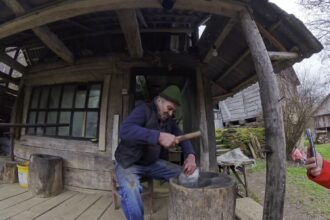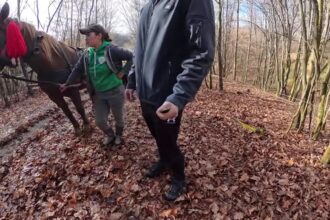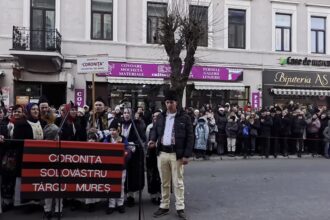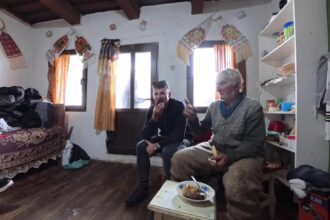


The Runcu Salvei wooden church in Romania is a remarkably intact 18th-century village church where traditional timber architecture, historic painting and living worship meet. Set in Runcu Salvei, Bistrița-Năsăud County, the Church of the Holy Archangels Michael and Gabriel is a protected historic monument dating from 1757. This guide explains how to reach it, how to arrange a respectful visit, what transport currently costs, where to base yourself and how to turn a short stop into a meaningful rural Romania itinerary.
What Haida in Lume’s journey shows
- An arrival at the wooden Church of the Holy Archangels Michael and Gabriel in Runcu Salvei.
- A close look at the church’s dark timber exterior and its tall, sharply pitched roof.
- Details that show why these rural churches are best appreciated slowly rather than treated as quick photo stops.
- The peaceful cemetery setting around the church, which remains a religious and community space.
- A glimpse of a heritage site that is still connected to local worship, not simply displayed as a museum object.
Watch Haida in Lume’s short visit before planning your own respectful stop.
How to get to Runcu Salvei wooden church
Runcu Salvei is in northern Transylvania, in Bistrița-Năsăud County. The church is listed at Strada Principală 437/438, in the village cemetery. It is not a site to approach as an unannounced all-day attraction: this is a working Greek Catholic parish church, and visitors should contact the parish before travelling if they hope to enter the interior. The parish information lists Sunday and feast-day liturgy at 10:00, plus Friday liturgy at 10:00, although schedules can change for church events and holidays.
For independent travellers, a car is the simplest option because it makes it easier to combine Runcu Salvei with the Năsăud area and other rural heritage stops. If using public transport, travel first to Salva by train, then pre-arrange a local transfer or taxi for the final rural leg. Do not rely on finding a taxi immediately at a small station.
Cluj-Napoca is the most practical larger city for many international visitors. From there, CFR services connect towards Salva, but train times and operators can change, so check the official CFR Călători journey planner shortly before departure. A rental car or a local driver is especially useful if you are carrying luggage or visiting outside daylight hours.
Best time to visit Runcu Salvei
Late May through early October is the easiest period for a Runcu Salvei wooden church Romania trip. Roads are generally simpler to manage, daylight lasts longer and the surrounding hills and village gardens give the journey its full rural character. June and September are particularly good choices if you prefer milder temperatures and fewer holiday crowds.
For a culturally meaningful visit, note that the church is dedicated to the Holy Archangels Michael and Gabriel. Their feast day falls on November 8, when the parish has marked its patronal celebration in recent years. This can be a rewarding time to see a living local tradition, but it is not the moment for casual sightseeing: ask permission, expect worshippers and accept that access may be limited.
Winter visits can be beautiful but require more planning. The church has historically been unheated, and the rural setting can be cold, wet or snowy. Wear footwear suitable for uneven ground and build in extra time for travel.
What it costs in 2026
The church does not publish a standard visitor admission price. Do not assume that entry is guaranteed or that a donation replaces permission to enter. Contact the parish in advance, and if you are welcomed inside, make a discreet voluntary contribution only if appropriate.
| Item | Verified 2026 price | Notes |
|---|---|---|
| Cluj-Napoca to Salva, direct InterRegio train, second class | 47 lei one way | Listed for a direct CFR Călători service; fares and timetables should be rechecked for your chosen date. |
CFR Călători states that fares depend on train category, distance and class, while some services also require a seat reservation. Check the final fare during purchase rather than budgeting from an old screenshot. For rural transfers, accommodation and meals, prices vary too widely by season and arrangement to quote responsibly without a dated booking search.
Where to stay near Runcu Salvei
Runcu Salvei is a small village, so accommodation inventory is limited. A rural guesthouse can be the most atmospheric choice if availability suits your dates; otherwise, look in nearby Năsăud, Bistrița or along the route you are travelling. Staying in Bistrița gives you the widest choice of restaurants and services, while a guesthouse closer to the village can make an early, unhurried visit easier.
When booking, confirm three practical points directly with the host: whether parking is available, whether dinner is offered or nearby, and whether they can help arrange a local driver. In this part of Romania, these details matter more than simply choosing the lowest nightly rate. For another thoughtful introduction to regional craft and village tradition, read our guide to Romanian handmade bells in Maramureș.
Visiting respectfully: church etiquette and practical tips
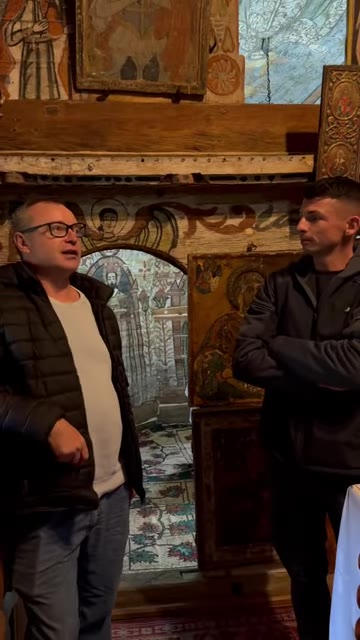
The Runcu Salvei church is an active sacred place and a protected monument, not a recreated heritage attraction. Dress modestly, speak quietly, close gates behind you where appropriate and never walk across graves for a better angle. Ask before entering, photographing interiors, using a tripod or filming. If a service is taking place, attend only if you are comfortable doing so respectfully; otherwise, admire the exterior and return at a more suitable time.
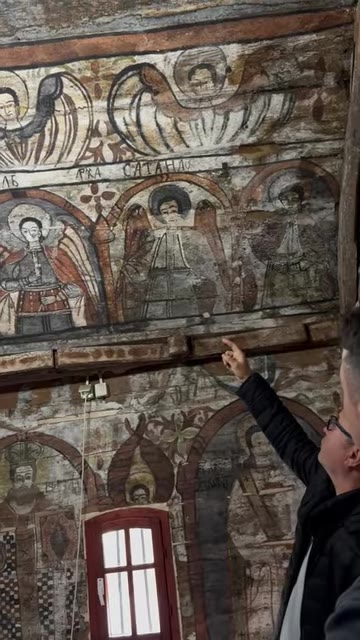
The monument list records the church complex as dating from 1757, while parish sources describe an exceptional surviving painted interior and construction associated with the wooden churches of the Someșul Mare Valley. That distinction matters: Runcu Salvei shares a northern Romanian timber-church language, but it should not be incorrectly presented as one of the UNESCO-listed Wooden Churches of Maramureș.
Bring cash, water, offline maps and a charged phone. English may not be widely spoken in rural settings, so a simple Romanian greeting and patience go a long way. The same principles apply when visiting other living cultural places; our respectful visitor guide to Maasai culture in Kenya offers useful broader lessons on permission, listening and avoiding intrusive behaviour.
If you want to add a local activity beyond the church visit, consider arranging a heritage-focused driver or guide through your accommodation rather than arriving with an unplanned group.
Day-by-day (how to travel it yourself)
Day 1: Arrive in Cluj-Napoca or Bistrița. Pick up a rental car if using one, buy supplies and stay overnight. If you are travelling by train, confirm your connection to Salva and arrange the final transfer before the following morning.
Day 2: Runcu Salvei wooden church and the Năsăud area. Travel in the morning and contact the parish before approaching the church interior. Spend time outside first: notice the proportions of the roof, the timber construction and the churchyard setting. If access is granted, keep the visit brief and quiet. Continue through the surrounding valley for a slow rural drive, then return to your base before dark.
Day 3: Extend your Romania heritage route. Continue toward Maramureș for more wooden churches and village landscapes, or return via Bistrița and Cluj-Napoca. Travellers who enjoy small-community traditions can also read our Rural Romania Shepherd Traditions guide before building a longer countryside itinerary.
Frequently asked questions
Can you visit the Runcu Salvei wooden church without booking?
Do not count on it. The church is an active parish site rather than a ticketed museum, so contact the parish in advance if you want to enter and be prepared to admire it from outside if access is not possible.
Is Runcu Salvei wooden church a UNESCO World Heritage Site?
No. It is a protected historic monument dating from 1757, but it is not among the eight UNESCO-listed Wooden Churches of Maramureș.
What is the nearest useful train stop?
Salva is the practical rail stop for the area. From there, arrange onward transport to Runcu Salvei before you travel, especially on weekends or outside daytime hours.
May I take photographs inside the church?
Only with explicit permission. Interior paintings, worship, clergy and parishioners should never be photographed casually, and flash photography should be avoided unless the parish specifically permits it.
Facts and prices verified in November 2026. Travel with Influencers is an independent fan/editorial guide, not affiliated with or endorsed by the creators featured. Watch and support the original creator: Haida in Lume on YouTube.