A Morocco Sahara desert trip is unforgettable for travelers who can embrace heat, sand, basic logistics and very long road days—not for anyone expecting a quick, effortless luxury escape. This Morocco Sahara desert travel guide explains what the experience around Merzouga and the Erg Chebbi dunes is really like, how to reach it, when to go and what current desert-camp stays cost. It also gives you a practical route you can follow independently or adapt with a driver or small-group tour.
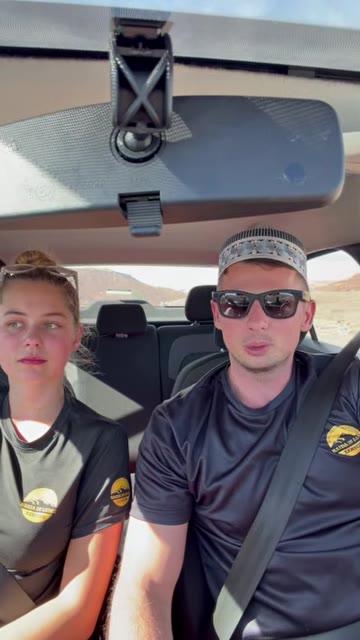
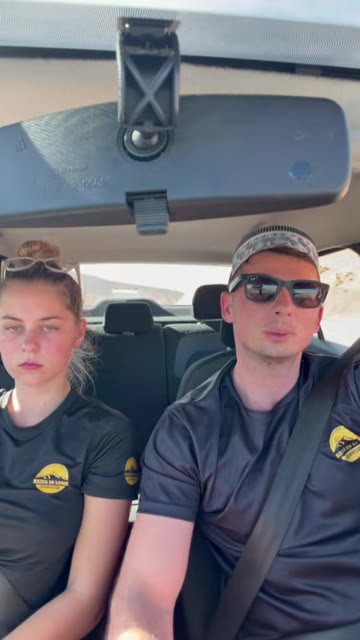
What Haida in Lume’s journey shows
- The journey begins with Morocco’s intense contrast of cultures, where African, Arab, Amazigh and European influences meet.
- It moves through the lively, narrow atmosphere of traditional medina streets before leaving the cities behind.
- The landscapes become wider and more dramatic as the route heads south and east toward the Sahara.
- In the desert, the focus shifts to the vastness, silence and shifting color of the dunes rather than conventional sightseeing.
- The overall message is realistic: Morocco can be extraordinary, but its crowds, heat, driving distances and sensory intensity will not suit every traveler.
Watch Haida in Lume’s original video for the atmosphere that words cannot fully reproduce:
How to get to the Morocco Sahara
For the classic dune experience, aim for Merzouga, the village beside Erg Chebbi in southeastern Morocco. This is the sand-sea landscape most travelers picture when they imagine the Moroccan Sahara: tall orange dunes, camel caravans, desert camps and wide-open skies.
The most practical gateways are Marrakech and Fes. From Fes, Morocco’s national tourism office lists the route to the Errachidia–Midelt–Merzouga region at 341.8 kilometers and about 5 hours 21 minutes by road; in real travel, add breaks and allow most of a day. From Marrakech, the scenic route commonly runs through the High Atlas and southern valleys, often with an overnight around Aït Benhaddou, Ouarzazate, Skoura or the Dades Valley before Merzouga.
You have three sensible choices:
- Private driver or guided circuit: easiest if your time is short and you want stops handled for you.
- Rental car: best for flexibility, but only if you are comfortable with mountain roads, rural driving and arriving before dark.
- Public transport plus local transfer: potentially cheaper, though it requires more patience and makes an overnight desert camp harder to coordinate.
Do not try to visit Merzouga from Marrakech as a casual day trip. The desert is the destination, not a roadside photo stop. Give it at least one night, and preferably two.
Best time for a Sahara desert adventure
Spring and fall are the strongest seasons for a Morocco Sahara desert travel guide itinerary. Morocco’s national tourism office specifically recommends spring and fall for Sahara travel, when daytime conditions are generally more manageable than the height of summer.
For most visitors, late March through May and October through November offer the best balance of pleasant days and usable evenings. Winter can bring beautifully clear skies and quieter camps, but temperatures can fall sharply after sunset; a tent without reliable heating can feel far less romantic at 3 a.m. Summer is possible only if you accept fierce daytime heat, limit strenuous activity and choose a camp with effective cooling, shade and plenty of water.
Book a moonlit desert night only if you prioritize seeing the dunes clearly after dark. For stargazing and Milky Way photography, choose dates closer to a new moon, then confirm moon phases before paying for a camp.
What a Merzouga desert stay costs in 2026
Desert pricing varies enormously according to whether you choose a shared basic camp, private tent, transport from a city, food, bathrooms and heating or air conditioning. The figures below are published 2026-style direct rates from Merzouga camp operators checked in September 2026; they are starting prices, not a complete trip budget. Always confirm what is included, the meeting point and whether local taxes apply before booking.
| Item | Verified 2026 published price | What is included |
|---|---|---|
| Merzouga Glamping double or twin tent | €70 per person, per night | Private ensuite tent, dinner, breakfast, camel ride, sandboarding, music and Wi-Fi. |
| Merzouga Glamping single tent | €85 per person, per night | Private ensuite tent, dinner, breakfast, camel ride, sandboarding, music and Wi-Fi. |
| Merzouga Sahara Camp standard tent, 4+ guests | €22 per person | Overnight with camel trek, dinner and breakfast; shared bathroom. |
| Merzouga Sahara Camp standard tent, 1 guest | €55 per person | Overnight with 4×4 transfer, dinner and breakfast; shared bathroom. |
There is a useful lesson in those prices: “desert camp” does not describe one standard product. A low-cost shared tent can be memorable, but it may mean communal facilities and a simpler setup. A higher-priced camp may mean a real bed, private bathroom, climate control and a shorter, more comfortable transfer into the dunes.
Where to stay: village hotel or camp in the dunes?
A good first-night strategy is to stay in Merzouga village or at the edge of Erg Chebbi, then take your desert-camp transfer in the late afternoon. It gives you time to shower, reorganize your day bag and arrive at camp for sunset rather than after a punishing drive.
For one night in the dunes, prioritize the practical details over photogenic tent interiors: private versus shared bathroom, heating in winter, cooling in summer, transfer method, dinner and breakfast, luggage handling, drinking water, power and the exact distance from the road. If mobility is an issue, ask whether the camp can use a 4×4 transfer instead of a camel ride.
Travelers wanting a slower, more cultural extension can also read our Morocco Sahara travel guide to staying with nomadic tribes in the mountains. It is a different kind of remote Morocco, with less emphasis on dune camps and more on rural life.
Desert activities, safety and realistic preparation
The headline activities in Merzouga are straightforward: sunset or sunrise camel trekking, walking the dunes, sandboarding, 4×4 outings and simply sitting outside after dinner. The official Moroccan tourism board also highlights Merzouga for camel trekking, sandboarding and dune exploration. Build in unstructured time; the quiet is part of the point.
Pack a refillable water bottle, high-SPF sunscreen, sunglasses, lip balm, a light scarf or buff for windblown sand, closed shoes or sandals with a secure strap, and layers for night. Keep a small torch or headlamp, power bank and essentials in a day bag; do not assume your large suitcase will stay beside your tent.
For Americans, the U.S. State Department’s advisory issued on September 4, 2026 lists Morocco at Level 2, advising increased caution due to terrorism. That does not make a mainstream Merzouga trip unsuitable, but it is a reason to use established accommodation and transport, avoid isolated unsupervised travel, follow local advice and keep your itinerary shared with someone at home. Road safety is also a real consideration: avoid driving after dark, especially on unfamiliar rural routes.
Respect the desert rather than trying to conquer it. Do not wander far from camp alone, do not litter, and ask before photographing people. If you book a camel experience, choose an operator willing to explain animal care, limit excessive rides and offer a 4×4 alternative.
Day-by-day (how to travel it yourself)
Day 1: Marrakech to the southern Atlas foothills. Leave early, cross the mountains at a comfortable pace and sleep around Aït Benhaddou, Ouarzazate, Skoura or the Dades Valley. This breaks up the drive and makes the journey feel like a road trip rather than a transfer.
Day 2: Valleys and kasbah country to Merzouga. Continue through changing dry landscapes, stop for lunch, arrive in Merzouga by mid-afternoon, and join your camp’s sunset transfer. Watch sunset from a dune, eat dinner at camp and sleep under the desert sky.
Day 3: Sunrise, Erg Chebbi and a second night nearby. Wake before sunrise, return from camp after breakfast, then take a relaxed 4×4 excursion or rest by the dunes. Spend a second night in Merzouga or a lodge on the edge of the sand. This is the day that stops the itinerary from feeling rushed.
Day 4: Return north via a different base if possible. Drive toward Fes through Errachidia and Midelt, or retrace the Marrakech route with an overnight stop. If you only have three days, skip the second Merzouga night—but expect a faster, more tiring trip.
For a different kind of city-and-landscape contrast before or after Morocco, our Siena travel guide and Bratislava travel guide show how much easier a compact European city break can feel than a remote desert journey.
Frequently asked questions
Is Merzouga worth the long journey from Marrakech?
Yes, if the dunes, desert night and road-trip landscapes are major reasons for visiting Morocco. No, if you only want a quick desert photograph or dislike long days in a vehicle.
Can I visit the Sahara without riding a camel?
Yes. Many camps can arrange a 4×4 transfer into the dunes. Ask before booking rather than assuming the camel ride is mandatory.
How many nights should I spend in Merzouga?
One night in a camp is the minimum classic experience. Two nights in the Merzouga area is better because it gives you time for sunrise, a slow morning and an activity without immediately facing another full travel day.
What is the biggest mistake travelers make on a Morocco Sahara trip?
Underestimating distances. Plan fewer stops, depart early, avoid night driving and leave space for rest, hydration and changing weather conditions.
Facts and prices verified in September 2026. Travel with Influencers is an independent fan/editorial guide, not affiliated with or endorsed by the creators featured. Watch and support the original creator: Haida in Lume on YouTube.