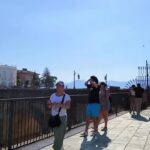
A rural Romania traditions bulz sheepfold trip is best experienced slowly, with a pre-arranged village host, an appetite for simple mountain food and respect for working farm life. This guide turns the atmosphere of a campfire meal at a Romanian sheepfold into a practical cultural trip you can organise yourself. Learn how to reach rural areas, when to go, what fixed costs can be checked in advance, where to sleep and how to join food traditions without treating them as a performance.
What Haida in Lume’s journey shows
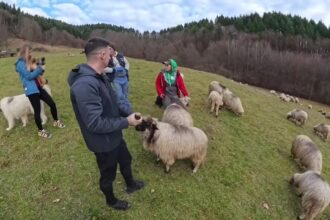
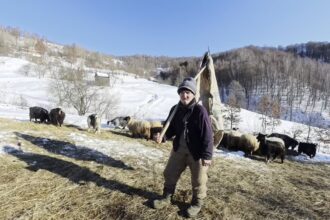
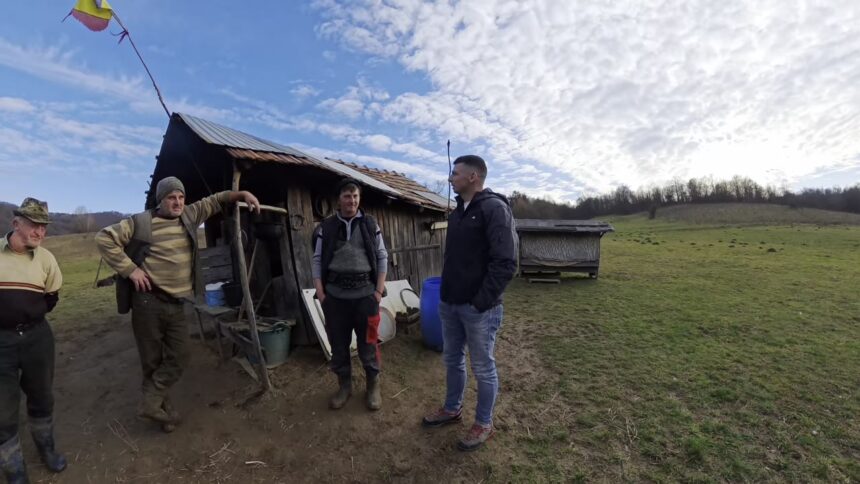
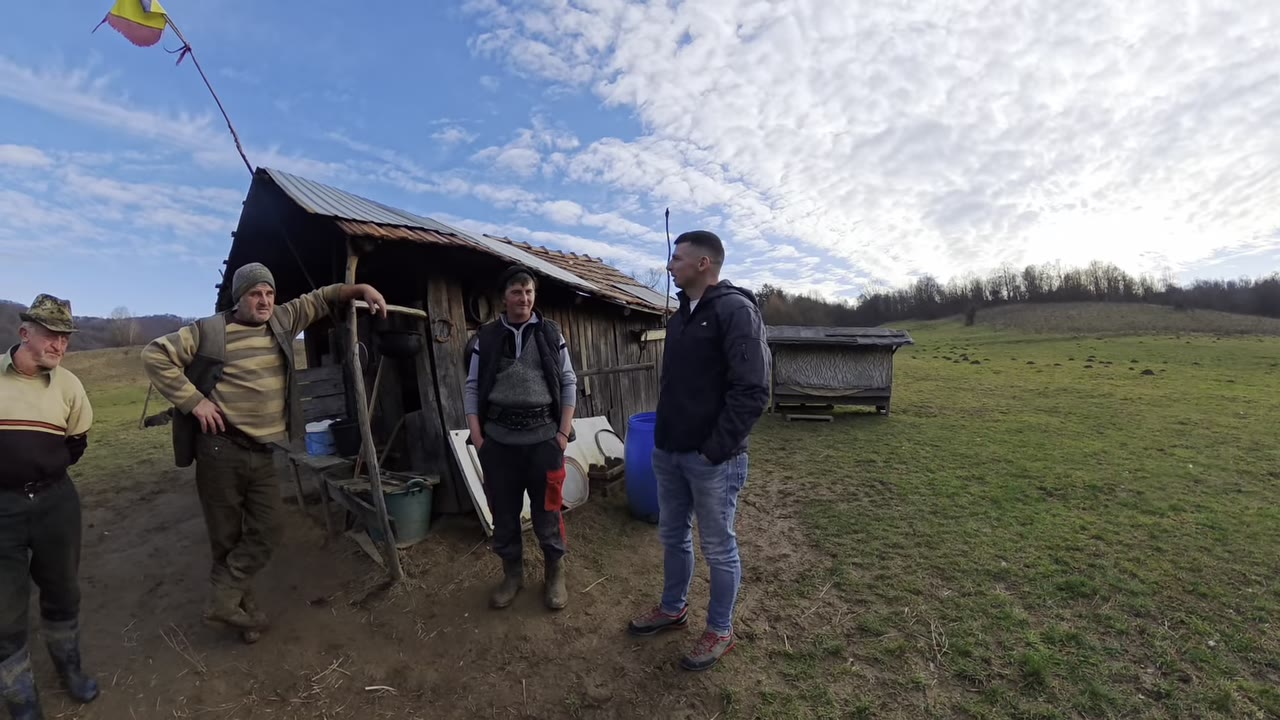
- Arrival at a stână, a seasonal mountain sheepfold where animals, milk and food preparation shape the day.
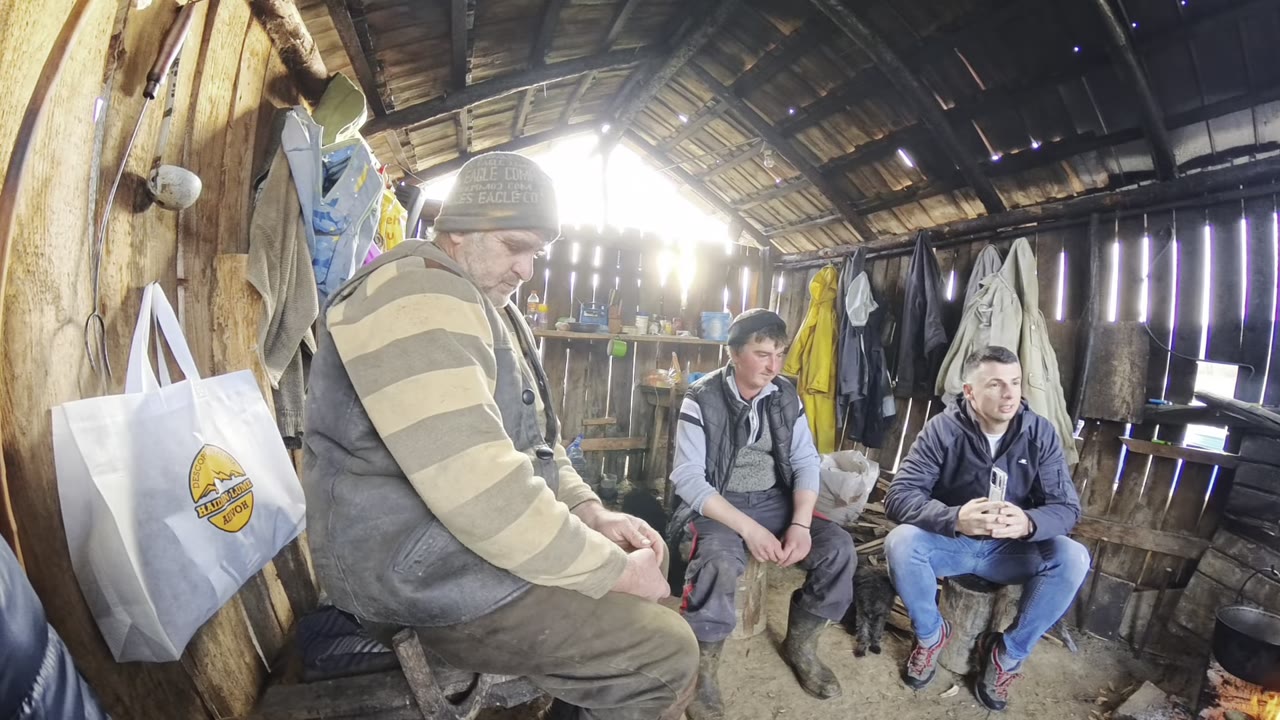
- Time around the fire, showing that the hearth is both a practical cooking place and a social centre.
- The preparation of bulz: a warm mound of cornmeal, commonly filled or served with sheep cheese and cooked close to embers.
- A shared, unhurried meal with Ionuț, centred on hospitality rather than restaurant-style service.
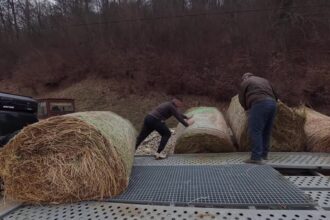
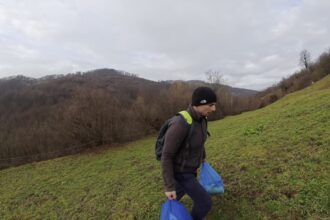
- A glimpse of the labour, landscape and conversation behind a food tradition that visitors often only encounter on a menu.
Watch the original journey first, then use the planning notes below to create your own respectful version of the experience.
How to get to a rural Romanian sheepfold
There is no single public “bulz sheepfold” destination, and the video does not identify the exact farm. That is important: a real stână is a workplace, often in upland pasture country, not an attraction with a ticket office. For first-time visitors, use Bucharest, Brașov, Sibiu or Cluj-Napoca as an arrival city, then arrange a guesthouse in a village and ask the host to organise or recommend a visit.
A rental car gives the most practical access to rural areas, particularly for early starts, muddy lanes and villages without frequent buses. If you prefer rail, CFR Călători sells domestic tickets through its official system; online bookings are generally available up to 30 days ahead, while some journeys have booking cut-offs close to departure.
Do not simply drive up a farm track and expect to join a meal. Contact a pension, local guide or farm host in advance, explain your dietary needs, ask whether visitors are welcome that day and agree on the contribution or meal price before leaving. For wider planning inspiration, see our Rural Romania Travel Guide: Traditions and Village Life.
Best time for bulz, pasture life and village hospitality
Late spring through early autumn is the most practical period for a mountain-and-village itinerary: days are longer, rural roads are easier to manage and shepherding activity is more likely to be taking place on higher pastures. June and September are especially good choices if you want green landscapes and cooler conditions for walking.
Summer can be lively but busy around weekends and local celebrations. Autumn brings smoke, harvest produce and a more settled village rhythm, although mountain weather can change quickly. Winter is better for lower-elevation village stays, hearty food and indoor traditions than for trying to reach a remote sheepfold. If Easter customs are your priority, plan around the calendar with our Romanian Rural Traditions Easter Customs guide, but book accommodation well ahead.
What rural Romania traditions cost in 2026
Prices for family-run village rooms, farm meals and sheepfold visits are not standardised, so request them directly in writing rather than relying on an online estimate. The table below includes only fixed public prices that were published and verifiable in 2026; it is useful for adding a Romanian village-culture stop before or after your rural stay.
| Item | 2026 price | Notes |
|---|---|---|
| National Museum of the Village “Dimitrie Gusti”, Bucharest — adult entry | 40 lei | One entry; a useful introduction to vernacular houses and rural architecture. |
| National Museum of the Village “Dimitrie Gusti” — student entry | 10 lei | Current-year student documentation required. |
| National Museum of the Village “Dimitrie Gusti” — English guided visit | 350 lei | For a group of up to 30 people, subject to advance request and availability. |
For road travel, budget separately for fuel, parking and the Romanian electronic vignette where required. Buy road charges only through an official or authorised channel, enter the registration number carefully and keep the confirmation. Romania’s road-toll system changed on October 1, 2026, so check the current rules immediately before driving.
Where to stay for an authentic village base
Choose a licensed rural pension or family guesthouse in a village rather than a large resort. The best hosts can arrange home-cooked dinners, explain local etiquette and tell you honestly whether a sheepfold visit is possible during your dates. Ask for a room with breakfast and dinner if you will not have a car, and confirm whether payment by card is accepted; cash remains useful in smaller communities.
Look for stays in mountain foothill areas rather than booking solely around a famous castle or town. A two-night minimum gives your host time to arrange a visit without forcing a rushed schedule. If you are travelling onward through Central Europe, our Gruyères, Switzerland guide offers a useful contrast between a highly organised cheese destination and Romania’s more informal pastoral hospitality.
Safety and respectful sheepfold etiquette
Dress for farm conditions: closed shoes with grip, a warm layer, rain protection, water and a headlamp if you will stay until dusk. Never approach sheep, dogs or livestock without the shepherd’s invitation. Livestock guardian dogs are working animals; stand still, let the host speak to them and do not attempt to pet or feed them.
Ask before taking close photographs of people, animals, food preparation or private buildings. Accept that a visit may be shortened, postponed or declined because of weather, lambing, milking, animal health or simply a demanding workday. If offered food, tell the host clearly about allergies before cooking begins. Bulz can contain dairy, and rural kitchens may not be able to guarantee separation from allergens.
Day-by-day (how to travel it yourself)
Day 1: Arrive and build context. Arrive in Bucharest or another major gateway. If passing through the capital, visit the National Museum of the Village “Dimitrie Gusti” to see traditional homes from different Romanian regions, then travel onward to your rural base or stay overnight before collecting a car. The museum does not require a reservation for ordinary entry, although guiding must be arranged in advance.
Day 2: Village host and farm-food activity. Settle into your guesthouse, take a gentle village walk and join the pre-arranged experience: a home meal, cheese tasting, bread or cornmeal cooking session, or—only if confirmed—a visit to a working sheepfold. Keep the day flexible; the host’s routine comes first. Bring a small practical gift only if your host suggests it, and pay the agreed contribution directly.
Day 3: Landscape and a slow departure. Have breakfast at the pension, buy locally made cheese or preserves where appropriate, then leave with enough daylight for rural driving. If you are continuing by train, allow a generous buffer between the village transfer and your departure; rural transport connections can be limited.
Frequently asked questions
What is bulz in Romania?
Bulz is a traditional cornmeal preparation, often shaped around sheep cheese or served with cheese and cooked near a fire or embers. Recipes vary by household and region, so treat the host’s version as part of the experience.
Can I visit a sheepfold without booking?
No. A sheepfold is a functioning farm, not a public attraction. Arrange the visit through a village guesthouse, guide or direct host, and accept that farming conditions may change the plan.
Do I need a car for rural Romania?
A car is strongly recommended for a flexible sheepfold-focused itinerary because many villages and upland farms have limited public transport. Rail works well between larger cities, but not for the final rural connection.
Is rural Romania suitable for travellers who do not speak Romanian?
Yes, especially with a guesthouse host or local guide, but do not assume English will be spoken everywhere. Learn a few greetings, confirm arrangements in writing and use a translation app patiently and politely.
Facts and prices verified in October 2026. Travel with Influencers is an independent fan/editorial guide, not affiliated with or endorsed by the creators featured. Watch and support the original creator: Haida in Lume on YouTube.