The Transfagarasan road is usually open for driving from late June to October, but mountain weather can close the high section without much warning. For the full route over the Făgăraș Mountains, plan a summer or early-autumn drive, check the road status immediately before leaving, and avoid treating a published opening date as a guarantee. This guide explains where the seasonal closure begins, how to reach Bâlea Lake, which direction to drive, what to budget, and how to turn the route into a calm two-day Romanian road trip.
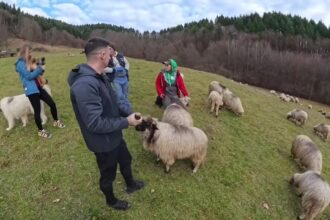
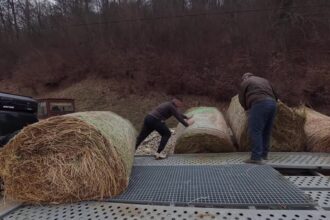
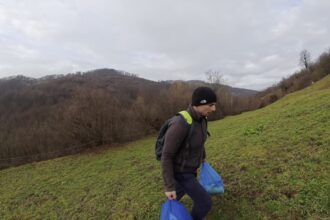
What Haida in Lume’s journey shows
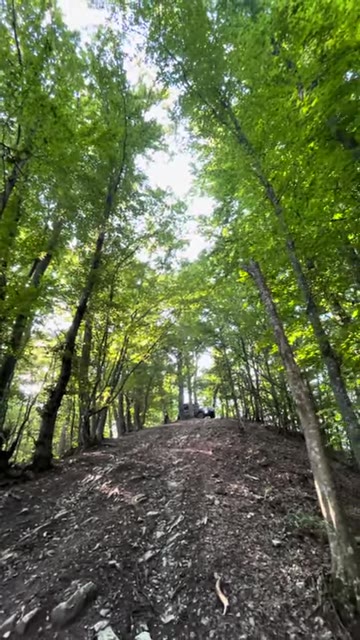
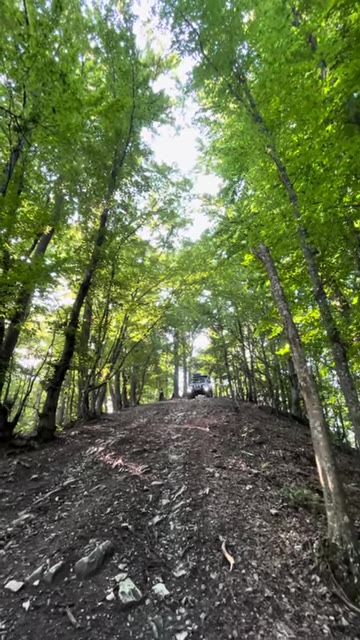
- A Nissan Patrol Y61 set up for rougher Romanian terrain rather than a quick city-to-city drive.
- Off-road sections where momentum, ground clearance and careful wheel placement matter more than speed.
- Changing surfaces and uneven mountain conditions that call for a patient, self-sufficient driving style.
- An overlanding approach: treat the journey and landscape as the point, not simply the arrival.
- A useful contrast with the Transfagarasan itself, which is a paved national road but still demands attention, weather awareness and respect for mountain conditions.
Watch Haida in Lume’s Romanian overlanding drive here, then use the practical plan below to build your own Transfagarasan trip.
How to get to the Transfagarasan
The Transfagarasan is DN7C, crossing the Făgăraș Mountains between the southern Argeș side and the northern Sibiu side. A rental car is the practical choice: it gives you the flexibility to stop at viewpoints, wait for cloud to clear, and stay overnight on either side of the pass.
For a north-to-south route, base yourself in Sibiu or near Cârțișoara and join the road from DN1. For a south-to-north drive, approach from Curtea de Argeș and Arefu, passing Vidraru Dam before the road becomes steeper and more dramatic. I prefer south to north for a first visit: the ascent builds gradually, then the famous tight bends appear before Bâlea Lake.
You do not need a 4×4 for the paved Transfagarasan in normal summer conditions. Choose a compact car with decent brakes, working air-conditioning and enough power for sustained climbing. Before signing for a rental, photograph existing damage, confirm roadside-assistance coverage, and ask whether driving on unpaved tracks is prohibited; it often is. The route is not the place to copy an off-road video by leaving the legal road.
Best time to drive: Transfagarasan road when is it open?
The high alpine section between Piscu Negru and Bâlea Cascadă is the part that closes in winter. The Bâlea Lake operator lists the regular driving season as June 30 to October 31, while stressing that the reopening date can move with conditions. Its live status currently shows DN7C open, but check again on the morning you travel.
July through September is the safest window for completing the route by car. June can still bring snow-clearing delays, while October can bring early snow, fog and sudden temporary closures. The police closed the high section on October 8, 2025 after heavy snow and blizzard conditions, a useful reminder that “open season” is not the same as dependable weather.
Leave early. The road is far quieter before the late-morning convoy of day-trippers, and morning light is often better for viewpoints. In 2025, when the alpine section reopened, traffic was permitted only from 07:00 to 21:00; follow the restrictions posted for your actual travel day rather than relying on that historical schedule.
What it costs in 2026
Driving the Transfagarasan is not a ticketed attraction, but budget for your car, fuel, food and any side trip to Bâlea Lake in the winter closure period. The most clearly published local transport prices are for the Bâlea cable car, which connects Bâlea Cascadă with Bâlea Lake when the road is shut.
| Item | 2026 price | Notes |
|---|---|---|
| Bâlea cable car, adult one way | 80 RON | Bâlea Cascadă to Bâlea Lake |
| Bâlea cable car, adult return | 160 RON | Return travel |
| Bâlea cable car, child one way | 40 RON | For ages 2–12; under-2s travel free |
| Bâlea cable car, extra luggage | 20 RON | Per item beyond hand luggage |
The cable-car operator says tickets are bought at the stations, card and cash are accepted, and service may pause in poor weather. It also notes that departures require a minimum group size, so allow extra time outside the busiest season.
Where to stay near Bâlea Lake and the road
For a relaxed trip, do not try to drive the whole route as a rushed day excursion from Bucharest. Stay on the northern side in Sibiu or Cârțișoara if you want restaurants, services and an easy start. Stay on the southern side around Arefu if Vidraru Dam, Poenari-area scenery and an early climb are your priorities.
Sleeping at Bâlea Lake is memorable but should be booked well ahead in the short road-open season. It is also weather-exposed and more limited than a town base. A good compromise is one night near Arefu and one in Sibiu: you can drive the road south to north, stop properly at the lake, and finish with a comfortable evening in the city.
If scenic travel is your reason for going, you may also enjoy our guide to the Kandy to Ella train in Sri Lanka, another journey where the route itself deserves most of the day.
Driving safety and practical tips
Keep the drive paved, slow and legal. Hairpins, cyclists, motorcycles, stopped cars and wandering animals all make sudden braking likely. Use low gears downhill rather than riding the brakes, pull fully into designated spaces for photographs, and never stop in a blind bend.
Bring water, layers, a charged phone and an offline map. Bâlea Lake sits at 2,034 metres, where cold wind and cloud can make a warm valley morning feel irrelevant. The cable-car operator specifically advises checking mountain conditions before travelling.
Do not feed wildlife or leave food outside the car. Keep a respectful distance from animals and do not turn congestion into a dangerous photo opportunity. If weather turns seriously bad, retreat rather than waiting for a road closure to make the decision for you. For another destination where access conditions can shape an entire day, see our 2026 guide to Zakynthos and Navagio Beach.
Day-by-day (how to travel it yourself)
Day 1: Curtea de Argeș or Arefu to Bâlea Lake. Collect your car, buy supplies and overnight around Arefu. The next morning, begin early, pause at Vidraru Dam and continue north through the forested Argeș side. Take the hairpins steadily, stop only where parking is safe, and give yourself time at Bâlea Lake for the shoreline, viewpoints and a warm meal. Activities here are simple but rewarding: short signed walks, photography and a slow look at the high mountain landscape.
Day 2: Bâlea Lake to Cârțișoara and Sibiu. Start before the busiest traffic, then descend the northern side toward Bâlea Cascadă and Cârțișoara. Continue to Sibiu for an overnight or onward journey. If you have an additional day, make the road trip part of a wider Transylvanian itinerary rather than adding unnecessary distance on the same day.
Travellers who like landscapes with a strong local rhythm can pair this kind of mountain route with our guide to Haputale, Sri Lanka, a quieter tea-country base built for slowing down.
Frequently asked questions
When is the Transfagarasan road open?
The high section is generally open from late June until October 31, but snow, avalanche risk, fog or storms can delay reopening or cause temporary closures. Check official traffic information on the day you drive.
Can I drive to Bâlea Lake in winter?
No, not via the closed alpine road section. In winter, access from the northern side is normally by cable car from Bâlea Cascadă, subject to weather and operating conditions.
Do I need a 4×4 for the Transfagarasan?
No. In the normal open season, the Transfagarasan is paved and suitable for a standard rental car in good condition. A 4×4 does not make unsafe driving, poor weather or illegal off-road detours acceptable.
Which direction is better?
Drive south to north if you want Vidraru Dam first and a satisfying climb toward the famous hairpins and Bâlea Lake. Drive north to south if you are staying in Sibiu and want the simplest logistical start.
Facts and prices verified in August 2026. Travel with Influencers is an independent fan/editorial guide, not affiliated with or endorsed by the creators featured. Watch and support the original creator: Haida in Lume on YouTube.