

A Venezuela travel update after the earthquake begins with one clear answer: this is not the time to plan a leisure trip to La Guaira, Caracas or other affected north-central areas. The earthquakes of June 24, 2026 caused severe damage, disrupted essential services and led to an ongoing humanitarian response, particularly around La Guaira and parts of Caracas. This guide explains what is currently known about transport and airport access, how to make responsible decisions, and what to check before considering any future Venezuela itinerary.
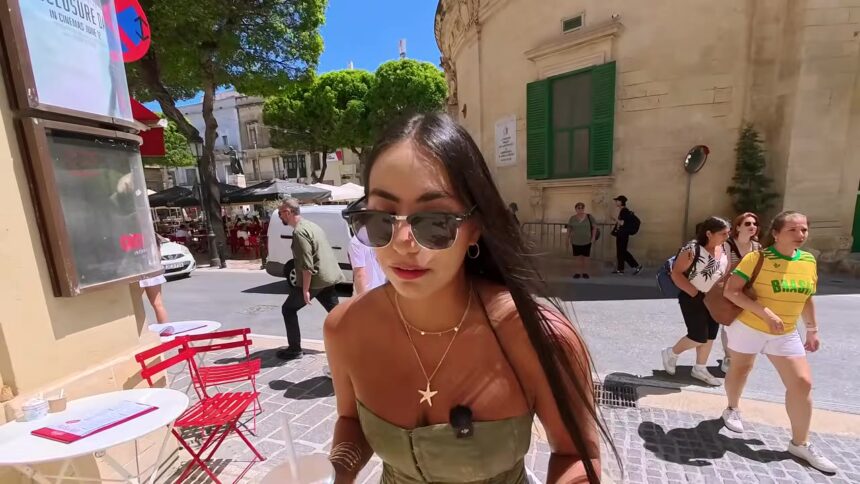
What Viajando con Vero’s journey shows
- The journey begins in the aftermath of the June 24, 2026 earthquakes, documenting the human reality beyond initial headlines.
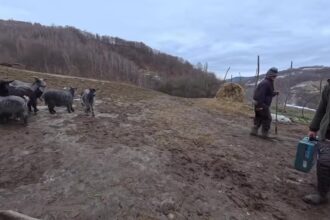
- It visits affected communities in and around La Guaira, where damaged buildings, displaced residents and emergency work are central to the story.
- The route continues toward Morón, one of the places closely associated with the earthquake zone and its wider impact.
- It also reaches Tucacas and other coastal communities, showing how the disaster has affected people beyond one single city.
- Conversations with families, volunteers and rescuers highlight relief efforts, immediate needs and ways people can support affected communities responsibly.
Watch Viajando con Vero’s on-the-ground documentary before making any decisions about travel or donations.
Current conditions after the June 24 earthquake
On June 24, 2026, two major earthquakes measuring 7.2 and 7.5 struck north-central Venezuela. La Guaira was among the hardest-hit areas, while parts of Caracas and other states also sustained damage. The emergency is not simply an event in the past: humanitarian agencies reported continuing displacement, damaged infrastructure and disruption to essential services during July and early August.
That context matters for visitors. A destination can appear reachable on a map while accommodation, roads, water, health care, communications or local transport remain under pressure. Tourism should never compete with emergency access, shelter capacity or recovery work. For a closer place-specific background, read our Tucacas, Venezuela travel guide after the earthquake, but treat all coastal plans as provisional until conditions materially improve.
Government travel guidance also remains serious. The U.S. State Department lists Venezuela at Level 3, “Reconsider Travel,” citing crime, kidnapping, terrorism and poor health infrastructure. The UK Foreign Office advises against all but essential travel to much of the country and specifically notes the risk of aftershocks and the ongoing humanitarian response. Check the current U.S. advisory and current UK travel advice immediately before any departure decision.
How to get there right now
Do not assume that Caracas is the arrival point for Venezuela at present. Maiquetía Simón Bolívar International Airport, which serves Caracas, is temporarily closed to commercial flights because of earthquake-related infrastructure damage. Commercial international flights are continuing from Valencia, Barquisimeto, Barcelona and Maracaibo, but availability is limited and schedules can change with little warning.
If you already hold a ticket to or from Caracas, contact the airline directly rather than arranging your own speculative reroute. Avianca, for example, has published flexibility options for eligible Caracas bookings, including a route change via Valencia subject to availability. That does not mean Valencia is a convenient substitute for a holiday itinerary: it means the airport may be a practical option for passengers who need to adjust existing travel.
Overland travel needs even more caution. Fuel shortages can occur outside Caracas, international cards may fail at petrol stations, checkpoints are common and road conditions can be difficult after dark. Do not rent a car to “explore” affected areas. If you are already in Venezuela for an essential reason, use a trusted local contact, maintain an independent exit plan and confirm each leg on the day of travel.
Best time to visit Venezuela after the earthquake
There is no responsible “best time” for leisure travel to the affected north-central corridor while relief and recovery operations continue. The relevant question is not whether a beach, town or road looks open online; it is whether local authorities, transport providers, accommodation operators and reliable foreign-travel advice indicate that services have stabilized without placing extra pressure on residents.
For now, avoid planning a fixed date for La Guaira, coastal Caracas access, Morón or disaster-affected communities. If your interest is Venezuela’s mountain landscapes rather than the earthquake zone, save the idea for a later trip and begin with a cautious read of our Colonia Tovar travel guide. Conditions can differ greatly between regions, but countrywide safety, flight and health-care realities still apply.
What it costs: verified 2026 planning figures
There is no reliable single “Venezuela trip budget” to publish during an active recovery period. Airfares, accommodation availability, internal transport and insurance eligibility are changing too quickly to present as dependable visitor costs. The verified figures below are limited to official travel thresholds and airline flexibility currently published for 2026.
| Item | Verified 2026 figure | What it means |
|---|---|---|
| Avianca eligible Caracas-booking route change | US$0 additional change charge | Available for specified existing bookings, subject to availability and the airline’s stated conditions. |
| Cash declaration threshold on entry | US$10,000 or more | Travelers must declare cash or travellers’ cheques at or above this amount. |
| Tourist-card stay for eligible air arrivals | Up to 90 days | This is an entry allowance, not a recommendation to travel; nationality-specific requirements must be confirmed before booking. |
Before paying for anything non-refundable, ask your insurer in writing whether it covers Venezuela, medical evacuation, earthquake disruption and changes caused by travel-advisory updates. Policies may exclude destinations or regions covered by official warnings.
Where to stay
For leisure travelers, the answer is simple: do not book accommodation in La Guaira or another affected community as a base for disaster sightseeing. Rooms, apartments and guesthouses may be unavailable, unsafe, repurposed for residents, or dependent on services that are not stable. Do not arrive without a confirmed accommodation contact who can verify current water, power, structural and access conditions.
Travelers already in the country for essential family, humanitarian or professional reasons should prioritize accommodation arranged through a host organization, employer, relatives or a verified local contact. Confirm cancellation terms, payment method and a backup option before moving between cities. Do not rely on online listings alone.
Safety and responsible planning tips
Stay away from damaged buildings, cordoned streets, shelters, rescue areas and distribution points. Do not fly in to volunteer without a formal role, required permissions and an organization able to provide transport, accommodation, insurance and security support. Informal volunteering can create additional work for local responders.
Carry identification, keep digital and paper copies of travel documents, avoid travel after dark and do not display cash or valuables. Bring essential medication in its original packaging, but remember that poor health infrastructure and limited consular support can turn a routine medical issue into a major problem. U.S. travelers should review embassy guidance and enroll in the Smart Traveler Enrollment Program if travel cannot be postponed.
For a more useful future Latin America itinerary, consider destinations with stable visitor infrastructure instead of treating a disaster zone as a detour. Our Guatapé, Colombia travel guide is a better starting point for a trip that supports local tourism under normal operating conditions.
Day-by-day (how to travel it yourself)
This is deliberately not a sightseeing itinerary. As of August 2026, the most responsible way to “travel it yourself” is to postpone a leisure route through affected areas and use a staged decision process instead.
- Day 1: Check whether travel is necessary. Review official advisories, airline notices and your insurer’s written position. If the purpose is tourism, postpone.
- Day 2: Confirm your transport reality. If you hold an existing booking, speak directly with the airline about the operating airport, rerouting and refund options. Do not purchase onward domestic travel until your international arrival is confirmed.
- Day 3: Confirm a safe, non-disruptive plan. Only essential travelers should proceed, with verified accommodation, a trusted local point of contact, emergency cash, communications backup and an exit plan. Do not include La Guaira, Morón or affected communities as visitor attractions.
If you want to contribute, prioritize established humanitarian organizations or verified local initiatives that state exactly how funds or supplies will be used. Do not turn aid delivery into an independent activity or visit recovery areas for photographs.
Frequently asked questions
Is Venezuela open to tourists after the June 2026 earthquake?
Some international flights continue through airports including Valencia, Barquisimeto, Barcelona and Maracaibo, but Caracas airport remains closed to commercial flights and official travel advice remains severe. Entry being technically possible is not the same as a recommendation for a leisure trip.
Can I visit La Guaira after the earthquake?
It is not a responsible leisure destination at present. La Guaira was heavily affected, recovery work continues and visitors should stay away from damaged buildings, shelters, rescue activity and areas under humanitarian pressure.
Are flights to Caracas operating?
Maiquetía Simón Bolívar International Airport, which serves Caracas, is temporarily closed to commercial flights. Check directly with your airline because schedules and alternative airport arrangements can change quickly.
Can I volunteer in Venezuela after the earthquake?
Only travel to volunteer if you have been formally accepted by a legitimate organization that has confirmed your role, permissions, accommodation, transport, security arrangements and insurance. Independent arrivals can burden local responders and affected communities.
Facts and prices verified in August 2026. Travel with Influencers is an independent fan/editorial guide, not affiliated with or endorsed by the creators featured. Watch and support the original creator: Viajando con Vero on YouTube.