The best things to do in Cazorla, Spain are to explore its castle-topped old town, walk beside the Cerezuelo River and use the village as a base for the wild landscapes of the Sierras de Cazorla Natural Park. This compact town in Jaén province combines Renaissance ruins, steep lanes, viewpoints and easy access to forest, waterfalls and hiking routes. This guide explains how to arrive, when to go, the verified costs worth planning for, where to stay and how to recreate a rewarding two-day Cazorla trip.
What Pasaporte Viajero’s journey shows
- A first look at Cazorla’s compact historic centre, where narrow, sloping streets connect its principal squares and monuments.
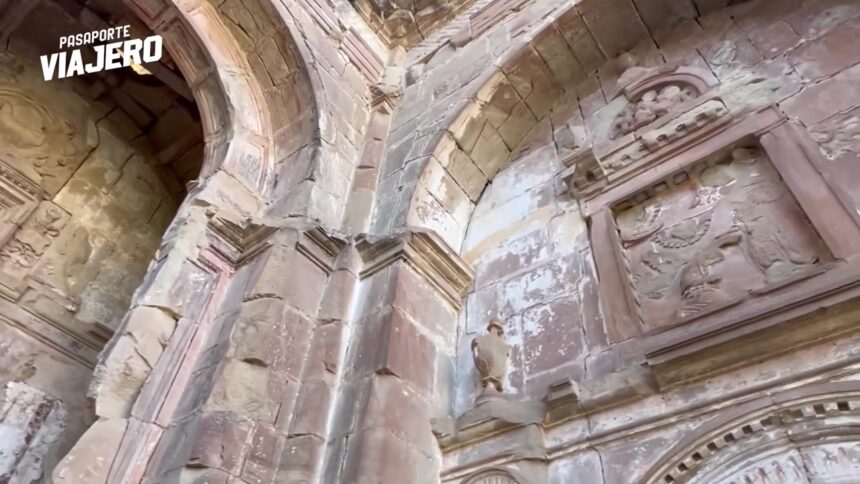
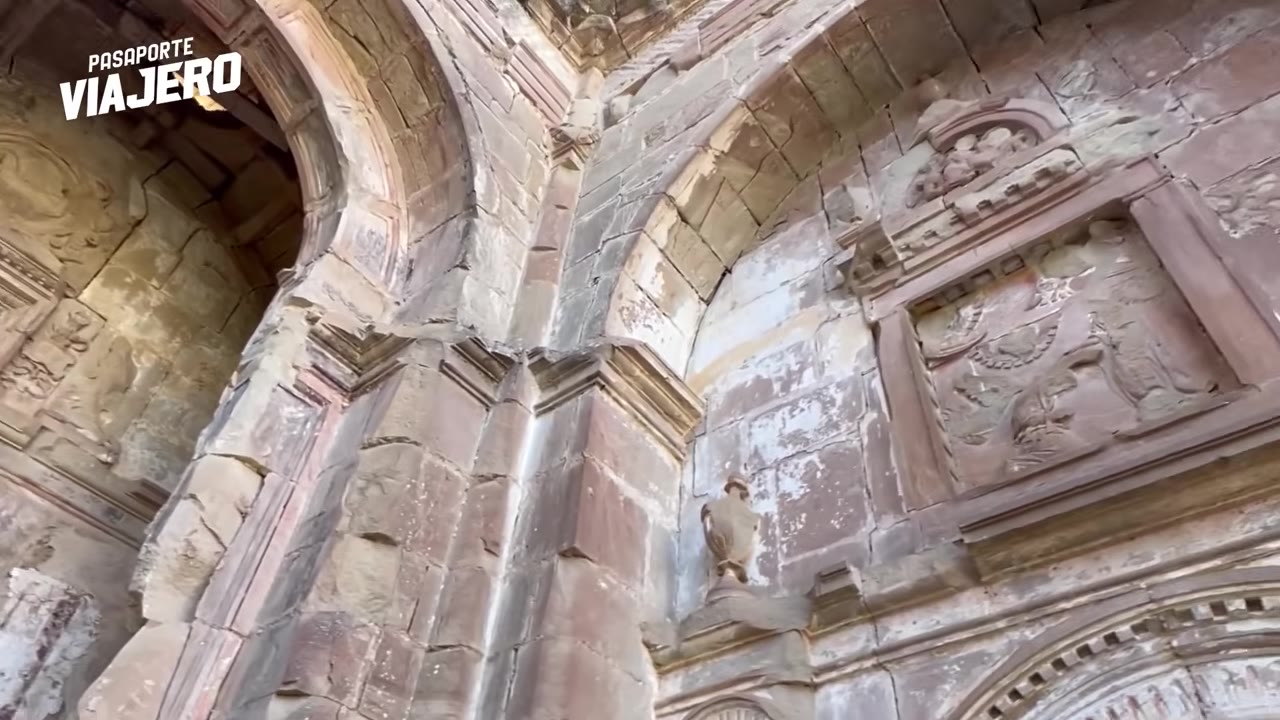
- The Ruins of Santa María and Plaza de Santa María, the atmospheric heart of the old town.
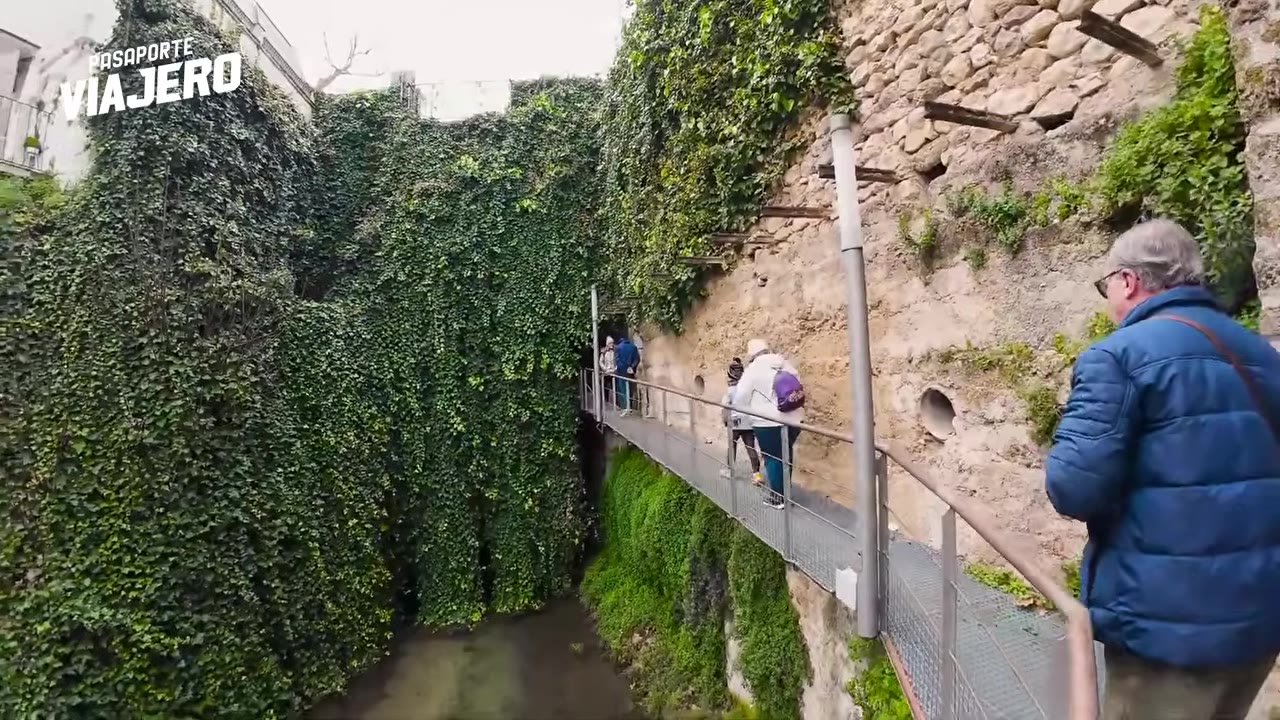
- The unusual vault that channels the Cerezuelo River beneath the church and square.
- Castillo de la Yedra, the fortress above town that gives Cazorla its defining skyline.
- The transition from village sightseeing to the surrounding Sierra de Cazorla, where viewpoints, water and mountain scenery become part of the experience.
Watch Pasaporte Viajero’s overview first, then use the practical details below to plan the trip at your own pace.
How to get to Cazorla
Cazorla is in the east of Jaén province, on the edge of the Sierras de Cazorla, Segura y Las Villas Natural Park. A car is the easiest choice if you want to continue beyond the village to trailheads, viewpoints or river routes. From the main N-322 corridor, the usual approach is via the A-315 towards Peal de Becerro, then the A-319 to Cazorla. The official tourism office also identifies the A-319 as the principal road for approaching Cazorla from the Úbeda area.
Public transport can work for an old-town stay: Cazorla has a bus station, and ALSA operates daily services connecting Cazorla with Granada, Jaén, Úbeda and Linares, according to the municipal tourism office. Train travellers should plan to connect by road or bus from a regional rail station rather than expect a train into Cazorla itself.
For a road-trip version of Andalusia, pair Cazorla with the Renaissance towns of Úbeda and Baeza. If scenic villages are the main reason for your trip, our Val d’Orcia travel guide is another useful reference for building a slow, countryside-focused itinerary in southern Europe.
Best time to visit Cazorla
April to June and late September to October are the strongest periods for most travellers. Days are generally more comfortable for steep street walks and hiking, while spring brings greener scenery and stronger water flow along the local river routes. Autumn is excellent for quieter walking and softer light across the olive groves.
July and August are best reserved for visitors who enjoy warm evenings, festivals and early-morning outdoor plans. In summer, start a walk at first light, return to town for lunch and rest, then explore the old centre after the heat fades. Winter is quieter and can be beautiful, but mountain roads and higher trails require more caution in poor weather.
The municipal tourist office is located inside the Ruins of Santa María, close to Plaza de la Constitución, making it a practical first stop for trail conditions and local opening information.
What Cazorla costs in 2026
Cazorla can be an affordable destination because the most memorable elements of the town—the lanes, plazas, viewpoints and river-side walk—do not require a full day of paid attractions. Prices below are published rates checked in September 2026; accommodation, meals and guided excursions vary by date and operator, so confirm those before booking.
| Item | 2026 published price | Planning note |
|---|---|---|
| Frondosa Naturaleza interpretation centre | €2 general admission | Reduced admission for pensioners, visitors with disabilities and local schoolchildren is €1. |
| Municipal tourist parking pass | €10 per day | Available for stays from 24 hours up to 168 hours under the municipal parking ordinance. |
For the lowest-cost day, walk Plaza de Santa María, photograph the exterior of Castillo de la Yedra, follow the Cerezuelo River route and choose one paid indoor visit only if it suits the weather. The interpretation centre is especially useful at the beginning of a stay because it introduces the landscape, wildlife and local history.
Where to stay in Cazorla
Stay in or immediately below the historic centre if your priority is being able to walk to dinner, Plaza de Santa María and the castle area. Expect cobbles, hills and some access restrictions, so confirm whether your accommodation has parking and whether the final approach is suitable for your vehicle. A room around Plaza de la Corredera or the lower town can be easier for luggage and road access while remaining walkable to the old quarter.
Choose a rural hotel, apartment or country house outside town if you want quiet nights, a pool in warmer months, or a quicker start for the natural park. This works particularly well for travellers with a car and for families planning several days of hiking. The official Cazorla tourism site highlights the town’s broad choice of rural accommodation and its role as a gateway to the park.
Practical safety and activity tips
Cazorla is a relaxed small-town destination, but its terrain deserves respect. Wear shoes with grip for the historic centre: many streets are steep, polished or uneven. Carry water even on short walks in warm weather, and do not assume that a route that begins beside town remains easy once it climbs into the hills.
The Cerezuelo River route begins at Plaza de Santa María and heads toward Castillo de la Yedra through poplars, pools and wooden bridges. It is an excellent gentle activity, but use care around wet rocks and supervise children beside the water.
For bigger mountain days, check weather, road conditions and route status locally before leaving. The official route information also identifies walks towards Gilillo and the Cortados del Chorro, while accessible options include viewpoints at Cerrada de Utrero and a section of the Borosa River route.
Guided outings are worthwhile if you do not have a car or want help navigating the park’s longer routes, wildlife areas and mountain roads.
Day-by-day (how to travel it yourself)
Day 1: Cazorla old town and the river. Arrive before lunch, leave your car at your accommodation or a suitable public car park, and begin in Plaza de Santa María. Visit the Ruins of Santa María, whose church was built over the Cerezuelo River vault, then walk the surrounding lanes at an unhurried pace. After lunch, follow the Cerezuelo River route towards Castillo de la Yedra. Finish with sunset views from the castle area, then return to town for a tapas dinner.
Day 2: Choose your nature level. For a relaxed day, visit Frondosa Naturaleza, drive or arrange transport to an accessible viewpoint or enjoy another section of the river landscape. For an active day, ask locally about a suitable hike towards Gilillo or book a guided excursion into the natural park. The official Gilillo circuit starts via Plaza de Santa María and the Cerezuelo route before climbing through the surrounding hills.
If you have a third day, slow down rather than adding too many kilometres: revisit the old town in morning light, explore an olive-oil experience, or use Cazorla as a base for a longer park route. For a different Spanish island road-trip style, see our Fuerteventura camper van guide.
Frequently asked questions
Is Cazorla worth visiting for one day?
Yes. A full day is enough for Plaza de Santa María, the Ruins of Santa María, the exterior and viewpoints around Castillo de la Yedra, and part of the Cerezuelo River route. Stay two nights if you also want to explore the natural park.
Do I need a car in Cazorla?
No for the historic centre, where walking is best. Yes, or a guided tour, if you want the greatest flexibility for waterfalls, remote viewpoints and longer natural-park routes.
What is the main historic sight in Cazorla?
Castillo de la Yedra is the landmark that dominates the town. Its museum is housed within the fortress complex, while the Ruins of Santa María and the river vault form the key historic stop in the centre.
Is Cazorla suitable for travellers who do not hike?
Yes. The village itself offers architecture, cafés, plazas, castle views and a short river-side walk. There are also accessible viewpoints and route sections listed by the local tourism office.
Facts and prices verified in September 2026. Travel with Influencers is an independent fan/editorial guide, not affiliated with or endorsed by the creators featured. Watch and support the original creator: Pasaporte Viajero on YouTube.