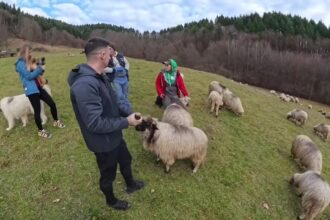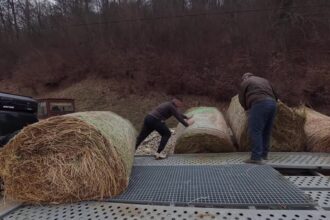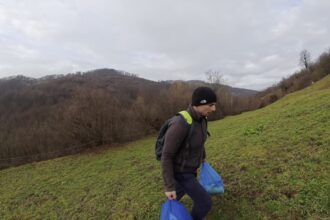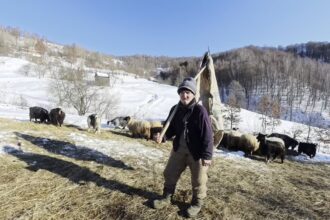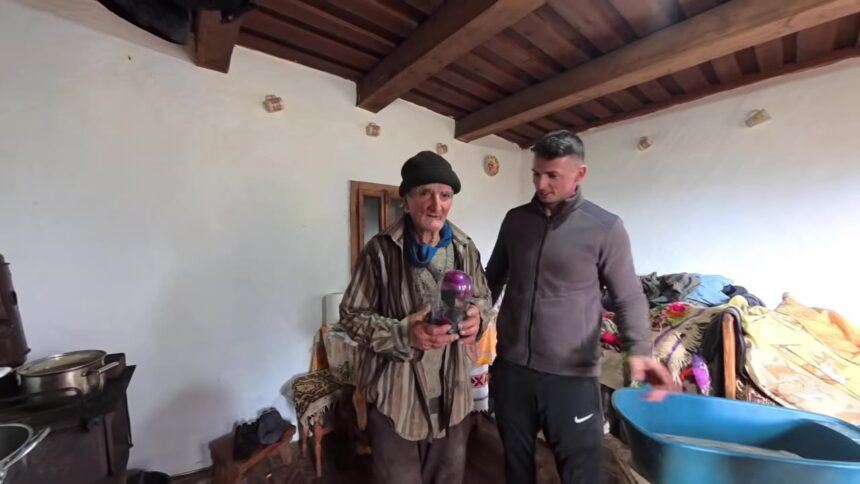
A rural Romania travel guide is best experienced slowly: stay in a village guesthouse, travel the back roads of Maramureș, and make time for the ordinary work that still shapes countryside life. This is not a checklist of staged folklore. It is a practical route for seeing traditional homes, livestock, crafts, wooden churches and small-town markets with respect, inspired by a moving visit with a farmer in northern Romania. Below, you will find the best time to go, realistic verified 2026 costs, transport advice, places to base yourself and a simple itinerary you can repeat independently.
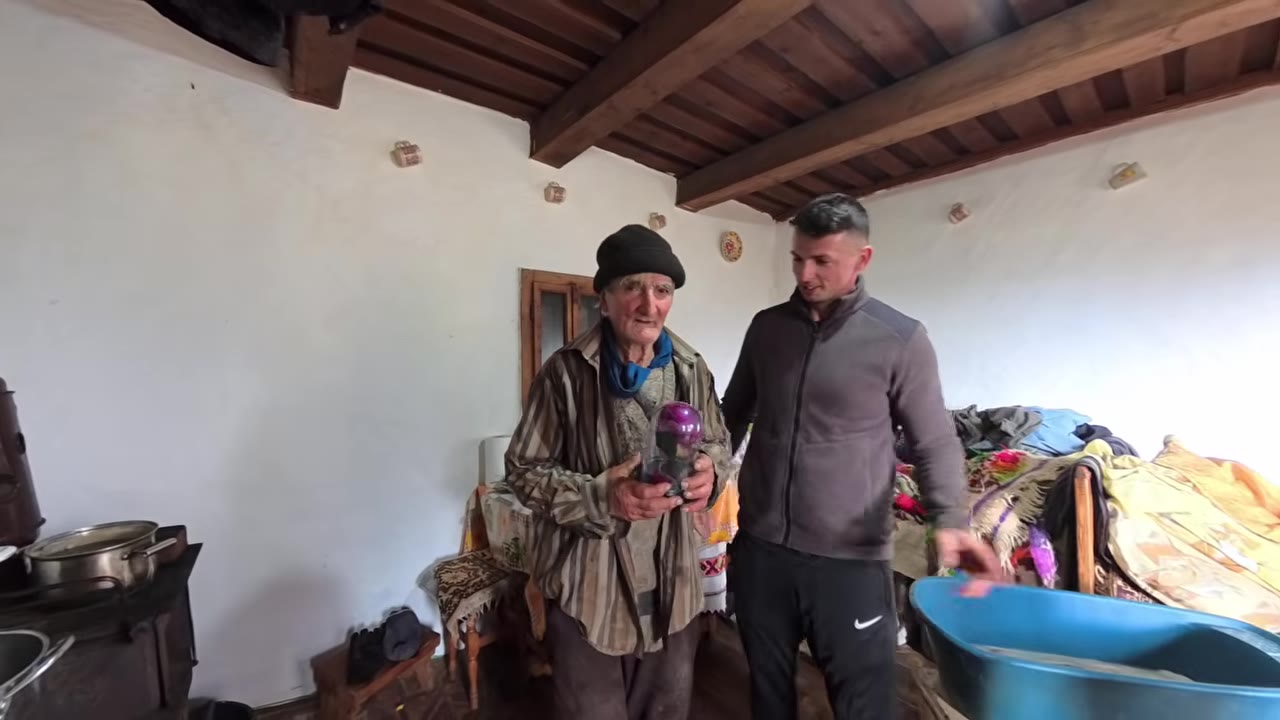
What Haida in Lume’s journey shows
- A visit to a working rural household rather than a polished tourist attraction.
- A conversation with Nea Leon, a local farmer, about the realities of keeping a farm going.
- The emotional decision to sell his bull, described in the video as a source of pride for the household.
- The physical demands of agricultural work and the effect that age can have on daily farm life.
- A reminder that Romania’s countryside is a living place, where traditions continue alongside difficult economic choices.
Watch the original video before planning your route, then use this guide to turn its atmosphere into a thoughtful, practical trip.
How to get to rural Maramureș
For the most rewarding version of this rural Romania travel guide, use Sighetu Marmației or Vișeu de Sus as your base in Maramureș. The region is in Romania’s far north, close to the Ukrainian border, and its villages are spread across valleys rather than concentrated around one town.
Flying into Bucharest is convenient for international arrivals, but a rental car is the most flexible way to reach and explore Maramureș. The regional roads connect villages, monasteries and museums, yet public transport is not designed around sightseeing. If you do not drive, arrange a local driver through your accommodation and confirm the day’s route in advance. The official regional tourism guidance likewise advises a car for village exploration because sights are scattered along secondary roads.
Travelers combining city and countryside can first take the train to Brașov, then continue by road into Transylvania and north toward Maramureș. CFR Călători operates services on the Bucharest–Brașov route, including regional electric services introduced in August 2026; always check the live timetable and buy rail tickets before boarding where possible.
For another slower European countryside route, see our Val d’Orcia travel guide, where village driving and staying outside the main towns matter just as much as the headline sights.
Best time for a rural Romania trip
Late May through September is the easiest period for first-time visitors. The roads are generally simpler to navigate, village guesthouses are fully active, and farm work, gardens and haymaking give the landscape the lived-in character many visitors hope to find. September is especially appealing for cooler days, harvesting activity and fewer summer crowds.
Winter can be beautiful if you want snow, Christmas customs and indoor meals around a stove, but you should expect shorter daylight, more difficult driving and fewer spontaneous options in small villages. Spring is green and quiet, although rain and muddy lanes can complicate walks around farms.
Do not plan around a festival unless you have confirmed its exact dates directly with the municipality or organizer. Rural events can change according to local calendars, weather and religious holidays. A better approach is to book a guesthouse that serves meals and ask your hosts what is genuinely happening in the village during your stay.
What it costs in 2026
Rural Romania can be excellent value, but prices vary sharply by season, room standard and whether meals are included. The figures below are individual published prices that were available in September 2026; accommodation, fuel, car hire and private guiding are variable, so request a written total before committing.
| Item | Verified 2026 price | Useful detail |
|---|---|---|
| Mocănița Maramureș standard adult ticket | 136 lei | Steam-train excursion from Vișeu de Sus; the operator lists a return journey of about 6 hours. |
| Mocănița Maramureș Special adult package | 198 lei | Includes the rail ticket plus a grill platter, coffee, soft drink and pastry. |
| Sighet Memorial adult admission | 25 lei | Allow at least an hour for this serious, important museum. |
| Maramureș Village Museum adult admission | 20 lei | Open-air museum in Sighetu Marmației. |
Where to stay in rural Romania
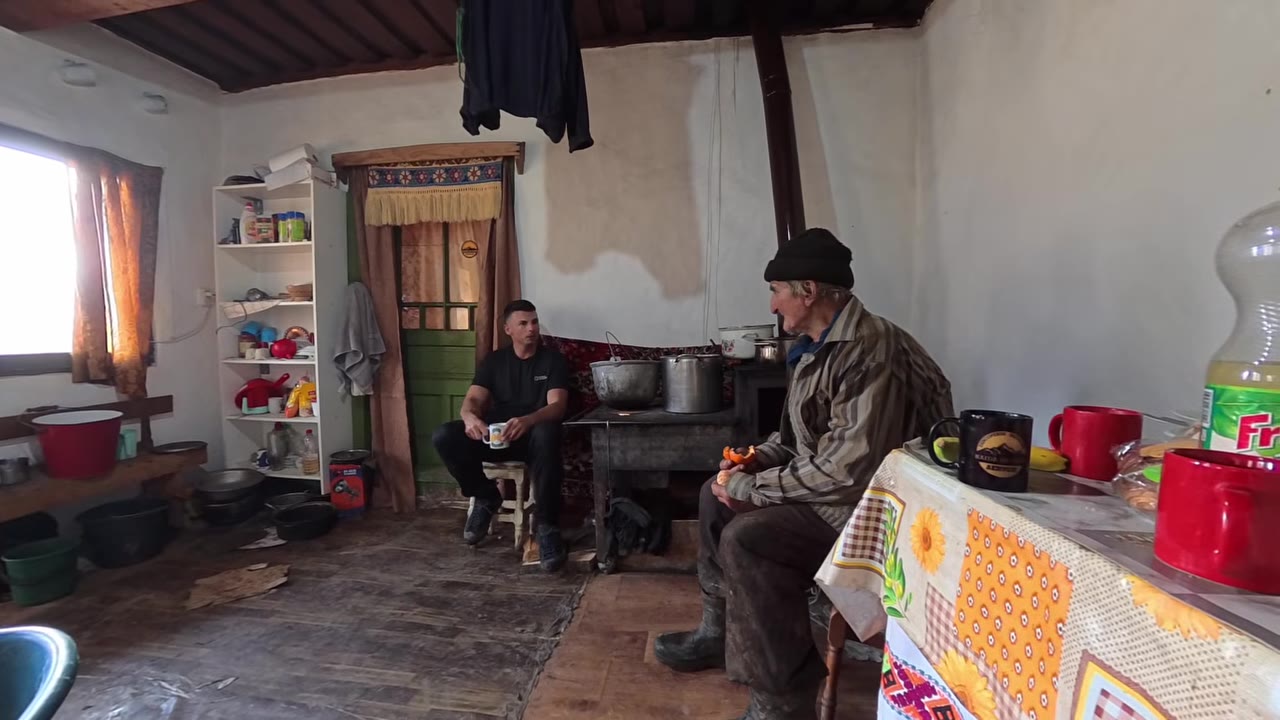
Choose a family-run pensiune or agrotourism guesthouse in or near Sighetu Marmației, Bârsana, Botiza, Ieud, Breb or Vișeu de Sus. The best stays are not necessarily the most luxurious: look for clear parking information, breakfast or dinner options, recent guest reviews and hosts who can explain local etiquette in English or Romanian.
Ask before booking whether dinner is served every night, whether card payment is accepted, and whether the property can arrange a farm visit, craft workshop or driver. Treat these as hosted experiences rather than attractions: arrive on time, pay the agreed price and do not enter barns or photograph people without permission.
If you prefer a broader Transylvania route, split your nights between a Maramureș village and the Saxon village of Viscri. Viscri asks visitors to park outside the core village, explore on foot, reserve services ahead and take all rubbish away—good principles for any rural stay.
Rural etiquette, safety and useful tips
Romania is generally straightforward for independent travel, but countryside travel rewards preparation. Download offline maps, carry some cash in Romanian lei, keep your fuel level high and avoid scheduling too many distant stops in one day. Farm lanes may be narrow, animals can be on the road, and the scenery is more enjoyable when you are not rushing.
Greet people before asking questions, learn a few words such as bună ziua (good day) and mulțumesc (thank you), and accept that not every local household wants visitors. Never treat poverty, animals or personal hardship as a photo opportunity. Ask first, listen more than you speak and buy local food or crafts directly when offered fairly.
For U.S. visitors, Romania is in the Schengen Area and temporary tourist stays are generally permitted visa-free for up to 90 days in a 180-day period; border systems may collect biometric information for non-EU travelers. Check your personal entry requirements before departure. The U.S. State Department also advises visitors not to approach stray dogs or feed bears.
Day-by-day (how to travel it yourself)
Day 1: Arrive in Sighetu Marmației.
Collect your car or meet a pre-arranged driver, check into a village guesthouse and take a relaxed evening walk. Have dinner at your accommodation if available, which is often the simplest way to begin tasting regional cooking.
Day 2: Sighet, Săpânța and village life.
Visit the Maramureș Village Museum to understand the region’s traditional building styles, then make time for the Sighet Memorial. Continue toward Săpânța and nearby villages, keeping the day flexible for roadside stops, local gates, churches and conversations where welcome.
Day 3: Vișeu de Sus and the Vaser Valley.
Book the Mocănița steam train in advance. The regular 2026 service runs daily from May through October, while schedules and holiday fares can differ, so confirm your exact departure directly before traveling.
Day 4: Bârsana, Botiza and Ieud.
Drive slowly through the Iza Valley, stopping at Bârsana Monastery and choosing one craft-focused activity, such as weaving, wood carving or a home-cooked lunch arranged through your guesthouse. Keep expectations modest: the aim is not to consume traditions, but to understand the places where they are still part of daily life.
Day 5: Return south or continue through Transylvania.
Drive toward Cluj-Napoca or Brașov for an onward connection, or extend the journey with another rural overnight stop. Travelers who enjoy comparing regional cultures can continue west to Spain with our Cazorla guide, another destination where nature and traditional small-town life meet.
Frequently asked questions
Is Maramureș a good choice for a first rural Romania trip?
Yes. It has strong living traditions, a useful cluster of villages around Sighetu Marmației and Vișeu de Sus, and enough museums and cultural sites to add context to what you see on the road.
Do I need to rent a car?
It is strongly recommended. Trains and buses can bring you into the wider region, but rural landmarks, homes and guesthouses are dispersed. A local driver is the best alternative if you do not want to drive.
Can I visit farms without arranging anything?
No. A working farm is private property, not an open attraction. Ask through your guesthouse, accept a refusal gracefully and agree on any fee before the visit begins.
How many days should I allow for rural Maramureș?
Allow at least four full days. That gives you time for Sighet, one steam-train day, several villages and unplanned stops without turning the trip into a race.
Facts and prices verified in September 2026. Travel with Influencers is an independent fan/editorial guide, not affiliated with or endorsed by the creators featured. Watch and support the original creator: Haida in Lume on YouTube.