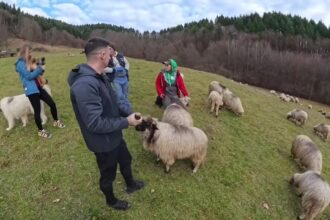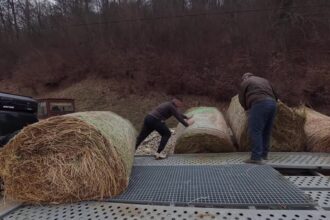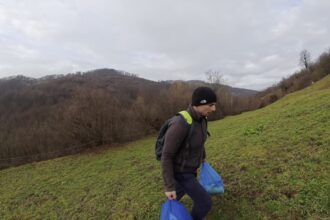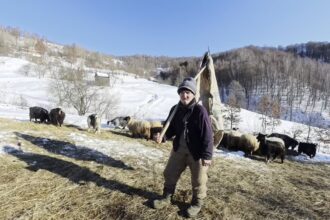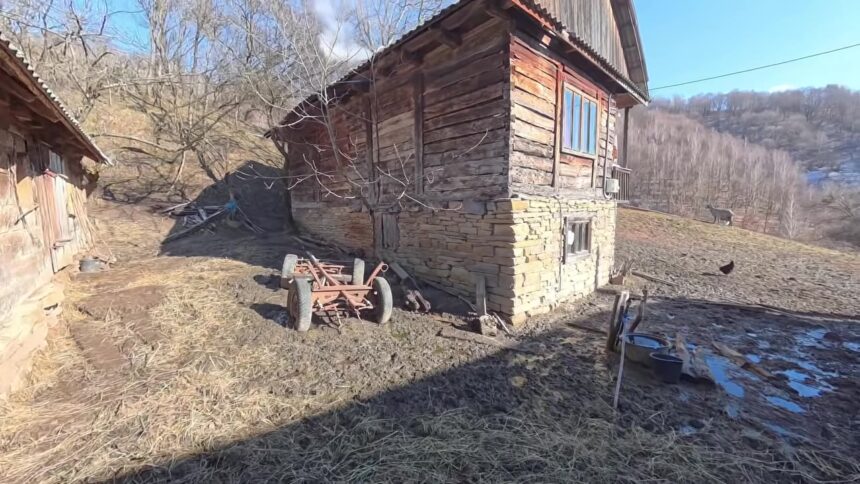
Romanian village culture and traditions are best experienced slowly, respectfully, and with time to listen to the people whose daily work keeps them alive. This guide turns the atmosphere of a countryside visit into a practical trip you can plan yourself, focusing on Maramureș in northern Romania: traditional homes, wooden churches, family farms, village museums, and local stories. You will find transport advice, seasonal planning, verified entry prices, thoughtful accommodation ideas, and an easy three-day route.
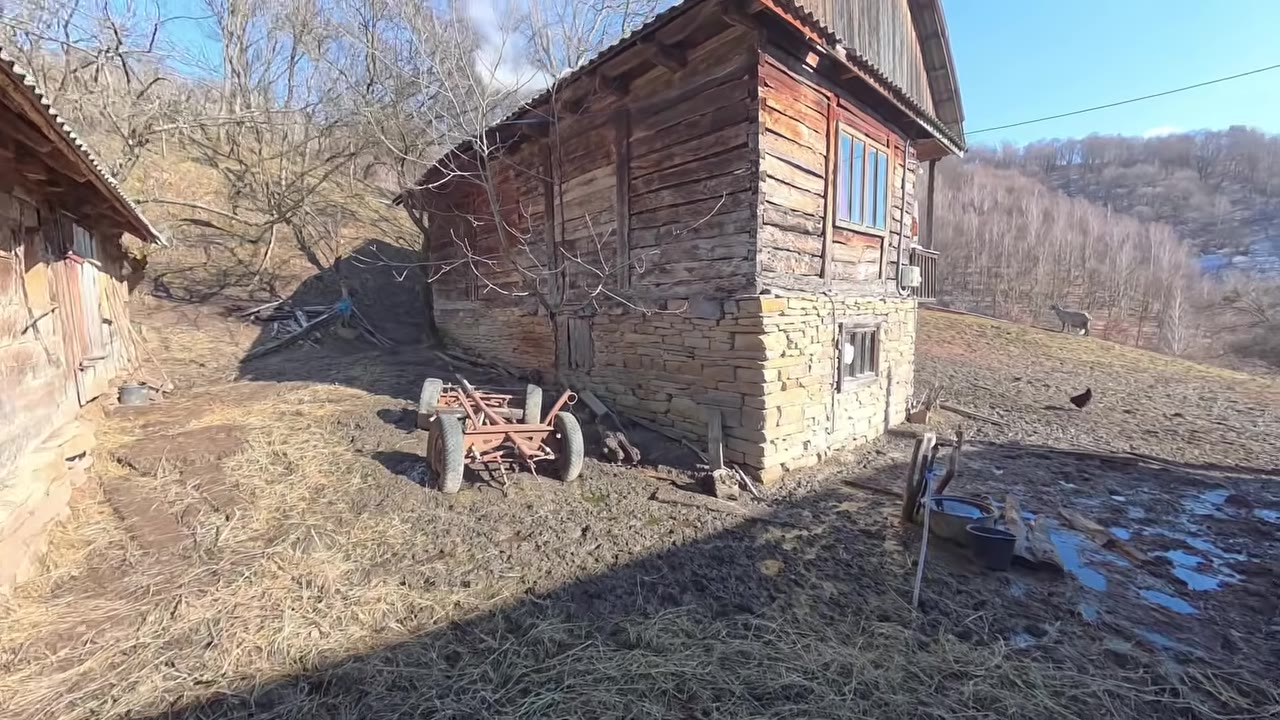
What Haida in Lume’s journey shows
- A move away from the city and into the everyday setting of a Romanian village household.
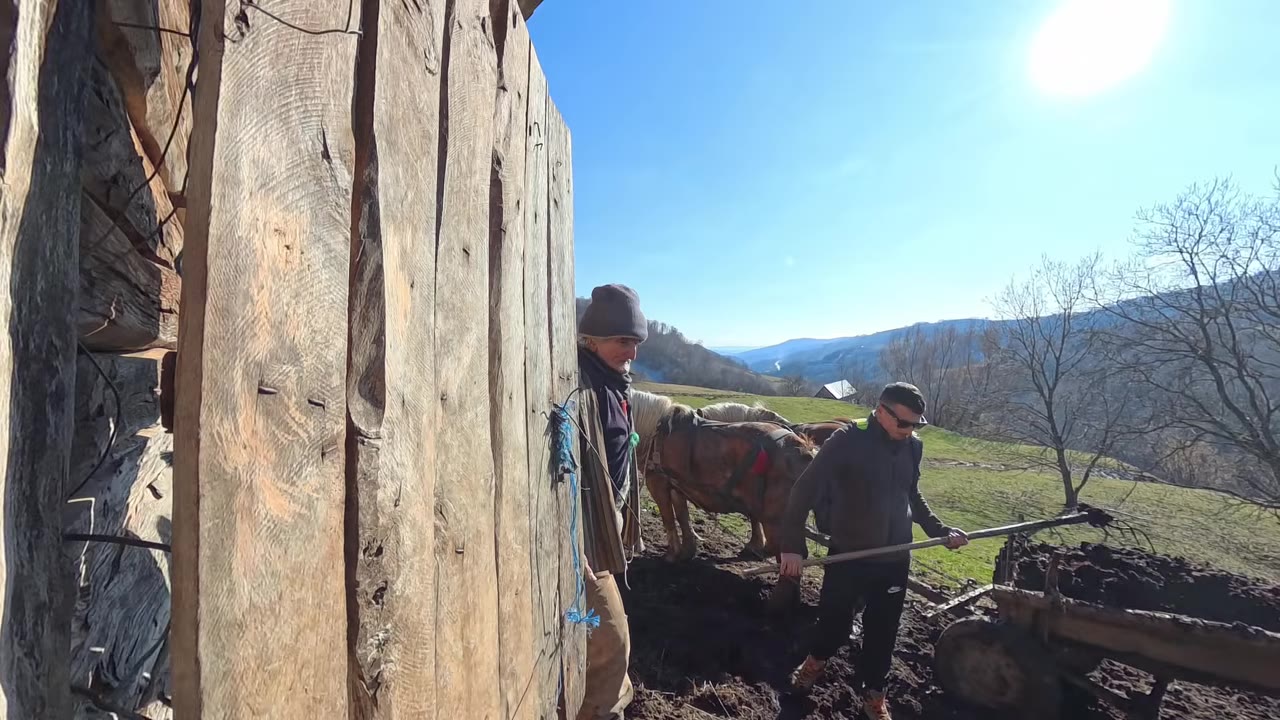
- The introduction of Nea Leon, whose life story is closely tied to raising and working with animals.
- A personal decision to sell a bull that has been part of the farm for years.
- The practical realities behind rural work, including responsibility, age, labour, and changing household needs.
- A reminder that village traditions are not staged performances: they are carried through conversations, skills, family property, and daily routines.
Watch the original video before you go, then use the guide below to plan a respectful countryside experience of your own.
How to get to rural Maramureș
For a first trip focused on Romanian village culture and traditions, use Sighetu Marmației as your base. It is a practical town for reaching the open-air Maramureș Village Museum, Săpânța, and villages such as Breb, Ieud, Bârsana, and the Vaser Valley area around Vișeu de Sus.
Most international visitors arrive through Bucharest, Cluj-Napoca, or Baia Mare. A rental car is the simplest option once you are in Maramureș because village sights are dispersed and public transport is limited outside the main towns. If you prefer rail, CFR Călători sells domestic tickets online and through its app; schedules, train types, and availability should be checked for your exact travel date rather than assumed from a general timetable.
Do not try to cover rural Maramureș as a rushed day trip from Bucharest. Give the region at least two nights, ideally three. Roads through the valleys are scenic but slower than map distances suggest, and the most rewarding moments often happen when you stop for a churchyard, a roadside gate, a small food shop, or a conversation with a host.
Best time to experience village life
Late May through June and September through early October are the strongest periods for a first visit. Daylight is generous, countryside work is active, and you can travel between villages without the deepest winter conditions or the busiest summer holiday weeks. The Maramureș Village Museum in Sighetu Marmației has its longer daily schedule from April 15 to September 30, opening from 10:00 to 18:00, with last entry at 17:30.
Summer is good for green landscapes, family travel, and outdoor exploration, but reserve accommodation ahead for weekends and local celebrations. Winter has a special appeal if you want snow, seasonal food, and Christmas customs, but drive only if you are comfortable with mountain-weather conditions. Museum winter hours are shorter, so build your days around daylight.
For more ideas on building a countryside route around local customs, see our Romanian Village Traditions and Rural Life: A Maramureș Guide and our wider Rural Romania Travel Guide: Traditions, Villages and Maramureș.
What it costs in 2026
Rural Romania can be good value, but costs vary sharply by season, transport choice, and whether you book a private guide or driver. The fixed prices below are published by the relevant attraction or museum. Use them as a planning baseline, and confirm them directly before payment because public fees and opening arrangements can change.
| Item | Verified 2026 price | Notes |
|---|---|---|
| Maramureș Village Museum adult admission | 20 lei | Muzeul Satului Maramureșean “Mihai Dăncuș,” Sighetu Marmației. |
| Maramureș Village Museum English or Romanian guide | 80 lei | Guide fee listed by the museum; useful for families or small groups. |
| Merry Cemetery, Săpânța, adult admission | 10 lei | Open daily from 08:00 to 20:00 according to the official site. |
| Merry Cemetery, Săpânța, child admission ages 7–14 | 5 lei | Children aged 0–7 are listed as free. |
Budget separately for lodging, meals, fuel or a driver, and any crafts you choose to buy. In small villages, carry some Romanian lei for family-run guesthouses, local food, small donations, and purchases from artisans. Do not expect every rural business to have the same card-payment setup as a city hotel.
Where to stay for a respectful rural experience
Choose a family-run guesthouse in Breb, Desești, Bârsana, or the countryside around Sighetu Marmației if you want to wake up in a village rather than simply visit one. Ask before booking whether breakfast and dinner are prepared on site, whether the host speaks English, whether private parking is available, and whether the property is genuinely in the village centre or on a main road outside it.
A small pension can offer much more than a bed: it may be your best introduction to home cooking, garden produce, local etiquette, and the pace of the area. Be clear about arrival time, especially if you are driving after dark, and do not assume that every traditional home has hotel-style soundproofing, air-conditioning, or round-the-clock reception.
Village etiquette, safety, and useful tips
The central rule is simple: treat homes, farms, churches, and cemeteries as lived and meaningful places, not as open-air sets. Ask before photographing people, livestock, gardens, household interiors, or religious services. A friendly greeting in Romanian goes a long way: “Bună ziua” is a polite daytime hello, while “mulțumesc” means thank you.
Dress modestly for wooden churches and monasteries, keep voices low in cemeteries, and never climb on carved gates, fences, graves, or historic buildings. If a host offers food or a drink, you can accept warmly or decline politely; there is no need to perform enthusiasm for an experience you do not want.
For activities, prioritize local guides, museum-led visits, craft workshops arranged with permission, and meals served by established guesthouses rather than turning up unannounced at private farms. The official Maramureș Village Museum offers guided visits in Romanian or English, while the Merry Cemetery’s official site lists daily visitor hours and contact information.
Day-by-day (how to travel it yourself)
Day 1: Arrive in Sighetu Marmației and learn the visual language of Maramureș. Check into a guesthouse, then visit the Maramureș Village Museum. Its reconstructed buildings provide context for the wooden homes, gates, barns, and religious spaces you will see across the region. Arrange the museum guide if you want deeper explanations of the household layout and local craft traditions.
Day 2: Săpânța and village roads. Visit the Merry Cemetery early, when it is quieter, and take time to read its painted crosses with respect. Continue through village roads toward Bârsana, Desești, or Breb, stopping only where parking is safe and access is public. Spend the evening at your guesthouse, ideally with a pre-arranged home-cooked dinner and time to ask your host about the area.
Day 3: Choose depth over distance. Either explore another cluster of villages and wooden churches near your base, or drive toward Vișeu de Sus for a Vaser Valley day. The Mocănița forest railway journey takes about six hours round trip, so it works best as the main activity of a separate day rather than an add-on between villages. Check the operator’s current schedule before committing, as departures and seasonal operation can vary.
Frequently asked questions
What is the best base for Romanian village culture and traditions?
Sighetu Marmației is the most practical base for a first Maramureș itinerary because it combines services, the open-air village museum, and access to Săpânța and nearby villages. Breb or Desești are better choices if you want to sleep in a quieter village setting.
Do I need a car in rural Romania?
A car makes the trip considerably easier, especially for linking villages, churches, guesthouses, and viewpoints. You can reach larger towns by train, but plan local transport carefully if you will not drive.
Can I visit working farms?
Only by invitation or through an arranged local experience. Farms are private workplaces, and animals, machinery, food preparation, and family routines should never be treated as tourist entertainment without the owner’s clear permission.
How many days should I allow for Maramureș?
Plan three full days for an unhurried introduction. Add a fourth day if you want to include the Vaser Valley railway or spend more time with a local host, artisan, or guide.
Facts and prices verified in September 2026. Travel with Influencers is an independent fan/editorial guide, not affiliated with or endorsed by the creators featured. Watch and support the original creator: Haida in Lume on YouTube.