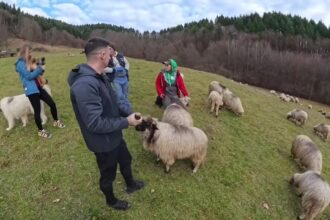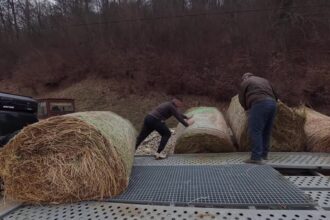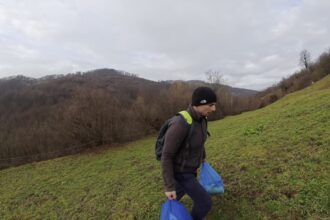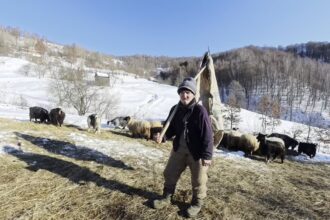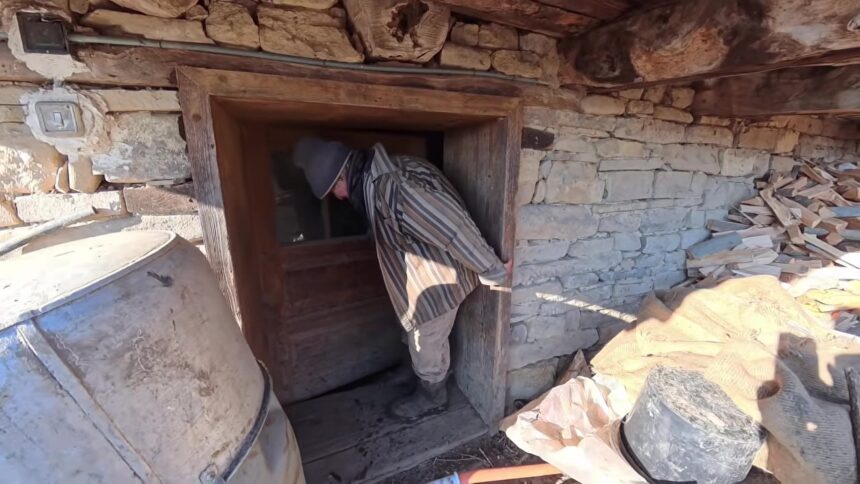
Romanian village traditions and rural life are best experienced slowly in Maramureș, where working households, carved wooden gates, church-going customs and family stories remain part of daily life rather than staged attractions. This guide turns that idea into a practical trip based around Sighetu Marmației, the Iza Valley and nearby villages. You will find the easiest ways to arrive, the seasons that suit respectful cultural travel, verified entry costs, accommodation advice and a simple three-day route you can follow independently.
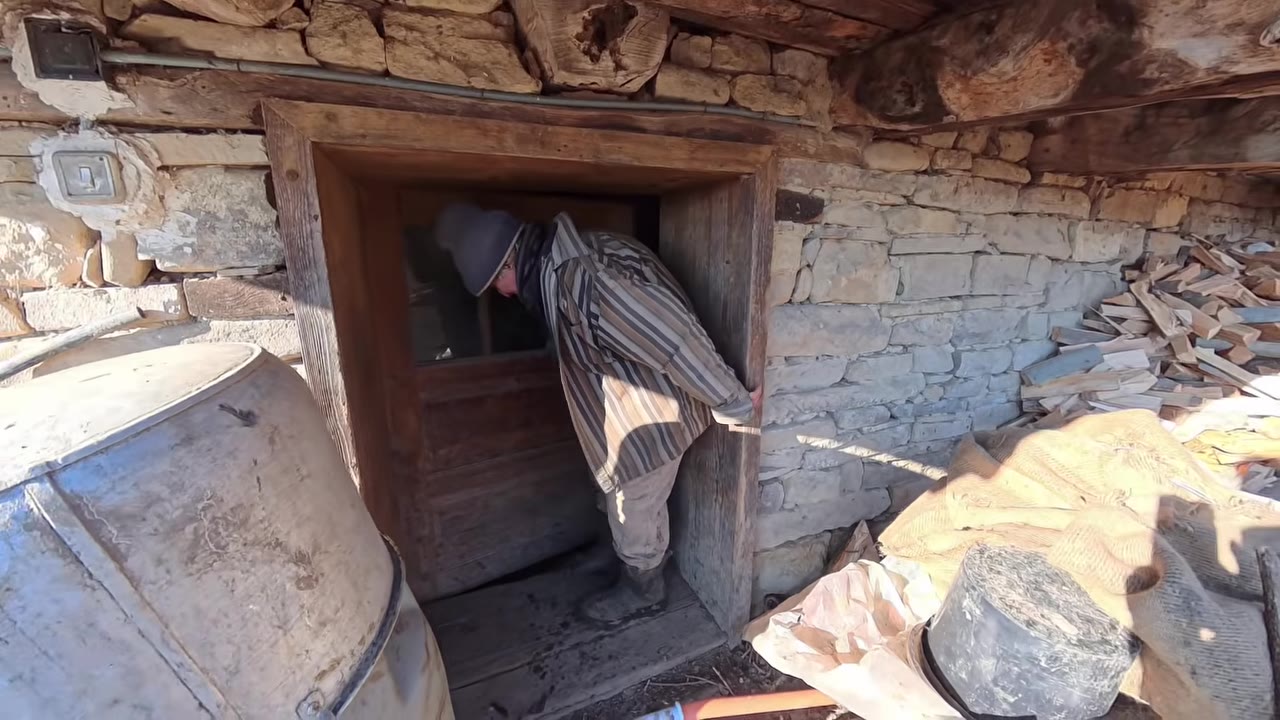
What Haida in Lume’s journey shows
- A close look at a Romanian household where livestock is not simply an economic asset, but part of a family’s everyday responsibility and pride.
- The story of nea Leon and the difficult decision to sell his bull, a moment that reveals the emotional weight behind rural work.
- The care, discipline and familiarity involved in raising a powerful farm animal day after day.
- A form of rural storytelling that values patience, memory and the character of ordinary people over polished tourist scenes.
- A useful reminder for visitors: village life is lived first, and observed second.
Watch the original video before you go, then use the practical notes below to build a respectful trip around the places and traditions that give this kind of story its real context.
How to get to Maramureș village country
For a first trip focused on Romanian village traditions and rural life, use Sighetu Marmației as your base. It has useful services, the Maramureș Village Museum and access to the Iza Valley, Săpânța, Bârsana and the road toward Vișeu de Sus.
Cluj-Napoca is the most practical international arrival point for many travelers. The Maramureș County tourism guide places Cluj-Napoca around 180 kilometres from Sighetu Marmației, while Baia Mare and Satu Mare are closer regional airport options. Hiring a car from Cluj-Napoca is the most flexible choice for visiting scattered villages, stopping at wooden gates and reaching small family guesthouses without relying on limited rural connections.
Rail travelers can also use CFR Călători. The official timetable shows regular trains linking Sighetu Marmației with Vișeu de Jos and onward connections through the national network; always search your exact travel date before booking, as services and connections can change. If you arrive without a car, stay in Sighetu and arrange day trips with a licensed local driver or accommodation host rather than assuming there will be frequent buses to every village.
Best time to experience rural traditions
Late May through September is the easiest period for a first visit: roads are generally simpler to navigate, daylight is long and village gardens, hay meadows and outdoor household activity are at their most visible. The Maramureș Village Museum in Sighetu Marmației is open daily from 10:00 to 18:00 between April 15 and September 30, with last entry at 17:30.
For a quieter visit, choose late September or early October. The landscape begins to change color, but take warmer layers and expect a shorter museum day: the museum’s winter timetable runs from October 1 to April 14, from 08:00 to 16:00. Winter can be deeply atmospheric, especially around Christmas customs, but it requires more advance planning, appropriate footwear and flexibility in poor weather.
Do not arrive expecting a performance on demand. Weddings, religious events, animal work and seasonal customs follow local calendars and family decisions. Ask your host what is appropriate to see during your dates, and accept that the most meaningful encounters may be an ordinary conversation, a meal or an invitation to watch daily work from a respectful distance.
What it costs in 2026
Accommodation, meals, fuel, car hire and private guiding vary widely by season and booking conditions, so compare current offers directly before committing. The fixed cultural costs below were checked against the Muzeul Maramureșului official tariff page in September 2026.
| Item | Verified 2026 price | Notes |
|---|---|---|
| Maramureș Village Museum adult admission | 20 lei | Individual adult ticket for Muzeul Satului Maramureșean “Mihai Dăncuș” in Sighetu Marmației. |
| Maramureș Village Museum student ticket | 5 lei | Listed for pupils and students. |
| Maramureș Village Museum pensioner ticket | 10 lei | Individual pensioner admission. |
| Museum guide in Romanian or English | 80 lei | Guide fee; confirm availability and arrange ahead. |
| Other museums run by Muzeul Maramureșului, adult admission | 10 lei | Check opening days and the specific site before traveling. |
The village museum is an especially worthwhile first stop because it gives you a visual vocabulary for the region: timber houses, farm buildings, interiors and religious architecture drawn from Maramureș. It is not a substitute for visiting inhabited villages, but it helps you understand what you are looking at once you are on the road.
Where to stay
Choose a small guesthouse or family-run pension in Sighetu Marmației, Vadu Izei, Bârsana or another Iza Valley village. Sighet works best if you want restaurants and easy access to the museum; a village stay is better if your priority is quiet mornings, home cooking and a closer sense of the countryside. Before booking, ask whether dinner is available, whether the host can recommend a local craftsperson or driver, and whether you need a car to reach the property.
For more background before choosing your base, see our Rural Romania Travel Guide: Traditions, Villages and Maramureș. Travelers who enjoy village landscapes and slow food may also like our guide to Val d’Orcia’s scenic villages in Tuscany.
How to visit respectfully and safely
Maramureș is not an open-air museum. Never enter a yard, barn, church or workshop without permission, and ask before photographing people, animals, religious services or private homes. A few Romanian words go a long way: bună ziua means “good day,” while mulțumesc means “thank you.”
Drive slowly through settlements: pedestrians, dogs, horse carts, cyclists and livestock may be on the road. Carry cash for small purchases, keep your fuel level comfortable outside larger towns and download offline maps before leaving Sighetu. At wooden churches and monasteries, dress modestly and follow signs or guidance from caretakers. If a host offers a household visit, treat it as hospitality, not a transaction or photo opportunity.
Day-by-day (how to travel it yourself)
Day 1: Sighetu Marmației. Arrive, settle in and visit the Maramureș Village Museum while it is open. Walk around central Sighetu in the late afternoon, then have dinner at your guesthouse or in town. Use the evening to ask your host about current village events, church access and the best route for the next day.
Day 2: Iza Valley villages. Drive south and east through Vadu Izei, Bârsana and the surrounding villages. Focus on observation rather than trying to “collect” attractions: traditional gates, haystacks, gardens, roadside shrines and working farms tell the story. Visit a monastery or wooden church only where visitors are welcome, and arrange a craft or food experience through a local host if available.
Day 3: Săpânța and rural stories. Head west to Săpânța for the Merry Cemetery and the Stan Ioan Pătraș Memorial House, where the museum preserves the home, workshop and work connected to the craftsman behind the cemetery’s painted carved crosses. Return via Sighetu or continue toward Vișeu de Sus if you have more time. This is a good day to buy a locally made textile, carved object or food product directly from a maker rather than a generic souvenir shop.
If your wider Romania trip also includes a city break, compare the slower rhythm of Maramureș with our Cartagena, Colombia travel guide, another destination where everyday neighborhood life matters as much as the headline sights.
Frequently asked questions
Where is the best place to experience Romanian village traditions and rural life?
Maramureș, in northern Romania, is an excellent choice because Sighetu Marmației and the Iza Valley provide access to working villages, traditional architecture, religious heritage and small family-run accommodation.
Do I need a car in Maramureș?
A car is strongly recommended if you want to visit several villages independently. Trains and buses serve parts of the region, but rural sights, guesthouses and workshops are spread across secondary roads.
Can I visit a traditional Romanian farm?
Only with the owner’s permission. Ask through your guesthouse or a local guide, and be prepared to accept no as an answer. Farms are workplaces and private family spaces.
How many days should I allow for Maramureș?
Three full days give you time for Sighetu Marmației, the Iza Valley and Săpânța without rushing. Add extra nights if you want to include Vișeu de Sus, hiking or a deeper stay with a local family.
Facts and prices verified in September 2026. Travel with Influencers is an independent fan/editorial guide, not affiliated with or endorsed by the creators featured. Watch and support the original creator: Haida in Lume on YouTube.