For travelers wondering about Haputale Sri Lanka what to do, this misty tea-country town is the quieter alternative to Ella for Lipton’s Seat sunrises, working tea factories, ridge views and unhurried train travel. This guide explains how to arrive, when clear views are most likely, what costs can be confirmed for 2026, where to base yourself and how to plan two rewarding days. It is designed to help you experience the landscape beyond a quick viewpoint stop.
What Haida in Lume’s journey shows
- Leaving Ella by rented scooter and heading into the cooler, tea-covered highlands around Haputale.
- Stopping at a historic tea factory to learn how Ceylon black tea is processed and to taste different teas.
- Experiencing the practical reality of tea-factory visits: policies on filming and photography can differ, so ask before paying or entering.
- Continuing through plantations towards the Lipton’s Seat area, where roads climb through estate country and the weather can change quickly.
- Finding a second factory experience with older machinery, a tasting room and a more welcoming setting for learning about tea production.
Watch Haida in Lume’s journey here, then use the practical details below to build your own Haputale route.
How to get to Haputale
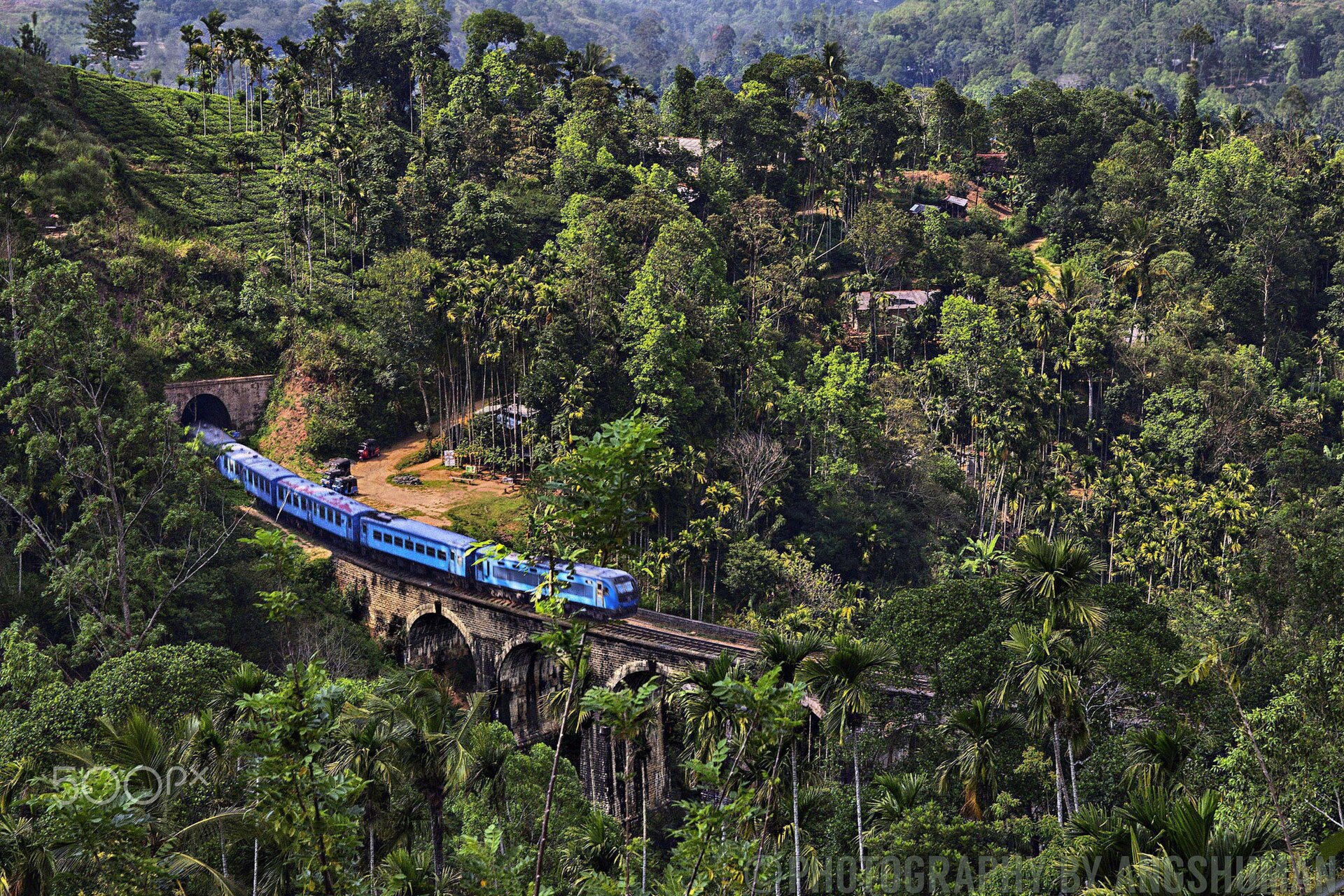
The most atmospheric way to arrive is on Sri Lanka Railways’ Main Line. Haputale sits between Diyatalawa and Idalgashinna, west of Ella and before the line reaches Badulla. From Ella, the train ride is short enough to be an easy transfer day; from Kandy, Nanu Oya or Colombo, it becomes part of the classic hill-country railway journey.
Check the official railway timetable shortly before travel and reserve a seat when reservations are available. Train operations, carriage types and reservation availability can change, particularly after severe weather. For the practical details of the wider route, see our Kandy to Ella train guide; Haputale is a natural, less hectic stop before or after Ella.
By road, Haputale is well connected to Ella, Bandarawela and Diyatalawa by local bus, tuk-tuk or private driver. A scooter can be enjoyable in dry conditions, but it is not the easiest first choice: steep roads, low cloud, rain and occasional loose gravel require confidence. If you hire one, inspect brakes, tires and lights, wear a helmet and avoid riding after dark.
Best time to visit Haputale
Haputale is worth visiting year-round for cool air and tea-estate scenery, but Lipton’s Seat is weather-dependent. Go at first light and keep a second morning free: clouds frequently roll over the ridge and can hide the famous panorama within minutes. Sri Lanka’s central highlands are shaped by both monsoon systems and local topography, so a forecast is useful but never a guarantee.
January through March is generally the strongest window for a clearer, drier-feeling hill-country trip. July and August can also bring beautiful green plantations, but expect showers and mist. October and November are often wetter and can disrupt views, walks and road travel. Whatever month you choose, bring a warm layer, light rain jacket and footwear that will handle wet paths.
What to do in Haputale
Watch sunrise at Lipton’s Seat. This is the essential early start: leave Haputale well before dawn, travel through Dambatenne estate roads and walk the final approach if your vehicle cannot continue. On a clear morning, the viewpoint opens over rolling plantations and distant low-country terrain. Do not treat a clouded first attempt as failure; have breakfast nearby and try again the next day if your schedule allows.
Visit a tea factory. Dambatenne Tea Factory is closely associated with the Lipton story and is the obvious pairing with the viewpoint. Factory tours are operational visits, not museum displays, so access, photography rules and opening times may depend on production. Ask your accommodation to call ahead, confirm the fee and clarify whether cameras are permitted.
See Adisham Bungalow. This former English country house, later associated with the Benedictine monastery, offers a different side of the region: gardens, architecture and a quieter estate atmosphere. Dress modestly, respect the religious setting and confirm visitor access directly before making the journey, as public visiting arrangements can vary.
Walk for the ridges, not just a checklist. Haputale rewards slow roadside walks between tea fields and viewpoints. If you have another day in the area, combine it with Bambarakanda Falls, Sri Lanka’s tallest waterfall, rather than rushing onward. Travelers wanting a busier café scene and headline sights can compare this base with our guide to Ella, Sri Lanka.
What Haputale costs in 2026
For costs that can be verified from Sri Lanka Railways’ fare tables, the figures below are standard one-way unreserved rail fares. Accommodation, tuk-tuks, scooter hire, food and tea-factory entry vary considerably by season and provider, so request the current total before committing.
| Item | 2026 verified price | Notes |
|---|---|---|
| Train: Colombo Fort to Haputale, 3rd class | LKR 400 | Standard one-way fare listed by Sri Lanka Railways. |
| Train: Colombo Fort to Haputale, 2nd class | LKR 800 | Standard one-way fare listed by Sri Lanka Railways. |
| Train: Colombo Fort to Haputale, 1st class | LKR 1,600 | Standard one-way fare listed by Sri Lanka Railways. |
| Train: Ella to Haputale, 3rd class | LKR 60 | Standard one-way fare listed by Sri Lanka Railways. |
| Train: Ella to Haputale, 2nd class | LKR 150 | Standard one-way fare listed by Sri Lanka Railways. |
| Train: Ella to Haputale, 1st class | LKR 250 | Standard one-way fare listed by Sri Lanka Railways. |
Reserved-seat charges are separate from ordinary fares where applicable. Check the official Sri Lanka Railways booking system and fare pages before travel, especially if you are joining the route from Colombo or Kandy.
Where to stay in Haputale
Stay in central Haputale if you want to walk to the railway station, local restaurants and buses. It is the practical choice for travelers arriving late or leaving early by train. Choose a tea-estate guesthouse or bungalow outside town if sunrise views, quiet evenings and a more rural setting matter more than being steps from transport.
For a short stay, prioritize three things: confirmed hot water, a reliable early breakfast or packed breakfast for Lipton’s Seat, and a host willing to arrange a pre-dawn tuk-tuk. In wet months, ask whether the access road is suitable for a normal car.
Safety and useful Haputale tips
Start Lipton’s Seat early, but do not walk isolated estate roads alone in darkness unless you know the route and conditions. Use a reputable driver or tuk-tuk arranged by your accommodation, agree the waiting time and total fare beforehand, and keep enough cash for the return journey.
Tea plantations are working agricultural landscapes. Stay on public paths, do not enter factory areas without permission and ask before photographing workers. Carry drinking water, use sun protection even on cool days and do not rely on a viewpoint café being open. Most importantly, be flexible: in Haputale, mist is part of the experience, not simply bad weather.
Day-by-day (how to travel it yourself)
Day 1: Arrive and settle into the ridge. Take the train from Ella, Nanu Oya, Kandy or Colombo to Haputale. Check into a central guesthouse, walk around town, have tea with a view and ask your host to confirm the next morning’s Lipton’s Seat transport and factory access.
Day 2: Lipton’s Seat and tea country. Leave before sunrise for Lipton’s Seat. Return via Dambatenne for a tea-factory tour if it is operating and visitor access is confirmed. In the afternoon, visit Adisham Bungalow if open, or take a gentle tea-estate walk before an early night.
Day 3: Continue slowly. Take the train east to Ella and use our Ella guide for the next stage, or continue toward Bandarawela and Badulla. If you have a driver and an extra night, turn this into a waterfall-focused day around Bambarakanda instead of trying to fit everything into one rushed transfer.
Frequently asked questions
Is Haputale worth visiting instead of Ella?
Yes, especially if you want tea estates, cooler ridge scenery and a quieter base. Ella has more restaurants, accommodation choices and social activity; Haputale feels more local and works best for travelers who value landscape over nightlife.
How many days do I need in Haputale?
Two nights is the practical minimum. It gives you one sunrise attempt at Lipton’s Seat, time for a tea-factory visit and enough flexibility if cloud or rain affects the first morning.
Can I visit Lipton’s Seat without a scooter?
Yes. Arrange a tuk-tuk or car from Haputale, ideally through your hotel or guesthouse. This is usually more comfortable and safer than riding unfamiliar mountain roads in darkness or rain.
Should I book train tickets to Haputale in advance?
Book ahead if you want a reserved seat on a popular service, but always recheck the official timetable and operating status close to departure. Unreserved tickets may be available at stations, though carriages can be crowded.
Facts and prices verified in August 2026. Travel with Influencers is an independent fan/editorial guide, not affiliated with or endorsed by the creators featured. Watch and support the original creator: Haida in Lume on YouTube.