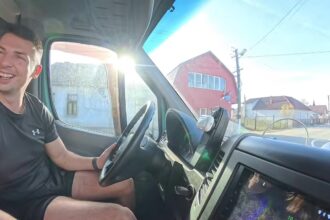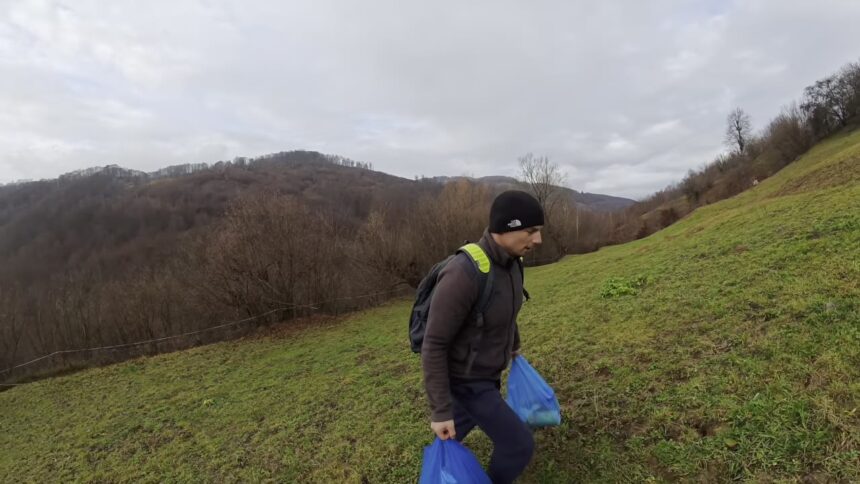
Authentic rural Romania village life is best experienced slowly, as a respectful guest in a working community rather than as a checklist of attractions. This guide shows how to plan a meaningful countryside trip inspired by Haida in Lume’s moving visit with Uncle Leon: where to base yourself, how to travel beyond the cities, what to budget, and how to take part without treating daily life as a performance. It also gives you a simple itinerary for experiencing village culture, food, craft and landscape at a human pace.
What Haida in Lume’s journey shows
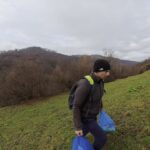
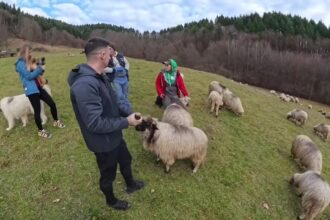
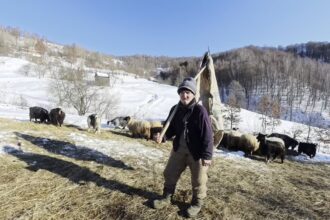
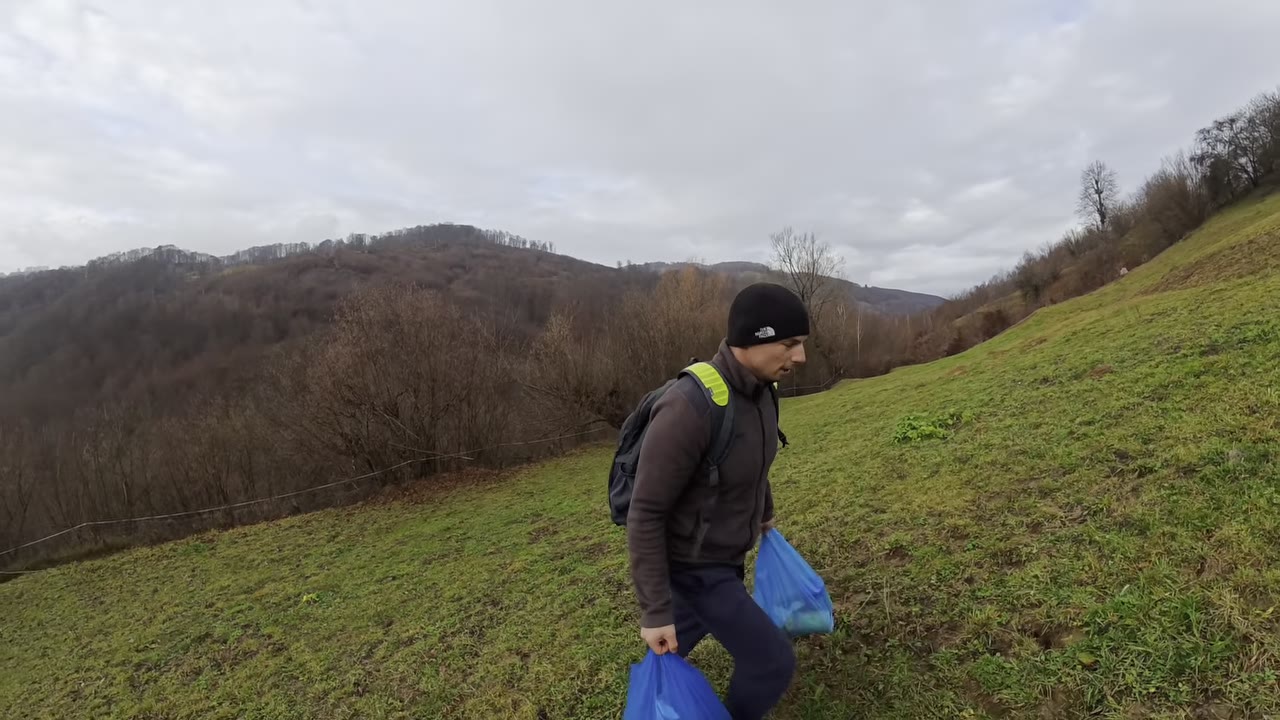
- A final day spent in the countryside with Uncle Leon, centered on practical help rather than sightseeing.
- Carrying and arranging firewood around a traditional household.
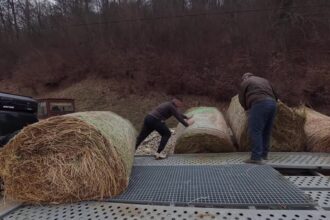
- Moving hay bales and completing small jobs that make life easier for an older local resident.
- The quiet rhythm of a rural yard, where useful work, conversation and care happen together.
- An emotional farewell that underlines why village travel should begin with patience, gratitude and respect for people’s privacy.
Watch the original journey before you plan your own rural Romania experience.
How to get to rural Romania
For a first rural trip, use a city as your arrival point and a village guesthouse as your base. Cluj-Napoca is practical for reaching northern Transylvania and Maramureș, while Sibiu is a strong option for southern Transylvanian villages and for visiting the ASTRA Open-Air Museum before heading into the countryside. From either city, a rental car gives the greatest freedom for small roads, scattered villages and flexible meal times.
Trains can work well between major Romanian cities, but rural public transport is less frequent and may not line up with guesthouse check-in or evening meals. Use CFR Călători’s journey planner close to departure, then arrange a pickup with your host or book a local driver for the final stretch. The national rail operator notes that fares depend on distance, train category and reservation requirements, so check the live booking result rather than relying on an old fare quote.
Maramureș is particularly rewarding for this kind of trip. Its destination organization highlights wooden churches, carved gates, rural life, crafts and seasonal customs among the region’s defining experiences. For more route ideas, see our Bistrița, Romania guide and our wider Rural Romania guide.
Best time for village traditions and countryside walks
Late spring through early autumn is the easiest period for a first visit: lanes are easier to navigate, daylight is long and outdoor household work is visible without asking anyone to stage it for you. Harvest time can be especially atmospheric, but it is also a busy period; do not assume a farmer or host is available for long conversations simply because you are visiting.
Winter has its own appeal, with wood smoke, snow and holiday customs, but conditions can be more demanding on minor roads. Choose winter only if you are comfortable with flexible plans and have confirmed transport directly with your accommodation. For a cultural introduction in any season, ASTRA Museum near Sibiu presents traditional buildings, crafts and rural heritage in an open-air setting, and is located about 6 km from the city centre.
What authentic rural Romania costs in 2026
Prices for private rooms, home-cooked dinners, transfers and workshops vary substantially by village, season and whether a host is arranging transport, so request the full total in writing before booking. The fixed prices below are useful, verifiable benchmarks for a heritage-focused itinerary; build your remaining budget around accommodation, meals and transport quotes received directly from providers.
| Item | 2026 price | Notes |
|---|---|---|
| ASTRA Open-Air Museum adult admission | 50 lei | Standard adult entry. |
| ASTRA Open-Air Museum student admission | 10 lei | Student ticket; carry valid proof of eligibility. |
| ASTRA foreign-language guided tour | 250 lei per hour | By request; museum entry is paid separately. |
The museum’s published ticket list confirms these rates and notes that guided visits require separate admission. If you want a hands-on experience in a village, ask whether the payment supports the host or craftsperson directly, what is included, and whether photography is welcome.
Where to stay for a respectful local experience
Choose a licensed village guesthouse, family-run pension or farm stay that is open about meals, bathroom arrangements, transport and activities. A base in or near Breb, Botiza, Ieud, Vadu Izei or another Maramureș village can make it easier to walk locally and return for dinner instead of driving after dark. Breb is known for traditional houses and rural scenery, but it is still a living village, not an open-air museum.
Book at least two nights in one place. That gives your hosts time to suggest a walk, a church visit, a craft contact or a market day naturally. It also reduces the pressure to package every interaction into an “authentic experience.” For another thoughtful look at regional heritage, read our guide to Romanian handmade bells and traditional craft.
Safety, etiquette and practical village tips
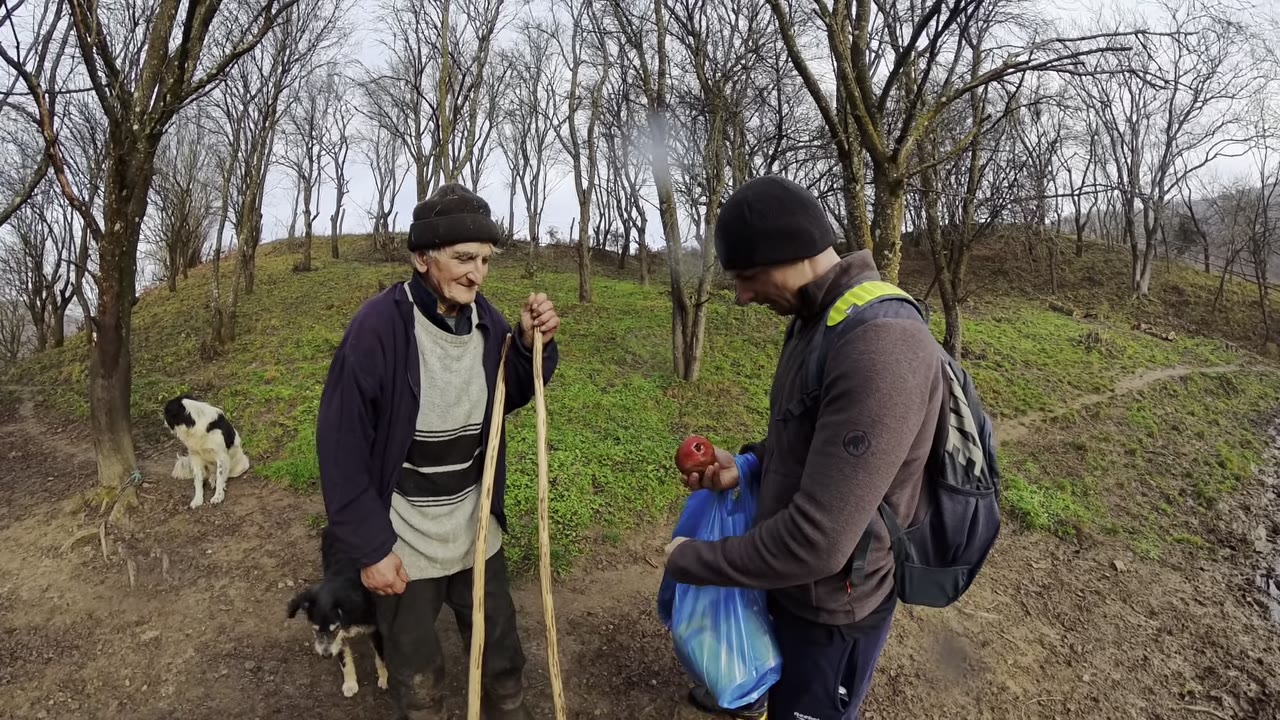
Romanian villages are generally places to slow down, not to wander into private yards. Always ask before entering a gate, photographing people, animals, farm work, religious services or homes. Do not photograph an older resident or record a conversation simply because it feels picturesque. A greeting, a clear request and a gracious acceptance of “no” matter more than getting the image.
Wear sturdy shoes, carry water, keep cash for small purchases and download offline maps before leaving town. Rural lanes may be unpaved, and mobile coverage can vary by valley. If you are traveling from outside the European Union, confirm your entry rules before departure: the EU’s Entry/Exit System has been fully operational across Schengen countries since April 10, 2026, and requires biometric data from non-EU short-stay travelers at external borders.
Finally, remember the lesson in the video: useful help should be invited, not imposed. If a host offers a task, follow their instructions; if not, support the household by paying fairly, eating locally and respecting its routine.
Day-by-day (how to travel it yourself)
Day 1: Arrive in Cluj-Napoca or Sibiu. Collect a car or settle in near the station, buy basic supplies, and avoid trying to reach a remote village late at night.
Day 2: Travel to your village base. Check into a guesthouse in Maramureș or another rural region, take an unhurried orientation walk, and ask your host what is genuinely appropriate to visit the following day.
Day 3: Follow local rhythm. Join a pre-arranged activity such as a home-cooked meal, craft visit, gentle walk or market stop. Leave generous space for conversation, weather changes and household schedules.
Day 4: Heritage and return. Visit a wooden church, local museum or small town only where opening arrangements are confirmed, then continue to your departure city. If returning through Sibiu, add ASTRA Museum as a useful context-setting stop rather than a substitute for time in a real community.
Frequently asked questions
Which part of Romania is best for authentic village life?
Maramureș is an accessible starting point because its living rural traditions, wooden architecture, crafts and village accommodation are well established. Bucovina, Transylvania and parts of Bistrița-Năsăud can also be rewarding when you stay longer and travel respectfully.
Do I need a car for rural Romania?
A car is the simplest option for independent travel between villages, especially outside summer. Without one, choose a guesthouse that can arrange station pickup and book activities close to your base.
Can I visit a local family home?
Only by invitation or through a host who has arranged it with the family. Never enter yards, homes, barns or gardens unannounced, even if a gate is open.
How many days should I spend in a Romanian village?
Stay at least two nights, and ideally three or four. A slower stay is more respectful, more relaxing and far more likely to create genuine local encounters than a rushed day trip.
Facts and prices verified in October 2026. Travel with Influencers is an independent fan/editorial guide, not affiliated with or endorsed by the creators featured. Watch and support the original creator: Haida in Lume on YouTube.