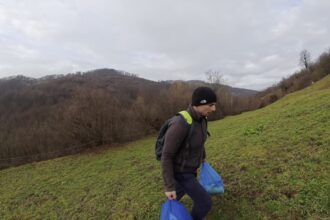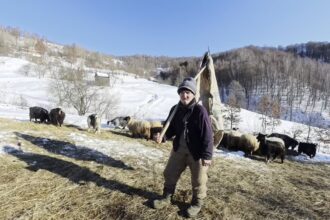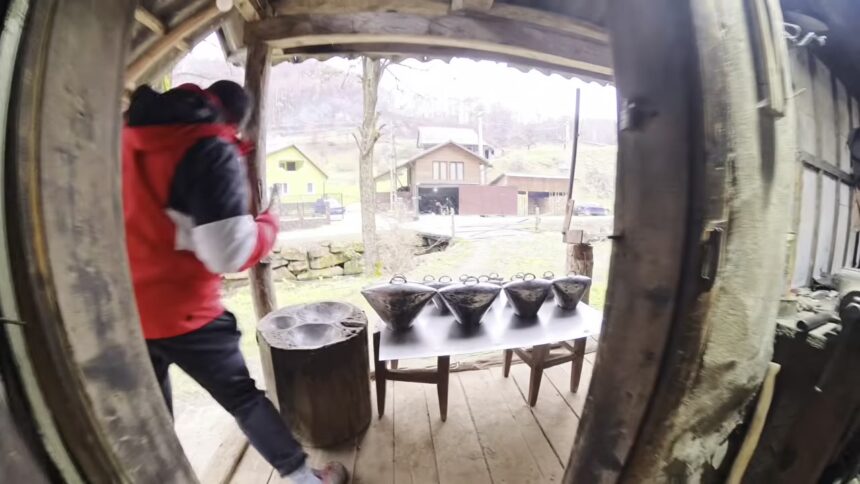
The best way to experience the Romanian handmade bells traditional craft is to base yourself in Bistrița-Năsăud, arrange a visit respectfully through local contacts, and treat the workshop as a working rural livelihood rather than a walk-in attraction. This is a journey for travelers who want to understand the patient work behind the sound of a shepherd’s bell: shaping sheet metal, testing tone, and keeping a family skill visible. Below, you will find a practical route, the best season to go, verified cultural-site prices, where to stay, and a simple itinerary that leaves room for real encounters.
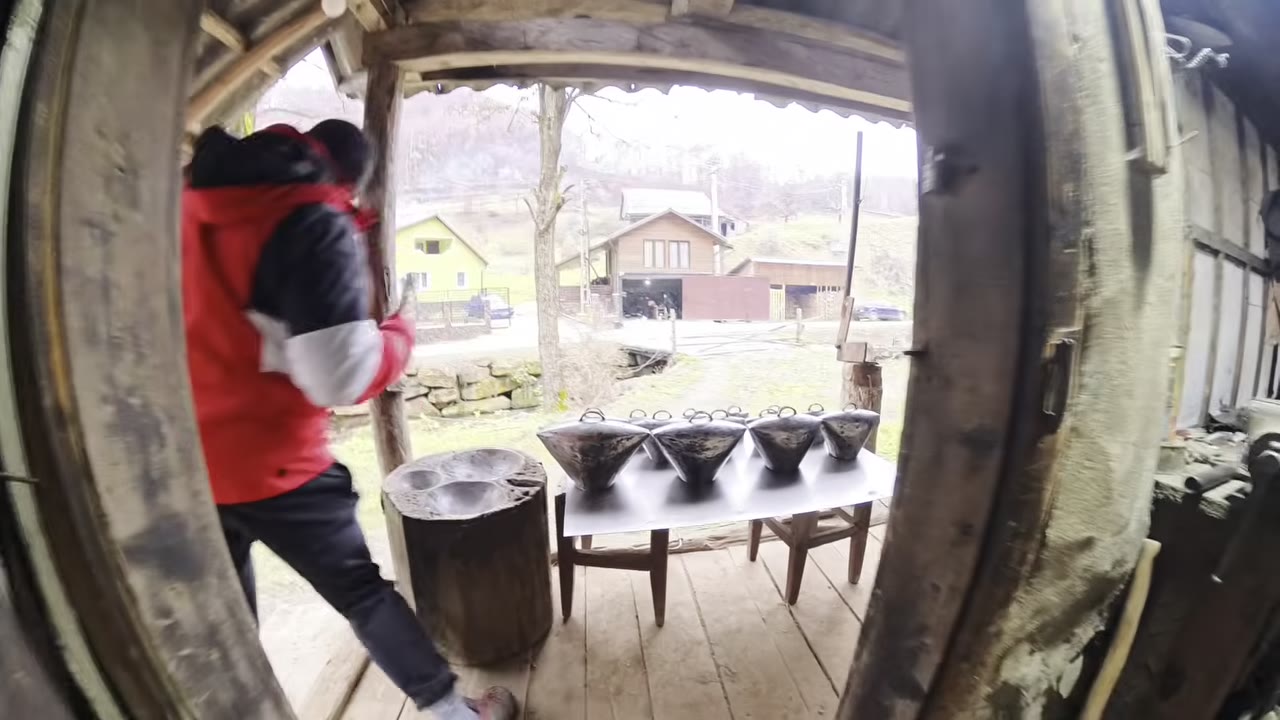
What Haida in Lume’s journey shows
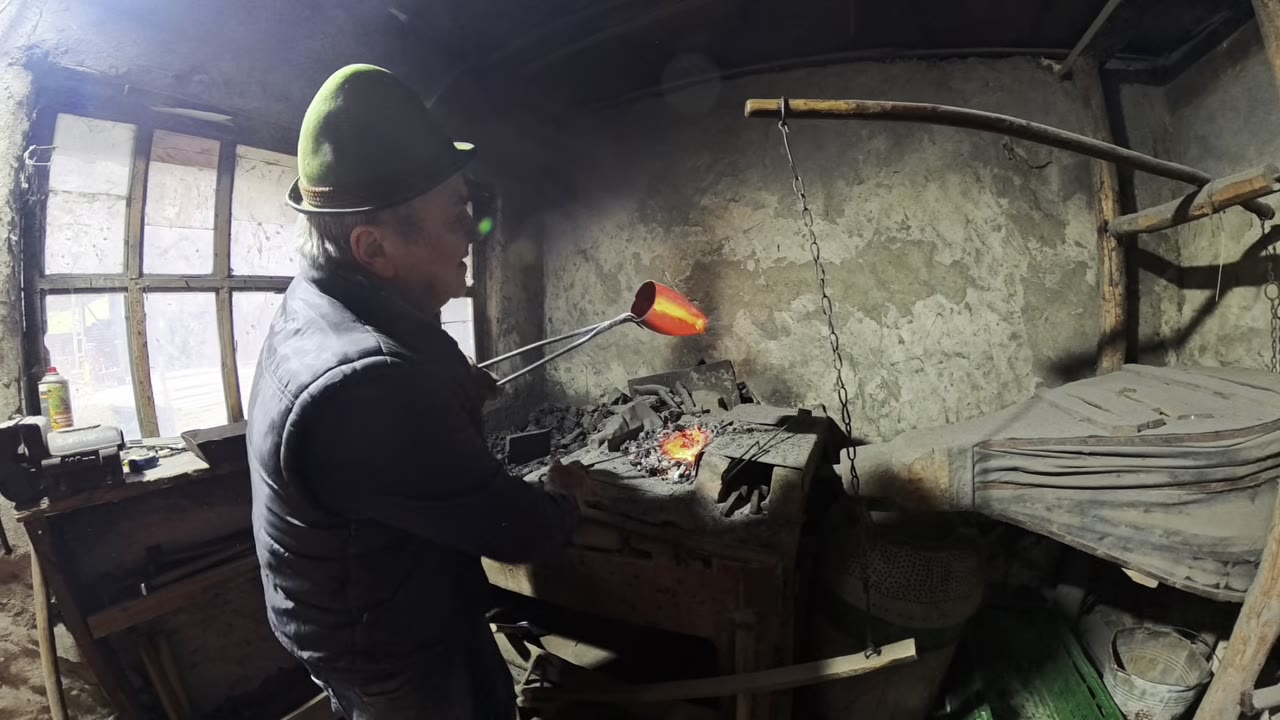
- A visit inside a modest rural workspace where bell-making survives as hands-on, daily work.
- The maker beginning with a flat piece of metal rather than a ready-made mould or factory component.
- Repeated, precise hammering that gradually gives the metal its rounded bell shape.
- The importance of sound: handmade bells are not interchangeable objects, and each finished piece needs its own clear voice.
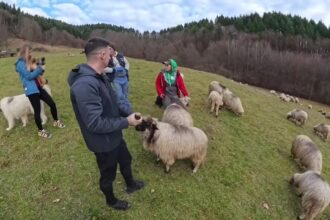
- Why the craft remains tied to pastoral life, shepherds, mountain grazing and the practical needs of a flock.
Watch Haida in Lume’s original film before you go; it is the best introduction to the rhythm, noise and concentration that a short itinerary cannot reproduce.
How to get to the bell-making country around Bistrița
For this Romanian handmade bells traditional craft route, use Bistrița in northern Transylvania as your practical base. The featured type of workshop should not be treated as a public attraction with fixed daily admission: rural makers work around orders, household life and seasonal obligations, and a visit should be arranged in advance through a local cultural contact, host or guide.
Cluj-Napoca is the most convenient international gateway for many visitors; from there, a rental car gives the flexibility needed for village roads and appointment-based visits. Rail travelers can reach Bistrița through the national network, but should check the live timetable and buy ahead through CFR Călători, especially when connections are involved. CFR notes that reservation availability is generally opened up to three months ahead.
Do not arrive unannounced at a private workshop. Ask first whether visitors are welcome, whether interpretation is available, how long the visit should last, and whether photography is permitted. If the answer is no, accept it graciously and support the wider cultural landscape instead through museums, local meals and legitimate craft purchases.
Best time to plan a craft-focused visit
Late spring through early autumn is the most comfortable period for combining a workshop appointment with village roads, walks and pastoral scenery. It is also the easiest time to pair Bistrița with outdoor heritage stops and regional craft events. Avoid assuming that a maker will be available simply because a festival is happening: the most meaningful visits are arranged around the maker’s schedule.
In Bistrița, the Complexul Muzeal Bistrița-Năsăud is open from 10:00 to 18:00 between April and September, and from 09:00 to 17:00 between October and March. Its city museums close on Mondays, while its village museums close on Mondays and Tuesdays.
For broader context, read our Rural Romania Travel Guide: Traditions and Village Life before building your route. The key is to travel slowly: a bell workshop makes more sense when it is part of a wider encounter with food, farming, local museums and village life.
What it costs in 2026
A private bell-making visit does not have a standard public ticket price, and none should be assumed. Agree any fee, donation, transport cost or purchase directly before you travel. The fixed prices below are useful for adding a verified heritage stop in Bistrița to your itinerary.
| Item | 2026 price | Notes |
|---|---|---|
| Complexul Muzeal Bistrița-Năsăud, adult admission | 12 lei | Per museum section |
| Complexul Muzeal Bistrița-Năsăud, student, military or pensioner admission | 6 lei | Per museum section |
| Complexul Muzeal Bistrița-Năsăud, child or pupil admission | 3 lei | Per museum section |
Set aside extra room in your budget for a locally made bell if one is offered for sale. The point is not to bargain a maker down: a hand-shaped object represents metal, tools, accumulated expertise and a great deal of time. A recent report on a Bistrița-Năsăud bell maker describes a process of shaping flat sheet metal with hundreds of hammer strikes, underscoring why these are not mass-market souvenirs.
Where to stay in Bistrița
Stay in central Bistrița for the easiest balance of restaurants, parking, evening walks and access to regional roads. A small hotel or guesthouse around the old centre works particularly well for a two-night trip; you can meet a guide, visit the museum complex and still leave early for a pre-arranged village appointment. Choose a rural guesthouse only if your host has confirmed the workshop visit and can help with directions, language and timing.
If you have more time, continue into a wider traditional-life itinerary rather than trying to fill every hour with attractions. Our guide to Rural Romania traditions, bulz, sheepfolds and campfire culture can help you add food and pastoral experiences without reducing living culture to a checklist.
Respectful visits, safety and practical tips
The central rule is simple: this is a working craft, not a performance. Arrive on time, ask before filming, and never handle tools, metal or completed bells unless invited. Wear closed shoes and avoid loose sleeves near hammers, cutting tools or a stove. Workshops can be noisy, dusty and hot; this is part of the reality of metalwork, not a reason to interrupt the maker.
Bring cash in Romanian lei for small purchases, but ask in advance whether cards are accepted. Learn a few useful Romanian phrases, including “Bună ziua” (hello), “Mulțumesc” (thank you) and “Pot să fac o fotografie?” (May I take a photograph?). If language is a concern, book a local guide rather than expecting the artisan to pause work and translate.
Most importantly, buy only when you genuinely value the object. Handmade bells historically serve shepherding needs as well as decorative ones; a purchase made directly and respectfully is more meaningful than a rushed souvenir-shop transaction.
Day-by-day (how to travel it yourself)
Day 1: Bistrița and cultural context. Arrive in Bistrița, check in, and spend the afternoon at the Complexul Muzeal Bistrița-Năsăud or one of its heritage sections. Use the visit to understand the regional setting before searching for a workshop encounter. Walk the old centre in the evening, eat locally, and reconfirm the next day’s meeting by phone or message.
Day 2: Pre-arranged bell workshop and rural landscapes. Leave early with your own car or a local driver for the agreed village meeting. Keep the visit flexible: listen more than you speak, ask about the stages of shaping and sound only when the maker has time, and request permission before taking photographs. Afterward, continue with a nearby village meal, sheepfold-related experience or scenic rural drive. This is the right place in the trip to book a local cultural activity or guide.
Optional Day 3: Go deeper, not farther. Add another museum, a traditional-food stop or a second village experience rather than racing across Transylvania. Travelers drawn to endangered languages and living heritage may also enjoy our Friuli, Italy guide to language and culture, which explores a different European region where local identity is carried through everyday practice.
Frequently asked questions
Can I visit a Romanian handmade bell workshop without booking?
No. Treat workshops as private working spaces and arrange any visit in advance through a local contact, host or guide.
Are Romanian shepherd bells made in factories?
Some bells are industrial products, but the traditional craft shown in the video relies on hand-shaping metal and the maker’s judgement of form and sound.
How much should I pay for a handmade bell?
There is no reliable standard visitor price. Ask the maker directly, respect the quoted amount, and do not assume that a handmade object should cost the same as a mass-produced souvenir.
Is Bistrița a good base for rural craft travel?
Yes. It offers accommodation, services and a county museum complex while keeping you within reach of villages and cultural landscapes in Bistrița-Năsăud.
Facts and prices verified in October 2026. Travel with Influencers is an independent fan/editorial guide, not affiliated with or endorsed by the creators featured. Watch and support the original creator: Haida in Lume on YouTube.