


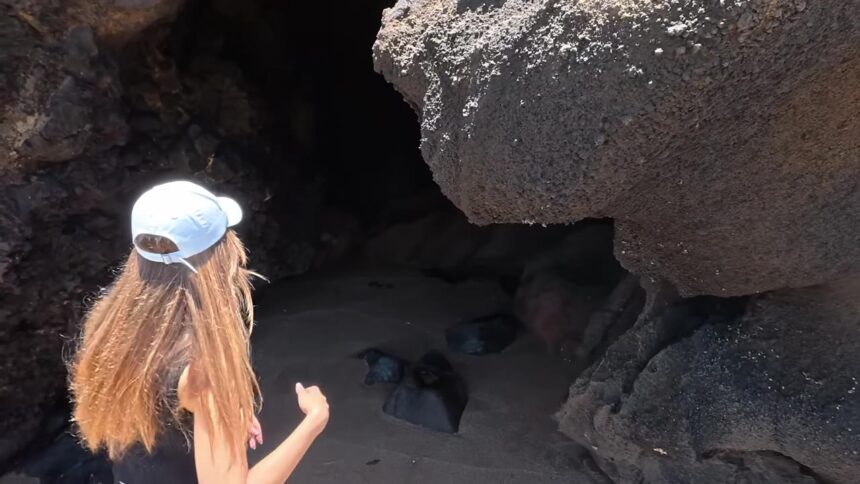
This El Salvador travel guide for first-time visitors shows how to plan a rewarding trip beyond the country’s old assumptions: combine San Salvador, volcano views, everyday food culture and the calm coral coast at Los Cóbanos. You will find practical arrival advice, verified 2026 costs, the best season for the coast, realistic places to stay and a simple four-day route you can repeat. Mateo & Lisanna’s video supplies the beach-level inspiration; this guide fills in the planning details around it.
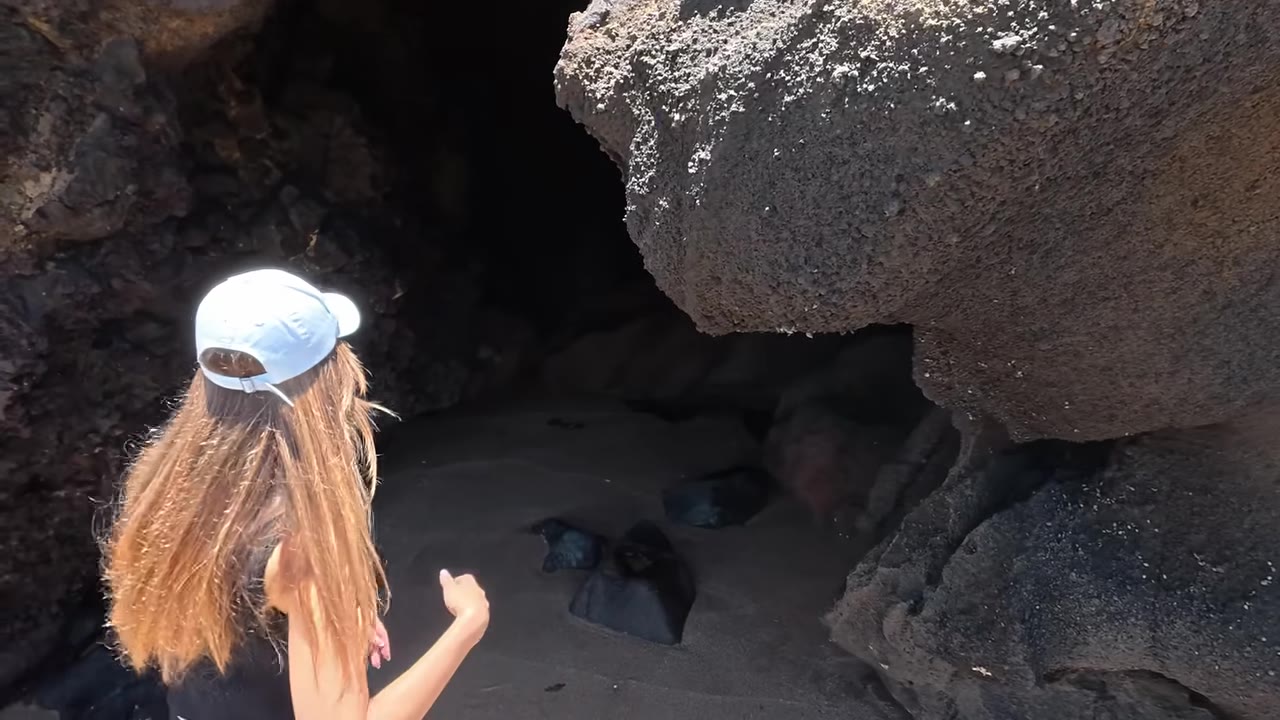
What Mateo & Lisanna’s journey shows
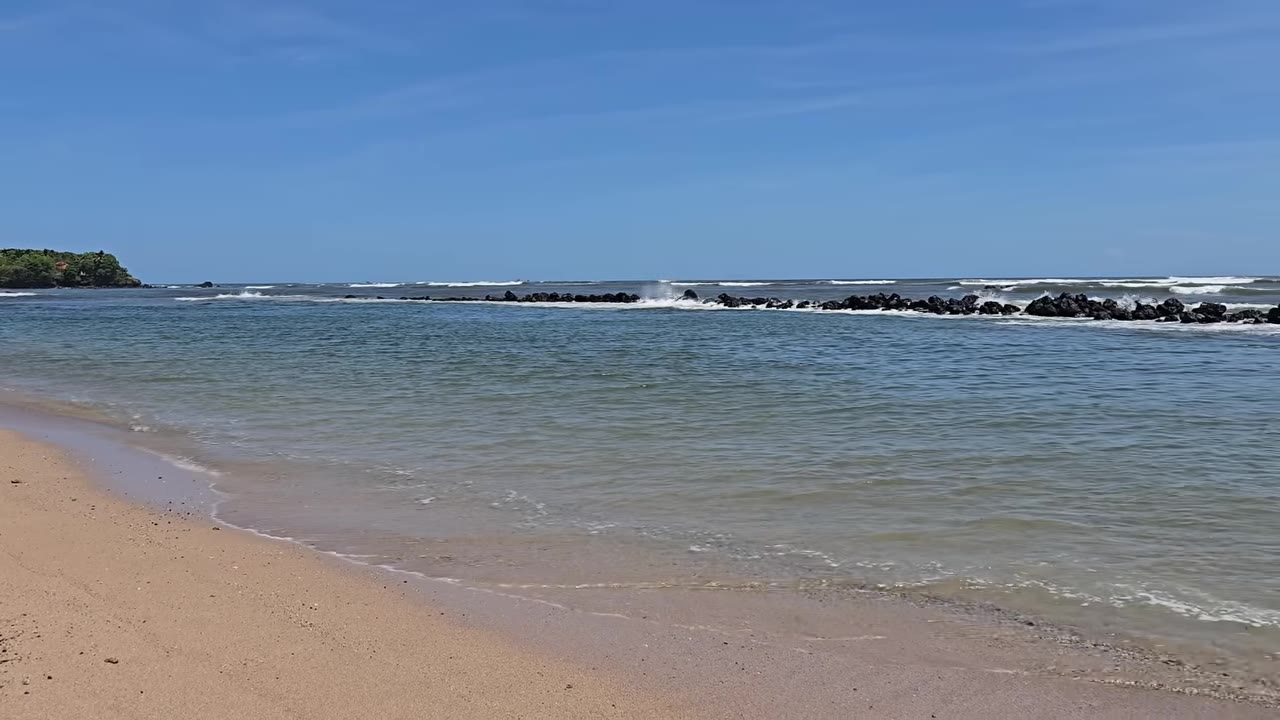
- They arrive at Playa Los Cóbanos on El Salvador’s western coast and introduce its unexpectedly calm, rocky shoreline.
- They look closely at the coral environment, the defining feature of this protected marine area.
- They explore a more secluded stretch of beach and show why conditions and access matter here.
- They move through the hotel-zone beach, try unfamiliar local fruit and stop for lunch.
- They share their beach-hotel stay, including the room, evening atmosphere and their honest final impression of the experience.
Watch their Los Cóbanos journey before deciding which parts of the coast fit your own pace:
How to get to Los Cóbanos and begin your first trip
Most international visitors arrive through San Salvador’s international airport, then make the capital their first overnight stop or continue onward with a pre-arranged driver or rental car. For a first visit, a car or driver is the least complicated way to connect several places, carry beach gear and reach accommodation after dark.
Los Cóbanos lies in the Acajutla area of Sonsonate on the western Pacific coast. The official tourism route from San Salvador follows the Pan-American Highway toward Sonsonate, then turns toward Acajutla, passes the Kilo 5 turn-off and continues to the Los Cóbanos turn-off. It is a coastal village rather than a resort strip, so save your accommodation pin offline and confirm arrival instructions before setting out.
Use the capital as a cultural introduction: eat pupusas at a busy local comedor, visit a market, and allow time for a viewpoint or museum rather than treating San Salvador solely as a transit point. Readers planning a city-heavy trip may also find useful parallels in our Downtown Medellín travel guide, especially on choosing accommodation and moving thoughtfully through an unfamiliar urban area.
For U.S. passport holders, the U.S. Department of State states that tourist stays of up to 90 days do not require a visa. Entry rules depend on nationality, so check the official Salvadoran immigration visa list and your airline’s document requirements before departure; CA-4 time in Guatemala, Honduras, Nicaragua and El Salvador is counted across the region, not reset at each border.
Best time to visit El Salvador’s coral coast
For Los Cóbanos specifically, plan between November and February if diving is central to your trip. El Salvador’s official tourism board identifies these months as the strongest period for tank diving around the volcanic reefs and wreck sites, while also noting snorkeling and canoeing opportunities along the coast.
Whale sightings are seasonal rather than guaranteed. The tourism board highlights January and February for humpback activity, while a local hotel’s marine-fauna outing operates from December through March. If seeing whales matters most, reserve a licensed boat trip early in the day and build in a weather-flexible extra morning.
The wetter part of the year can still be enjoyable for a quieter beach break, but rain, sea conditions and road conditions can change plans. Do not choose Los Cóbanos for conventional surf; its reef creates calmer water near shore. For a surf-focused extension, head toward La Libertad instead, or contrast this trip with our Venezuela beach guide for a different kind of Caribbean coastal itinerary.
What El Salvador costs in 2026
El Salvador uses the U.S. dollar, which makes on-the-ground budgeting straightforward for American visitors. The figures below are published prices, not an estimate of your full trip: accommodation, flights, meals and transport vary too much by date and booking method to present as fixed costs.
| Item | Verified 2026 price | Notes |
|---|---|---|
| Parque Nacional El Boquerón admission, foreign visitor | US$2 | Officially listed daily opening hours: 8:00 a.m. to 5:00 p.m. |
| Joya de Cerén admission, non-resident foreign visitor | US$10 | Official Ministry of Culture rate; open Tuesday to Sunday, 9:00 a.m. to 4:00 p.m. |
| Kayak trip at Hotel Las Veraneras | US$15 for 30 minutes; US$20 for 1 hour | Per person, subject to operator availability. |
| Marine-fauna boat tour at Hotel Las Veraneras | US$360 per boat | Advertised for up to 6 people; the operator also lists prices from US$60 per person. |
El Boquerón’s admission price comes from the Ministry of Tourism, Joya de Cerén’s from the Ministry of Culture, and the two Los Cóbanos activity prices from the hotel operator. Confirm availability and inclusions directly before paying, especially for marine trips.
For activities at Los Cóbanos, choose a local guide or operator that explains tides, provides suitable equipment and treats the reef as a protected habitat rather than a photo backdrop. A guided snorkeling or boat excursion is more appropriate than walking over coral or attempting offshore areas independently.
Where to stay near Los Cóbanos
Stay near Los Cóbanos or Punta Remedios if the reef, quiet mornings and boat activities are your priority. The official tourism directory lists options ranging from Hotel Las Veraneras and Royal Decameron to smaller hotels, hostals and restaurants with rooms in the Acajutla area. This is useful because the coast is spread out: select a property according to the beach or meeting point you actually want, not simply the broad “Los Cóbanos” label.
For a first night, San Salvador is practical if your flight arrives late. For a more relaxed itinerary, spend two nights at the coast rather than trying to visit Los Cóbanos as a rushed out-and-back excursion. Ask every beach property about parking, breakfast, road access, air-conditioning and whether it can arrange a reef or wildlife outing; these details matter more here than a generic star rating.
Safety and practical local tips
El Salvador should be approached with normal travel awareness, not with either outdated fear or careless confidence. As of June 25, 2026, the U.S. Department of State rates El Salvador Level 1, “Exercise Normal Precautions,” while also advising visitors to use major roads, limit intercity travel at night, stay alert around ATMs and avoid displaying valuables.
For this itinerary, drive between destinations in daylight, use a trusted transfer if you are not comfortable navigating, and keep cash in small amounts because some businesses do not accept cards or add a card fee. The same official guidance warns about ocean undertows and urges visitors to follow beach flags and water-condition warnings. Calm-looking water near a reef is not automatically safe for every swimmer.
Respect the reef: do not stand on coral, take marine life or leave litter behind. Learn a few Spanish basics, greet people before asking for help, and take the time to order local food beyond the familiar choices. This is the kind of small-scale, respectful travel that turns a beach stop into a genuine encounter with the country.
Day-by-day (how to travel it yourself)
Day 1: Arrive in San Salvador. Settle in, eat pupusas and explore at an unhurried pace. If your arrival is early, visit El Boquerón for crater views; the official schedule is daily from 8:00 a.m. to 5:00 p.m.
Day 2: San Salvador to Los Cóbanos. Leave after breakfast, follow the Sonsonate–Acajutla route, check into your coastal stay and use the afternoon for a shoreline walk, sunset and seafood dinner. Do not make this your only beach day.
Day 3: Reef and local coast. Book a morning snorkeling, kayaking or marine-fauna outing with a local operator. Keep the afternoon open for rest, tide pools or a nearby beach rather than adding a long cross-country transfer.
Day 4: Culture on the return route. Return inland with a stop at Joya de Cerén, the UNESCO-listed archaeological site that preserves a pre-Hispanic farming community. Continue to San Salvador for an evening flight or add another city night before departure.
Frequently asked questions
Is El Salvador good for first-time visitors to Central America?
Yes, particularly if you keep the first itinerary focused: San Salvador, one inland cultural stop and two nights on the coast is a manageable introduction. Plan transport and accommodation before arriving rather than improvising every transfer.
Is Los Cóbanos a surf destination?
Not in the usual sense. The coral reef reduces wave energy and makes the nearshore water calmer; Los Cóbanos is better for reef-focused activities, beach time, diving and seasonal marine-life trips.
When can I see whales at Los Cóbanos?
January and February are the months highlighted by the official tourism board, though a local hotel advertises marine-fauna departures from December through March. Sightings depend on conditions and cannot be promised.
Do I need to carry local currency in El Salvador?
No separate local currency is necessary because the U.S. dollar is the official currency. Carry a mix of small notes and a card, but do not assume every beach business will accept cards.
Facts and prices verified in October 2026. Travel with Influencers is an independent fan/editorial guide, not affiliated with or endorsed by the creators featured. Watch and support the original creator: Mateo & Lisanna on YouTube.