The best things to do in Puerto Montt Chile are to walk the waterfront, eat seafood at Angelmó, explore the city’s coastal neighborhoods, and use the city as a base for the lakes, volcanoes and forests of northern Patagonia. This first-time visitor guide explains how to arrive, when to go, what key experiences cost in 2026 and where to stay. It also gives you a practical short itinerary that combines Puerto Montt’s working-port character with nearby nature around Petrohué and Volcán Osorno.
What Pasaporte Viajero’s journey shows
- The journey begins with Puerto Montt as a gateway city: a port on the Reloncaví Sound and a logical starting point for the Lake District and the Carretera Austral.
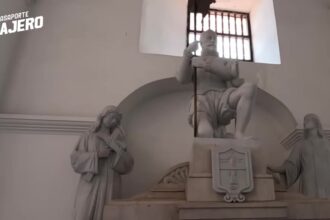
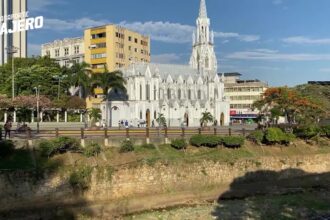
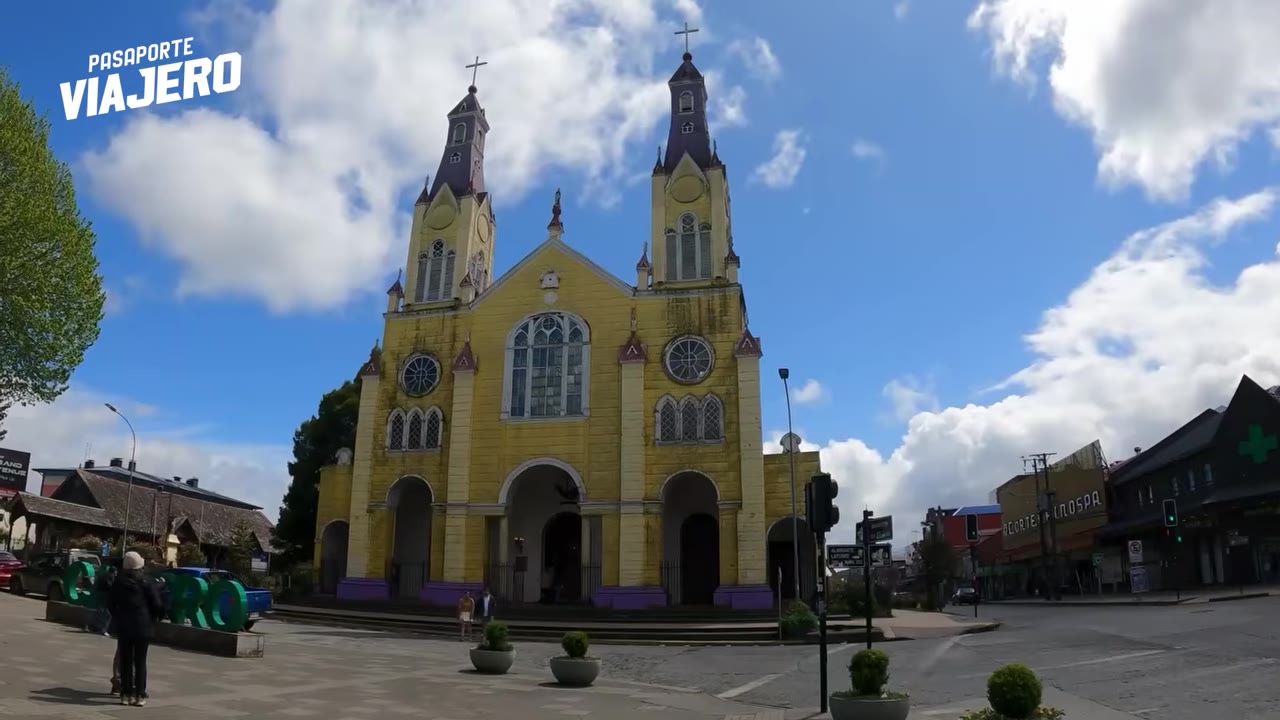
- It moves through the central sights, including the waterfront, city viewpoints and the historic core around the cathedral.
- It visits Angelmó, the traditional cove and market district where fishing boats, seafood stalls, craft sellers and casual kitchens create Puerto Montt’s most recognizable local scene.
- The route looks beyond downtown to coastal places such as Pelluco and views toward Tenglo Island, showing why the city is more than a transport stop.
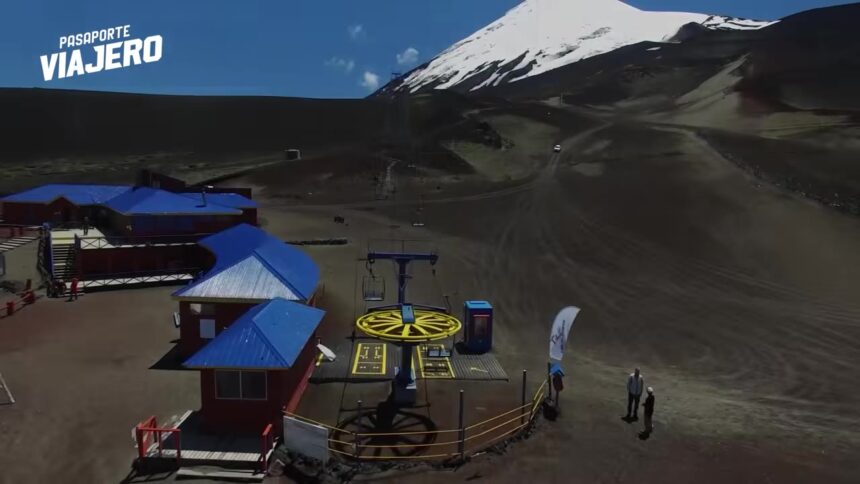
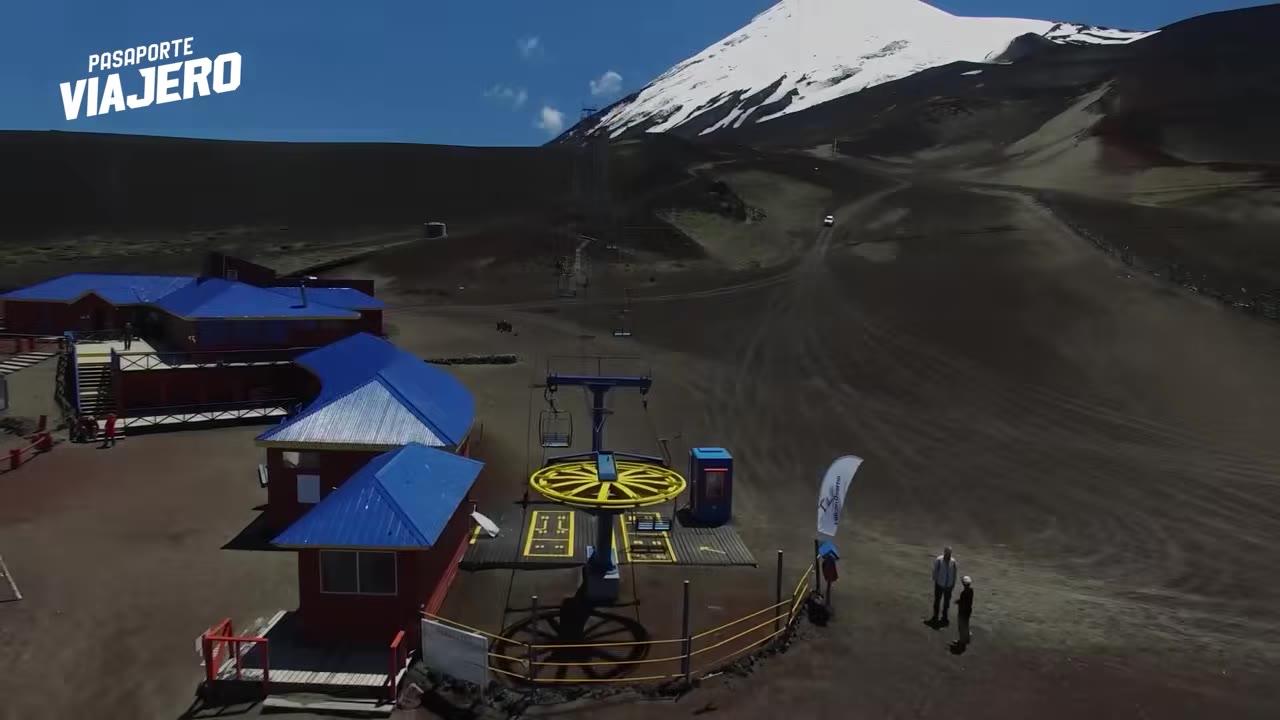
- It finishes by placing Puerto Montt near major day-trip landscapes: Lake Llanquihue, Volcán Osorno, the Petrohué Falls and the forests of the wider Los Lagos Region.
Watch Pasaporte Viajero’s visual introduction first, then use the practical details below to plan the trip at your own pace.
How to get to Puerto Montt
For most international visitors, the simplest route is to fly via Santiago to El Tepual Airport (PMC). Chile’s official tourism board lists direct Santiago–Puerto Montt flights at around 1 hour and 45 minutes; the airport is about 16 kilometres from the centre, with transfers or taxis typically taking 20 to 30 minutes.
There is also a long-distance bus connection from Santiago, although it is best reserved for travellers who enjoy overland travel: the journey generally takes 12 to 14 hours. Puerto Montt is an excellent onward hub for Puerto Varas, Chiloé, the Reloncaví Estuary and the beginning of the Carretera Austral. If you are building a wider South America itinerary, our El Salvador travel guide for first-time visitors has similarly useful planning principles for balancing city stays and regional excursions.
At El Tepual, look for the airport bus counter if you want the lower-cost shared option: Transportes Imperio states that buses to Puerto Montt’s terminal depart after arriving flights and tickets are sold at the airport. A taxi is more convenient after a late arrival or with several bags; agree on the destination and fare before leaving.
Best time to visit Puerto Montt
December through March is the easiest period for a first visit, with longer daylight and generally better conditions for day trips, hiking and driving. It is also the busiest season, so book flights, rental cars and popular day tours early. Chile Travel specifically recommends summer for the Carretera Austral because of more favourable conditions and longer days.
For fewer visitors, consider October to November or March to April. You should still expect changeable weather: rain, wind and sun can all arrive on the same day in the south. Pack layers, a waterproof outer shell and shoes that can handle wet pavements and trails. Winter can be rewarding for dramatic skies and snow on the volcanoes, but daylight is shorter and mountain-road conditions need closer checking.
What Puerto Montt costs in 2026
Puerto Montt can work well on a moderate budget if you focus on walking the central waterfront, visiting Angelmó independently and choosing one major nature excursion. Costs below are in Chilean pesos (CLP) and are individual prices unless otherwise stated. Prices can change with operating conditions, so reconfirm before payment.
| Item | 2026 price | Notes |
|---|---|---|
| Official airport taxi to Puerto Montt bus terminal | CLP 20,000 | Daytime listed fare from El Tepual Airport; overnight service has an added surcharge. |
| Saltos del Petrohué admission, foreign adult | CLP 8,200 | Buy through the official Pases Parques system before travelling when possible. |
| Volcán Osorno panoramic chair, adult aged over 15 | CLP 24,000 | Subject to weather and operating conditions. |
| Volcán Osorno low-season day ski pass, adult | CLP 32,000 | Winter activity; does not include the Skipass card. |
The official airport-taxi tariff lists CLP 20,000 to the Puerto Montt terminal. The 2026 Volcán Osorno rate list publishes the panoramic-chair and ski-pass prices, while current Petrohué access pricing is handled through Pases Parques.
For activities, an independent visit is usually best if you have a rental car. Without one, a guided day trip can remove the stress of connecting local transport and checking weather-sensitive roads. The route into Vicente Pérez Rosales National Park follows Route 225 via Puerto Varas, Ensenada and Petrohué; CONAF notes that public transport reaches different parts of the park, but services and conditions should be checked before departure.
Where to stay in Puerto Montt
Stay near the waterfront or central area if you want easy access to the bus terminal, Angelmó, restaurants and the airport-transfer network. This is the practical choice for one or two nights, especially if Puerto Montt is the start or finish of a longer Patagonia route. Choose Pelluco if you prefer a quieter coastal setting and do not mind using taxis or local transport into the centre.
Puerto Varas, roughly north of Puerto Montt on Lake Llanquihue, is another strong base for travellers prioritising cafés, lake views and the Petrohué–Osorno day trip. However, Puerto Montt makes more sense for early buses, ferry connections and a closer look at a working Chilean port city. For a different city-based planning style, see our Downtown Medellín travel guide, which also explains why choosing the right neighborhood matters as much as choosing the right hotel.
Safety and useful Puerto Montt tips
Puerto Montt is straightforward to visit when you use normal city precautions. Keep your phone and wallet out of sight in crowded markets, transport terminals and busy streets; use an official taxi or pre-booked transfer after dark; and avoid leaving valuables in a parked car. The municipality has increased preventive monitoring along the waterfront, including Angelmó, the Costanera, the bus-terminal area, Pelluco and Tenglo, but that does not replace personal awareness.
For outdoor days, download maps and tickets before leaving urban areas. Mobile signal can be unreliable near Petrohué, and weather can affect mountain operations. CONAF advises visitors to check road conditions before driving toward Volcán Osorno, particularly in winter, and notes that the park’s official visitor information is provided through CONAF and Pases Parques. Carry water, snacks and cash in small denominations for rural stops.
Day-by-day (how to travel it yourself)
Day 1: Puerto Montt waterfront and Angelmó. Start at the Costanera for views over the sound, walk through the centre and see the cathedral area, then continue to Angelmó for lunch. Choose a simple seafood dish, browse the craft stalls and watch harbour life rather than trying to rush through every market stall. Finish at Pelluco for a coastal sunset if the weather is clear.
Day 2: Petrohué Falls and Volcán Osorno. Leave early by rental car or on a guided excursion. Travel through Puerto Varas and along Route 225 toward Vicente Pérez Rosales National Park. Walk the Petrohué viewpoints, then continue toward the Volcán Osorno mountain centre if weather permits. The panorama chair is optional, not essential; the landscape from the road and lower viewpoints is already impressive.
Day 3: Choose your direction. Continue south toward the Carretera Austral, take a ferry-and-bus route toward Chiloé, or spend a slower day around Puerto Montt’s coast and Tenglo channel. This flexibility is the city’s advantage: it is a transport hub, but it rewards travellers who give it at least one unhurried day.
For another destination where a compact city base opens up a wider coastal region, read our Santa Marta travel guide.
Frequently asked questions
Is Puerto Montt worth visiting?
Yes, particularly for first-time visitors who want seafood, harbour life and practical access to Puerto Varas, Chiloé, the Carretera Austral and Vicente Pérez Rosales National Park. Give the city one full day rather than treating it only as an airport stop.
How many days do I need in Puerto Montt?
Two nights is enough for the city and one major day trip. Stay three nights if you want a slower pace, poor-weather flexibility or onward connections to Chiloé or the Carretera Austral.
Can I visit Petrohué Falls from Puerto Montt in one day?
Yes. An early rental-car departure or organised tour makes it feasible. Allow extra time for weather, photo stops and the optional Volcán Osorno section.
Should I stay in Puerto Montt or Puerto Varas?
Stay in Puerto Montt for transport connections, Angelmó and a more local port-city feel. Stay in Puerto Varas for lakefront scenery, a more resort-like atmosphere and easier access to the Route 225 day-trip corridor.
Facts and prices verified in November 2026. Travel with Influencers is an independent fan/editorial guide, not affiliated with or endorsed by the creators featured. Watch and support the original creator: Pasaporte Viajero on YouTube.