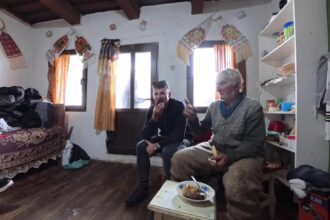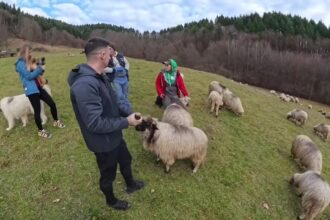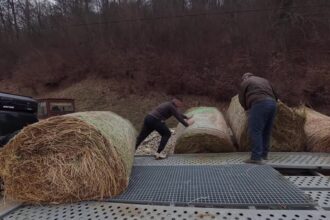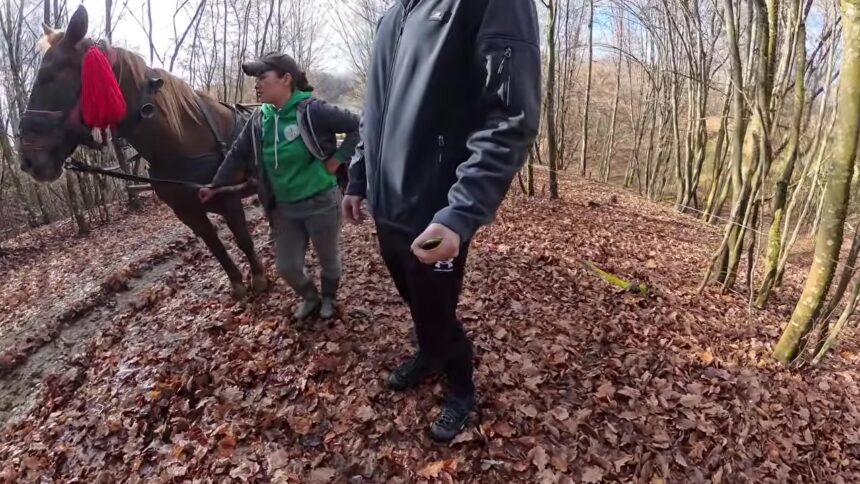
Rural Romania shepherd traditions are best experienced slowly, through respectful village stays, local guides and real working landscapes rather than staged encounters. Haida in Lume’s film offers a close, human view of a shepherd family’s daily rhythm: animals, household work and the steady labor behind food and tradition. This guide shows how to plan a responsible countryside journey of your own, using Maramureș as a practical base for sheepfold culture, crafts and mountain village life.
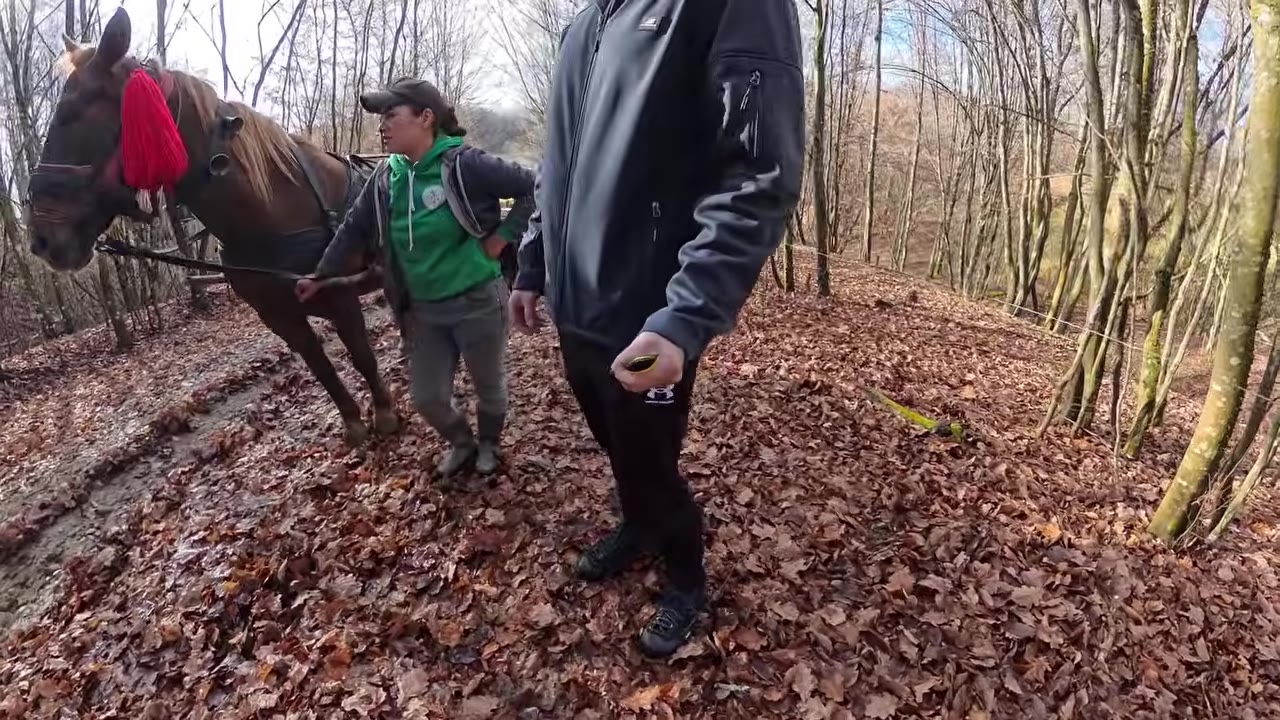
What Haida in Lume’s journey shows
- A visit into the working world of a Romanian shepherd family, where the household and flock shape the pace of the day.
- Hands-on chores around animals and the farmstead, showing that pastoral life involves continuous physical work.
- The close relationship between family members, sheep and the practical spaces used for feeding, shelter and food preparation.
- Moments of ordinary rural routine rather than a polished folklore show: labor, meals, conversation and care for livestock.
- A reminder that traditions survive because families continue to practice them, not because they are preserved behind glass.
Watch the original journey before planning your visit, then use the practical advice below to experience countryside heritage with care.
How to get to a rural shepherding area
For a first trip focused on rural Romania shepherd traditions, base yourself in northern Maramureș. The villages around Breb, Budești, Ocna Șugatag, Sighetu Marmației and Vișeu de Sus offer a useful combination of living village culture, wooden architecture, mountain scenery and access to locally led experiences.
International visitors can fly to Bucharest or Cluj-Napoca, then continue by rental car or train and local transfer. A car is the simplest option for connecting villages, trailheads and guesthouses, but do not assume every narrow lane is suitable for low-clearance vehicles. If travelling by rail, use the official CFR Călători journey planner and leave generous time for connections; the 2025–2026 timetable runs until December 12, 2026.
Do not arrive at a sheepfold unannounced. Many are private workplaces, sometimes far into the hills, with livestock-guardian dogs and no visitor facilities. Instead, arrange a visit through a local guide or an established responsible-tourism organization. Eco Maramureș lists local guides for village life, crafts, hiking and sheepfold visits, making it a sensible starting point for a properly arranged encounter.
Best time to experience rural Romania shepherd traditions
Late spring through early autumn is the most practical period for a countryside itinerary. From May to August, pasture work, wool and village-craft experiences are easier to organize, while the hills are green and daylight is long. Eco Maramureș’s “Story of Wool” experience is offered from May through August and combines a sheepfold visit with household and weaving traditions.
September can be especially rewarding for quieter roads, cooler walking weather and harvest-season atmosphere. Winter is beautiful but more demanding: snow, short days and reduced rural transport make a car, flexible schedule and warm layers essential. Whenever you travel, remember that farm work follows weather and animals, so a planned visit may need to change at short notice.
What it costs in 2026
Costs vary greatly because rural stays and private farm visits are often arranged directly. The prices below are publicly listed by the relevant operators or institutions; book or contact them before building your budget.
| Experience | 2026 price | What it includes |
|---|---|---|
| Mocănița Maramureș standard adult ticket | 136 lei | Return journey on the Vaser Valley forest railway |
| Mocănița Maramureș special adult package | 198 lei | Train ticket, grill platter, coffee, soft drink and pastry |
| Maramureș Village Museum adult admission | 20 lei | Entry to the open-air museum in Sighetu Marmației |
| Maramureș Village Museum English or Romanian guide fee | 80 lei | Guiding service, separate from admission |
| Eco Maramureș “Story of Wool” adult experience | 360 lei | Two days of guided trips and visits to households and craftspeople; transport and meals excluded |
The Mocănița operator publishes seasonal departure days and notes that holiday pricing differs. For cultural context before visiting working farms, the Maramureș Village Museum is a valuable first stop: its traditional buildings help visitors understand the domestic spaces and craftsmanship seen across the region.
Where to stay for a respectful rural experience
Choose a licensed guesthouse in or near Breb, Budești, Ocna Șugatag, Desești or Sighetu Marmației. A village guesthouse gives you the best chance to meet hosts, eat regional food and begin early for walks or arranged farm visits; Sighetu Marmației is better if you want more services, museums and easier transport connections.
Ask hosts three useful questions before booking: whether dinner is available, whether they can recommend a local guide, and whether they can arrange a visit that has been agreed with the family in advance. Avoid accommodation that promises “authentic shepherd life” without naming how the visit benefits or involves local people. For more regional planning ideas, see our Maramureș village traditions guide and our guide to Romania’s rural cheese traditions.
Safety and etiquette around sheepfolds and villages
Rural Romania is welcoming, but it is not an open-air museum. Ask before photographing people, animals, homes, religious spaces or food preparation. Buy cheese, wool goods or meals only when offered, and never pressure a household to let you enter animal enclosures.
Sheepfold dogs are working guardian dogs. Stay close to your host or guide, do not run toward a flock, do not feed or touch dogs without permission, and do not set off on a mountain route alone if you do not know the area. Wear boots with grip, bring rain protection, carry water and keep offline maps. In an emergency, call 112 in Romania.
Most importantly, treat a farm visit as an invitation into someone’s livelihood. Be punctual, accept that plans can change, pay agreed fees fairly and do not expect families to repeat work for photographs. This is the same respectful approach we recommend when visiting culturally sensitive places, such as in our Auschwitz-Birkenau visitor guide: observe carefully, learn sincerely and put local dignity ahead of content.
Day-by-day (how to travel it yourself)
Day 1: Arrive in Maramureș and learn the context. Check into a village guesthouse or stay in Sighetu Marmației. Visit the Maramureș Village Museum, then spend the afternoon walking through town or taking a short transfer to a nearby village. Use dinner with your host to ask about seasonal food, local etiquette and the next day’s logistics.
Day 2: Arrange a guided wool, farm or sheepfold experience. Book a local guide or Eco Maramureș experience in advance. Expect walking, uneven ground and an itinerary shaped by weather and farm needs. Focus on listening and observing: grazing, milking, cheese-making, wool handling and household work all require skill. Do not promise yourself a specific photo or activity; the most meaningful visit is one that fits the family’s real day.
Day 3: Connect the pastoral landscape to village heritage. Visit Budești or Desești for wooden church architecture, browse a craft workshop if one is open by arrangement, and make time for a slow meal featuring local dairy products. If you are near Vișeu de Sus and have reserved ahead, take the Mocănița forest railway as a scenic addition rather than a substitute for meeting local people.
Day 4: Depart or continue deeper into the Carpathians. Add a hiking day with a licensed local guide, continue toward Bucovina, or return via Cluj-Napoca. Travelers with more time can also read our practical guide to traditional shepherd culture in the Carpathians before extending the route.
Frequently asked questions
Can tourists visit a Romanian sheepfold?
Yes, but only by invitation or through a pre-arranged local guide or responsible operator. A sheepfold is a workplace, and conditions can change with weather, grazing routes and animal care.
What should I wear for a shepherding visit?
Wear sturdy closed shoes or hiking boots, long trousers, layers and a waterproof outer layer. Avoid sandals, bright loose clothing and anything that makes walking safely through mud or grass difficult.
Is Maramureș the only place to experience rural Romania shepherd traditions?
No. Pastoral traditions exist across the Carpathians and in areas including Mărginimea Sibiului, Bran-Moieciu, Bucovina and Gorj. Maramureș is an especially accessible choice because it combines villages, museums, craft traditions and guided rural experiences.
Should I rent a car in rural Romania?
A car gives the most flexibility for village stays and early departures, but it is not essential if you stay in Sighetu Marmației or work with a guide who provides transfers. Confirm transport before booking a remote guesthouse.
Facts and prices verified in October 2026. Travel with Influencers is an independent fan/editorial guide, not affiliated with or endorsed by the creators featured. Watch and support the original creator: Haida in Lume on YouTube.