

The best things to do in Miami Florida combine beach time in South Beach with the city’s Art Deco streets, Cuban culture, bold street art and bayside neighborhoods. For a first visit, plan around compact areas rather than trying to cross Miami repeatedly in one day. This guide turns Pasaporte Viajero’s highlights into a practical 2026 plan, including arrival options, realistic entry costs, the best season, neighborhoods and a simple three-day itinerary.
What Pasaporte Viajero’s journey shows
- The journey opens with Miami’s famous seaside identity: South Beach, sand, palms and the pastel Art Deco buildings along Ocean Drive.
- It then moves into central Miami landmarks and bay views, showing why Downtown and Bayside are useful stops for first-time visitors.
- The route explores Wynwood, where former warehouse streets have become an outdoor gallery district known for murals, cafés and independent shops.
- Little Havana brings a different side of the city through Calle Ocho, Cuban food, music and social life around Domino Park.
- The wider itinerary points beyond the beach toward places such as Coconut Grove, Key Biscayne, historic estates and the Everglades.
Watch the original video first for a visual overview, then use the practical details below to shape your own route.
How to get to and around Miami
Most international visitors arrive at Miami International Airport (MIA). The airport’s Miami Intermodal Center connects to Metrorail, Metrobus and Tri-Rail, while the Orange Line serves stops including Coconut Grove, Vizcaya, Brickell and Government Center. Check the airport’s live transit notices before travelling: MIA currently advises some Metrorail passengers to transfer at Earlington Heights for the Orange Line airport train.
For a beach-focused first trip, stay in Miami Beach and use rideshares or buses for occasional cross-bay journeys. For a more urban itinerary, Brickell or Downtown puts you close to the free Metromover loop and Metrorail connections. A rental car is useful for the Everglades, Key Biscayne and trips beyond Miami, but parking fees, traffic and toll roads can make it an unnecessary expense for a short city break.
Miami-Dade’s regular Metrobus and Metrorail fare remains $2.25 in November 2026; a rise to $2.75 has been approved for January 2027. The free Metromover is especially handy between Downtown, Brickell and parts of the bayfront.
Best time to visit Miami
November through April is the easiest period for a first Miami trip if you want drier weather and comfortable walking conditions. It is also the busiest and generally pricier season, especially around major events, school holidays and late December. Miami’s official visitor guidance describes February as particularly popular and notes that November brings mild, dry days but higher hotel demand.
May through October can offer better hotel value, but expect stronger heat, humidity and regular rain. If you visit in summer, arrange outdoor sightseeing early, reserve the middle of the day for museums or lunch, and keep beach plans flexible. Whatever month you choose, pack sun protection, a refillable water bottle and a light layer for strongly air-conditioned interiors.
What Miami costs in 2026
Miami can be tailored to many budgets, but the most reliable way to manage spending is to mix free neighborhood walks and public beaches with one or two paid attractions. The prices below are adult prices confirmed from the operators in November 2026; always recheck opening hours and ticket availability before purchase.
| Item | Verified 2026 price | Notes |
|---|---|---|
| Metrobus or Metrorail single ride | $2.25 | Regular fare in November 2026 |
| Miami-Dade 1-day transit pass | $5.65 | Metrobus and Metrorail |
| Metromover | Free | Downtown and Brickell people mover |
| Vizcaya Museum and Gardens adult admission | $25 | Reduced rate during restoration |
| Pérez Art Museum Miami adult admission | $18 | Free Thursdays after 5 p.m. |
| Everglades National Park private vehicle entry | $25 | Valid for seven consecutive days |
Where to stay in Miami
South Beach is best for travellers who want to walk to the ocean, Ocean Drive and Art Deco streets. It is lively and convenient, but rooms can be expensive and nighttime noise is common around the busiest blocks.
Brickell suits visitors who prefer modern hotels, restaurants, high-rises and straightforward Metrorail access. It is less beach-focused, but it makes a practical base for Downtown, Vizcaya and airport arrivals.
Downtown works well for museums, the Metromover and bayfront views, while Wynwood is a good choice for art, dining and a more neighborhood-led feel. Coconut Grove is calmer, leafier and particularly appealing for couples or longer stays. For another big-city planning comparison, see our Chicago travel guide.
Beaches, neighborhoods and activities to prioritize
Start with South Beach, but do not spend the entire trip there. Walk Ocean Drive in the morning, continue through Lummus Park, then move north along the sand if you want a quieter stretch of beach. Swimming conditions can change, so follow lifeguard flags and posted instructions rather than judging the sea from the shore.
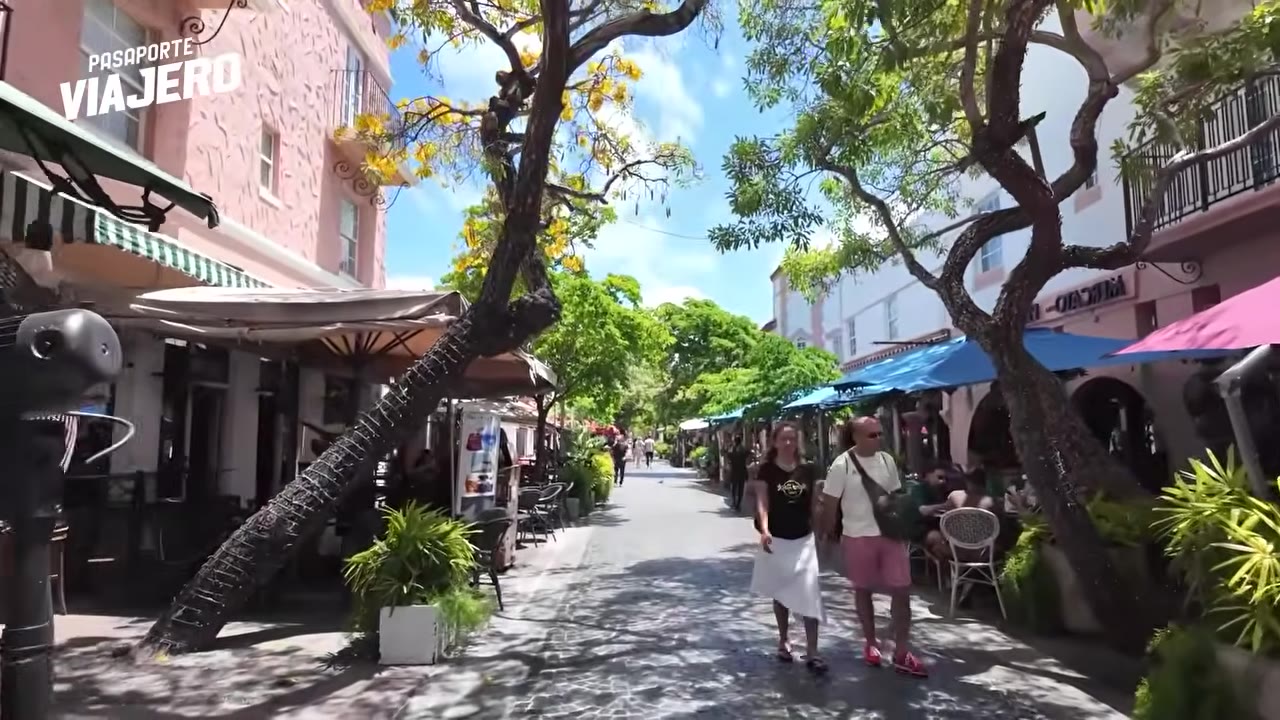
Pair Wynwood with the Miami Design District for murals, galleries, fashion and food. Then give Little Havana its own unhurried visit: walk Calle Ocho, stop for Cuban coffee, look into Domino Park from the outside and choose a restaurant that feels busy with local diners. Do not treat the neighborhood as a quick photo stop.
For culture, choose Vizcaya Museum and Gardens, which is reached via the Orange Line’s Vizcaya station, or the Pérez Art Museum Miami on the waterfront. A half-day Everglades excursion adds a completely different landscape, but note that Shark Valley is open daily from 8:30 a.m. to 6 p.m. and is best started early.
Safety and first-time Miami tips
Miami rewards simple planning. Keep your phone and wallet secure in crowded nightlife areas, avoid leaving bags or valuables visible in a parked car, and use licensed taxis, established rideshare apps or official transit after dark. If you are walking between neighborhoods, remember that distances can look short on a map but feel long in heat and humidity.
Build your days by area: Miami Beach, Wynwood/Design District, Little Havana/Vizcaya, and Downtown/Brickell each deserve separate time. This approach leaves room for meals, rain showers and spontaneous stops. Travellers continuing through Latin America may also find our Downtown Medellín safety and sights guide useful for another city where neighborhood-by-neighborhood planning matters.
Day-by-day (how to travel it yourself)
Day 1: South Beach and bayfront. Spend the morning on South Beach, walk Ocean Drive and the Art Deco Historic District, then cross to Downtown in the afternoon. Ride the free Metromover, see Bayfront Park and choose either the Pérez Art Museum Miami or an evening in Brickell.
Day 2: Wynwood, Design District and Little Havana. Begin in Wynwood before crowds and heat build. Continue to the Design District for lunch, then head to Little Havana in the late afternoon for Calle Ocho, Cuban coffee and dinner.
Day 3: Choose heritage or nature. Visit Vizcaya Museum and Gardens and explore Coconut Grove, or rent a car/join an excursion for the Everglades. If beaches are your priority instead, devote the day to Key Biscayne and return for a final sunset on Miami Beach.
Frequently asked questions
How many days do I need for Miami?
Three full days cover South Beach, Downtown or Brickell, Wynwood and Little Havana, plus either Vizcaya or the Everglades. Add a fourth day for Key Biscayne, shopping or a slower beach day.
Is Miami walkable for first-time visitors?
Individual areas are walkable, especially South Beach, Brickell, Wynwood and Little Havana. Miami as a whole is spread out, so group sights by neighborhood and combine walking with transit or rideshares.
Do I need a car in Miami?
No, not for a short trip centered on Miami Beach, Brickell, Downtown, Wynwood and Little Havana. A car becomes more useful for the Everglades, Key Biscayne and day trips outside the city.
What is the best free thing to do in Miami?
Walk the Art Deco district and beach path in South Beach, then ride the free Metromover around Downtown and Brickell. Wynwood’s street art can also be enjoyed simply by walking the public streets.
Facts and prices verified in November 2026. Travel with Influencers is an independent fan/editorial guide, not affiliated with or endorsed by the creators featured. Watch and support the original creator: Pasaporte Viajero on YouTube.