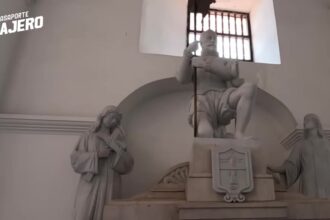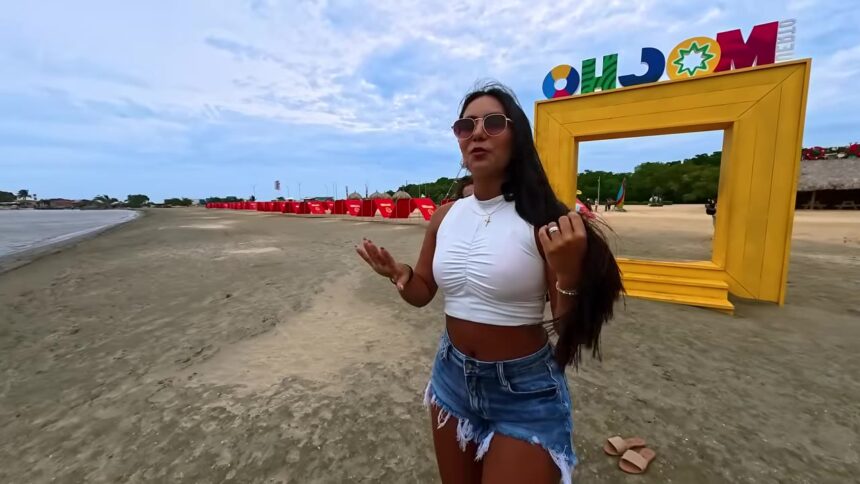
A Barranquilla Colombia beaches travel guide is best planned as a mix of riverfront city life, Carnival culture and easy Caribbean beach escapes—not as a conventional resort break. Base yourself in the city for the Gran Malecón, Barrio Abajo and the Museo del Carnaval, then make time for Puerto Mocho or Puerto Colombia on the coast. This guide explains how to arrive, when to visit, what key experiences cost in 2026, where to stay and how to follow a practical three-day route inspired by Michelle Thielen’s first visit.
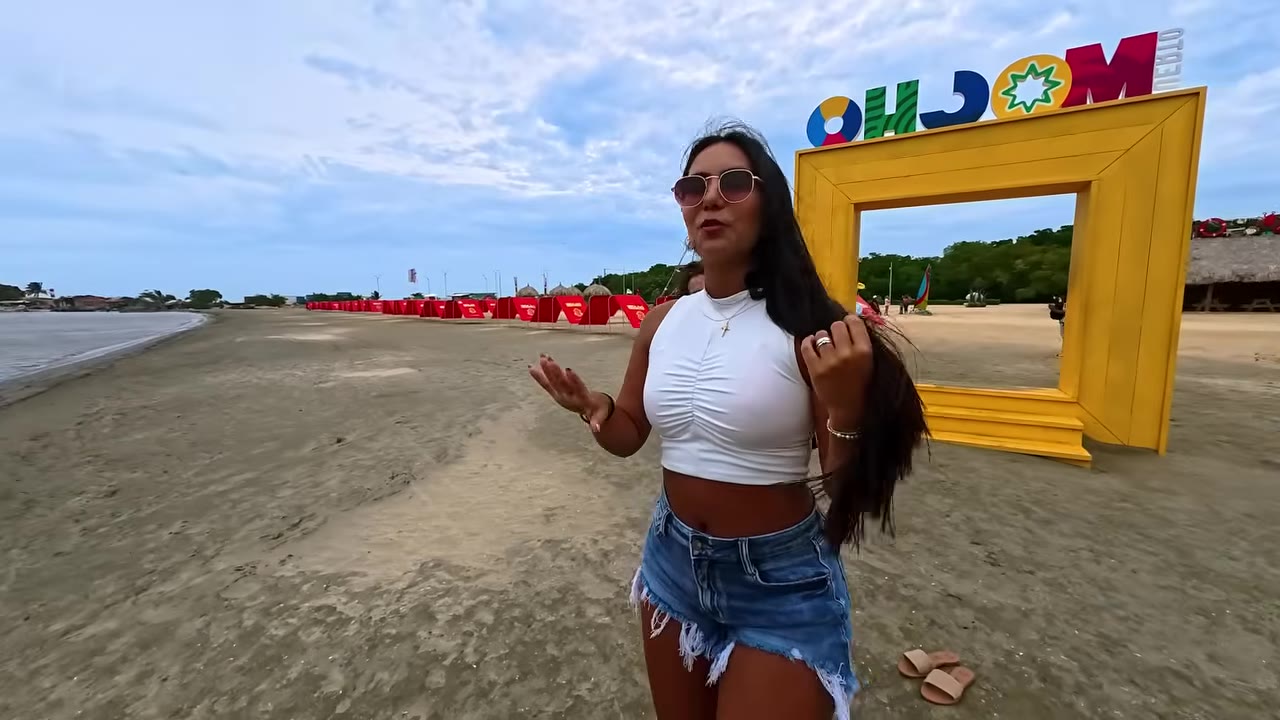
What Michelle Thielen’s journey shows
- A first impression of Barranquilla through a local-led city tour with fellow travel creator Viaja con Lindy.
- The sociable, warm energy that makes the city feel different from Colombia’s better-known mountain destinations.
- Everyday urban scenes that are as much about sharing food, conversation and music as ticking off monuments.
- A reminder to look beyond Carnival dates: Barranquilla has a lived-in Caribbean character throughout the year.
- A useful starting point for combining city neighbourhoods, the riverfront and nearby beach time in one short trip.
Watch Michelle Thielen’s Barranquilla visit before planning your own route:
How to get to Barranquilla and move around
Most visitors fly into Ernesto Cortissoz International Airport, which is in Soledad, south of central Barranquilla. Arrange an airport transfer through your accommodation, use an app-based ride where available, or take an authorised airport taxi rather than hailing a vehicle on the street. If you are travelling overland, Barranquilla is also a natural stop between Cartagena and Santa Marta, although daytime journeys are preferable.
Within the city, use ride-hailing or hotel-arranged transport for point-to-point journeys, especially after dark. The Gran Malecón is a good first landmark: it runs for 5.5 kilometres along the Magdalena River and is served by Transmetro routes, including the A8-1 Paraíso route near Puerta de Oro.
For beach time without a long road trip, Puerto Mocho is Barranquilla’s closest urban beach. The official city information lists free beach entry, while the tourist train is a separate return-ticket expense.
Best time to visit Barranquilla
For the biggest cultural experience, plan around Carnival. The official 2027 celebrations are scheduled for February 6 to 9, with pre-Carnival events beginning in January. Book accommodation and transport far ahead if these are your dates: demand rises sharply and the city’s normal pace changes completely.
For a calmer city-and-beach break, choose a non-Carnival week and build your days around early mornings and late afternoons, when outdoor walks are more comfortable. Barranquilla is hot year-round, so a shaded lunch, a hotel pool and a sunset visit to the riverfront are sensible parts of the itinerary rather than optional extras.
Rainy periods commonly fall from March to May and October to November, while hotter, drier conditions are more common from December to March and July to August. Weather can change quickly on the Caribbean coast, so carry water, sun protection and a light rain layer.
What Barranquilla costs in 2026
Use Colombian pesos (COP) for your working budget and keep a little cash for small purchases and beach services. Hotel, restaurant and ride costs vary greatly by weekend, event calendar and neighbourhood, so they are best checked live for your exact dates. The verified fixed prices below are useful anchors for planning.
| Experience | 2026 price | Notes |
|---|---|---|
| Museo del Carnaval adult admission | COP 20,000 | Official museum price; timed entries operate during opening hours. |
| Barranquilla Zoo general admission | COP 42,900 | 2026 general admission price. |
| Puerto Mocho beach entry | Free | Beach access is free. |
| Puerto Mocho tourist train, return | COP 10,000 | Return journey; check operating days before travelling. |
The Museo del Carnaval lists adult admission at COP 20,000 and opens Tuesday to Sunday, with entry slots during the day. The zoo’s 2026 general ticket is COP 42,900. Puerto Mocho’s return tourist-train ticket is COP 10,000, while the beach itself has no admission charge.
Where to stay in Barranquilla
For a first visit, choose the north of the city around Alto Prado, El Prado or the Buenavista area. These districts are practical for established hotels, restaurants, shopping and more straightforward evening logistics. El Prado suits travellers who value historic character, while Alto Prado and Buenavista are convenient choices for a modern base.
Barrio Abajo is worth visiting for its Carnival heritage, murals and cultural atmosphere, but many first-time visitors will prefer to sleep farther north and visit by day. A beach hotel in Puerto Colombia can work for a slower coast-focused stay, although it makes city sightseeing less convenient.
If this is part of a wider Colombia route, pair Barranquilla’s Caribbean energy with the salsa and urban culture in our Cali, Colombia travel guide, rather than trying to rush both cities into one weekend.
Safety and practical tips
Use the same city awareness you would use in any large destination: keep your phone and jewellery discreet, carry only the cash you need, avoid isolated streets, and do not walk between nightlife venues late at night. Ask your hotel to order a car or use a recognised ride-hailing app; do not hail taxis from the street.
For U.S. travellers, the State Department’s Colombia advisory is Level 3, “Reconsider Travel,” citing crime, terrorism, unrest, kidnapping and natural-disaster risks. The guidance specifically advises keeping a low profile, avoiding demonstrations and staying alert. Check your own government’s advice before departure and make decisions based on your circumstances.
At Puerto Mocho, swim only in marked areas and follow lifeguard instructions; the meeting of river and sea can create strong currents. For a longer beach day, Puerto Velero has calmer-water appeal and is about 30 minutes from Barranquilla, while Santa Verónica is about 35 kilometres southwest of the city and is known for relaxed beach kiosks.
For more general habits that help travellers avoid hassle in busy destinations, see our guide to avoiding common travel scams.
Day-by-day (how to travel it yourself)
Day 1: Riverfront and Carnival culture. Start at the Gran Malecón before the strongest midday heat. Have lunch along the river, then visit Barrio Abajo and the Museo del Carnaval for the context behind the city’s defining celebration. Finish with dinner in El Prado or Alto Prado.
Day 2: Puerto Mocho and Mallorquín. Take the tourist train to Puerto Mocho for a beach-and-sunset day. Allow time for local seafood, but keep swimming conservative and stay within supervised areas. If you prefer nature over beach lounging, add the nearby Mallorquín ecological area, where visitors can walk, birdwatch and enjoy non-motorised water activities.
Day 3: Coastal escape. Take a driver or organised day trip to Puerto Colombia, Puerto Velero or Santa Verónica. Return to Barranquilla before late evening. This final day gives the trip the beach component that the city itself complements rather than replaces.
Travellers who enjoy contrast between energetic cities and outdoorsy day trips may also like our Cebu Island guide.
Frequently asked questions
Is Barranquilla worth visiting for beaches?
Yes, if you treat it as a city base with nearby beach options. Puerto Mocho is the closest urban choice, while Puerto Colombia, Puerto Velero and Santa Verónica offer broader coastal day-trip possibilities.
How many days do I need in Barranquilla?
Three days is a practical minimum: one for the riverfront and cultural sights, one for Puerto Mocho, and one for a beach trip beyond the city.
When is Barranquilla Carnival in 2027?
The official Carnival dates are February 6 to 9, 2027. Pre-Carnival events begin in January, so reserve rooms well in advance if you want to attend.
Is Puerto Mocho free to enter?
Yes. Beach entry is free, but the tourist train and any food, transport or beach services are paid separately.
Facts and prices verified in October 2026. Travel with Influencers is an independent fan/editorial guide, not affiliated with or endorsed by the creators featured. Watch and support the original creator: Michelle Thielen on YouTube.