Bologna is absolutely worth visiting if you want an Italian city that feels lived-in, food-focused and walkable, rather than a polished museum set. This Bologna Italy travel guide explains the reality behind the postcard: busy student streets, expensive airport transport, deeply local dining customs and a compact historic centre best explored slowly. You will also find verified 2026 transport and attraction prices, practical areas to stay, and an itinerary you can follow without trying to see everything at once.
What Gabriel Herrera’s journey shows
- The journey begins with arrival in Bologna and an immediate sense that this is a major Italian city with everyday life happening around its visitors.
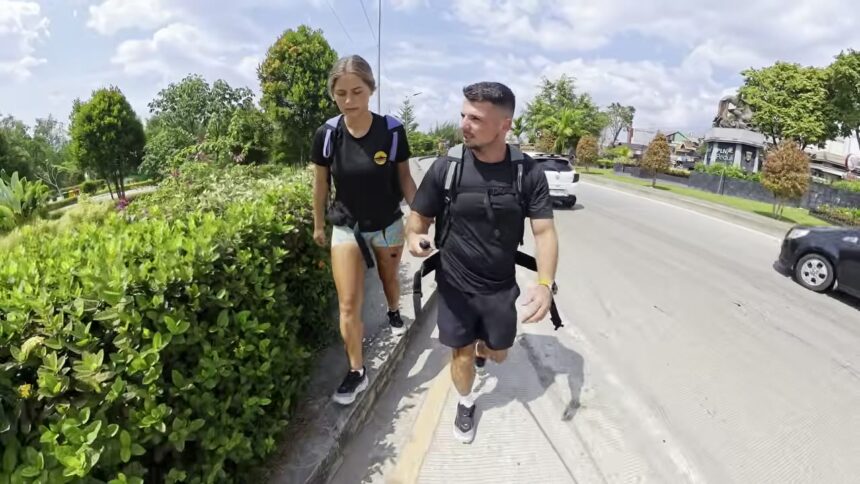
- Gabriel walks through the historic centre, where porticoes, old streets and crowded public spaces shape the experience more than a checklist of monuments.
- The video turns to Bologna’s powerful food identity and the assumptions many international visitors bring with them.
- A local culinary discovery challenges the familiar idea of “spaghetti Bolognese” and points instead towards the city’s own traditions.
- Family moments, street observations and food stops make the day feel less like a staged sightseeing tour and more like an encounter with Bologna as it is.
Watch Gabriel Herrera’s Bologna episode before planning your own visit:
How to get to Bologna and move around
Bologna is easy to reach by rail and works particularly well as a stop between larger Italian cities. Bologna Centrale is close enough to the historic centre for many visitors to walk to their accommodation, although luggage, rain and late arrivals can make a local bus or taxi more sensible.
From Bologna Guglielmo Marconi Airport, the fastest direct link is the Marconi Express, which connects the airport with Bologna Centrale in about seven and a half minutes. It operates from 5:40 am to midnight; an overnight Q bus operates between midnight and 5:40 am. The monorail is convenient but notably costly for such a short journey, so include it in your arrival budget rather than treating it as a minor expense.
Once you are in the centre, walk. Piazza Maggiore, the Quadrilatero food district, Santo Stefano and the university quarter are close together, and Bologna’s porticoes make walking more comfortable in sun or rain. Buses are useful for San Luca, outer neighbourhoods and tired legs at the end of the day. If Rome is also on your itinerary, our first-time Rome guide can help you plan the contrast between Italy’s capital and Bologna’s more local rhythm.
Best time to visit Bologna
Late spring and early autumn are the best balance for a Bologna city break: outdoor tables are active, walking is easier and you can spend long periods under the porticoes without the intensity of midsummer. April, May, September and October are especially good choices if food, architecture and neighbourhood wandering are your priorities.
Summer can be hot, and the centre does not become empty simply because university classes are quieter. Winter is a strong option for travellers who care more about museums, long meals and lower-pressure sightseeing than terraces and daylight. Bologna’s covered walkways are a genuine advantage in wet weather, but bring shoes with grip: old paving can be slick after rain.
What Bologna costs in 2026
Bologna is not a bargain version of Florence or Rome. You can keep costs controlled by walking, choosing one or two paid sights and eating a proper lunch rather than relying on tourist-centre snacks. Accommodation is the least predictable part of the budget, especially around fairs, major events and weekends, so book early when your dates are fixed.
| Item | Verified 2026 price | Useful detail |
|---|---|---|
| Marconi Express airport to Bologna Centrale | €12.80 one way | Includes 75 minutes on urban Tper services after validation. |
| Marconi Express return journey | €23.30 | The return must be made within 30 days. |
| Bologna urban bus single ticket | €2.30 | Valid for 75 minutes in the urban area. |
| Bologna urban contactless daily fare cap | €9 | Applies through the Tper contactless best-fare system. |
| Museo Civico Archeologico full admission | €6 | One of the best-value paid museums in the centre. |
| Bologna Welcome Card Easy | €35 | Includes selected museums, a walking tour, Clock Tower access and bike rental. |
| Official city-centre walking tour | €18 | Listed by Bologna Welcome. |
These prices are from Marconi Express, Tper and Bologna Welcome. Also expect a city accommodation tax, charged per person and per night according to the room-price band; confirm the final amount with your property before booking.
Where to stay in Bologna
For a first visit, stay in the historic centre if your budget allows. You will be able to walk to Piazza Maggiore early in the morning, return to your room between sightseeing and dinner, and enjoy the atmosphere after day-trippers leave. The trade-off is noise: narrow streets, restaurant terraces and student nightlife can be lively late into the evening.
The area around Bologna Centrale is practical for one-night stops, early trains and airport connections. It is less romantic but efficient, and the old town is still walkable. Santo Stefano and the streets east of the centre offer a quieter, more residential-feeling base, while university-area accommodation suits travellers who enjoy energy and do not need silence.
What to do beyond the idealised version of Bologna
Start in Piazza Maggiore, but do not rush through it. Step inside the Basilica of San Petronio, where general admission is free, then wander through the Quadrilatero rather than treating it as a quick food-photo stop. The market lanes are most enjoyable when you arrive curious, buy one or two things, and leave room for a real meal later.
For history, the Museo Civico Archeologico is a rewarding stop near the centre, with Egyptian, Roman and Etruscan collections. For a bigger walk, follow the covered route towards the Sanctuary of San Luca. The portico is roughly four kilometres long and climbs steadily, so it is a half-day activity rather than an effortless stroll. You can also use public transport for one direction.
The food lesson in Gabriel’s video is worth taking seriously. In Bologna, ask for tagliatelle al ragù, not “spaghetti Bolognese.” Try tortellini in brodo, mortadella and seasonal dishes too. A good trattoria is not necessarily the one with the largest English menu or the most dramatic display window.
Travellers who enjoy slower European destinations may also like our guides to Gozo and Sweden, where everyday culture matters as much as headline attractions.
Safety and practical Bologna tips
Bologna is straightforward for independent travel, but use ordinary city awareness around the station, crowded buses and busy market streets. Keep your phone and wallet secure, particularly when you stop to read a map or photograph a busy square. Avoid leaving bags unattended at outdoor tables.
Book restaurants for Friday and Saturday evenings, especially if you want a well-known traditional trattoria. Eat at Italian times where possible, be patient with slower service, and do not expect every meal to be inexpensive simply because Bologna is famous for local food. Finally, wear comfortable footwear: the centre is compact, but the best version of Bologna is discovered on foot.
Day-by-day (how to travel it yourself)
Day 1: Arrive, leave luggage at your hotel, and begin at Piazza Maggiore. Visit San Petronio, walk through the Quadrilatero, explore the Archiginnasio area and continue to Santo Stefano. Reserve dinner at a traditional trattoria and order tagliatelle al ragù or tortellini in brodo.
Day 2: Visit the Museo Civico Archeologico in the morning, then spend time in the university quarter and under the porticoes around Via Zamboni. After lunch, walk or take transport towards San Luca for the hilltop views. Return to the centre for an aperitivo, then use Bologna Centrale for your onward train or stay another night for a slower pace.
Frequently asked questions
Is Bologna worth visiting for two days?
Yes. Two days is enough for the historic centre, a museum, a serious food experience and San Luca without turning the city into a rushed checklist.
Is Bologna expensive compared with other Italian cities?
It can be, especially for central accommodation and the airport transfer. Walking, public buses and free sights such as San Petronio help balance the budget.
Can I visit Bologna without a car?
Yes. It is one of Italy’s easiest cities to enjoy on foot, and trains make it a practical stop on a wider itinerary.
What should I eat in Bologna?
Start with tagliatelle al ragù, tortellini in brodo, mortadella, lasagne verdi and seasonal dishes. “Spaghetti Bolognese” is not the traditional local order.
Facts and prices verified in August 2026. Travel with Influencers is an independent fan/editorial guide, not affiliated with or endorsed by the creators featured. Watch and support the original creator: Gabriel Herrera on YouTube.