Cascada del Vino Venezuela is a striking red-water waterfall in Lara State’s Dinira National Park, best visited as a carefully planned day trip from the mountain village of Barbacoas. Its wine-coloured flow is natural, not a visual effect: organic compounds from surrounding vegetation combine with iron-rich material in the water and on the rocks. This guide explains where La Vinotinto is, how to approach it responsibly, what is known about current access and costs, and how to build a realistic short itinerary around one of Venezuela’s most unusual waterfalls.
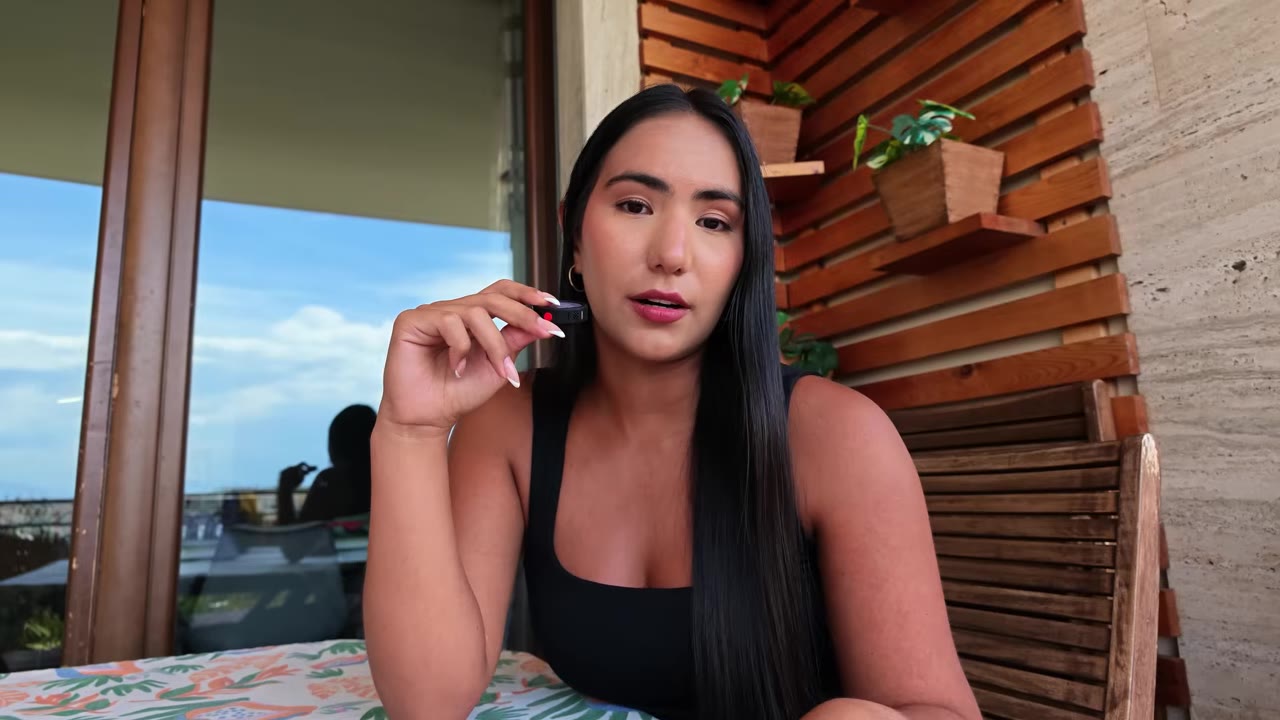
What Michelle Thielen’s journey shows
- Michelle opens with a personal message about Venezuela and the difficult circumstances affecting her country.
- She explains that she has stepped back from the platform while grieving alongside affected Venezuelan families.
- She frames work and online communities as practical tools for supporting people from abroad.
- She shares donation routes and encourages viewers in Europe and elsewhere to help affected families.
- The video is not a destination vlog of Cascada del Vino, but it offers important context: visiting Venezuela should never mean ignoring the realities faced by local communities.
Watch Michelle Thielen’s original message before planning a trip.
Where Cascada del Vino is and why the water is red
Cascada del Vino, also called La Vinotinto, lies in the northern sector of Dinira National Park, within Morán Municipality in Lara State. It is close to Barbacoas, in a cool, mountainous landscape where the Venezuelan Andes meet Lara’s highlands. Local tourism references place the waterfall at roughly 1,670 metres above sea level.
The name means “Wine Waterfall,” but the water is not wine-red because of algae, paint or pollution. Accounts of the site attribute the colour to anthocyanins and tannic organic compounds released by decomposing leaves and roots, which mix visually with ferruginous, or iron-bearing, material in the watercourse. Depending on rainfall, light and the amount of sediment moving through the stream, the result can look red, ruby, brownish-purple or orange against the rocks.
That is also why expectations matter. This is a natural mountain stream, not a permanently uniform red river. Visit for the unusual landscape, cold water and forest setting rather than expecting a single fixed colour for photographs. Do not drink untreated stream water.
How to get to Cascada del Vino Venezuela
For independent travellers, Barquisimeto is the most practical large-city starting point in Lara State. From there, the usual overland approach follows the route toward Quíbor and El Tocuyo, then the Pan-American road toward Trujillo through San Pedro, La Pastora and Jabón to Barbacoas. Older local route guidance describes the final approach from Barbacoas as short, but road surfaces and closures can change quickly in this mountainous area.
Do not treat old drive times as guarantees. In April 2026, heavy rain caused a landslide that blocked the entrance area and left 45 visitors temporarily stranded until emergency teams restored access. Before leaving Barquisimeto, ask locally in Barbacoas and check official municipal, civil-protection or park communications for same-day road and weather conditions.
A high-clearance vehicle and an experienced local driver are the sensible choice where the road is rough. Public transport can bring travellers toward Barbacoas, but it is not a dependable way to manage a fixed itinerary, return after dark or react to a closure. Arrange a private transfer or local guide in advance, carry cash in small denominations, and leave enough daylight for the return journey.
Best time to go and what to expect
Choose a dry, clear morning outside major Venezuelan holiday periods if conditions permit. The waterfall is popular during Carnival, Easter week and other holiday weekends, when crowding and litter have historically put pressure on the recreation area.
Rain can make the falls more forceful and deepen the colour, but it also raises the risks: slippery ground, reduced visibility, swollen water and landslides on access roads. The April 2026 incident is a useful reminder that dramatic weather is not simply a photographic opportunity. If substantial rain is forecast, postpone rather than try to “beat” the weather.
Bring closed-grip shoes, a light rain layer, drinking water, snacks, a dry bag, sun protection and a warm layer for the return. The water is cold, and the rocks near the fall are not a place for sandals, climbing or posing close to the edge. If you enjoy highland waterfalls, our guide to Bambarakanda Falls in Sri Lanka has similarly useful advice on planning around changing mountain conditions.
What Cascada del Vino costs in 2026
There is no reliable, publicly posted 2026 tariff for park admission, parking, local transport or guided visits that we can verify at publication. That matters because Venezuela’s prices and payment arrangements can change rapidly. Historical references list a former entrance charge, but it is not a usable 2026 price and should not be used for budgeting.
| Expense | Verified 2026 price | Planning note |
|---|---|---|
| Cascada del Vino admission | No current public rate verified | Confirm locally before departure; do not rely on historical bolívar amounts. |
| Guided transfer or full-day visit | Quote required | Operators serving the destination accept several payment methods, but publish no fixed Cascada del Vino rate. |
| Accommodation near Barbacoas | Quote required | Glamping La Cepa lists stays and day excursions, but requests dates before providing a price. |
For a trip like this, request a written quote that states exactly what is included: vehicle, driver, fuel, park access if charged, guide, meals, overnight stay and waiting time. Keep an emergency cash reserve separate from your day budget.
Where to stay near Cascada del Vino
Stay in Barbacoas or nearby mountain communities if you want an early start and less pressure to drive after dark. A small local lodge, cabin or glamping stay can be more practical than returning to Barquisimeto on the same evening, especially in unsettled weather. Glamping La Cepa, in the upper Barbacoas area, advertises overnight accommodation and daytime excursions to the waterfall; contact the operator directly for availability, inclusions and current pricing.
Barquisimeto remains the better base if you need a larger choice of services, but it turns the waterfall into a longer day. Book only accommodation that can confirm transport arrangements and communication access. For another guide built around a beautiful but logistics-heavy road journey, see our Transfagarasan Road guide.
Safety and responsible travel tips
As of August 2026, the U.S. Department of State advises travellers to reconsider travel to Venezuela because of crime, kidnapping, terrorism and poor health infrastructure. Its advisory specifically identifies the Venezuela-Colombia border region as “Do Not Travel”; Cascada del Vino is in Lara State, not on that border, but the nationwide caution still applies.
Travel with a trusted local contact or established operator, avoid travel after dark, keep identification and emergency contacts accessible, and do not depend on mobile data alone. Tell someone outside your group your route and expected return time. In the park, take all rubbish out, avoid soaps or chemicals in the water, and never cross barriers or enter fast water after rain.
There is no need to turn the waterfall into a high-risk adventure. Its appeal is the colour, the sound of the falling water and the mountain setting. Slow down, respect local guidance and leave if conditions change.
Day-by-day (how to travel it yourself)
Day 1: Arrive in Barquisimeto. Use the afternoon to organise cash, food, a reliable driver or guide, and a weather-and-road check. If possible, confirm your overnight base near Barbacoas before leaving the city.
Day 2: Barbacoas and Cascada del Vino. Leave early, travel in daylight via the confirmed route, and stop in Barbacoas to reconfirm access. Visit the waterfall in the morning, allowing time for the walk, photographs and a quiet picnic away from the water’s edge. Return to Barbacoas for the night rather than forcing a late drive.
Day 3: Weather buffer and return. Keep this day flexible. If rain delayed the visit, use it for the waterfall only after local confirmation. Otherwise, return toward Barquisimeto in daylight. This buffer is more valuable than adding several poorly planned stops.
Frequently asked questions
Why is Cascada del Vino red?
The waterfall’s wine-like tone is associated with organic compounds from decomposing vegetation, including anthocyanins and tannins, interacting with iron-bearing material in the water and rocks. The shade changes with natural conditions.
Where is Cascada del Vino in Venezuela?
It is in Dinira National Park, Morán Municipality, Lara State, near the mountain community of Barbacoas.
Can I visit Cascada del Vino without a guide?
It may be possible with a suitable vehicle and current local knowledge, but road conditions, weather and access status make a trusted local driver or guide the safer option for most visitors.
Is there a fixed entrance fee in 2026?
No current public 2026 admission price could be verified. Confirm the day’s access and any charges locally before travelling, and do not use historical park fees as a current budget figure.
Facts and prices verified in August 2026. Travel with Influencers is an independent fan/editorial guide, not affiliated with or endorsed by the creators featured. Watch and support the original creator: Michelle Thielen on YouTube.