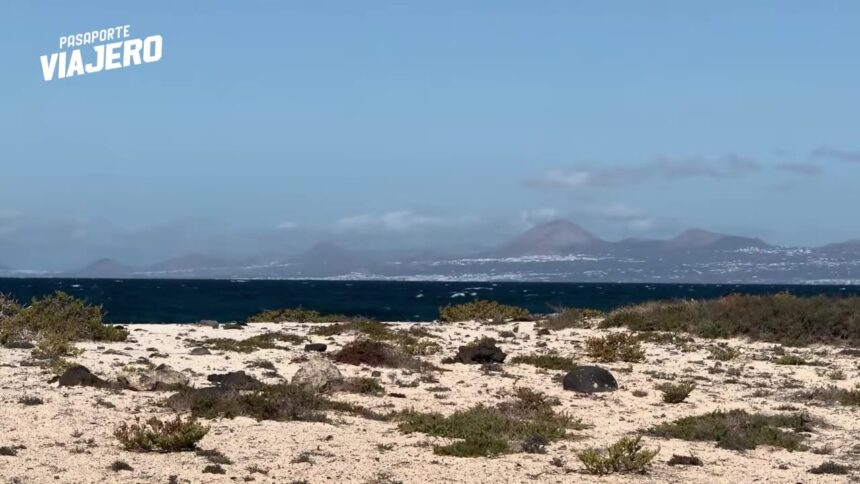
The best things to do in Fuerteventura combine the wild Atlantic coast, huge white-sand dunes, volcanic villages and a slow road-trip rhythm that rewards travelers who explore beyond their resort. This practical guide follows the island journey featured by Pasaporte Viajero, then fills in the details needed to recreate it yourself. You will find the smartest bases, transport advice, verified costs, beach safety notes and a flexible itinerary for seeing Fuerteventura from north to south.
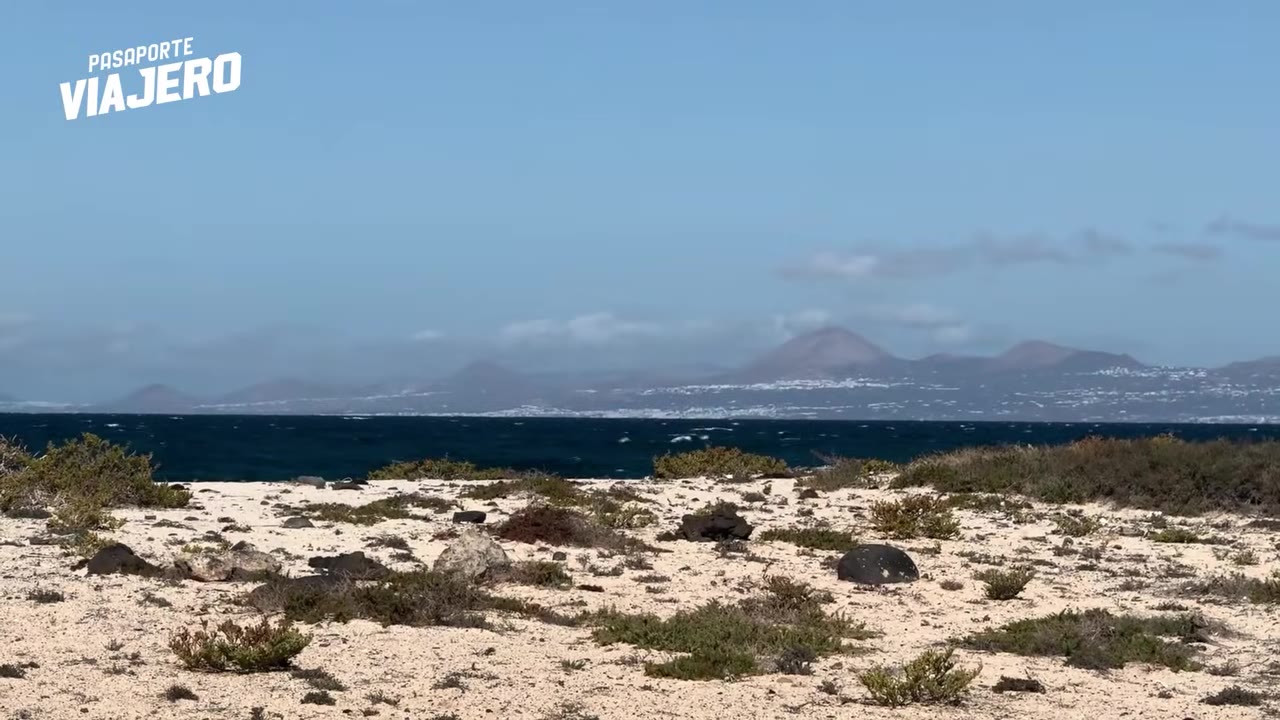
What Pasaporte Viajero’s journey shows
- The journey begins in the north around Corralejo, where pale dunes roll down toward long Atlantic beaches and watersports spots.
- It continues offshore to Isla de Lobos, the protected islet reached from Corralejo for hiking, clear-water swimming and views back to Fuerteventura.
- The route then turns inland to traditional places including La Oliva and Betancuria, the island’s historic first capital, surrounded by eroded volcanic hills.
- On the west coast, it highlights El Cotillo’s beaches and Ajuy, known for its black-sand shore, fishing-village atmosphere and coastal caves.
- The south brings the most dramatic finale: Jandía’s mountains, the vast beach at Cofete and the open, wind-shaped coastline near Costa Calma and Sotavento.
Watch the video first for a visual introduction, then use the planning notes below to build a trip that suits your pace.
How to get to and around Fuerteventura
Most visitors arrive through Fuerteventura Airport, near Puerto del Rosario. A hire car is the most practical choice for this itinerary: the island is long, the headline sights are spread across both coasts, and places such as Ajuy, Betancuria, El Cotillo and Cofete are much easier to combine with your own wheels. For the road to Cofete, use a suitable vehicle, drive slowly and check the rental company’s conditions before leaving paved roads.
Public buses, called guaguas, are operated by Tiadhe. Aena confirms that airport bus services link the terminal with Puerto del Rosario and the Caleta de Fuste area; onward travel elsewhere can require a connection and careful timetable planning. Corralejo works well without a car for a short northern stay, but a car makes a major difference once you want to include the island’s interior and the Jandía peninsula.
If your trip is focused on beaches rather than a full island circuit, compare this plan with our Spain Travel Expectations vs Reality: A Practical Visitor Guide before deciding how many days to allocate to driving.
Best time to visit Fuerteventura
Fuerteventura is a year-round beach-and-outdoors destination, but wind is part of the experience rather than an occasional inconvenience. Spring and autumn are especially good for a balanced trip of walking, sightseeing, swimming and relaxed beach time. Summer brings the strongest beach atmosphere and excellent conditions for windsurfing and kitesurfing, while winter is appealing for travelers who want mild weather and quieter resort areas.
Choose your coast according to the day’s conditions. Sheltered coves around El Cotillo and Caleta de Fuste can feel very different from the exposed west coast or Cofete. The island tourism board specifically notes that windsurfing and kitesurfing are central to Fuerteventura’s appeal, while Cofete is a striking but wild Atlantic beach where rough sea conditions deserve serious respect.
What it costs in Fuerteventura
Fuerteventura can be a good-value Canary Islands trip if you prioritize beaches, viewpoints, village walks and self-guided days. Accommodation, rental cars and flights vary widely by season, so compare live rates before committing. The following are fixed prices published by the relevant operator or transport provider and checked in October 2026.
| Item | Verified 2026 price | What it includes |
|---|---|---|
| Corralejo–Isla de Lobos ferry, adult | €17 return | Return crossing, tax, mandatory passenger insurance and port fees |
| Corralejo–Isla de Lobos ferry, child aged 4–11 | €11 return | Return crossing |
| Isla de Lobos visitor authorization | Free | Required authorization to enter the protected islet |
| Tiadhe non-resident transport card issue | €5 | Reloadable card with a discount on the standard bus fare |
The Lobos ferry operator lists the adult and child return fares, while the free authorization must be arranged separately before visiting. Tiadhe states that its non-resident card costs €5 to issue and provides a discount, but individual cash fares depend on the route. Book the island permit and ferry early rather than assuming same-day availability.

Where to stay in Fuerteventura
Corralejo is the best base for first-time visitors who want restaurants, beach access, ferries to Lobos and easy access to the dunes. Stay in El Cotillo for a quieter west-coast mood, photogenic sunsets and a slower beach routine. Choose Caleta de Fuste for a central location near the airport and a family-oriented resort setup. For Jandía, Costa Calma or Morro Jable, stay in the south if your priority is long beaches, watersports and a dedicated Cofete day rather than driving the whole island repeatedly.
For a trip of four nights or more, split your stay between Corralejo and the south, or use one central-ish base with a car. A single base is simpler, but Fuerteventura is more enjoyable when you do not turn every sightseeing day into a long return drive. Travelers who enjoy beach destinations with contrasting local character may also like our Zanzibar Travel Guide: Beaches, Culture and Island Planning.
Safety and practical tips for beaches, roads and Lobos
Do not treat every beautiful beach as a swimming beach. Cofete is extraordinary for walking and photographs, but the official tourism information warns of strong waves; it is best approached as a wild landscape, not a guaranteed swim stop. Bring water, food, sun protection and a light layer for the wind, particularly when visiting Lobos, where facilities are limited.
Respect protected areas: stay on marked paths, do not remove natural material and take all rubbish away. Lobos is a protected natural park, and its visitor permit system exists to limit pressure on the small islet. On coastal drives, do not rely on an online map alone for road quality; follow local signage, avoid rushing before sunset and make sure your rental agreement permits your intended route.
For boat trips, guided watersports and a more structured Lobos day, book only operators that clearly state what transport, insurance and permits are included.
Day-by-day (how to travel it yourself)
Day 1: Corralejo and the dunes. Arrive, settle into Corralejo and walk the old town or waterfront. Drive through Corralejo Natural Park in the late afternoon, stopping for the dunes and beach views rather than attempting to cover every stretch of sand.
Day 2: Isla de Lobos and El Cotillo. Take an early ferry from Corralejo after securing your required authorization. Walk to El Puertito or Playa de la Concha, then return to Fuerteventura for sunset in El Cotillo. The tourism board notes that the crossing from Corralejo takes about 15 minutes.
Day 3: La Oliva, Betancuria and Ajuy. Drive inland through the island’s low volcanic ridges. Spend time in Betancuria’s compact historic center, continue west to Ajuy for the coastal walk and caves, then return via the scenic interior before dark.
Day 4: Jandía and Cofete. Make this a full-day southern excursion. Pause at viewpoints over the Jandía mountains, continue carefully to Cofete, walk the beach without venturing into dangerous surf, then finish around Morro Jable or Costa Calma.
Day 5: Sotavento or a flexible beach day. Use your final day for a beach chosen around wind and sea conditions: watersports at Sotavento, gentler swimming in a sheltered bay, or a return visit to your favorite northern coast. If you prefer a city-and-beach contrast after the island, our Barcelona Travel Guide: What to Know Before Visiting Catalonia can help with the next stop.
Frequently asked questions
How many days do you need in Fuerteventura?
Four full days is enough for the north, the interior and the south, but five to seven days gives you time for weather changes, beach days and a slower pace.
Do I need a car in Fuerteventura?
For a full-island itinerary, yes, a car is strongly recommended. Buses can work for resort-based travel, but a car makes Betancuria, Ajuy, El Cotillo and Cofete far easier to visit efficiently.
Do you need a permit for Isla de Lobos?
Yes. Visitors need a free authorization for the protected islet in addition to arranging their ferry crossing. Carry the authorization with you when you disembark.
Is Cofete safe for swimming?
Cofete is best treated cautiously. It is a wild Atlantic beach with strong waves and no resort-style protection, so enjoy the scenery and walk the shore only when conditions are clearly safe.
Facts and prices verified in October 2026. Travel with Influencers is an independent fan/editorial guide, not affiliated with or endorsed by the creators featured. Watch and support the original creator: Pasaporte Viajero on YouTube.