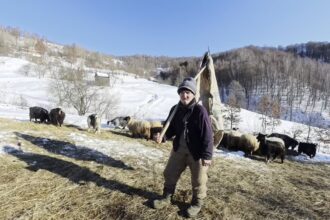
A rural Romania cultural travel guide is best approached slowly: stay in a village, learn through local hosts and heritage museums, and treat everyday work and family traditions with respect rather than as a performance. This guide explains how to build a practical trip around Sibiu and Transylvanian village culture, when to visit, what verified heritage experiences cost in 2026, and how to be a thoughtful guest. It is designed for travelers who want more than scenery: real conversations, traditional food, crafts, farming landscapes and the rhythms of rural life.
What Haida in Lume’s journey shows
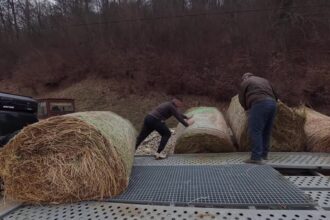
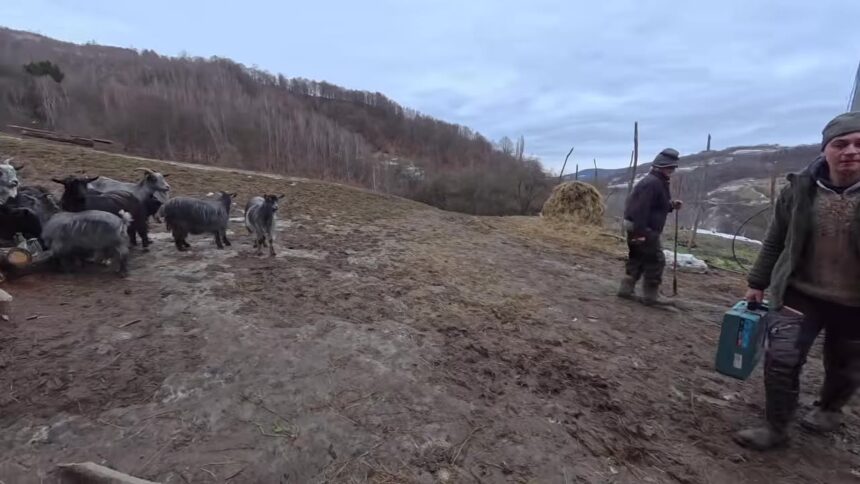
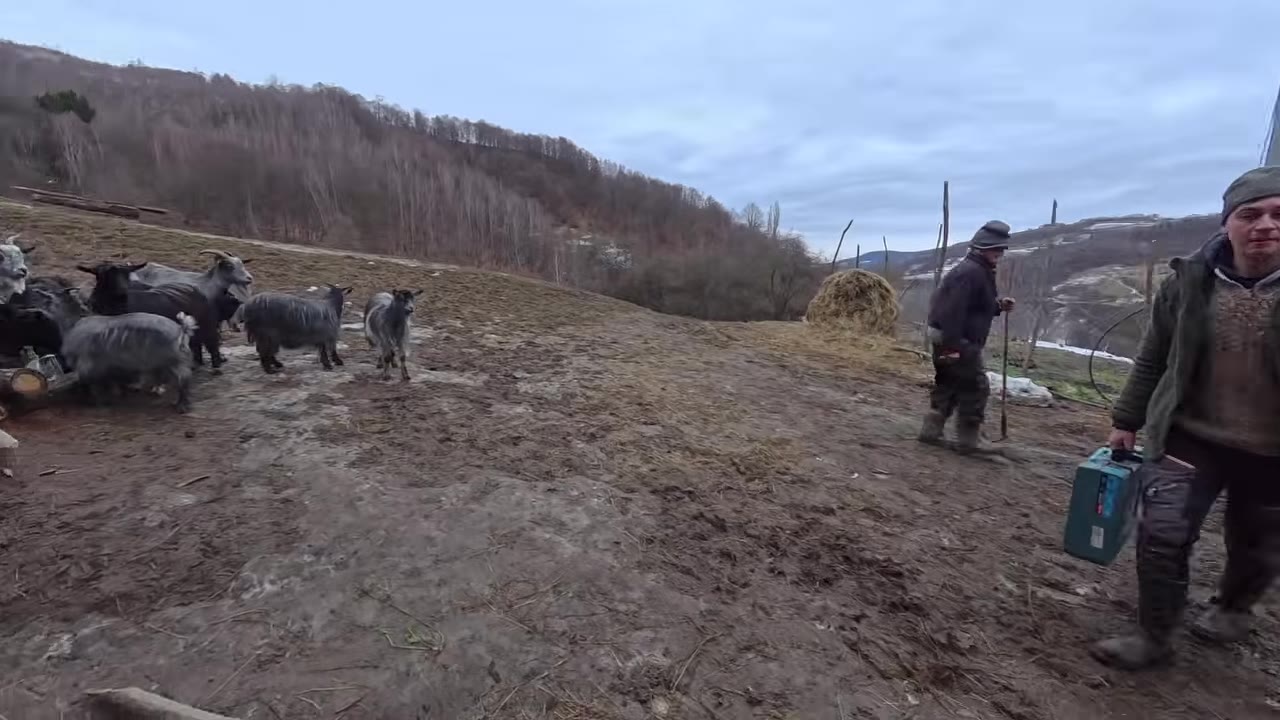
- People gathering at a household farm building to work together rather than treating the task as an individual chore.
- Hay being arranged and the stable being put back in order with care and practical knowledge.
- A quiet, unhurried approach to physical work, where each person understands their role.
- A tribute to “Nea Leon,” connecting the day’s labor with memory, dignity and continuity.
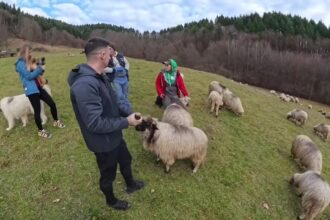
- A view of the farmyard as part of daily life and community identity, not simply a picturesque backdrop.
Watch the original video before you go; it is a useful reminder that rural culture is lived, not staged for visitors.
How to get to rural Romania and choose a base
Sibiu is one of the easiest bases for a first cultural trip because it combines a walkable historic city with access to villages in Mărginimea Sibiului, including Rășinari, Săliște and Sibiel. The ASTRA Museum, on the road toward Rășinari, is around 6 km from Sibiu’s city center and provides a valuable introduction before you meet rural hosts in person.
Fly to Sibiu if your itinerary permits, or arrive via Bucharest and continue by train to Sibiu. CFR Călători operates Bucharest North–Sibiu services, and its official booking system is the sensible place to check the live timetable, seats and fare for your actual travel date. For villages beyond the main corridors, a rental car gives the greatest flexibility, but use it carefully: roads can narrow quickly, farm traffic is normal, and evening driving is less relaxing than it looks on a map.
Do not try to cover all of rural Romania in one trip. Choose one region and allow time to return to the same guesthouse for dinner. For a deeper food-and-pastoral focus, pair this itinerary with our guide to rural Romania traditions, bulz and sheepfold culture.
Best time for village traditions and landscapes
Late May through June and September through early October are the most balanced periods for a rural Romania cultural trip. Days are generally comfortable for walking, gardens and hay meadows are active, and you are less likely to encounter the concentrated summer crowds found in major cities. September is especially rewarding for harvest colors, cooler nights and a calmer pace.
July and August can work well for festivals and outdoor heritage programming, but book village accommodation early and confirm exactly what is included. A workshop advertised by a museum or guesthouse is different from turning up at a private farm expecting access. Winter brings atmospheric village evenings, seasonal food and traditions around holidays, but daylight is short and driving conditions can be more demanding.
For a reliable all-weather introduction, visit the open-air ASTRA Museum. Its main site is open year-round, with seasonal hours that change; its official calendar also lists special programs and craft-centered events.
What it costs in 2026
Prices for independent village stays, meals and informal activities vary widely because many are arranged directly with family-run guesthouses. Rather than invent a daily budget, use the verified official prices below as fixed cultural costs and ask your host for the full price of meals, transfers and any workshop before confirming.
| Verified 2026 item | Price | Notes |
|---|---|---|
| ASTRA Museum adult admission | 50 lei | Open-air museum admission |
| ASTRA Museum student admission | 10 lei | Valid student category |
| Romanian-language museum guide | 150 lei per hour | Admission is additional |
| Foreign-language museum guide | 250 lei per hour | Admission is additional |
The ASTRA Museum publishes these rates and asks visitors to arrange guided visits in advance; its rules state that guide availability should be requested at least two days before the visit. Treat special-event tickets, private transfers and host-led activities as separate expenses, and reconfirm them close to departure.
Where to stay for a respectful village experience
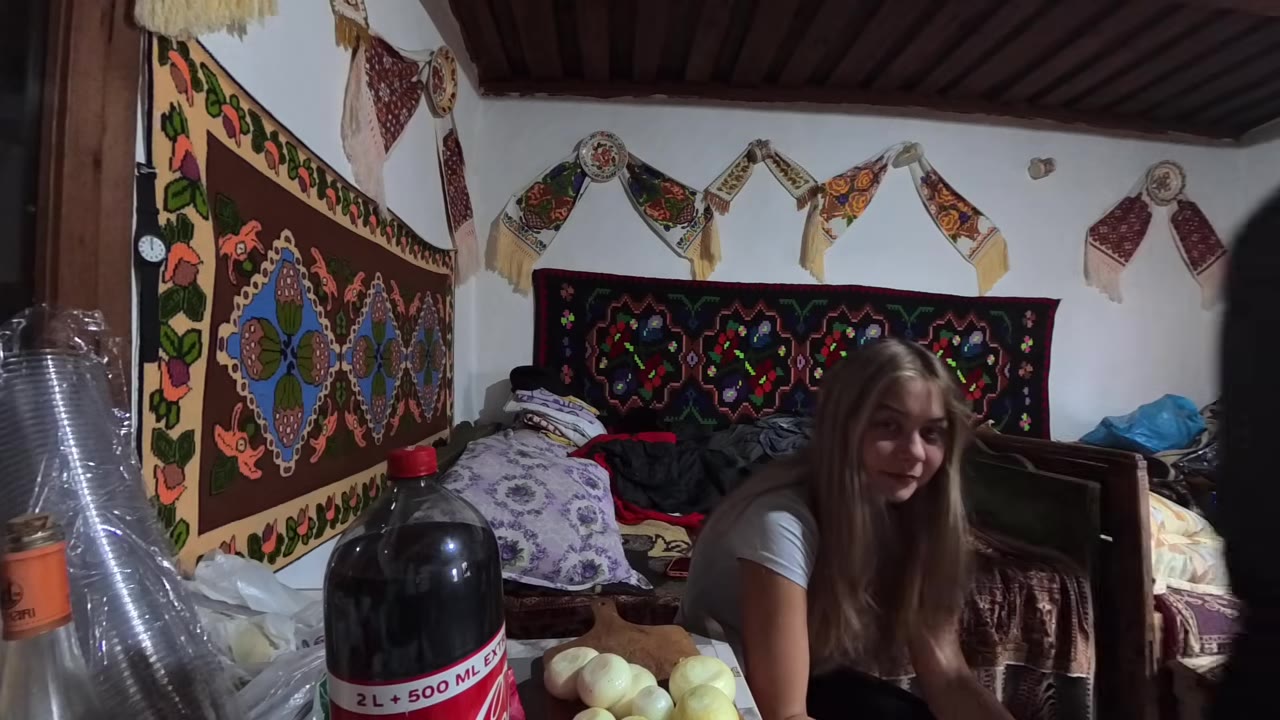
Choose a licensed family guesthouse in or near a village rather than treating rural areas as a day-trip backdrop. Look for a place that clearly explains meals, parking, language support and whether it can arrange local walks, craftspeople or a farm visit. Sibiel and Rășinari suit travelers who want easy access from Sibiu; a stay deeper in the countryside suits travelers comfortable with a car and fewer services.
Ask four practical questions before booking: Is dinner available every night? Can the host accommodate dietary needs? Is there private transport after dark? Is the activity genuinely hosted by a local resident or simply a transfer to a photo stop? A good host will answer plainly and will never pressure you to enter a home, stable or religious space without invitation.
Village etiquette, safety and useful cultural tips
Start with permission. Do not walk into a yard, barn, garden or church compound because a gate is open. Ask before photographing people, animals, homes, embroidery or food preparation, and accept “no” warmly. If a host offers coffee, țuică or food, gratitude matters more than consuming everything; explain calmly if you do not drink alcohol or have dietary restrictions.
Wear practical shoes, carry cash for small purchases, and learn a few Romanian basics: bună ziua (good day), mulțumesc (thank you) and la revedere (goodbye). Keep voices low near homes and churches, avoid drones unless you have explicit permission, and never present work such as haymaking or animal care as a tourist attraction. Romania’s current U.S. travel advisory should still be checked before departure, along with your own government’s advice and insurance requirements.
One final rule improves almost every encounter: buy directly when appropriate. A jar of preserves, woven item, meal or paid demonstration has more value when the price and permission are agreed openly. That approach also applies to cultural travel elsewhere, whether you are planning Chiapas, Mexico or exploring island culture through our Zanzibar travel guide.
Day-by-day (how to travel it yourself)
Day 1: Arrive in Sibiu. Settle into the historic center, buy supplies, and use the evening to adjust rather than rushing to a village. Confirm the next day’s transport and museum hours.
Day 2: Learn the context at ASTRA Museum. Spend most of the day among traditional households, workshops and technical installations. Download the museum’s free app for its map and audio-guide features, then arrange a guide in advance if you want more detailed interpretation.
Day 3: Stay in a village near Sibiu. Transfer to a pre-booked guesthouse in Mărginimea Sibiului. Take a host-led walk, visit only places to which you are invited, share a home-cooked dinner if offered, and ask about seasonal work rather than requesting a staged activity.
Day 4: Crafts, food and a slow departure. Visit a local artisan only by appointment, buy something directly if you wish, then return to Sibiu or continue toward another region. Leave extra time for buses, weather and conversations; the unscheduled moments are often the most meaningful.
Frequently asked questions
Is rural Romania suitable for travelers who do not speak Romanian?
Yes, especially around Sibiu, but plan ahead. A guesthouse with English communication, offline maps and a small set of Romanian greetings make the experience much easier.
Can I visit a working farm?
Only with a host’s clear invitation or through a pre-arranged visit. Farms are workplaces and private homes, so never arrive unannounced or enter buildings without permission.
How many days do I need for a rural Romania cultural trip?
Three full days is enough for Sibiu, ASTRA Museum and one village stay. Five to seven days is better if you want time for a second rural region, hiking or slower meals with hosts.
Should I rent a car?
A car is useful for scattered villages and flexible schedules, but it is not essential for a Sibiu-centered itinerary. Use trains and local transport where practical, then arrange transfers with your accommodation for the final rural stretch.
Facts and prices verified in October 2026. Travel with Influencers is an independent fan/editorial guide, not affiliated with or endorsed by the creators featured. Watch and support the original creator: Haida in Lume on YouTube.