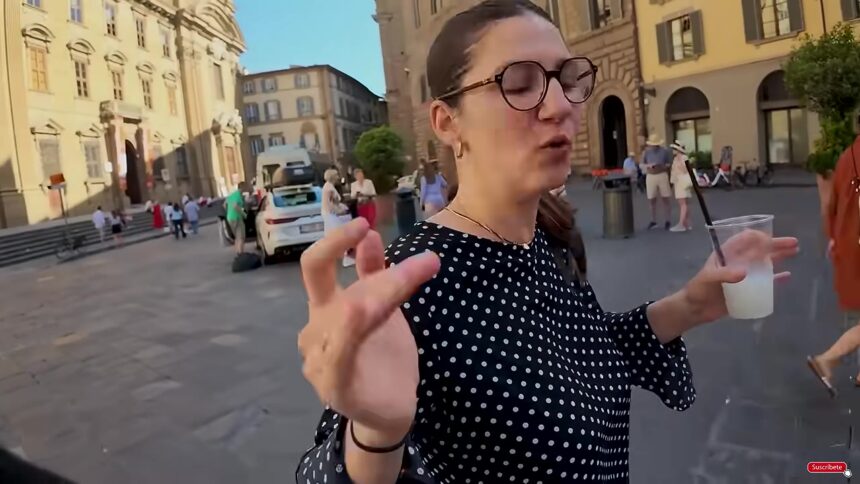
The biggest challenges of living in Italy are not the scenery or the food, but finding housing, handling paperwork, adapting to slower systems and budgeting for everyday life. Gabriel Herrera’s Tuscany-based video is a useful reality check for anyone dreaming of an extended Italian stay rather than a short holiday. This guide turns that honest perspective into practical planning: how to arrive, when to test life in Italy, which fixed 2026 costs to expect, where to base yourself and how to build a first-week itinerary that shows both Tuscany’s beauty and its daily realities.
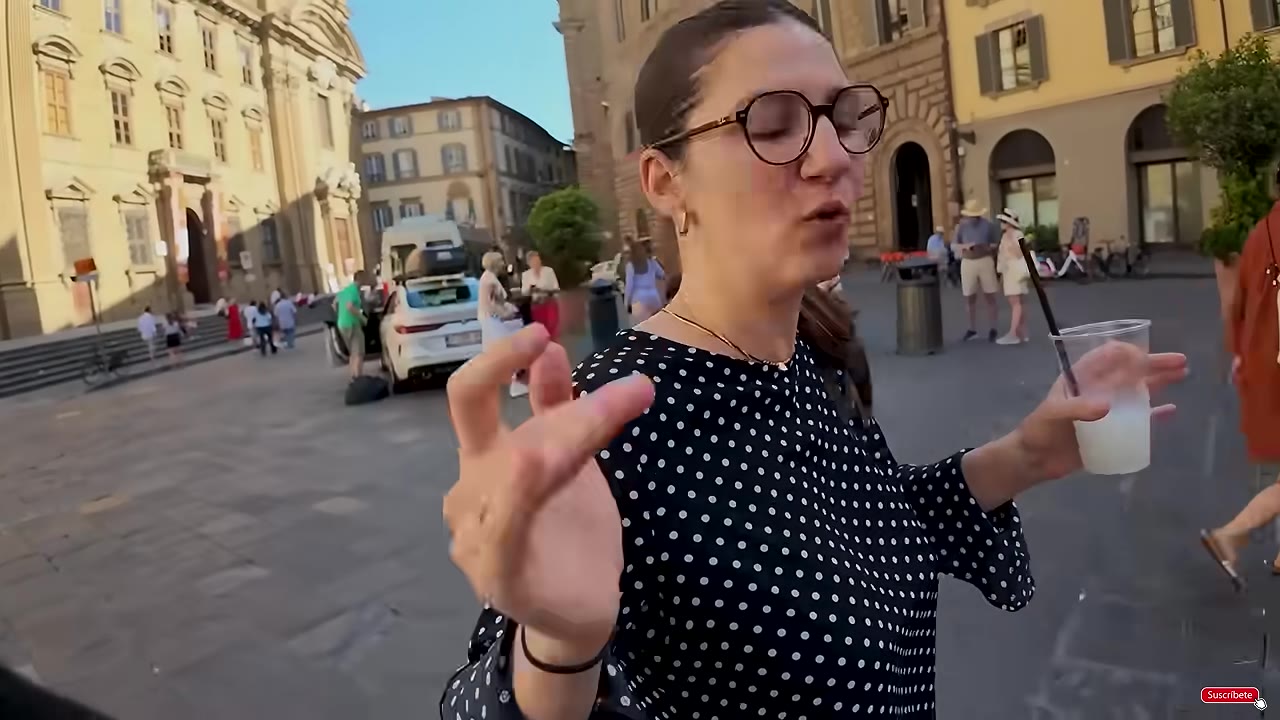
What Gabriel Herrera’s journey shows
- He and his companions begin from the appealing side of Tuscany: the landscape, local atmosphere and the idea of everyday life in Italy.
- The video then looks beyond a visitor’s experience and considers what it means to stay for weeks rather than a few days.
- They discuss routine spending, including groceries, transport and household services.
- The journey highlights cultural differences and the adjustment required when simple errands work differently from home.
- Most importantly, it presents living in Italy as neither purely easy nor purely difficult, but an experience shaped by expectations, language skills, location and patience.
Watch Gabriel Herrera’s unfiltered Tuscany experience before deciding whether Italy suits your longer stay.
How to get to Tuscany for a realistic longer-stay test
For an exploratory stay, Florence is the simplest Tuscan arrival point because it combines a major rail station, city services and straightforward connections to smaller towns. International visitors commonly fly into Florence, Pisa or Rome, then continue by train. Florence Santa Maria Novella is especially practical if you want to live without a car for the first few days.
Once there, use Florence as your reference point before committing to a rural rental. High-speed rail makes it possible to connect larger Italian cities, but countryside living often means bus timetables, fewer late-evening options and more planning. A stay in central Florence will reveal the convenience of urban Italy; a few nights in the Val d’Orcia or another smaller town will show the trade-off between calm, space and mobility. For route ideas beyond the city, see our Val d’Orcia travel guide.
If you hold a U.S. passport, Italy’s Embassy in Washington states that U.S. citizens do not need a visa for short stays of up to 90 days. That is not permission to work, establish residency or simply remain indefinitely: stays beyond 90 days require the appropriate national long-stay visa before travel.
Best time to understand everyday life in Italy
Choose late September through November, or March through May, for a practical scouting trip. These periods make it easier to judge a neighborhood without the full pressure of peak summer crowds, while shops, schools, public offices and transport operate in their normal rhythm. Spring is best for seeing Tuscany at its greenest; autumn is excellent for cooler walking weather and harvest-season character.
July and August can be wonderful for a holiday but less useful for testing ordinary routines. Heat changes how cities feel, tourist centers become busier and some independent businesses close or reduce hours around Ferragosto in mid-August. Winter is quieter and can be better for checking whether you enjoy a town without the postcard atmosphere, although daylight is shorter and older homes may feel colder or damper than expected.
What living in Italy costs in 2026
Housing is the expense that needs the most careful local research because rent, contract terms, deposits, utilities and availability vary sharply between Florence, smaller Tuscan cities and villages. Do not rely on a holiday apartment price to estimate a monthly home. Instead, request the full monthly figure in writing and ask specifically which utilities, condominium charges, internet costs and local taxes are excluded.
The fixed prices below are useful anchors for planning days in Florence. They are official 2026 fares or admissions, not a claim that they represent a complete monthly expat budget.
| Item | Verified 2026 price | Useful planning note |
|---|---|---|
| Florence urban ticket | €1.70 | Valid for 90 minutes; buying on board costs €3.00. |
| Florence monthly personal urban pass | €38.70 | Useful only if you will use local buses and trams frequently. |
| Uffizi Gallery, same-day standard entry | €25 | Afternoon entry from 4 p.m. costs €16. |
| Pitti Palace and Boboli Gardens, same-day combined entry | €22 | A practical option for one substantial Florence afternoon. |
| Uffizi, Pitti Palace and Boboli Gardens five-day ticket | €40 | Includes one priority admission to each site over five consecutive days. |
The lesson behind these numbers is simple: Italy can reward a slower pace, but a slower pace still costs money. Build a contingency fund for temporary accommodation, deposits, document translations, unexpected train journeys and the time needed to find the right place. If you are considering buying rather than renting, read our guide to Italy’s one-euro homes first; the low headline price is only one part of the commitment.

Where to stay while testing life in Italy
Start with a short, flexible base rather than signing a long lease from abroad. In Florence, look outside the most crowded historic-center blocks for a more realistic sense of residential life. Neighborhoods near tram stops can be useful for daily movement, while towns such as Prato, Arezzo, Siena and Lucca offer different balances of services, rail access and local character.
For a Tuscany test stay, split your accommodation: spend several nights in Florence, then move to a smaller town. This reveals the distinction that many newcomers discover only after arrival. Florence offers more English-speaking services, rentals and transport; smaller places may offer a deeper local rhythm but require more Italian and, in some areas, a car.
Everyday challenges, safety and smart habits
The hardest adjustment is often administrative rather than emotional. Keep digital and paper copies of your passport, insurance, accommodation contract, visa documents and any tax or residency paperwork. For long stays, confirm requirements directly with the Italian consulate responsible for your place of residence, not through social media comments or informal advice.
Language matters. You can travel comfortably in English in central Florence, but appointments, landlord communication, medical matters and small-town life become easier with basic Italian. Learn how to describe an address, ask whether a bill is included, book an appointment and explain a maintenance issue. Patience is equally important: opening hours, appointment systems and customer service expectations may differ from those in the United States.
For personal safety, use the same habits you would in any busy European city: keep valuables secure in stations and crowded attractions, use licensed transport, and avoid leaving bags unattended. The greater practical risk for a longer stay is often a rushed housing decision. Never send substantial money before you have verified the property, understood the contract and confirmed who is legally authorized to rent it.
For another guide built around the difference between a destination’s image and the practical experience on the ground, see our Orlando costly mistakes guide.
Day-by-day (how to travel it yourself)
Day 1: Arrive in Florence and walk your potential daily route. Check the distance between your accommodation, a grocery store, pharmacy, tram or bus stop, station and café. This is more useful than trying to see every landmark immediately.
Day 2: Experience working-day Florence. Buy and validate a local ticket, travel at commute time, eat away from the most tourist-heavy streets and visit the Uffizi later in the day if that fits your schedule. Its official afternoon ticket is €16 for entry from 4 p.m.
Day 3: Test a smaller Tuscan base. Take a train or bus to a town that interests you, then assess groceries, street activity after dark, transport frequency and the practical distance to essential services.
Day 4: Choose countryside versus convenience. Spend the day in the Val d’Orcia or another rural area. Enjoy the scenery, but note how you would manage arrival, shopping, medical needs and evenings without a private car.
Day 5: Make a realistic decision. Return to Florence, compare your notes and calculate a personal monthly plan using actual rental listings and your expected lifestyle. Only then decide whether to extend your stay, change towns or begin a formal visa process.
Frequently asked questions
Is Italy difficult to live in as an American?
It can be challenging if you expect services, leases, bureaucracy and communication to work exactly as they do in the United States. It becomes more manageable with Italian language basics, a flexible budget, proper visa planning and time to learn local routines.
Can I stay in Italy for more than 90 days without a visa?
No. A short Schengen stay is limited to 90 days, while a stay longer than 90 days requires an Italian national visa appropriate to your purpose of stay.
Do I need a car in Tuscany?
Not necessarily in Florence or another well-connected city, but a car becomes far more useful in rural Tuscany, where evening transport and direct links between villages can be limited.
Is Florence a good place to begin a longer Italian stay?
Yes. It is a sensible first base because it offers rail connections, local transit, services and easy access to both urban and rural Tuscany. After a few days, you can decide whether city life or a smaller town better matches your priorities.
Facts and prices verified in September 2026. Travel with Influencers is an independent fan/editorial guide, not affiliated with or endorsed by the creators featured. Watch and support the original creator: Gabriel Herrera on YouTube.