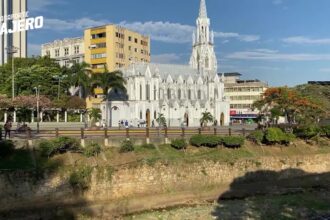


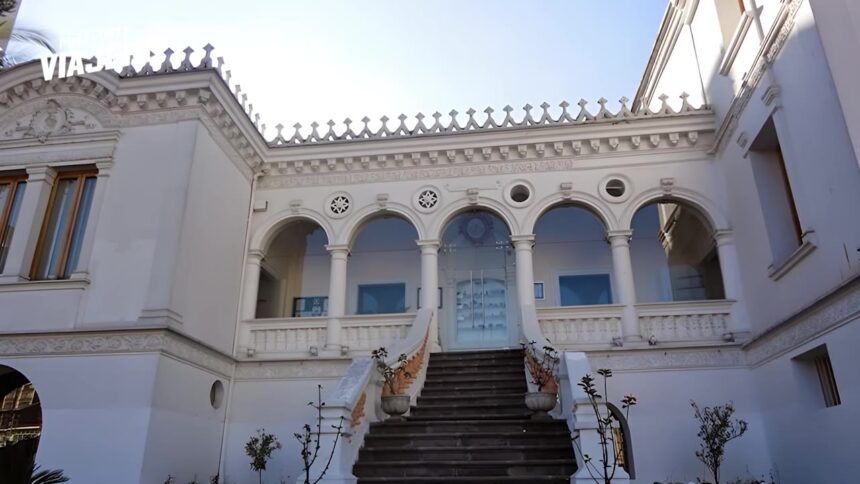
The best things to do in Quito Ecuador combine a remarkably walkable historic center, high-altitude viewpoints, living local neighborhoods and an easy day trip to the Equator. This first-time guide turns those headline sights into a realistic plan, from arriving at Quito’s airport to choosing a base and pacing your days at altitude. You will also find verified 2026 transport and attraction prices, plus an itinerary you can follow without trying to fit everything into one rushed afternoon.
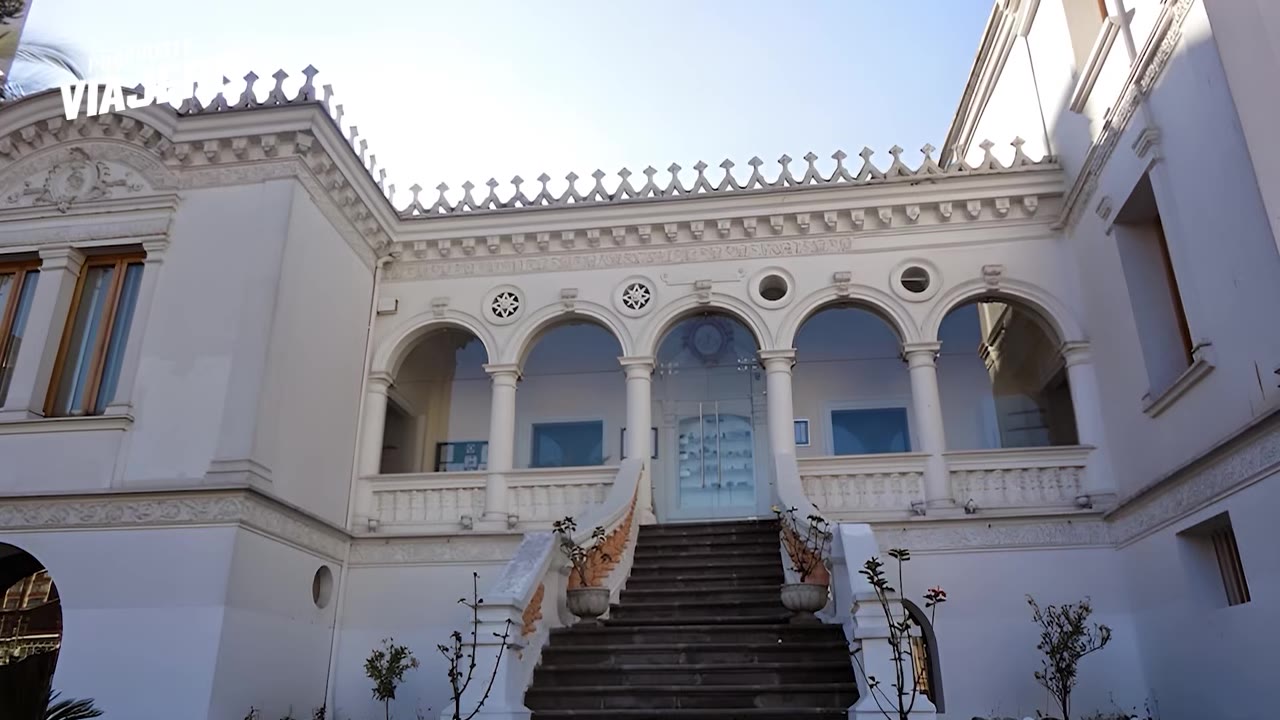
What Pasaporte Viajero’s journey shows
- Beginning in Quito’s UNESCO-listed Historic Center, with its grand plazas, churches and steep cobbled streets.
- Stopping at landmark religious architecture, including the gilded Iglesia de la Compañía de Jesús and the Basilica del Voto Nacional.
- Taking in city views from El Panecillo and other elevated lookouts above the old town.
- Experiencing the TelefériQo, which lifts visitors toward the slopes above Quito for wide Andean panoramas.
- Finishing beyond the city at Ciudad Mitad del Mundo, where visitors can stand at Ecuador’s famous Equator monument.
Watch the video first for a visual introduction, then use the practical details below to make the route your own.
How to get to Quito and get around
Most international visitors arrive at Mariscal Sucre International Airport in Tababela. Once in town, choose accommodation near the Historic Center for heritage sightseeing or in La Floresta, La Mariscal or González Suárez for restaurants, cafés and a more contemporary city feel. Quito Turismo runs visitor-information points at the airport, Historic Center, La Mariscal and Quitumbe bus terminal, useful places to collect a map or ask about current conditions.
For central journeys, the Metro is the fastest way to cover the city’s long north-south layout; a standard one-way ride costs US$0.45 in 2026. Trolebús and Ecovía journeys cost US$0.35, including their feeder connections within the municipal system. Use the Metro for longer cross-city moves, but walk the Historic Center itself: its sights are close together, and walking lets you notice courtyards, markets and street life between the famous stops.
Do not plan on driving for a first visit. Traffic, steep roads and parking can make a rental car more trouble than it is worth. For the airport, late-evening returns, or journeys outside the central areas, arrange a hotel transfer, use an official taxi, or book a reputable transport service in advance.
Best time to visit Quito
Quito is a year-round destination, but June through September is generally the strongest period for clear mountain views, outdoor walks and volcano-focused day trips. Ecuador’s official tourism guidance identifies these months as the dry season in the Andes and advises travelers to pack for rapidly changing weather.
Even in the clearer months, bring a light waterproof layer, sunscreen and something warm for evenings. Quito sits above 2,800 metres, so the sun can feel intense while the temperature drops quickly in shade or after rain. Plan your first afternoon lightly, drink water, eat normally and leave the TelefériQo or a long hike until you know how you feel. Quito Turismo specifically highlights altitude, strong ultraviolet radiation and shifting weather as health considerations for visitors.
What Quito costs in 2026
Quito can be excellent value if you combine public transport, self-guided walks and a few paid highlights. The following costs are official published prices, checked in August 2026. Meals, hotels, taxis and guided excursions vary too widely by season and supplier to present as a fixed citywide price.
| Item | 2026 adult price | Notes |
|---|---|---|
| Quito Metro | US$0.45 | Standard single journey |
| Trolebús / Ecovía | US$0.35 | Standard fare, including feeder connections in the municipal system |
| TelefériQo Quito | US$9.00 | Non-resident adult fare |
| Ciudad Mitad del Mundo | US$5.00 | Adult entry; includes the complex’s experience spaces |
| Bus to Mitad del Mundo | US$0.40 | Published adult bus fare |
The city’s best-value day is the Historic Center: begin at Plaza Grande, walk to La Compañía, San Francisco and the surrounding lanes, then choose one paid viewpoint or museum rather than trying to enter every church. La Compañía’s celebrated gold-filled interior and San Francisco’s monumental complex are among the essential stops; check current visiting hours locally because church access can change for services or events.
Where to stay in Quito
Historic Center: best for travelers who want to wake up near plazas, churches and museums. It is ideal for an early start before day visitors arrive, but choose a well-reviewed property with staffed entry and arrange transport after dark.
La Floresta: a strong all-round choice for independent travelers. Its cafés, creative atmosphere and location between the old town and modern north Quito make it convenient without feeling as busy as La Mariscal.
La Mariscal: practical for restaurants, nightlife and transport connections. Pick your street carefully, keep late-night walking to a minimum and use a taxi or ride-hailing service after dinner.
González Suárez or La Carolina: better for contemporary hotels, business travelers and those who prefer newer districts. You will need transport for the Historic Center, but the Metro helps connect the city efficiently.
Safety and useful Quito tips
Quito is rewarding, but use city awareness rather than treating it like a resort. The U.S. Department of State’s advisory for Ecuador, issued on August 18, 2026, is Level 2: exercise increased caution because of crime, terrorism, unrest and kidnapping risks. That national advisory does not mean you should skip Quito; it means you should make deliberate choices about valuables, transport and night-time movement.
- Carry only the cash and cards you need for the day, and keep your phone out of sight when you are not using it.
- Explore the Historic Center in daylight and take a taxi or booked ride rather than walking between neighborhoods after dark.
- Use ATMs inside banks, hotels or shopping centers, not isolated street machines.
- Ask your hotel before visiting a viewpoint, trail or outer neighborhood independently; conditions and access can change.
- At the TelefériQo, buy your return ticket, start early and remember that the last ticket is sold at 17:30; the final descent is at 19:00.
For more Ecuador inspiration after the capital, see our 10 Beautiful Cities to Visit in Ecuador. If your wider South American route includes Colombia, our Guatapé travel guide is a useful contrast to Quito’s highland cityscape.
Day-by-day (how to travel it yourself)
Day 1: Settle in and see the Historic Center. Keep arrival day manageable. Start at Plaza Grande, walk to La Compañía and Plaza San Francisco, pause for lunch, then visit the Basilica del Voto Nacional or choose a nearby museum. Finish before dark and have dinner close to your hotel.
Day 2: Views and modern Quito. Take the TelefériQo early, when cloud cover is less likely to hide the city. Return for lunch, then explore La Floresta’s cafés and galleries or head north toward La Carolina. This is a good day to use the Metro rather than relying on taxis across town.
Day 3: Mitad del Mundo. Make Ciudad Mitad del Mundo your main outing and allow enough time to explore the monument and experience spaces rather than treating it as a quick photograph. The complex opens from 09:00; weekday closing is 17:00, while weekends close at 18:00. Return to Quito for a final dinner in La Floresta or La Mariscal.
If you have a fourth day, book a guided Cotopaxi, Quilotoa or cloud-forest excursion rather than attempting a complicated independent route. It is the natural next step after Quito’s urban sights and a good reason to read our Iguazu Falls Guide: Argentine and Brazilian Sides when planning a longer continent-wide itinerary.
Frequently asked questions
How many days do I need in Quito?
Three full days is an excellent first visit: one for the Historic Center, one for viewpoints and modern neighborhoods, and one for Mitad del Mundo. Add a fourth day for Cotopaxi, Quilotoa or another Andean excursion.
Is Quito worth visiting before the Galápagos?
Yes. Quito is not just a flight connection: it offers one of South America’s great historic centers, strong food and coffee culture, and easy access to highland landscapes. Give it at least two nights before moving on.
Can I visit Mitad del Mundo without a tour?
Yes. The official site says buses on the Mitad del Mundo line run along Avenida Occidental in the south-to-north direction, with an adult fare of US$0.40. A tour is simpler if you want to combine it with other stops and avoid navigating on your own.
Should I take the TelefériQo on my first day?
Usually not. Quito’s altitude can affect newly arrived travelers, and the cable car takes you higher still. Spend your first day walking gently, hydrating and sleeping well, then go the following morning if you feel comfortable.
Facts and prices verified in August 2026. Travel with Influencers is an independent fan/editorial guide, not affiliated with or endorsed by the creators featured. Watch and support the original creator: Pasaporte Viajero on YouTube.