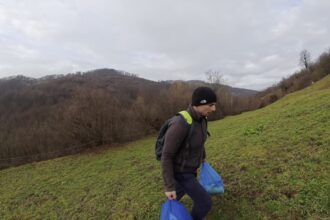
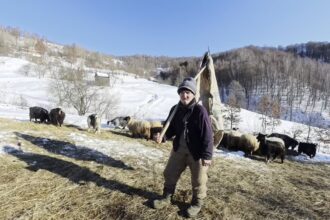
The best stops on the Transfăgărășan road Romania are the southern approach around Vidraru Lake, the high-altitude hairpins below Bâlea Lake, the tunnel crossing and the Bâlea Lake plateau itself. This is a mountain drive to take slowly, not a route to rush between Bucharest and Sibiu: the changing landscapes are the point. Below, you will find a practical plan for driving it yourself, including the 2026 opening pattern, transport options, verified prices, sensible places to sleep and a realistic one-day itinerary.
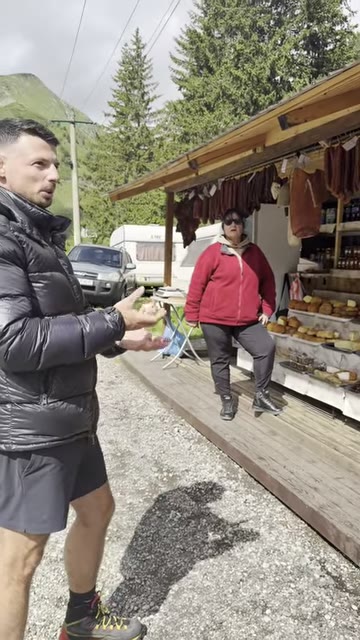
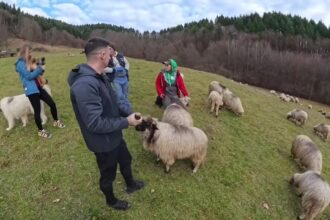
What Haida in Lume’s journey shows
- The journey opens with the sense of climbing into the Făgăraș Mountains, where the road itself becomes the main attraction.
- It draws attention to a worthwhile roadside pause rather than treating the Transfăgărășan as a simple through-road.
- The route highlights the dramatic contrast between steep slopes, open mountain views and the road’s tight curves.
- It captures the pleasure of stopping to look out across the valleys rather than only photographing the famous serpentine section.
- Most importantly, it is a reminder to leave time for the small viewpoints that make this Romanian drive memorable.
Watch Haida in Lume’s short video first, then use the guide below to turn that moment into a well-planned road trip.
How to get to the Transfăgărășan
The Transfăgărășan is National Road DN7C, running across the Făgăraș Mountains between the Wallachian side in Argeș County and the Transylvanian side in Sibiu County. The classic south-to-north direction begins near Curtea de Argeș and Arefu, passes Vidraru Lake and climbs through the Capra Valley to Bâlea Lake before descending towards Cârțișoara and Sibiu.
A rental car is the most practical option because the best stops are spread over a long mountain route and public transport does not provide the flexibility needed for short viewpoints. From Bucharest, plan to overnight near Curtea de Argeș or Arefu before the drive. From Sibiu, sleep around Cârțișoara or Avrig and approach Bâlea from the north.
Do not rely on a navigation app alone. The alpine section between Piscu Negru and Bâlea Cascadă is seasonal, and Romanian authorities can impose temporary restrictions when conditions are unsafe. In 2026, the high section reopened on June 12, with access limited to 07:00–21:00. For a broader self-drive route through several countries, see our Europe by Road guide.
Best time to drive it
For the complete drive, aim for late June through September. July and August generally offer the highest chance that the alpine section is open, but also bring the busiest car parks at Bâlea Lake. Early September is often the better balance: the road is usually still accessible, daylight is generous and the mountains feel less crowded.
In 2026, the road’s official summer reopening was June 12, but that date should never be treated as a permanent annual guarantee. Snow, avalanche risk, wind and maintenance inspections determine the opening each year. The Bâlea Lake visitor information page describes the driving season broadly as July to October, while the actual opening status is updated separately.
Start early. Reaching the major viewpoints before 09:00 gives you clearer roads, easier parking and more time if clouds build later. Avoid planning the highest section near sunset: the 2026 access window ended at 21:00, and mountain weather can turn quickly even on a bright summer morning.
What it costs in 2026
There is no single admission ticket for driving the Transfăgărășan. Your main costs will be fuel, car hire if needed, food, accommodation and any optional cable-car ride. Prices on the mountain can change with operating conditions, so confirm them directly before travelling.
| Item | Verified 2026 price | Notes |
|---|---|---|
| Bâlea Cascadă–Bâlea Lake cable-car ticket | 80 RON | Listed on the live Bâlea Lake visitor page; check operating conditions before travelling. |
The cable car is especially useful outside the driving season, or if the high road closes after you have already reached Bâlea Cascadă. The operator warns that service can stop in strong wind, low temperatures, frost or lightning, so treat it as weather-dependent transport rather than a guaranteed backup.
Where to stay near the road
For a south-to-north drive, stay in Curtea de Argeș or Arefu the night before. Curtea de Argeș has more restaurants and services, while Arefu gives you a quieter head start for Vidraru Lake and the southern mountain section. On the northern side, Cârțișoara is convenient for an early ascent; Sibiu is the more comfortable choice if you want a proper city stop after the road.
Sleeping at Bâlea Lake is atmospheric but should be booked only if you actively want a high-mountain stay and understand that conditions can be colder, windier and more changeable than in the valleys. The Bâlea Lake site lists accommodation and maintains a live road and cable-car status page, making it a useful last check before committing to the climb.
Safety and driving tips
Drive this as a scenic mountain road, not as a performance route. Expect blind bends, cyclists, pedestrians stepping out for photographs, livestock in lower sections and sudden braking near viewpoints. Use engine braking on long descents, keep headlights on in the tunnel and never stop in a lane just because the view is good.
For short walks, stay on marked paths and bring a waterproof layer, warm clothing, water and proper footwear. Salvamont Romania advises hikers to obtain local route information, use marked trails and avoid shortcuts. If you meet wildlife, give it space; do not approach animals or leave food accessible. Salvamont also advises against hiking alone and recommends avoiding isolated camping with food stored in the tent.
Finally, leave enough fuel in the tank before beginning the mountain section, download offline maps and check the weather and road status on the morning of your drive. If clouds settle over Bâlea, wait patiently or adjust the route: forcing the schedule is the least rewarding way to experience this road.
Day-by-day (how to travel it yourself)
Day 1: Curtea de Argeș or Arefu to Sibiu via the Transfăgărășan. Leave by 07:00. Drive north from the Curtea de Argeș/Arefu area, pause above Vidraru Lake where it is safe to park, then continue through the forested southern approach. Save your longest stop for Bâlea Lake: walk around the shore, photograph the road and mountain ridges, and have lunch only after securing your parking plan. Continue through the tunnel and descend the northern side towards Bâlea Cascadă and Cârțișoara. Finish in Sibiu, or stop in Cârțișoara if you prefer a slower pace.
If the road is closed, make Bâlea Cascadă your turnaround point and use the cable car only if it is running. If your wider Romania trip includes an additional scenic route, our Transfagarasan Road timing guide adds more detail on seasonal planning.
Frequently asked questions
What are the best stops on the Transfăgărășan road Romania?
The most rewarding sequence is Vidraru Lake on the southern side, the Capra Valley viewpoints, the hairpin approach near Bâlea Lake, Bâlea Lake itself and the northern descent towards Bâlea Cascadă.
Can I drive the Transfăgărășan all year?
No. The high alpine section closes during winter and reopens only when road and weather conditions allow. In 2026, the Piscu Negru–Bâlea Cascadă section reopened on June 12 with daily access from 07:00 to 21:00.
Is Bâlea Lake worth visiting if I do not hike?
Yes. Bâlea Lake is a worthwhile destination for the road views, glacial lake setting and short walks around the plateau. Hikes beyond the immediate area require suitable equipment, weather awareness and respect for marked routes.
Which direction is better: south to north or north to south?
South to north is best for a full road-trip day because Vidraru Lake, the long climb and Bâlea Lake unfold in a satisfying sequence before you descend towards Sibiu. North to south works well if you are based in Sibiu and want Bâlea Lake early in the day.
Facts and prices verified in August 2026. Travel with Influencers is an independent fan/editorial guide, not affiliated with or endorsed by the creators featured. Watch and support the original creator: Haida in Lume on YouTube.