The best traditional Italian food to try in Rome starts with the city’s four classic pasta dishes, then expands into crispy street food, pizza, gelato and a properly unhurried coffee break. Rome is a city where eating well is less about chasing one “best” restaurant and more about ordering the right local dishes in the right neighbourhoods. This guide follows Michelle Thielen’s food-focused route through Trastevere and adds the practical details: how to arrive, when to visit, verified 2026 transport costs, where to stay and a simple itinerary you can repeat yourself.
What Michelle Thielen’s journey shows
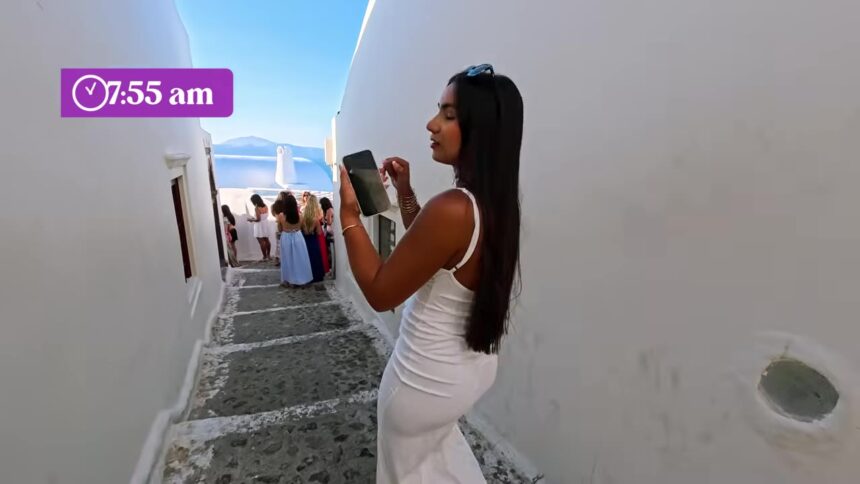
- She begins near Ponte Sisto, the bridge over the Tiber that connects the historic centre with Trastevere.
- She crosses into Trastevere to start a day built around trying Roman food in small, manageable stops rather than one large meal.
- Her first stop is Trapizzino, where she tries a filled pizza-pocket style street-food snack.
- She continues with gelato nearby, making the useful point that Rome is ideal for combining food stops with a walk through beautiful streets.
- Her wider tasting mission includes the foods most visitors expect from Rome: pizza, pasta, tiramisu and gelato, while asking whether the city truly lives up to its food reputation.
Watch Michelle’s Rome food journey before planning your own tasting route:
How to get to Rome for a food-first trip
Most international visitors arrive at Rome Fiumicino Airport. The simplest rail connection to the centre is the non-stop Leonardo express to Roma Termini: it takes 32 minutes, runs every 15 minutes for much of the day and costs €14 one way. From Termini, use Metro A to reach the Spanish Steps, Ottaviano for the Vatican area, or continue by tram, bus or taxi toward Trastevere.
For this particular food route, do not feel obliged to use public transport constantly. Rome’s centre rewards walking, and the route from Campo de’ Fiori to Ponte Sisto, Trastevere and Testaccio is far more enjoyable on foot than underground. Save the metro for longer crossings of the city, or for returning to your hotel after dinner.
If you are adding religious sights to a food-heavy itinerary, plan the Vatican on a separate morning and read our Vatican City guide before choosing your entry time.
Best time to eat your way around Rome
For a relaxed tasting trip, aim for spring or autumn. Rome is worth visiting in every season, but spring brings blooms and early warmth, while autumn adds cooler walking weather and colour along the Tiber. Summer is still rewarding for evening dining and gelato, but the hottest hours make a long lunch-to-dessert walk less comfortable.
In practical terms, book popular dinner tables for 8 pm or later, especially Thursday through Sunday. Eat your substantial pasta meal at lunch if you want more choice without a late reservation, then leave room for a snack, aperitivo and dessert. Trastevere is particularly lively in the evening; visit in the late afternoon if you want to photograph its lanes before the dinner crowds arrive.
What Rome costs in 2026
Food spending varies greatly by restaurant, wine and neighbourhood, so the most reliable approach is to budget a daily amount for meals and verify menus at the door before sitting down. The fixed transport and landmark prices below are useful anchors for building your Rome food budget.
| Item | 2026 price | What it covers |
|---|---|---|
| Leonardo express, Fiumicino Airport–Roma Termini | €14 | One-way non-stop airport train |
| BIT public-transport ticket | €1.50 | 100 minutes from validation; one metro journey |
| ROMA 24H ticket | €8.50 | Unlimited travel for 24 hours from first validation |
| ROMA 72H ticket | €22 | Unlimited travel for 72 hours from first validation |
| Colosseum, Roman Forum and Palatine ticket | €18 | Standard full-entry ticket |
| Trapizzino | €5.50 | Listed price for a Trapizzino at a current Rome branch |
ATAC confirms the current public-transport fares, including the €1.50 BIT and €22 ROMA 72H ticket. The official Colosseum site lists €18 as the full-entry price for the Colosseum, Roman Forum and Palatine. Trapizzino’s own Rome menu lists its signature filled pockets at €5.50; check the individual location before ordering, as menus can differ.
What to order: Rome’s essential traditional dishes
The best traditional Italian food to try in Rome is defined by a small group of repeated ingredients: pecorino romano, black pepper, eggs, guanciale and tomato. Their combinations create four essential pasta orders: cacio e pepe with pecorino and pepper; carbonara with egg, pecorino, pepper and guanciale; gricia with guanciale, pecorino and pepper; and amatriciana with tomato added to that flavour family. Rome’s official tourism site identifies these as the city’s key traditional pasta dishes.
Order one of those pastas at a proper sit-down trattoria, rather than trying to eat all four in one meal. Carbonara should be glossy and egg-based, not covered in cream. Cacio e pepe is deceptively simple: the sauce should cling to the pasta rather than pool at the bottom of the plate. Gricia is the ideal choice for travellers who like carbonara’s guanciale but do not want egg, while amatriciana is the tomato-based option.
Between meals, look for supplì, a fried Roman rice croquette; pizza al taglio, sold by weight and cut to order; and a Trapizzino, the filled triangular pocket featured in the video. For dessert, choose gelato from a shop where flavours are kept in covered metal containers or lower trays rather than piled into exaggerated bright mounds. Tiramisu is not uniquely Roman, but it remains an excellent final stop if you want to follow Michelle’s all-day tasting spirit.
Where to stay for Rome’s best food neighbourhoods
Stay in Trastevere if you want to step outside into evening energy, casual wine bars and easy access to Michelle’s Ponte Sisto starting point. It is atmospheric, but choose a room on a quieter side street if sleep matters. Stay around Campo de’ Fiori or the Pantheon for the most walkable base between major sights and restaurant districts. Choose Testaccio for a more food-led stay, with markets, traditional Roman cooking and less pressure to dine directly beside the biggest landmarks.
For a first visit, the historic centre is the easiest compromise: you can walk to Trastevere for dinner, return over Ponte Sisto, and still reach the Colosseum area without changing hotels. If Rome is one stop on a longer Mediterranean itinerary, compare its compact, neighbourhood-based eating culture with our Santorini travel guide before planning the rest of your route.
Activities, dining etiquette and smart food tips
Build one non-food activity into each day so that eating remains enjoyable. The Colosseum, Roman Forum and Palatine make a strong first-morning combination, then leave the afternoon open for a long lunch and a walk toward Trastevere. The official archaeological park requires timed planning for the Colosseum portion, so reserve before fixing your lunch reservation.
At restaurants, check whether coperto, the cover charge, is printed on the menu. Do not expect an American-style free bread basket, and do not be surprised if lunch and dinner service happen at more defined hours than at home. For coffee, order at the bar when you want the quick local experience; sitting at a table can cost more. Carry a small reusable water bottle and refill it at Rome’s public fountains where appropriate.
Keep phones and wallets secure in crowded transport, around major monuments and on packed nightlife streets. The practical rule is simple: use a zipped cross-body bag, keep valuables out of back pockets and do not let a distraction rush you into paying or signing anything.
Day-by-day (how to travel it yourself)
Day 1: Historic centre and Trastevere tasting walk. Start at Campo de’ Fiori, walk to Ponte Sisto and cross into Trastevere. Have a Trapizzino or supplì as a late-morning snack, wander the lanes, then stop for gelato. Reserve a Trastevere trattoria for dinner and order one pasta dish each, sharing starters rather than ordering too much.
Day 2: Ancient Rome and a classic pasta lunch. Visit the Colosseum, Forum and Palatine early. Have lunch in Monti or Testaccio and choose carbonara, gricia or amatriciana. Spend the evening in Testaccio for Roman-style comfort food, then return to the centre for tiramisu or a final gelato.
Day 3: Vatican morning and flexible food finale. Visit the Vatican early, then take Metro A back toward the centre. Use the afternoon for pizza al taglio, a market visit or a cooking class, and finish with the one Roman pasta you missed. Travelling onward by road? Our Europe by Road guide helps put an ambitious multi-country itinerary into perspective.
Frequently asked questions
What is the most traditional pasta to eat in Rome?
Carbonara, cacio e pepe, gricia and amatriciana are Rome’s essential pasta dishes. Try at least two on separate meals so you can notice how pecorino, pepper, guanciale, egg and tomato change the result.
Is Trastevere a good place to eat in Rome?
Yes. It is excellent for a first food-focused evening because it is walkable, lively and close to Ponte Sisto. Book dinner in advance and move a few streets away from the busiest squares for a calmer experience.
How many days do I need for a Rome food trip?
Three days is enough for a satisfying first visit: one day for Trastevere, one for ancient Rome and Testaccio, and one for the Vatican area plus any dishes you missed.
Should I buy a 72-hour Rome transport pass?
It depends on your plans. If you will make frequent metro, bus and tram journeys over three consecutive days, the ROMA 72H ticket costs €22. If you are mainly walking between central food neighbourhoods, individual BIT tickets may be better value.
Facts and prices verified in August 2026. Travel with Influencers is an independent fan/editorial guide, not affiliated with or endorsed by the creators featured. Watch and support the original creator: Michelle Thielen on YouTube.