For a first visit, Vatican City is best experienced as an early-morning visit to St Peter’s Basilica followed by a timed Vatican Museums entry, with enough time to slow down in St Peter’s Square. This Vatican City travel guide what to see explains the essential sights, how to arrive from central Rome, when crowds are most manageable and what confirmed 2026 entry costs to expect. It also turns Michelle Thielen’s introduction to the world’s smallest state into a practical itinerary you can follow independently.
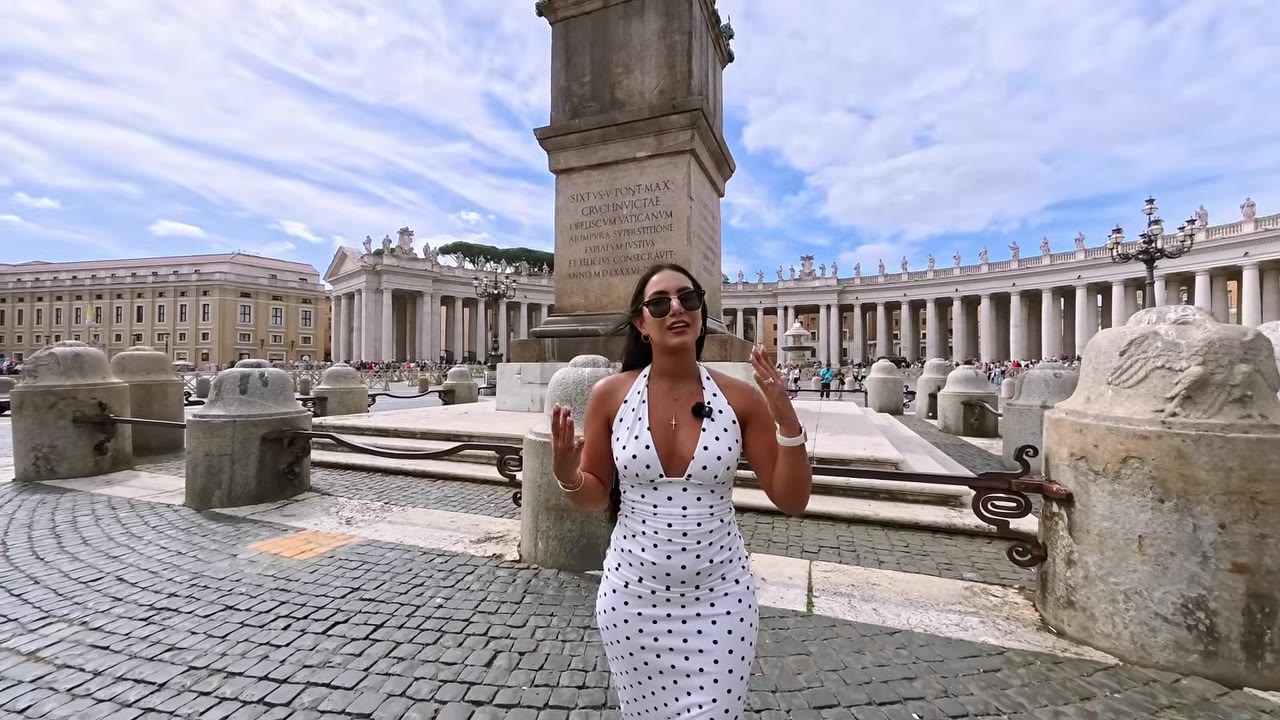
What Michelle Thielen’s journey shows
- An introduction to Vatican City as a microstate enclosed by Rome and the centre of the Roman Catholic Church.
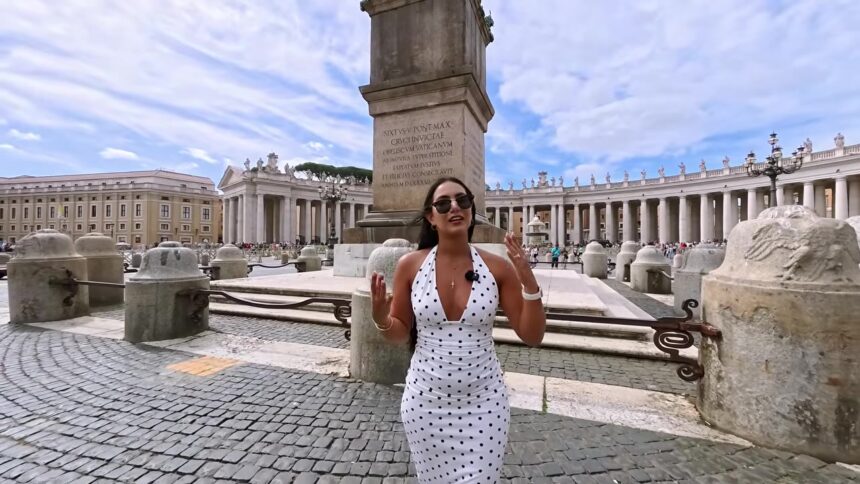
- A first look at St Peter’s Square, where Bernini’s colonnades create the monumental approach to the basilica.
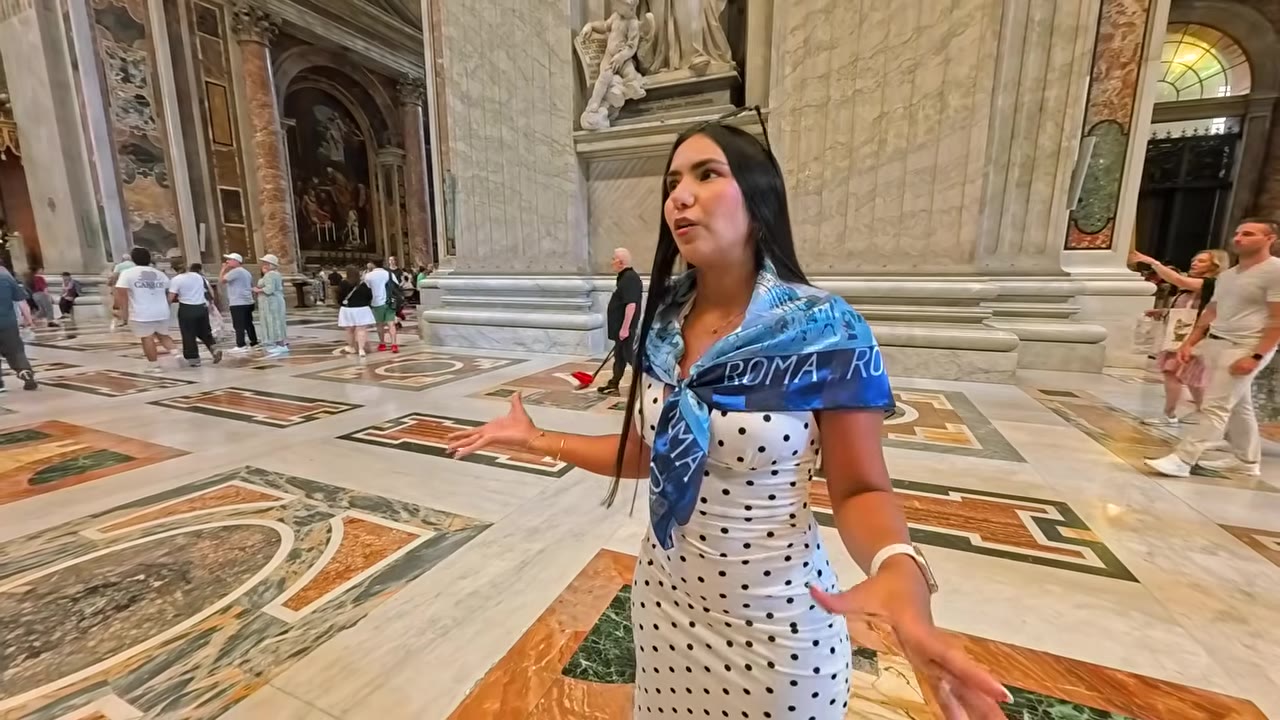
- St Peter’s Basilica as the visual and spiritual heart of a visit, from its vast interior to its famous dome.
- Attention to the Vatican’s layers of religious, political and artistic history rather than treating it as only a photo stop.
- A reminder that this tiny destination holds major institutions, ceremonial spaces and museums that need planning in advance.
Watch Michelle Thielen’s video before you go for a visual introduction to Vatican City and its remarkable setting inside Rome.
How to get to Vatican City
Vatican City sits on Rome’s west bank of the Tiber, beside the Prati and Borgo neighbourhoods. The most useful Metro stop is Ottaviano–San Pietro–Musei Vaticani on Line A; from there, it is an easy walk to the museum entrance on Viale Vaticano or to St Peter’s Square. Cipro on the same line can also be convenient for the Museums.
Do not assume that the basilica and the Vatican Museums share one entrance. St Peter’s Square leads to the basilica security line, while the Museums entrance is several blocks north on Viale Vaticano. Build in walking time between them, especially if you have a timed museum reservation.
If Vatican City is one stop on a longer Italian itinerary, Rome pairs naturally with an island break such as our Santorini travel guide, or with a wider route planned using our Europe by Road guide.
Best time to visit Vatican City
The most comfortable seasons are generally spring and autumn, when Rome is more pleasant for walking and waiting outdoors. However, the best practical strategy matters more than the month: reserve the Vatican Museums for the first available slot, then visit St Peter’s Basilica early or later in the afternoon.
Try to avoid planning a museum visit for the final Sunday of the month unless free admission is your absolute priority. The Vatican Museums offer free entry on that day, subject to their opening calendar, and crowds can be exceptionally heavy. The Museums currently list standard Monday-to-Saturday hours of 8:00 a.m. to 8:00 p.m., with final entry at 6:00 p.m.; always recheck the official calendar for closures and religious events before committing to your route.
Wednesday mornings can also be affected by papal audiences, while major liturgical dates can change access, security arrangements and queues. Keep your schedule flexible and do not book tightly timed activities immediately after the basilica.
What Vatican City costs in 2026
There is no general border-entry fee for Vatican City. Your main paid sight is the Vatican Museums, whose ticket includes the Sistine Chapel. St Peter’s Basilica itself is free to enter, although security screening is required and specific booked-entry or dome experiences carry separate charges.
| Item | Verified 2026 price | What it covers |
|---|---|---|
| Vatican Museums full ticket | €20 | Vatican Museums and Sistine Chapel on the ticket date |
| Vatican Museums online reservation | €25 total | €20 full ticket plus €5 official booking fee |
| St Peter’s Basilica | Free | General entrance, subject to security screening and access conditions |
| Rome BIT public-transport ticket | €1.50 | 100 minutes from validation; Metro use is limited to one journey |
| Rome 24-hour ticket | €8.50 | 24 hours from first validation |
The Vatican Museums identify their own ticket portal as the only official online seller and warn that similarly named sites may charge more. A standard ticket is €20, while an online reservation adds €5. Rome’s official transport operator lists the BIT at €1.50 and the 24-hour ticket at €8.50.
Where to stay for a Vatican City visit
Stay in Prati if you want the easiest early start for the Museums and basilica. It is a refined, residential-feeling district with good Metro access and a straightforward walk to Vatican City. Borgo, between Castel Sant’Angelo and St Peter’s Square, is closer to the basilica and especially atmospheric in the evening, though accommodation can be limited.
For a first Rome trip, Centro Storico is also an excellent base: you can walk to Vatican City in roughly 30 to 45 minutes depending on your starting point, while staying close to the Pantheon, Trevi Fountain and Piazza Navona. Choose accommodation with clearly stated air conditioning if visiting in the warmer months, and check the exact walking distance rather than relying on a listing that simply says “near the Vatican.”
Practical Vatican City safety and visiting tips
Vatican City is compact, but it is not a quick, casual attraction. Security queues, strict dress expectations and the size of the Museums can make a rushed visit tiring. Cover shoulders and knees for the basilica, Sistine Chapel, Museums and Vatican Gardens; the Vatican Museums explicitly require appropriate dress.
Carry a refillable water bottle, comfortable shoes and a small day bag. Keep passports, phones and wallets secure around Metro platforms, busy queues and major photo spots, as you would anywhere in central Rome. Be cautious with unsolicited “skip-the-line” offers outside the Museums: use the official booking channel or a clearly identified, accredited operator.
Finally, remember that the Sistine Chapel is part of the Vatican Museums route, not St Peter’s Basilica. Plan those as separate experiences, even if both are visited on the same day.
Day-by-day (how to travel it yourself)
Day 1: St Peter’s Square, Basilica and Rome’s riverfront. Arrive at St Peter’s Square early, pass security and explore St Peter’s Basilica at an unhurried pace. If you have reserved a dome experience, allow additional time and assess whether the stairs suit your fitness level. Afterwards, walk through Borgo to Castel Sant’Angelo, then cross the Tiber into the historic centre for the evening.
Day 2: Vatican Museums and Sistine Chapel. Book the earliest museum slot you can secure. Follow the main route through the collections without trying to see every gallery, then slow down before entering the Sistine Chapel. After lunch in Prati, leave the Vatican area behind and explore a different side of Rome. If your trip continues through Europe, our Transfăgărășan Road guide is a useful contrast: a scenic Romanian road trip after Rome’s dense history and city walking.
Frequently asked questions
Is one day enough for Vatican City?
Yes, one well-planned day is enough for St Peter’s Basilica, St Peter’s Square and the Vatican Museums. Two half-days are better if you prefer an early basilica visit and an unhurried museum reservation on a separate day.
Do I need to book Vatican Museums tickets in advance?
Advance booking is strongly recommended, especially for popular travel periods. The official Museums website charges a €5 booking fee on top of the standard €20 full ticket.
Is St Peter’s Basilica free?
Yes. General entry to St Peter’s Basilica is free, but visitors must pass security screening. A timed guaranteed-entry service and dome or guided experiences have separate fees.
What should I wear in Vatican City?
Wear clothing that covers your shoulders and knees, particularly for the basilica, Vatican Museums and Sistine Chapel. Comfortable closed or supportive walking shoes are also sensible for long museum routes and stone streets.
Facts and prices verified in August 2026. Travel with Influencers is an independent fan/editorial guide, not affiliated with or endorsed by the creators featured. Watch and support the original creator: Michelle Thielen on YouTube.