Venezuela earthquake travel conditions remain highly unstable in September 2026, and leisure travel to La Guaira and the affected Caracas coast should be postponed unless there is an essential reason to go. The twin earthquakes of June 24 caused major damage in La Guaira, parts of Caracas and other areas, while humanitarian operations, infrastructure disruption and the possibility of aftershocks continue. This guide explains what visitors need to know now: what happened, how transport and entry are functioning, how to act responsibly, and why this is not a normal sightseeing trip.
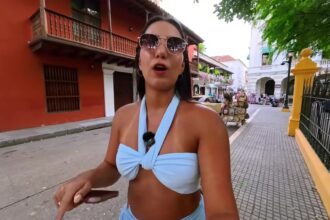
What Viajando con Vero’s journey shows
- The journey begins in La Guaira, the coastal state identified as one of the areas most seriously affected by the June 24 earthquakes.
- Vero meets Zoé Borges, a young resident whose family lost its home in the disaster.
- Zoé returns with her mother and sister to the site where their apartment building once stood, now reduced to rubble.
- The video looks beyond physical damage to show displacement, grief and the practical struggle of rebuilding a family’s life.
- It ends on a note of determination, following Zoé’s goal of earning money through video editing to help secure a new home for her mother.
Watch the original documentary before planning any visit, and treat it as a human story rather than a disaster attraction.
What happened in La Guaira and Venezuela?
On June 24, 2026, Venezuela was hit by two major earthquakes, reported at magnitudes 7.2 and 7.5. Official travel advice confirms significant damage in La Guaira, parts of Caracas and elsewhere; La Guaira became the focus of a major humanitarian response. International reporting and humanitarian situation reports documented collapsed buildings, disrupted services and displacement across the affected coastal and capital-region communities.
For visitors, the important distinction is simple: this is not an event that has “finished” because the shaking stopped. Recovery involves structural assessments, temporary accommodation, strained medical services and changing access conditions. Damaged buildings should never be entered or approached for photographs, and unofficial “earthquake tours” are inappropriate. Follow local authorities’ instructions and keep clear of recovery operations.
If your broader South America itinerary is flexible, it is better to redirect time and spending to a destination prepared for visitors rather than adding pressure to an active recovery zone. Our Medellín travel guide and Lima travel guide may be more practical alternatives while conditions in Venezuela remain uncertain.
How to get there now
Maiquetía Simón Bolívar International Airport, the airport serving Caracas and the La Guaira coast, resumed limited commercial operations on September 1, 2026. Commercial international flights are also operating from Valencia, Barquisimeto, Barcelona and Maracaibo, but availability remains limited and schedules can change at short notice. Do not book non-refundable onward transport, accommodation or tours until your airline has reconfirmed the itinerary.
For an essential journey, arrange an airport transfer through a trusted host, hotel or established dispatcher before arrival. The U.S. State Department specifically warns of risks with unregulated taxis at Maiquetía airport, as well as security concerns around nearby ATMs. Avoid intercity road travel after dark.
Entry rules depend on nationality. For U.S. passport holders, the State Department says a Venezuelan visa must be obtained before travel and is not available on arrival. British citizens arriving by air may normally receive a tourist card for stays of up to 90 days, but all travellers should confirm requirements directly with the relevant Venezuelan embassy before booking because entry rules can change with little warning.
Best time to visit Venezuela after the earthquake
There is no responsible “best time” for leisure travel to earthquake-affected La Guaira in 2026. The right time is after local authorities, accommodation providers and your own government’s current advice indicate that essential infrastructure, safe lodging and normal visitor services have returned—not merely when lower airfares appear.
September remains too early to present the affected coast as a standard beach break. The UK Foreign Office advises against all but essential travel to the remaining areas of Venezuela and says travellers should be prepared to change plans quickly; the U.S. advisory rates Venezuela at Level 3, “Reconsider Travel,” citing crime, kidnapping, terrorism, poor health infrastructure and natural-disaster risk.
What it costs in 2026
There is no dependable, official post-earthquake price list for flights, rooms, transport or activities in La Guaira, and published rates may not reflect whether a property or service is actually operating safely. For that reason, do not rely on a conventional backpacker budget for this trip. The verified financial figure below is an entry-and-exit compliance threshold, not a recommended amount to carry.
| Verified 2026 item | Amount | What it means |
|---|---|---|
| Cash declaration threshold | US$10,000 or more | U.S. travel guidance says this amount, or its equivalent, must be declared on entry and exit. |
Use only funds you can afford to lose access to temporarily, keep backup payment methods, and confirm in advance how your hotel accepts payment. British travel advice notes that many businesses accept local currency, U.S. dollars or international cards, but international cards may fail.
Where to stay
Do not choose accommodation in La Guaira simply because it is cheap, close to the airport or advertised as open. Only consider an essential stay when the property can confirm that it is operating legally, has been assessed or cleared as appropriate by competent local authorities, has water and power contingency arrangements, and can arrange a reliable airport transfer. Ask for written confirmation immediately before departure; conditions can change between booking and arrival.
For most visitors, the safest decision is to defer the trip rather than search for a “best hotel” near an active recovery area. If you must travel for family, work or an urgent personal reason, choose flexible, refundable arrangements and keep a confirmed onward-departure plan.
Safety and responsible travel tips
Do not visit damaged residential blocks, temporary camps, hospitals, memorial sites or debris-clearance areas unless you have a legitimate reason, permission and a local contact coordinating the visit. Do not photograph people who have lost homes or relatives without clear consent. Buy from unaffected local businesses only when doing so does not compete with relief needs, and do not donate goods unless an established organisation has specifically requested them.
Prepare as though self-reliance may be necessary: carry enough prescription and over-the-counter medication for the whole trip, arrange medical evacuation insurance, share a communication and check-in plan with trusted people, and know how you will leave if flights or roads change. The U.S. advisory warns that health infrastructure is under severe strain and that consular assistance outside Caracas is limited.
Keep a copy of your passport photo page and entry stamp accessible, carry your original securely, avoid displaying valuables, and do not resist a robbery. Avoid public transport where possible, do not travel at night between cities, and stay away from Venezuela’s restricted border regions. For detailed border planning, read our Colombia-Venezuela border guide, but remember that post-earthquake conditions can supersede ordinary crossing advice.
Activities: what is appropriate right now?
The responsible activity in affected La Guaira is not disaster sightseeing. If you are already in Venezuela for essential reasons, focus on ordinary, low-impact needs and follow official instructions. Do not seek out ruins, rescue sites or vulnerable families for content. Volunteering should only be arranged in advance through a recognised organisation with a defined role, safeguarding procedures and local approval; arriving independently can create an extra burden.
When the region has recovered sufficiently for normal visitors, choose locally run cultural and coastal businesses that can demonstrate they are safely operating. Until then, postpone excursions rather than trying to recreate the video’s route.
Day-by-day (how to travel it yourself)
This is an essential-travel contingency itinerary, not a leisure itinerary for the earthquake zone.
- Day 1: Arrival and verification. Land only on a confirmed flight, use a pre-arranged transfer, check in to a verified operating property, register your local contact details, and review departure options.
- Day 2: Purpose-led visit only. Attend only pre-arranged family, work or aid-related commitments. Avoid damaged neighbourhoods, crowds and all restricted sites; keep the day short and maintain contact with your host.
- Day 3: Flexible departure. Reconfirm your flight, leave ample time for airport disruption, and depart rather than extending a discretionary stay. If conditions worsen, follow local authority instructions immediately.
Frequently asked questions
Is La Guaira open to tourists after the June 2026 earthquakes?
Limited commercial flights serving the Caracas area have resumed, but humanitarian operations and damage remain significant. This does not mean La Guaira is ready for conventional tourism; postpone non-essential visits.
Can I visit earthquake-damaged buildings in Venezuela?
No. Stay away from damaged structures, debris sites and recovery areas. They can be dangerous, may obstruct emergency work, and are not appropriate visitor attractions.
Do U.S. citizens need a visa for Venezuela?
Yes. Current U.S. guidance says travellers need a valid Venezuelan visa before travel and that visas are not available on arrival. Confirm the process with Venezuelan authorities before making any booking.
Should I buy travel insurance for Venezuela?
Only travel if you can obtain cover that remains valid for your itinerary and includes emergency medical treatment and evacuation. Check exclusions carefully, because travel against official advice may invalidate a policy.
Facts and prices verified in September 2026. Travel with Influencers is an independent fan/editorial guide, not affiliated with or endorsed by the creators featured. Watch and support the original creator: Viajando con Vero on YouTube.