This Friuli Italy Friulian language culture guide shows how to experience one of Italy’s most distinct regions through its living language, borderland history and deeply local food traditions. Follow a practical route from medieval Cividale del Friuli to the First World War landscape around Gorizia and the Adriatic city of Trieste. You will also find realistic planning advice for transport, timing, accommodation and the key cultural context that turns a scenic northern Italy break into a more meaningful journey.
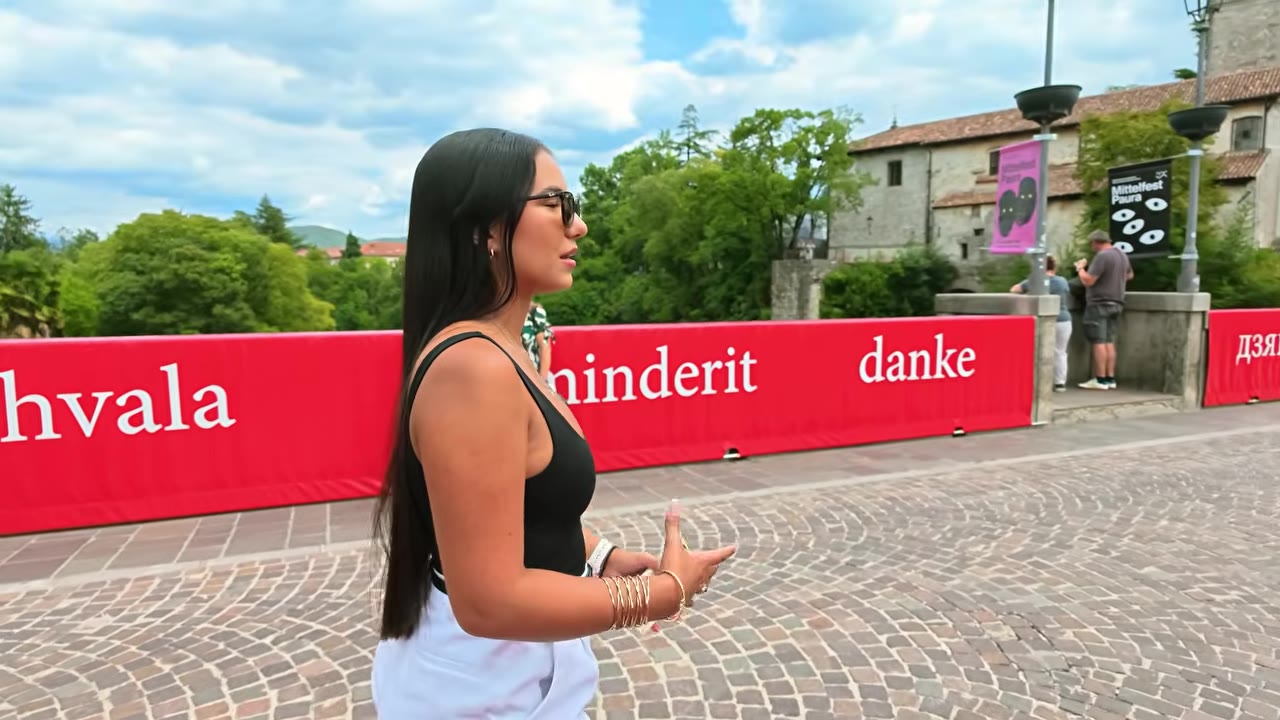
What Michelle Thielen’s journey shows
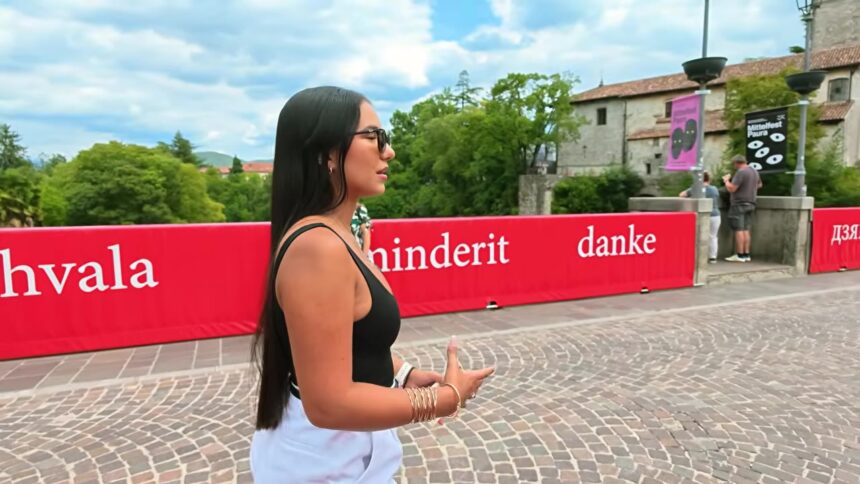
- She begins in Cividale del Friuli, walking its compact historic centre and crossing the dramatic Ponte del Diavolo, or Devil’s Bridge, above the Natisone River.
- The visit introduces a key regional taste: gubana, the rich spiral-shaped dessert associated with the Natisone Valleys and Cividale area.
- Her route then moves into the countryside for flowers, fields and a sunset stop at Nonno Andrea’s seasonal farm experience.
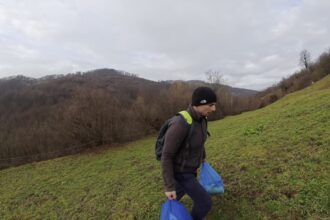
- In the Gorizia area, she visits the landscapes and memorials connected with the First World War, including former trench territory.
- The trip closes in Trieste, with Miramare Castle, its seafront park and a walk through the city to Piazza Unità d’Italia.
Watch Michelle’s journey first, then use the guide below to build a slower, independent version of the route.
How to get to Friuli and move between the stops
For this route, think of Friuli as a triangle: Cividale del Friuli and Udine inland, Gorizia near the Slovenian border, and Trieste on the Adriatic. Trieste Airport is a useful arrival point because it has an integrated rail and bus hub; Trenitalia states that around 70 trains serve the airport stop daily, including regional services on the Trieste–Udine line.
Use Udine as the transport bridge for Cividale. The local Ferrovie Udine Cividale service links the two, while regional rail connects Udine with Gorizia and Trieste. Check live schedules before committing to a same-day connection: rail works and replacement buses can affect northern Italian routes, especially in autumn and winter.
Trieste is easy to explore on foot once you arrive. For Miramare, regional trains stop at Miramare, around 150 metres from a side entrance to the park; the regional operator also confirms dedicated connections from Trieste and Trieste Airport. A rental car is most useful if you want to add vineyards, villages, the Natisone Valleys or rural food stops, rather than for the city centres themselves.
Understanding Friulian language and culture
Friuli is not simply “another part of Italy.” It is a historical meeting place between Latin, Slavic and Germanic worlds, and that overlap is audible in daily life. Italian is the common language for visitors, but Friulian, known locally as furlan, remains a living regional language used in families and cultural life. Regional tourism authorities describe it as a protected minority language and note that Slovenian and German are also spoken in parts of Friuli Venezia Giulia.
That is why the language moments in the video matter. A traveler may hear Italian, Friulian and local varieties in quick succession, particularly outside the largest cities. Do not treat this as a novelty or assume that Friulian is merely incorrect Italian. Learn a few words instead: mandi means hello or goodbye, and gracis means thank you. The region’s official tourism material traces Friulian to Aquileian Latin and records its long literary tradition.
Culture also comes through the table. Order gubana in Cividale, look for frico, a comforting cheese-and-potato dish, and try a glass of Friulano wine if you drink alcohol. The traditional fogolâr, or hearth, remains an important symbol of family gathering and Friulian identity.
Best time for this Friuli itinerary
Late April to June and September to mid-October are the strongest periods for this cultural route. You can walk comfortably in Cividale, spend time outdoors around Gorizia and enjoy Trieste without the highest summer heat. Spring is particularly good for green countryside and flower-focused farm visits; autumn suits food, wine and harvest-season travel.
July and August work well for longer days and the coast, but Trieste can feel hot and busy. Winter is quieter and atmospheric for museums, cafés and city walks, although daylight is short and rural attractions may operate on reduced or seasonal hours. If you are planning a specific farm, guided walk or memorial site, confirm dates directly with the operator before booking transport.
What Friuli costs in 2026
Costs vary sharply depending on whether you stay in Trieste, rent a car or focus on smaller towns. Rather than offer an unreliable all-in daily budget, use these verified fixed prices as planning anchors. The table excludes meals, hotels and transport fares because those change by date, route and availability.
| Item | 2026 price | Planning note |
|---|---|---|
| Miramare Castle museum admission | €17 | Includes the currently listed castle and exhibition ticket. |
| Miramare Castle, EU visitors aged 18–25 | €7 | Reduced combined ticket listed by the museum. |
| Miramare Park | Free | Park entry is free year-round during published opening hours. |
| Miramare Castle audio guide | €4 | Available in English, Italian, German, French and Spanish. |
| Guided visit to Miramare’s Castelletto and historic kitchens | €7 | Reservation is recommended at least one day ahead. |

Where to stay for a culture-first trip
For one or two nights, stay in Cividale del Friuli if you want quiet evenings, river views and early access to the old town. Choose Udine when train and bus connections are more important, or when you want a broader choice of restaurants. Stay in Trieste for a longer urban finish: it is best for cafés, museums, waterfront walks and early departures by rail or air.
A smart three-night split is one night in Cividale or Udine and two nights in Trieste. Gorizia can be visited en route, or used as an overnight if you want more time with its cross-border history and the Collio wine country. If you enjoy regional heritage beyond Italy’s headline cities, you may also like our Rural Romania Travel Guide: Traditions and Village Life.
Practical tips: etiquette, safety and activities
Friuli is generally straightforward for independent travelers, but the practical challenge is not safety: it is pace. Small-town businesses may close between lunch and evening service, and rural attractions can be seasonal. Reserve a rental car in advance if you need one, carry water for former trench walks, and wear shoes with grip rather than city sandals.
At Great War sites around Gorizia, remember that these are memorial landscapes, not adventure playgrounds. Stay on marked paths, respect signs and avoid entering unmaintained trenches or structures. In Trieste, watch the weather: the bora, the city’s powerful wind, can make exposed waterfront walks unexpectedly uncomfortable.
Build activities around local context rather than ticking off monuments. Taste gubana in Cividale, join an official walking tour when available, visit a traditional osteria, and leave space for Trieste’s cafés and the free Miramare park. The regional tourism programme lists guided experiences and audio tours across the area, including Gorizia and Trieste.
Day-by-day (how to travel it yourself)
Day 1: Cividale del Friuli and Friulian flavours.
Arrive via Udine, check in, then walk Cividale’s centre, the Devil’s Bridge and the riverside viewpoints. Visit cultural sites that fit your opening hours, then stop for gubana with coffee or a local digestif. Spend the evening listening closely: this is the best place on the route to appreciate the region beyond standard Italian travel stereotypes.
Day 2: Gorizia, Great War memory and Trieste.
Travel toward Gorizia in the morning. Give the war memorial landscape the time and seriousness it deserves, then continue to Trieste for the evening. Walk from the station area toward the seafront and Piazza Unità d’Italia. Gorizia’s borderland setting is part of what makes Friuli Venezia Giulia culturally unusual.
Day 3: Miramare and Trieste.
Take an early regional train to Miramare or use local transport from Trieste. Visit the castle if you want the interiors, but leave time for the free park and sea views. Return to Trieste for cafés, the old town and a final dinner. Travelers continuing across Italy can compare the very different rhythm of the capital with our Rome Colosseum Guide: Tickets, Best Times and Mistakes to Avoid.
Frequently asked questions
Is Friulian the same as Italian?
No. Italian is the national language used everywhere by visitors, while Friulian is a distinct regional minority language with its own history, vocabulary and literary tradition.
Can I visit Cividale del Friuli as a day trip?
Yes. It is practical as a day trip from Udine, but an overnight stay gives you more time to explore the town after day visitors leave and to enjoy local food at a slower pace.
Do I need a car for this Friuli itinerary?
No for the core route of Cividale, Gorizia and Trieste, though connections require planning. A car becomes valuable if you want countryside farms, wineries, hill towns or more remote Great War sites.
Is Miramare Castle worth visiting if I do not want to pay for the museum?
Yes. The park is free, has published seasonal opening hours and delivers the essential sea-and-castle setting. Pay for the museum if the Habsburg interiors and historical detail interest you.
Facts and prices verified in October 2026. Travel with Influencers is an independent fan/editorial guide, not affiliated with or endorsed by the creators featured. Watch and support the original creator: Michelle Thielen on YouTube.