The best things to do in Menorca Spain combine quiet turquoise coves, atmospheric harbour towns, ancient stone monuments and scenic drives across a remarkably relaxed Balearic island. This guide turns Pasaporte Viajero’s highlights into a practical trip plan, from choosing a base in Ciutadella or Mahón to reaching the island, managing beach days and fitting its historic places into a realistic itinerary. You will also find verified 2026 entry and transport prices, plus a simple four-day route you can adapt.
What Pasaporte Viajero’s journey shows
- It begins with Menorca’s headline coastal scenery: bright water, limestone cliffs and sheltered calas that explain why beach time is central to an island visit.
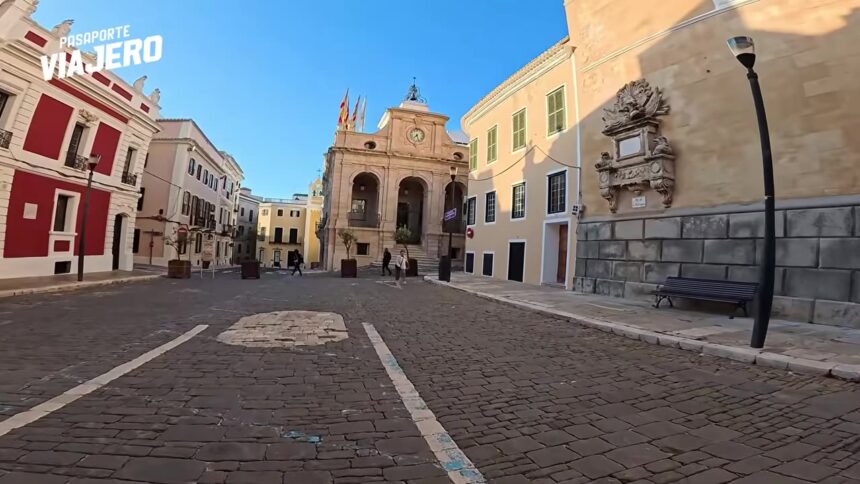
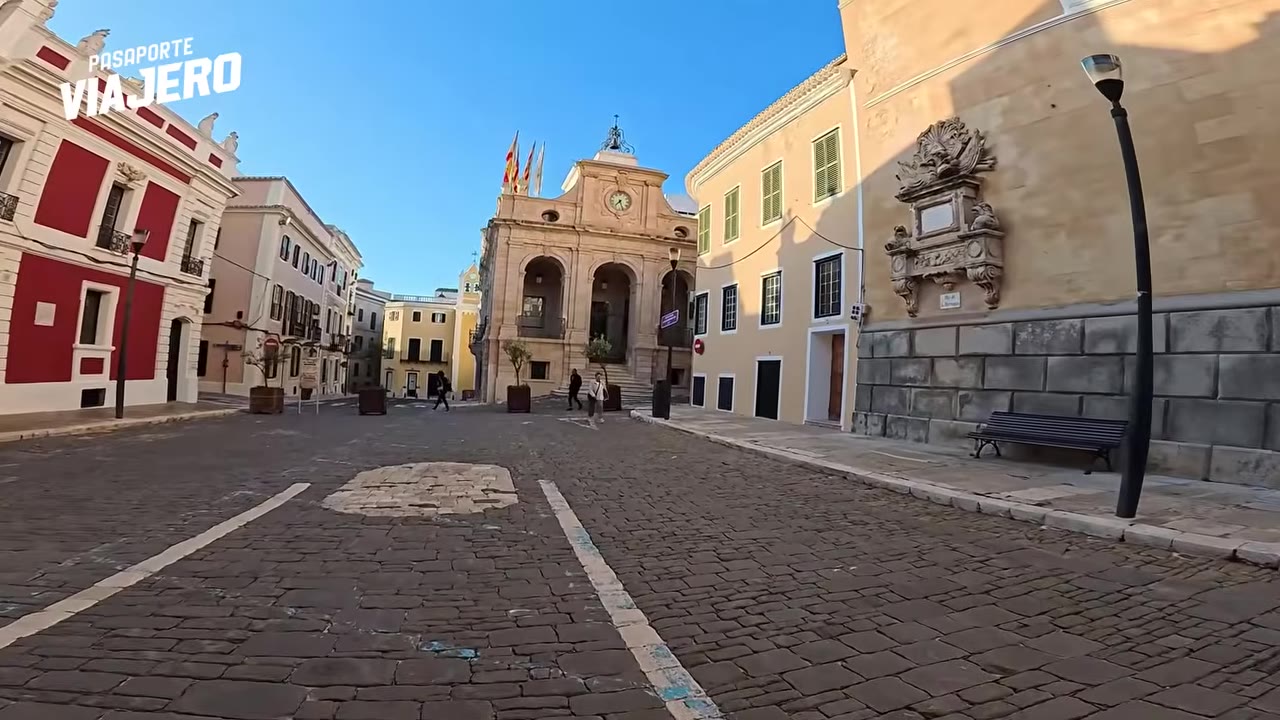
- The route moves through Ciutadella, where narrow old-town streets, stone façades and the harbour bring a historic counterpoint to the coves.
- It includes Mahón, whose long natural harbour, waterfront and Georgian-influenced streets make the east coast worth more than a quick airport stop.
- The journey highlights the island’s wilder viewpoints and lighthouses, particularly useful inspiration for a self-drive day beyond the south-coast resorts.
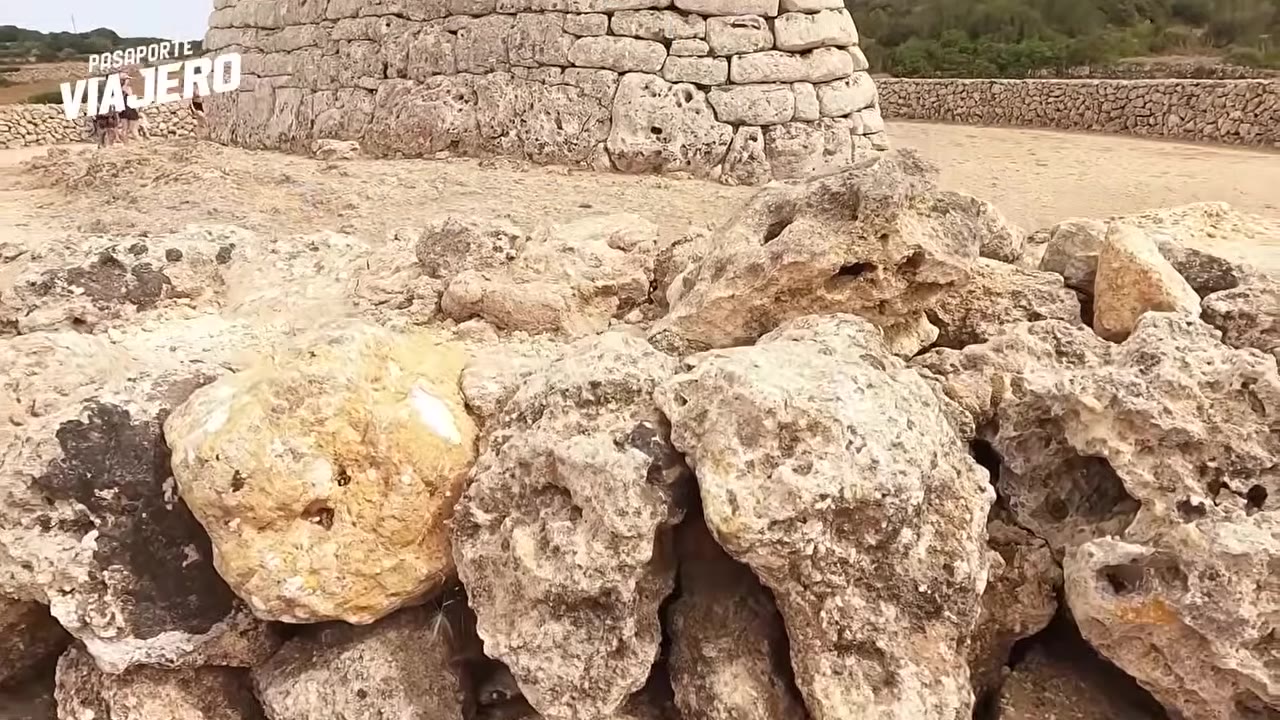
- It also points toward Menorca’s deep past through its Talayotic heritage, giving the trip substance between beach stops and sunset views.
Watch the original video first, then use the details below to build a trip that suits your pace.
How to get to Menorca and get around
Most visitors arrive at Menorca Airport (MAH), near Mahón on the eastern side of the island. Flight schedules are highly seasonal, so check direct routes before committing to accommodation; Barcelona is a particularly useful year-round connection. If you are combining islands or bringing a vehicle, ferry services connect Ciutadella with Barcelona and Alcúdia in Mallorca. Baleària advertises Barcelona–Ciutadella fast-ferry crossings from three hours and 30 minutes, while conventional sailings can take longer.
A rental car is the easiest way to reproduce the journey in the video: coves, lighthouses and archaeological sites are spread across the island, and some beach access points are difficult to coordinate by bus. Public buses are useful for town-to-resort journeys in season, but service frequency and routes vary. If you do hire a car, reserve early for late spring through early autumn and choose accommodation with parking if you are staying in either historic centre.
For a first visit, do not try to cross Menorca repeatedly in one day. Base yourself in Ciutadella for the western old town and southern coves, or in Mahón for the harbour, airport convenience and eastern villages. With four or more nights, splitting the stay between the two is a relaxed option.
Best time to visit Menorca
May, June, September and early October are the best balance for most travellers: you can swim, walk sections of the Camí de Cavalls coastal path and explore towns without making every plan around the busiest summer hours. July and August bring the warmest sea, longest beach days and the fullest restaurant scene, but also the greatest pressure on roads, parking and the most famous calas.
Choose spring or autumn if you care more about hiking, cycling, heritage and quieter meals than guaranteed all-day swimming weather. Menorca actively promotes travel beyond summer, and its cooler months are especially rewarding for landscapes, birdlife and uncrowded villages.
If your dates include late June, remember that Sant Joan festivities in Ciutadella are a major local event. They are memorable but affect availability and transport, so book far ahead or choose another base if you want a calm beach holiday.
What Menorca costs in 2026
Menorca can be an expensive island in peak summer, especially for flights, rental cars and accommodation near Cala Galdana, Ciutadella and Mahón. The good news is that many of the island’s best experiences—swimming, viewpoints, harbour walks and coastal paths—cost nothing. Use the following published prices as planning anchors, and always recheck operators before paying because dates, reduced rates and availability can change.
| Item | Verified 2026 price | Useful detail |
|---|---|---|
| Barcelona to Menorca ferry with Baleària | From €40 one way | Fast ferry to Ciutadella is advertised from 3 hours 30 minutes. |
| Naveta des Tudons general admission | €2 | Reduced admission is €1.20; entry is free on Mondays. |
| Lithica quarry gardens general admission | €10 | Reduced admission is €7; under-15s enter free when visiting as a family. |
The Naveta des Tudons is a particularly good-value cultural stop between Mahón and Ciutadella. Its distinctive, boat-shaped funerary structure is part of the wider Talayotic Menorca World Heritage landscape, inscribed by UNESCO in 2023. Lithica, near Ciutadella, transforms former limestone quarries into an unusual open-air landscape of walls, paths and gardens; its 2026 opening calendar and prices are published by the site.
Where to stay in Menorca
Stay in Ciutadella if you want your evenings to revolve around old-town lanes, restaurant terraces and the west coast. It is the strongest choice for a first-time visitor who wants an appealing town atmosphere and day trips to Cala en Turqueta, Macarella or the dramatic northwestern coastline.
Stay in Mahón for the harbour, airport access, museums and easy exploration of the east. It works well if you prefer a lived-in city feel over a resort setting, or plan to visit Es Grau, Binibeca, La Mola and Talayotic sites.
Stay in Cala Galdana if swimming is your priority and you want a convenient south-coast resort base. Families may value the beach access and facilities, while independent travellers should remember that a car still makes the island much easier.
For a wider European city-and-island trip, pair Menorca with ideas from our Spain planning guides after checking your transport connections. If you are building a multi-country Mediterranean route, our Italy travel tips for first-time visitors can help with onward planning.
Beach, heritage and safety tips
Build each beach day around one main cala rather than collecting many names. Reach popular coves early, bring water, sun protection and sturdy sandals, and leave no rubbish behind. Rocky access paths, steep steps and uneven surfaces are common; flip-flops are not enough for every walk. Sea conditions can change quickly, so follow local flags and do not treat a sheltered-looking cove as automatically safe.
Balance the south’s postcard coves with inland and northern stops. Visit the Naveta des Tudons or Torre d’en Galmés for the prehistoric story behind the landscapes, then make time for Ciutadella and Mahón rather than viewing them only as dining stops. UNESCO describes Talayotic Menorca as a network of settlements and burial places built with massive dry-stone architecture, spanning from the Bronze Age to the Late Iron Age.
Menorca is generally straightforward for independent travel, but the practical risks are heat, sun exposure, rough coastal terrain and driving fatigue after long beach days. Keep valuables out of sight in parked cars, carry a charged phone, download offline maps and plan your return from remote beaches before sunset.
Boat trips, kayaking and guided heritage walks are excellent ways to see places that are less convenient by road, especially if you are not renting a car.
Day-by-day (how to travel it yourself)
Day 1: Ciutadella and the west. Check in, walk Ciutadella’s historic streets and harbour, then drive to a west-coast viewpoint or lighthouse for sunset. Keep the first day flexible if you arrive by ferry or a late flight.
Day 2: Southern calas. Dedicate the day to one or two coves, choosing according to weather, access conditions and how much walking you want. Start early, swim, take a short coastal walk, then return to Ciutadella for dinner.
Day 3: Talayotic Menorca and Mahón. Stop at Naveta des Tudons, continue east via Torre d’en Galmés if open and practical for your route, then spend the late afternoon around Mahón harbour. This is the best day to understand that Menorca is more than a beach destination.
Day 4: East coast or north coast. Choose Es Grau and the eastern villages for gentler scenery, or drive north for bigger horizons, windier beaches and lighthouse views. Finish with one final harbour meal. With an extra day, add Lithica near Ciutadella or take a boat trip to see the southern coastline from the water.
Frequently asked questions
How many days do you need in Menorca?
Four days covers Ciutadella, Mahón, a south-coast beach day and one heritage or north-coast day. Stay for six or seven nights if you want slower beach time and several walks without constant driving.
Is a car necessary in Menorca?
No, but it is highly recommended for a first trip. A car makes it much easier to reach coves, lighthouses, rural heritage sites and less-developed parts of the north coast.
Should I stay in Ciutadella or Mahón?
Choose Ciutadella for old-town atmosphere and western or southern beach days. Choose Mahón for airport convenience, harbour life and the east. A split stay is ideal for longer visits.
What is the best historic site to visit in Menorca?
Naveta des Tudons is the easiest introduction because it is close to the main road between Mahón and Ciutadella and has a low published admission price. For a larger settlement experience, add Torre d’en Galmés.
Facts and prices verified in October 2026. Travel with Influencers is an independent fan/editorial guide, not affiliated with or endorsed by the creators featured. Watch and support the original creator: Pasaporte Viajero on YouTube.