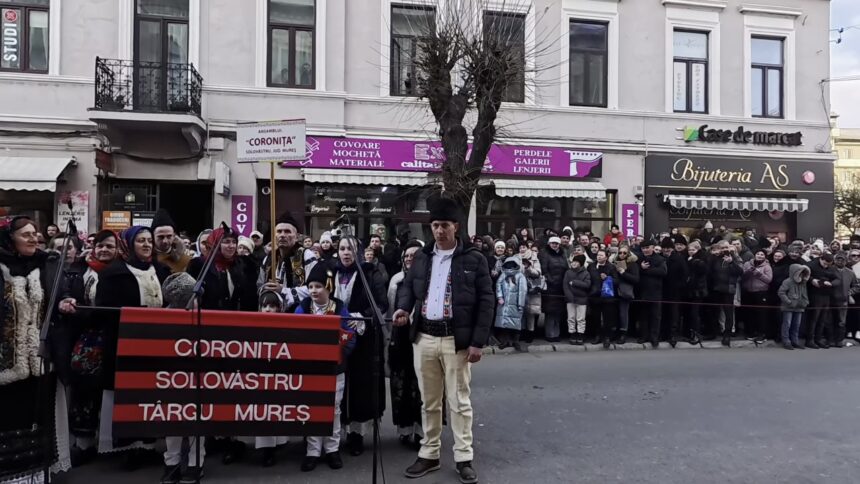
Maramureș is one of the best places in Romania to experience living village traditions, from carved wooden gates and historic churches to winter carols, folk dress and family-run rural homes. This guide helps you plan a respectful, independent trip through the region’s most memorable villages, with practical transport advice, verified 2026 prices and a simple itinerary. It is designed for travelers who want more than photographs: slow travel, local food, craft traditions and the rhythms of everyday rural life.
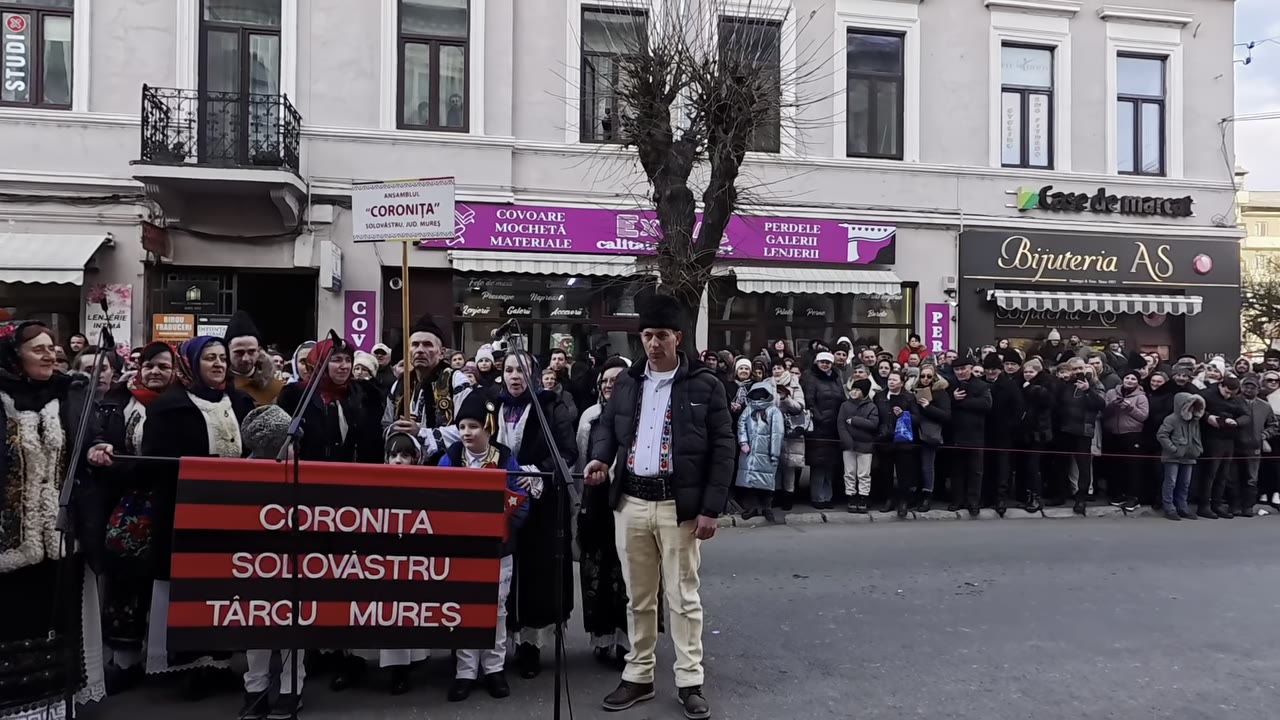
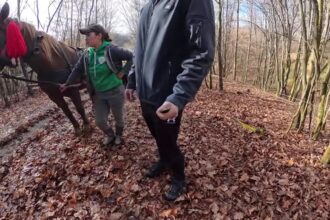
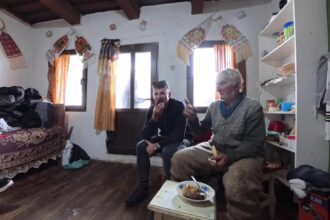
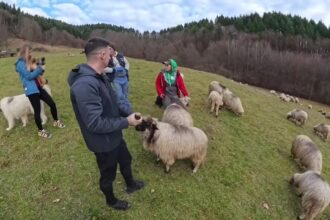
What Haida in Lume’s journey shows
- Arrival in Maramureș during the winter holiday season, when village life is shaped by Christmas and New Year preparations.
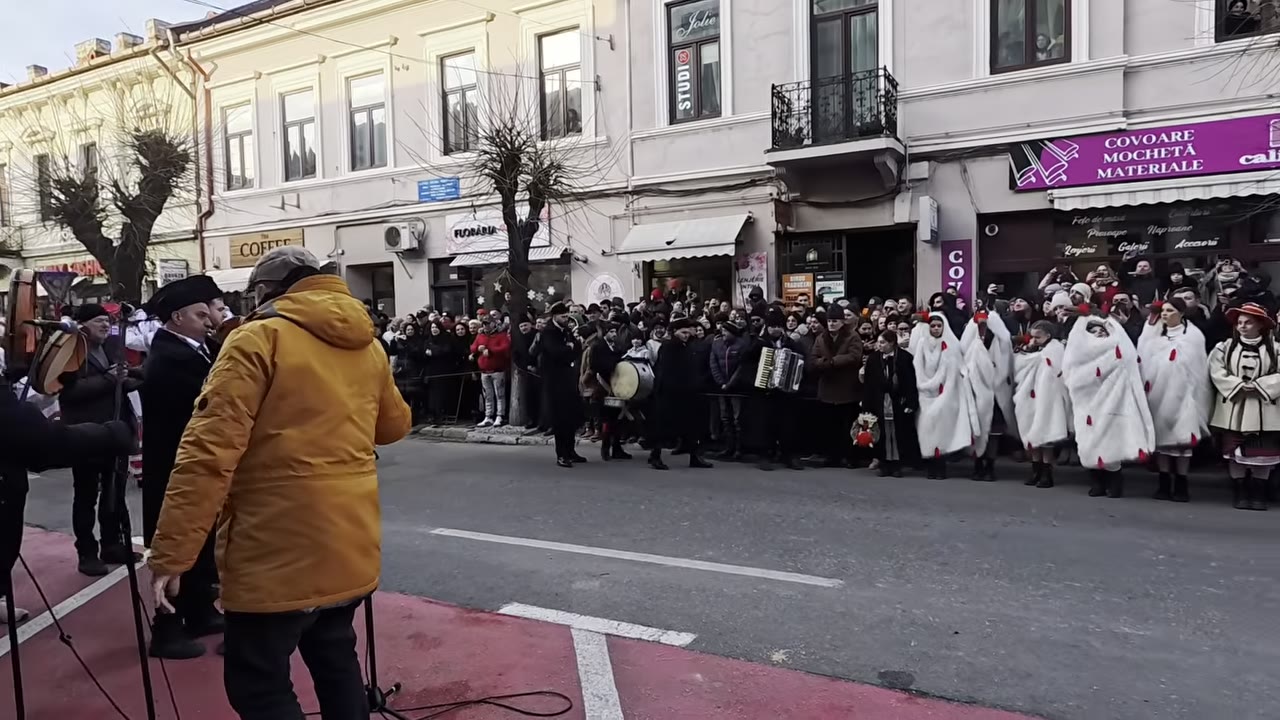
- Traditional carols performed as part of local seasonal customs rather than as a staged visitor spectacle.
- Folk clothing, with embroidered shirts, woven textiles and accessories still worn for important community occasions.
- Winter rituals and shepherding imagery that connect family life, faith and the agricultural calendar.
- A calm, intimate view of village streets, homes and people preserving customs across generations.
Watch Haida in Lume’s video first for a warm introduction to the atmosphere that makes Maramureș special, then use the practical plan below to travel it at your own pace.
How to get to Maramureș
For a first trip focused on Maramures Romania village traditions, base yourself around Sighetu Marmației, Vadu Izei, Breb or Vișeu de Sus rather than trying to cover the whole county from one distant city. A rental car is the most flexible option because churches, workshops, monasteries and villages are spread across valleys, while public transport can be limited outside the larger towns.
International visitors commonly begin in Bucharest or Cluj-Napoca, then continue by domestic train, bus or car. If using rail, check the official CFR Călători journey planner shortly before departure: routes, connections and engineering works can change. For local taxis, guesthouse transfers and day trips, arrange the price in advance and ask your accommodation for a trusted contact.
Do not plan the region as a rushed day trip. The pleasure is in stopping at a wooden gate, accepting a coffee when invited, visiting a church slowly and leaving time for village roads. If you are building a broader rural itinerary, our Romanian Countryside Traditions and Rural Villages guide offers useful context beyond Maramureș.
Best time to experience village traditions
Winter is the most atmospheric period for travelers interested in the customs shown in the video. Christmas and New Year bring caroling, ceremonial dress and local rituals, but accommodation can fill early and weather may slow road travel. Confirm specific events with your host or the local tourism office rather than assuming every village program happens on the same dates.
Late spring through early autumn is easier for driving, walking and visiting wooden churches. Summer has long daylight hours and active rural work, while autumn brings harvest-season gatherings and village dances. The county tourism authority notes that Maramureș customs follow both the agricultural calendar and major Christian holidays, so there is meaningful cultural context in every season.
For architecture, prioritize the region’s wooden churches. Eight are inscribed as the UNESCO Wooden Churches of Maramureș, recognized for their exceptional timber construction, tall towers and blend of Orthodox and Gothic influences. Dress modestly, keep voices low and remember that these are active places of worship, not open-air museums.
What Maramureș costs in 2026
Prices below are adult prices published by the operators or institutions listed. They cover a few reliable anchors for your budget; accommodation, meals, private transfers and craft purchases vary widely by village and season, so ask for the final price before committing.
| Experience | 2026 adult price | What is included |
|---|---|---|
| Mocănița Maramureș standard ticket | 136 lei | Steam-train ticket on the Vaser Valley route |
| Mocănița Maramureș Special package | 198 lei | Ticket, grill platter, coffee, soft drink and pastry |
| Sighet Memorial Museum | 25 lei | Adult admission |
The Vaser Valley steam train runs on a published 2026 schedule, with daily departures from May through October and a seasonal timetable in other months; its standard journey is described as approximately six hours round trip. The Sighet Memorial lists separate summer and winter opening hours, so check the date of your visit before traveling.
Where to stay in Maramureș
Choose a family-run guesthouse, known locally as a pensiune, in Vadu Izei, Breb, Bârsana or around Sighetu Marmației. These bases make it easier to have a homemade breakfast, arrange dinner, meet residents and get advice on church access or local events. Sighet is the practical choice for restaurants, shops and the Memorial Museum; Breb and Vadu Izei feel more rural; Vișeu de Sus works best for an early Mocănița departure.
Book directly with a property when possible and ask whether dinner, transfers and activities need advance notice. The regional tourism site lists rural stays as well as cultural attractions, including a small Vadu Izei guesthouse where visitors can see traditional mill, fulling and distilling activities.
Respectful cultural travel and practical tips
Maramureș is not a theme park. Ask before photographing people, homes, livestock, religious services or anyone in traditional dress. If you are invited inside, accept or decline kindly, remove shoes if asked and do not treat private spaces as sets for social media. Buy textiles, woodwork and food directly from makers when you can, rather than bargaining aggressively over small amounts.
Carry cash for small purchases, keep a light waterproof layer in the car and download offline maps before driving into the valleys. In winter, use a properly equipped vehicle and build spare time into every transfer. The best safety habit is simple: tell your guesthouse where you are going if you plan a long rural walk, and return before dark on unfamiliar roads.
For a complementary food-focused route, see our Maramureș rural cheese traditions guide. For a deeper look at mountain livelihoods elsewhere in the country, continue with our Romanian shepherd culture guide.
Activities are best arranged through your guesthouse, a local guide or the county tourism network. A guide can help you understand etiquette, identify genuine workshops and avoid arriving during a family or church occasion when visitors would be intrusive.
Day-by-day (how to travel it yourself)
Day 1: Sighetu Marmației, Săpânța and Vadu Izei. Arrive and settle into your guesthouse. Visit the Merry Cemetery at Săpânța with the sensitivity you would bring to any cemetery, then return via Sighet for the Memorial Museum if time allows. Have dinner at your accommodation and ask about any nearby church service, craftsman or seasonal event.
Day 2: Bârsana, Ieud and village roads. Drive slowly through the Iza Valley, stopping at Bârsana and one or two historic wooden churches. Choose quality over quantity: enter only when appropriate, look closely at timber details and frescoes, and allow time for a village meal. Spend the evening in Breb, Vadu Izei or your original base.
Day 3: Vișeu de Sus and the Vaser Valley. Take the Mocănița steam train if it is running on your travel date, reserving ahead in high season. Otherwise, dedicate the day to Vișeu de Sus, a local craft visit and scenic drives toward Borșa. Depart the following morning rather than forcing a long onward journey after a full day.
Frequently asked questions
Is Maramureș worth visiting in winter?
Yes, especially if you want to understand Christmas and New Year customs, but book accommodation early, expect cold conditions and keep plans flexible for weather.
Do I need a car in Maramureș?
A car is strongly recommended for an independent village itinerary. It gives you access to dispersed churches, guesthouses and rural roads that are difficult to connect by public transport.
Can I visit the wooden churches without a guide?
Usually yes, but opening can depend on local church arrangements. Ask your host to call ahead, dress respectfully and never assume access during a service or private religious event.
What is the most respectful way to experience traditions?
Be a guest rather than a spectator: ask permission before taking photos, support local makers, follow your host’s advice and remember that customs are part of community life.
Facts and prices verified in October 2026. Travel with Influencers is an independent fan/editorial guide, not affiliated with or endorsed by the creators featured. Watch and support the original creator: Haida in Lume on YouTube.