


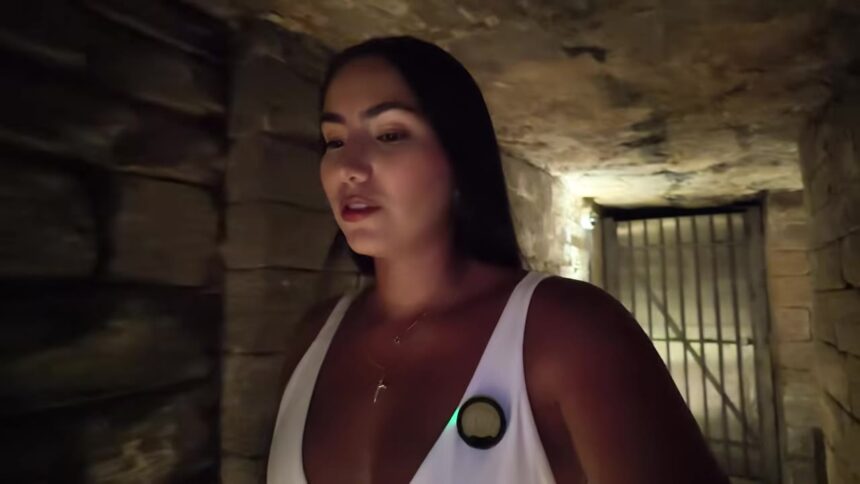
The Paris Catacombs are worth visiting if you book ahead, can manage more than 240 steps, and want to see Paris from its most haunting historical perspective. This Paris Catacombs visitor guide explains how to secure the right ticket, reach the entrance at Denfert-Rochereau, dress for the underground conditions, and avoid the practical mistakes that can spoil a short visit. You will also find current 2026 prices, useful rules, neighbourhood advice, and a simple itinerary that combines the Catacombs with a calmer side of the 14th arrondissement.
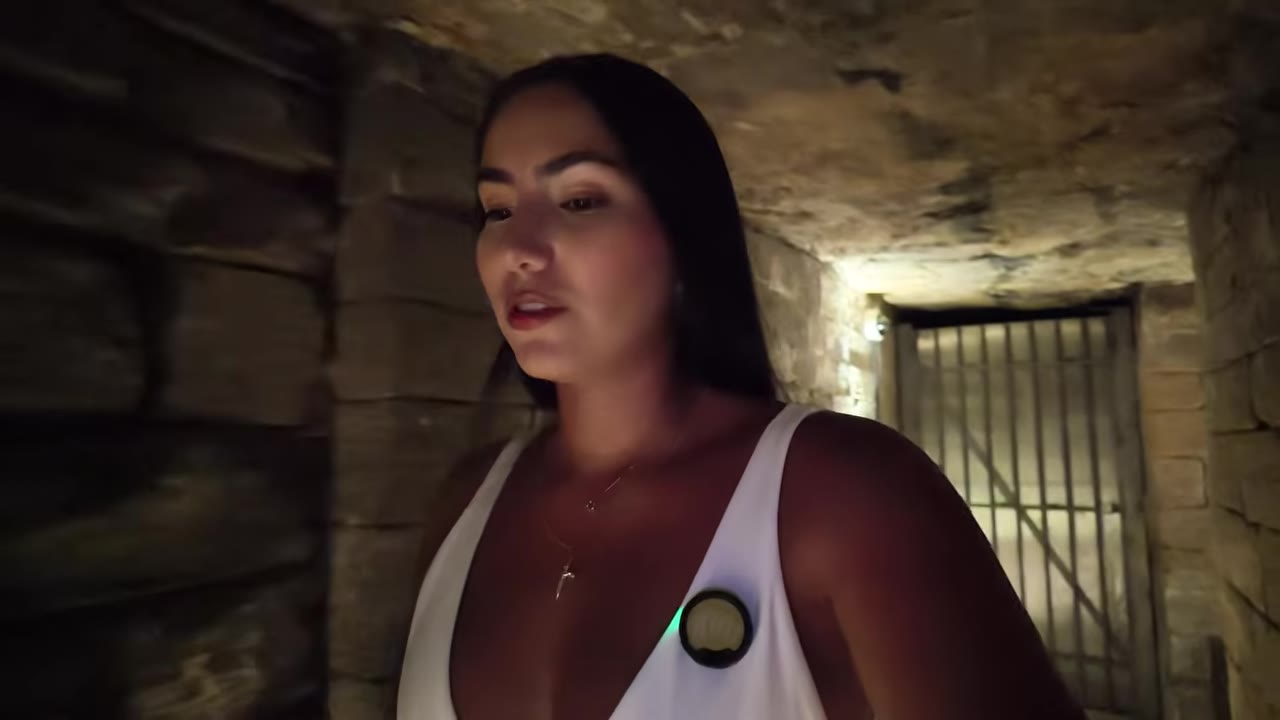
What Michelle Thielen’s journey shows
- The journey begins in Paris before moving away from the familiar monuments and towards the capital’s darker underground history.
- Michelle descends into the former limestone quarry tunnels beneath the city, setting up the contrast between bright Paris streets and the cool passages below.
- She follows the public route through the underground galleries and into the ossuary, where human remains are arranged along the walls.
- The video focuses on the uneasy atmosphere of walking through this memorial space, rather than treating it as a conventional Paris attraction.
- It also introduces the larger story behind the site: old quarries, overcrowded Paris cemeteries, and the creation of an ossuary that has been open to the public since 1809.
Watch Michelle Thielen’s visit before deciding whether this underground experience is right for you.
How to get to the Paris Catacombs
The public entrance is at 1 Avenue du Colonel Henri Rol-Tanguy, Place Denfert-Rochereau, 75014 Paris. The easiest public-transport stop is Denfert-Rochereau, served by Metro lines 4 and 6 as well as RER B. The exit is elsewhere, at 21 bis Avenue René-Coty, so do not leave luggage, a bicycle, or a parked car assuming you will return to exactly the same point.
From central Paris, allow extra time for the walk through the station and for arriving before your timed entry. The entrance is clearly marked, but this is not a place to improvise after arriving with large suitcases: only bags smaller than 40 x 30 cm are permitted, and there is no cloakroom or luggage storage.
If your Paris plans also include major timed monuments, use the same disciplined approach as in our Rome Colosseum guide: reserve the priority attraction first, then build flexible meals and neighbourhood walks around it.
Best time to visit the Paris Catacombs
The Catacombs are open Tuesday to Sunday from 9:45 a.m. to 8:30 p.m., with last admission at 7:30 p.m.; they are closed on Mondays, January 1, May 1, and December 25. The official route is one-way and measures 1.5 kilometres, so plan around one hour underground even if you move at a steady pace.
For the smoothest day, choose an early timed entry and keep the rest of the morning unhurried. The temperature underground remains about 14°C throughout the year, meaning the Catacombs can be a welcome break from summer heat but feel surprisingly cold after a warm day outdoors. Bring a light layer in every season and wear shoes with grip for uneven, sometimes slippery flooring.
Tickets are released online seven days in advance, so set a reminder rather than assuming you can buy admission at the door. The official site strongly recommends advance online booking for paid admissions.
What the Paris Catacombs cost in 2026
Buy from the official Paris Catacombs ticket page whenever possible. Admission includes the audio guide for paid individual tickets, and official booking is the most reliable protection against invalid or inflated resale tickets.
| Ticket type | Verified 2026 price | What to know |
|---|---|---|
| Adult full-rate admission | €31 | Audio guide included. |
| Reduced-rate admission | €25 | For eligible visitors with valid proof, including ages 5–26 and students. |
| Child admission, ages 8–17 | €15 | Audio guide included. |
| Children ages 0–7 | Free | Audio guide is not included. |
| Audio guide for free-ticket visitors | €5 | Purchased at the desk, subject to the visit conditions. |
Where to stay for a Catacombs visit
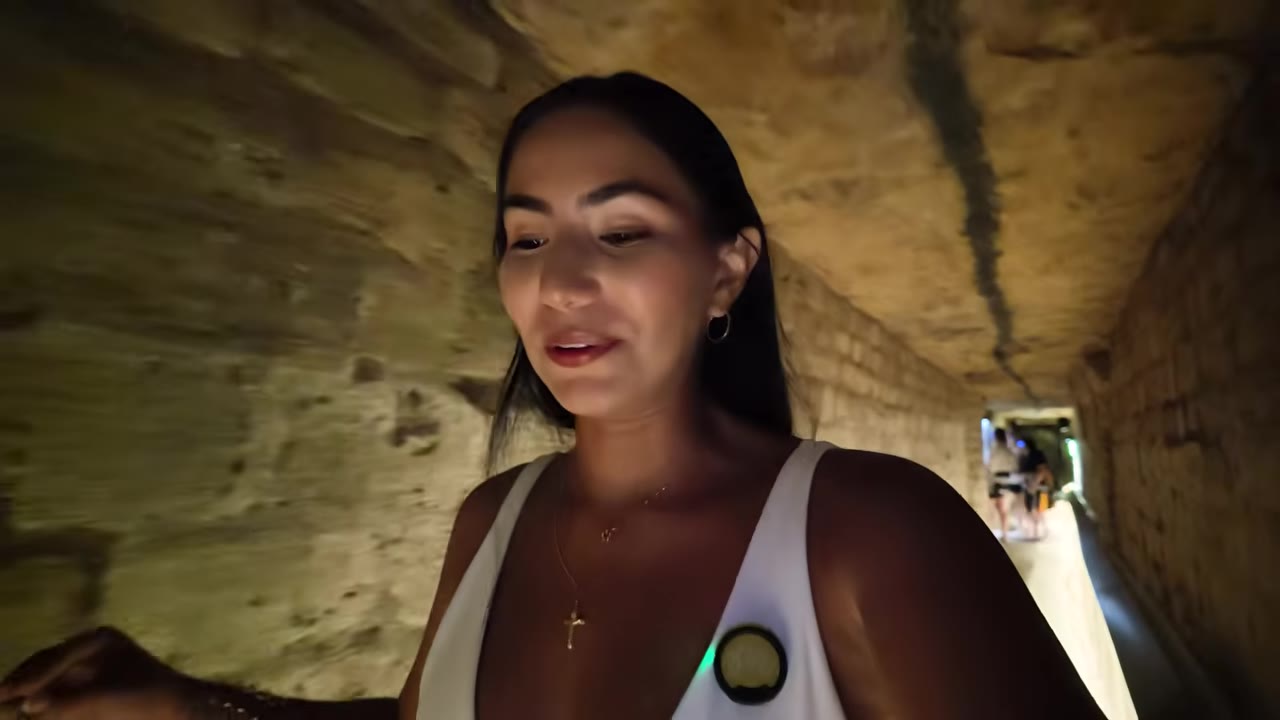
Stay near Denfert-Rochereau, Montparnasse, or the Luxembourg Gardens if the Catacombs are a priority. These areas make an early entry easy without forcing you to cross Paris before breakfast, while still giving you straightforward Metro and RER connections for the rest of the city.
Denfert-Rochereau is practical and residential; Montparnasse offers more restaurants, transport links, and hotel choice; and the Luxembourg area feels more central for first-time visitors who want to combine museums, cafés, and walks. If this is your first European city break, our Venice first-time guide has more useful advice on choosing a base that saves time rather than simply chasing the lowest nightly rate.
Safety, rules and respectful visiting tips
The Paris Catacombs are a memorial site, not an adventure course. The public route lies around 20 metres underground and involves 131 steps down plus 112 steps back up. It is not wheelchair accessible and is not recommended for visitors with claustrophobia, mobility limitations, or cardiac or respiratory conditions. Children under 14 must be accompanied by an adult.
Do not touch the bones, walls, inscriptions, or other features of the site. Eating, drinking, and smoking are prohibited inside, as are camera tripods. Photography for personal use is possible, but keep the mood respectful and avoid delaying other visitors in narrow passages.
Most importantly, visit only the legal, ticketed circuit. The wider underground quarry network is not the same as the museum route and unauthorized exploration can be dangerous and illegal. A good rule for any sensitive historic destination is to prepare carefully and avoid shortcuts, as we also explain in our Egypt scam guide.
Day-by-day (how to travel it yourself)
Day 1: Arrive and orient yourself. Check into a hotel near Denfert-Rochereau, Montparnasse, or central Paris. Confirm your Catacombs time slot, pack only a small bag, and make a simple plan for the following morning. Avoid scheduling a tight train, airport transfer, or major reservation immediately after the visit.
Day 2: Paris Catacombs and the 14th arrondissement. Arrive at Place Denfert-Rochereau before your ticket time, complete the one-way underground circuit, and emerge near Avenue René-Coty. Afterwards, have lunch in Montparnasse, take a slow walk through the nearby streets, and keep the afternoon lighter than usual: the Catacombs are physically modest but emotionally intense for many visitors.
Day 3: See Paris above ground. Balance the previous day with gardens, river walks, or museum time. This contrast is part of what makes the Catacombs memorable: they are not “another attraction,” but a compact encounter with the hidden infrastructure and burial history beneath the city.
Frequently asked questions
Do I need to book Paris Catacombs tickets in advance?
Yes. Paid tickets should be booked online, and the official site says reservations open seven days ahead. Booking a timed slot is the safest way to plan your visit.
How long does a Paris Catacombs visit take?
Plan about one hour for the 1.5-kilometre one-way public circuit, plus time before entry and after exit to get oriented above ground.
Can I bring a suitcase into the Paris Catacombs?
No. Suitcases and large bags are prohibited. Only bags measuring less than 40 x 30 cm are allowed, and there is no cloakroom.
Are the Paris Catacombs suitable for children?
Children under 14 must be with an adult. Consider the stairs, dim lighting, narrow passages, and the memorial nature of the ossuary before deciding whether the experience suits your child.
Facts and prices verified in October 2026. Travel with Influencers is an independent fan/editorial guide, not affiliated with or endorsed by the creators featured. Watch and support the original creator: Michelle Thielen on YouTube.