

Traditional handmade bells in rural Romania are best discovered slowly: through a pre-arranged artisan visit, a stay in a village guesthouse, and time spent understanding the pastoral landscape that gives these objects meaning. This guide uses Haida in Lume’s workshop-focused video as inspiration for a practical cultural trip through Maramureș, northern Romania. You will find the most realistic gateway, the best seasons for village travel, verified visitor costs, respectful booking advice and a simple itinerary you can repeat independently.
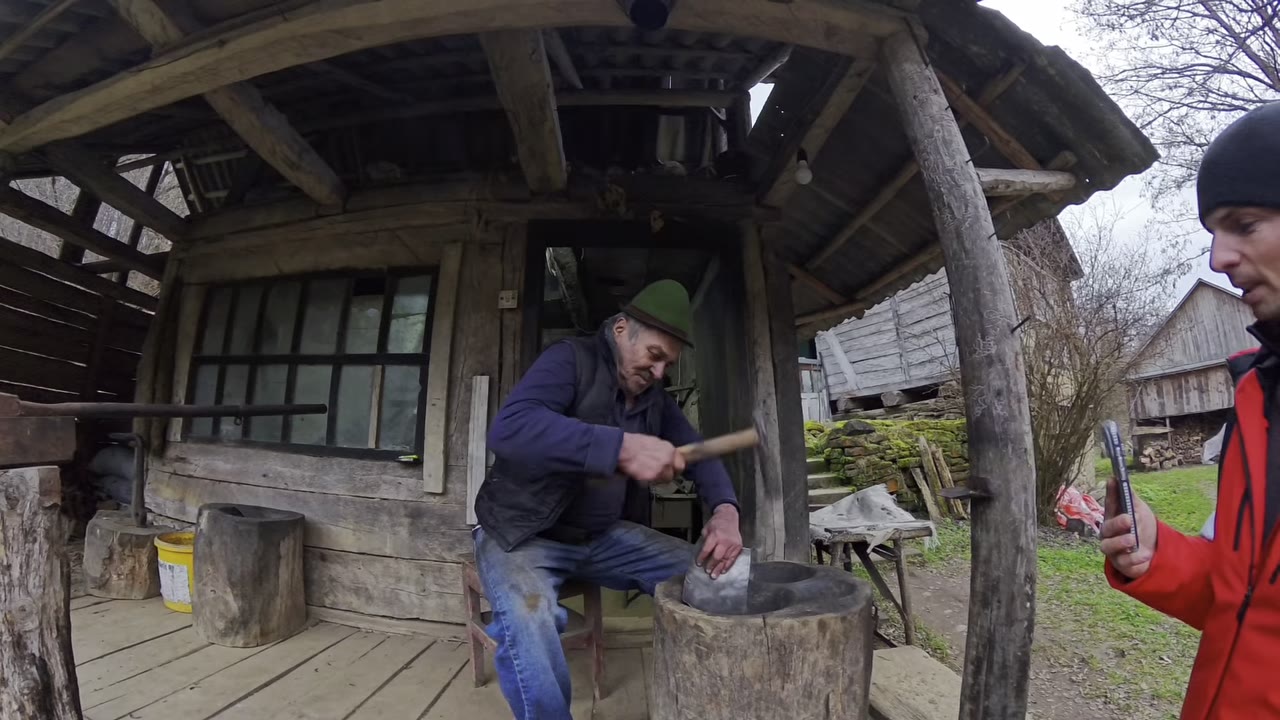
What Haida in Lume’s journey shows
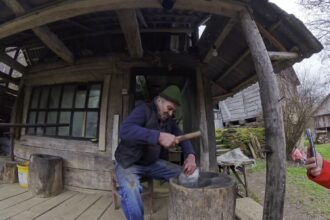
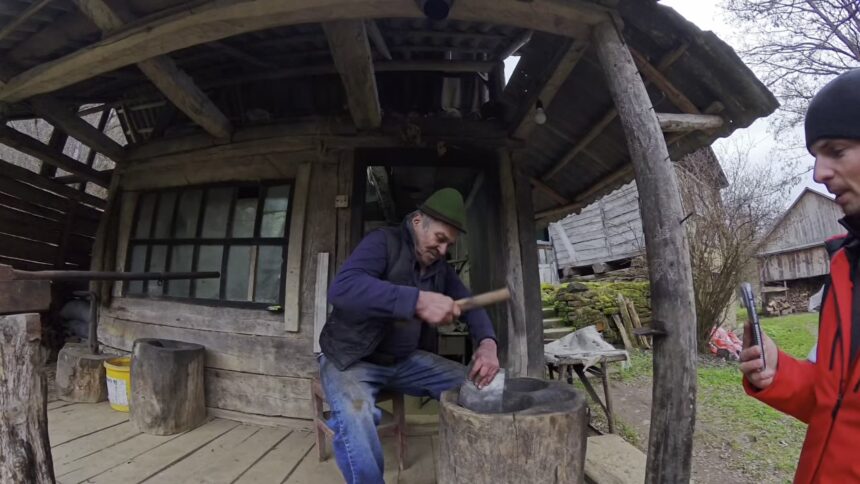
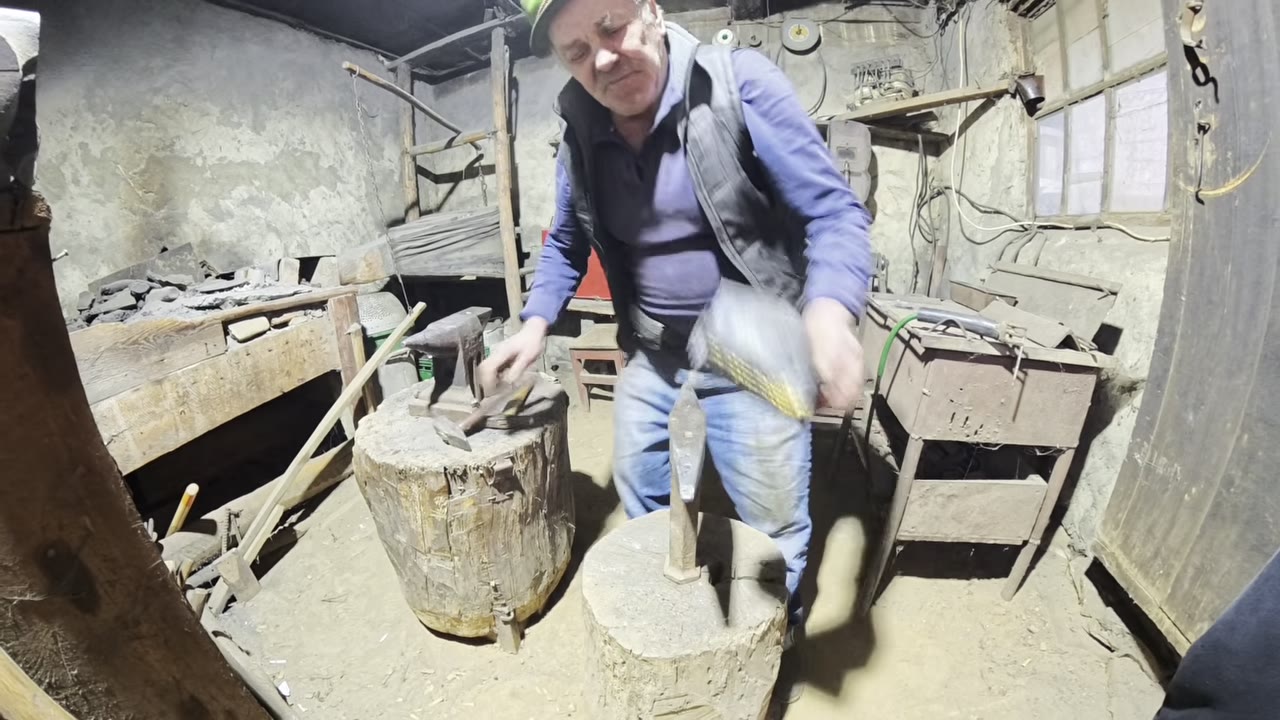
- The journey begins inside a modest rural workshop, establishing that bell-making is a practical working craft rather than a staged attraction.
- It follows the handling and shaping of metal as the maker turns flat material into the recognisable rounded form of a bell.
- Close views draw attention to the handwork involved in joining, finishing and preparing individual pieces.
- The finished bells are presented as objects made to be heard and used, not simply displayed as souvenirs.
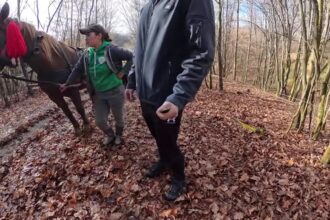
- The final impression is of a craft connected to Romanian village life, livestock and inherited local knowledge.
Watch the original film before you plan your visit, then use this guide to build a respectful trip around rural craft traditions.
How to get to rural Maramureș
For a trip focused on traditional handmade bells in rural Romania, use Baia Mare or Sighetu Marmației as your practical bases. Maramureș lies in north-western Romania, close to the Ukrainian and Hungarian borders, and the county council identifies Baia Mare as the county seat; it also notes road and rail connections across the region and air access through Maramureș International Airport.
Baia Mare is useful for an arrival night, rental car collection and supplies. For village stays and a more immersive craft route, continue towards Breb, Budești, Sârbi, Călinești, Desești and the surrounding valleys. Public transport can work between larger towns, but it is not a reliable way to visit several workshops in one day. A rental car, local driver or pre-booked guide is the sensible choice.
For rail journeys within Romania, check routes and buy tickets through CFR Călători, the national rail operator. Its online system sells domestic journeys and allows bookings up to 30 days ahead, depending on the service.
Do not arrive at a private home expecting a demonstration. The best approach is to ask your accommodation host or a local organiser to contact craftspeople in advance. Eco Maramureș lists working artisans across villages including Breb, Budești, Sârbi, Călinești and Desești, and advises visitors to look for workshop signposts or ask their host for directions.
Best time to experience village craft traditions
Late May through June and September through early October are the easiest periods for this trip. Roads are generally more comfortable than in winter, daylight is long enough for village-to-village travel, and the countryside is active without the peak heat of midsummer. These are also better months for walking between lanes, wooden churches and household workshops.
Winter can be memorable, especially in December when Maramureș hosts Christmas-season traditions, but snow, short days and rural road conditions make advance planning essential. The county council describes December’s “Christmas in Maramureș” programme as taking place throughout the month, with activities extending into remote traditional communities.
Whenever you go, remember that craft visits follow real working lives. Agricultural work, family occasions, religious holidays and weather can change availability at short notice. Treat a workshop appointment as a personal invitation, not an attraction with fixed opening hours.
What it costs in 2026
There is no standard public tariff for visiting a bell-maker: each artisan visit, private demonstration, purchase or workshop must be agreed directly in advance. Build your budget around accommodation, transport and heritage stops, then ask clearly whether a craft host expects a fee, a purchase, or both. The verified prices below are useful fixed costs for a Maramureș cultural itinerary.
| Item | 2026 price | Notes |
|---|---|---|
| Maramureș Village Museum adult ticket | 20 lei | Mihai Dăncuș Maramureș Village Museum |
| Maramureș Village Museum student ticket | 5 lei | Applies to pupils and students |
| Maramureș Village Museum pensioner ticket | 10 lei | Individual admission |
| Other museums managed by Muzeul Maramureșului, adult ticket | 10 lei | Check opening hours for each site |
The Maramureș Village Museum in Sighetu Marmației is a worthwhile first stop because it gives context for the houses, farm buildings and village settings that make practical objects such as bells meaningful. Its published winter opening period runs from October 1 to April 14, with a later closing time from April 15 to September 30; always reconfirm before travelling.
Where to stay for a craft-focused trip
Choose a family-run guesthouse in Breb, Budești, Desești or Călinești if your priority is village atmosphere and easy access to local contacts. Stay in Baia Mare if you need an airport, broader restaurant choice or a straightforward first and final night. Sighetu Marmației works well if you want the village museum and other town museums alongside rural exploration.
Maramureș offers accommodation ranging from hotels to family-run guesthouses, according to the county council, and the smaller village stays are often best placed to arrange meals, drivers and introductions.
For a wider introduction to the area, see our Maramureș guide to village traditions and our practical guide to rural Romania’s shepherd traditions and mountain life.
Responsible visits, safety and local etiquette
A handmade bell may look like a simple object, but the work behind it is specialised and often physically demanding. Ask permission before filming people, tools, animals, interiors or finished stock. Do not touch hot metal, machinery or bells waiting to be completed unless invited. If a host says they are busy, thank them and leave the visit for another time.
Buy directly from the maker when possible, ask what the bell is intended for, and do not bargain aggressively over handmade work. A low-cost imported decorative bell is not equivalent to a locally made working object. If you want a structured experience, Eco Maramureș says it can arrange one-day craft tours and practical workshops with local makers.
For driving, keep fuel topped up, download offline maps and avoid relying on a precise arrival time on narrow rural roads. Carry cash in lei for small purchases, dress modestly for village churches, and greet people before taking photographs. This is heritage tourism at its best when it supports everyday life rather than interrupting it.
Day-by-day (how to travel it yourself)
Day 1: Arrive in Baia Mare. Collect a car or arrange a driver, sleep in town, and contact your guesthouse or local organiser to confirm one or two artisan visits for the following days.
Day 2: Sighetu Marmației and a village base. Visit the Maramureș Village Museum in the morning, then travel to Breb, Budești, Desești or Călinești. Check into a family-run guesthouse and ask your host which workshops are genuinely available the next day.
Day 3: Craft and pastoral landscapes. Keep the schedule light: one confirmed artisan visit, a village walk and a wooden-church stop are enough. Listen more than you photograph, buy directly if you find work you value, and leave space for a long lunch or changing plans.
Day 4: Return via Baia Mare. Drive back through the valleys, allowing time for local food or an additional pre-arranged workshop. Continue by rail, road or flight from Baia Mare. If you enjoy regional food traditions alongside craft travel, add our guide to Romania’s rural cheese traditions in Maramureș to your planning.
Frequently asked questions
Can I visit the exact bell-maker shown in Haida in Lume’s video?
The video does not provide a public visitor booking system in its description excerpt, so do not assume the workshop accepts drop-in guests. Use the film as inspiration and arrange a separate artisan visit through a local host, guide or tourism organiser.
Are traditional handmade bells in rural Romania only for tourists?
No. Bells have practical associations with livestock and pastoral life, while handmade examples can also be valued as household, ceremonial or decorative objects. Ask the maker about the intended use of the individual bell you are considering.
Do I need a car in Maramureș?
A car or local driver is strongly recommended for a craft-focused route because workshops are spread across villages and schedules are personal rather than fixed. Public transport is better suited to reaching larger towns than linking several rural stops in one day.
What is the most respectful souvenir to buy?
Buy a bell or other handmade object directly from its maker after asking about its purpose, care and transport. Choose only what you can carry legally and safely, and avoid treating a working craft object as a cheap novelty.
Facts and prices verified in November 2026. Travel with Influencers is an independent fan/editorial guide, not affiliated with or endorsed by the creators featured. Watch and support the original creator: Haida in Lume on YouTube.