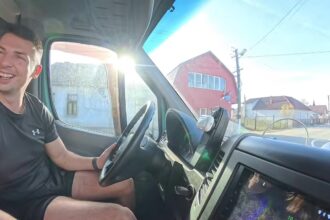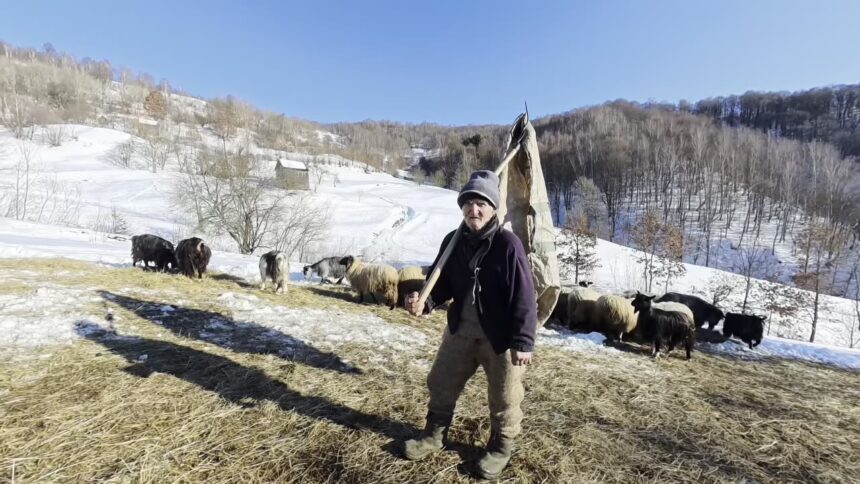
A rural Romania village traditions travel guide is best approached slowly: choose one region, stay with local hosts, and treat everyday life as an invitation rather than a performance. This guide shows how to build a respectful, practical trip around village hospitality, food, crafts and landscapes, without rushing from one “authentic” stop to another. You will find a sensible route via Sibiu, current verified cultural-entry costs, advice on guesthouses, and a day-by-day plan inspired by the human-scale visit in Haida in Lume’s video.
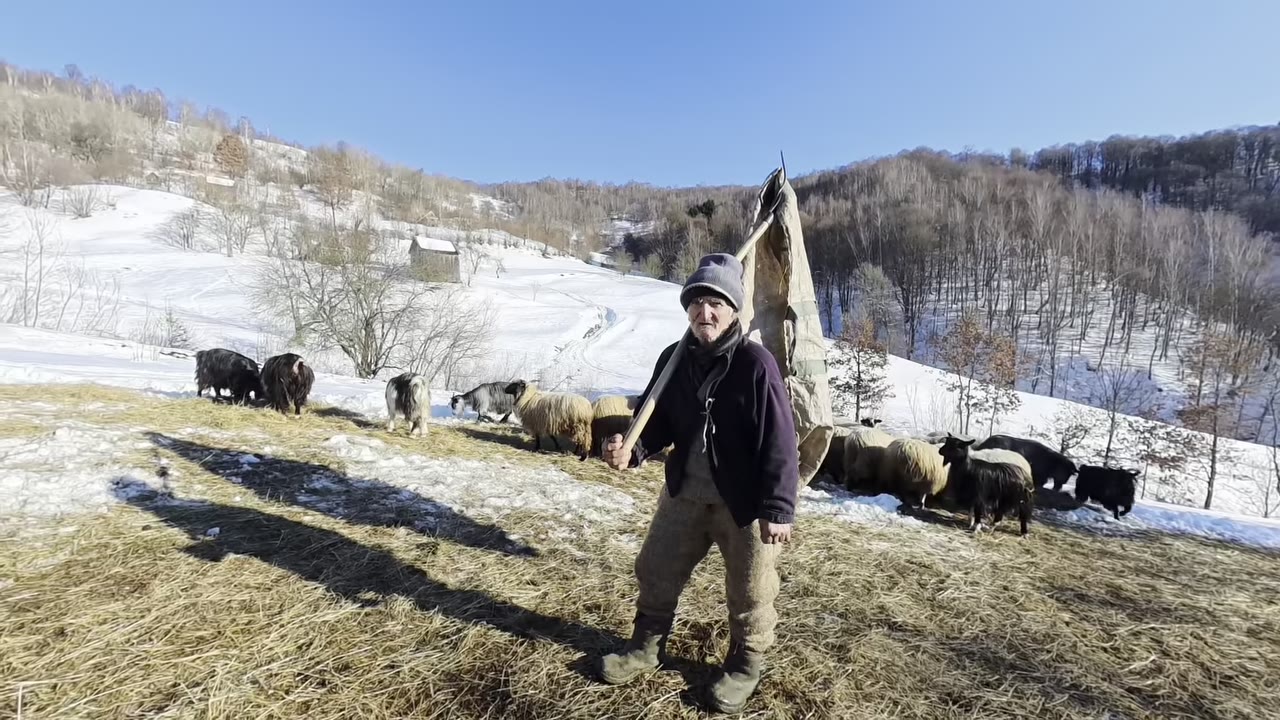
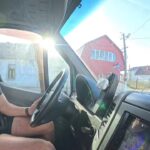
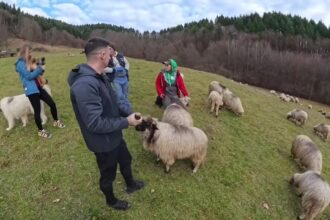
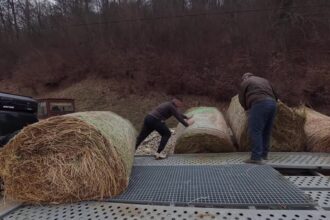
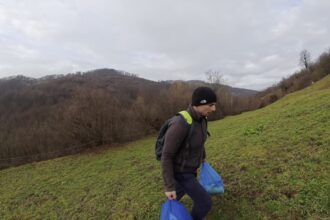
What Haida in Lume’s journey shows
- A return visit to nea Leon after time away, making the relationship with a local host the centre of the journey.
- A slower rural setting where conversation and presence matter more than ticking off landmarks.
- The value of returning to the same place instead of treating village life as a brief photo stop.
- A reminder that Romanian tradition is lived through people, homes, routines and hospitality—not only through costumes or festivals.
- An intimate perspective that travellers can learn from, while remembering that a private visit is not automatically an open invitation for every visitor.
Watch the original video below, then use this guide to plan a considerate trip of your own.
How to get to rural Romania villages
For a first rural Romania village traditions trip, use Sibiu as a gateway. It has rail connections with major Romanian cities, an airport, and straightforward onward road access towards Mărginimea Sibiului, the Făgăraș foothills and villages around Transylvania. The ASTRA open-air museum is about 6 kilometres from central Sibiu and can be reached on local bus line 13, by car, bicycle or taxi.
Public transport can work for larger towns, but it is rarely enough for a flexible village itinerary. Rent a car if you are comfortable driving, especially for farm stays, workshops and settlements with limited daily buses. Download offline maps, keep your fuel level healthy outside towns, and do not plan a tight sequence of rural appointments around one bus connection.
If you prefer to begin in northern Romania, see our Bistrița, Romania guide for another useful base among rural roads and landscapes. For rail schedules and tickets, check CFR Călători close to departure; reservations are generally available up to three months ahead.
Best time for village traditions and rural life
Late May through June and September through early October are the most comfortable periods for a first visit. Fields, gardens and mountain roads are active, daylight is generous, and villages are less pressured than during peak summer holidays. Autumn is particularly good for food-focused stays, harvest atmosphere and walks, though weather changes quickly in the hills.
Summer can be rewarding when communities hold fairs or religious celebrations, but never arrive assuming that a family event, church service or village gathering is a tourist attraction. Ask a host whether visitors are welcome, what to wear, and whether photography is appropriate. Winter offers a different rhythm, with Christmas and New Year customs in some regions, but driving conditions and accommodation availability require more careful planning.
What rural Romania costs in 2026
Accommodation, meals and private village experiences vary sharply by location and season, so ask hosts for a written total before you commit. The fixed cultural costs below are useful anchors for building an itinerary around Sibiu or Bucharest. Prices are in Romanian lei and should be checked again before purchase, particularly for event days.
| 2026 item | Verified price | Notes |
|---|---|---|
| ASTRA Museum, Sibiu: adult admission | 50 lei | Open-air traditional-civilisation museum |
| ASTRA Museum, Sibiu: pupil/student admission | 10 lei | Bring eligible identification |
| ASTRA Museum: foreign-language guided tour | 250 lei per hour | On request; admission is separate |
| Dimitrie Gusti National Village Museum, Bucharest: adult admission | 40 lei | One entry |
| Dimitrie Gusti National Village Museum: pupil/student admission | 10 lei | Valid student documentation required |
ASTRA’s official price list confirms the Sibiu admission and guide fees, while Bucharest’s National Village Museum publishes its own current ticket categories.
Where to stay for an authentic but respectful visit
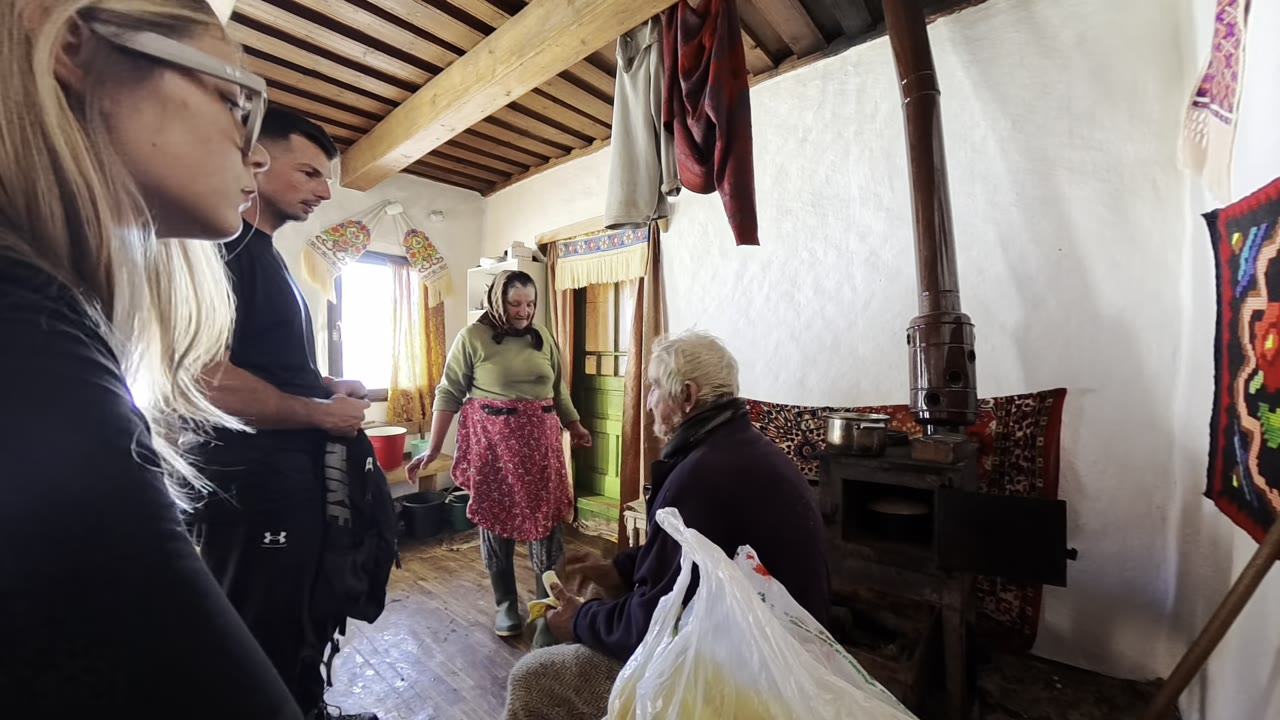
Choose a licensed rural guesthouse, family-run pension or farm stay for at least two nights. A longer stay gives hosts time to suggest walks, producers, craftspeople and meals that fit their actual routine. Look for clear information about meals, heating, bathroom arrangements, road access and whether English is spoken; do not assume every countryside home functions like a hotel.
Sibiu is a practical first-night base, while villages around Mărginimea Sibiului suit travellers who want access to shepherding landscapes and traditional architecture. For a deeper craft-led extension, read our guide to Romanian handmade bells, then arrange any visit through a host or maker rather than arriving unannounced.
Activities to arrange respectfully
Plan one meaningful activity each day rather than trying to consume village life in a hurry. Good options include a host-cooked dinner, a walk with a local guide, a craft demonstration, a market visit or a museum visit that gives context before you enter a living community. The ASTRA Museum is especially useful for understanding the variety of Romanian rural building traditions: its open-air site covers 96 hectares and includes 10 kilometres of paths.
Confirm times directly, pay agreed prices fairly, and accept “not today” gracefully. If a host offers food, it is polite to accept at least a small amount when you can; communicate allergies or dietary needs well in advance. Buy directly from makers when possible, but do not bargain aggressively over handmade work.
Safety and village etiquette
Rural Romania is generally best enjoyed with ordinary common sense: lock your vehicle, carry cash as well as a card, wear sturdy shoes, and expect uneven lanes, dogs, mud and limited street lighting. Keep emergency contacts saved; Romania uses the European emergency number 112.
Always ask before photographing people, homes, animals, religious interiors or work in progress. Dress modestly for church, lower your voice near homes and cemeteries, and do not enter a yard simply because its gate is open. A few Romanian words go a long way: bună ziua means “good day,” mulțumesc means “thank you,” and la revedere means “goodbye.”
Day-by-day (how to travel it yourself)
Day 1: Arrive in Sibiu. Settle in, walk the historic centre, buy supplies and use the evening to confirm your guesthouse arrival time. Do not collect a rental car late and immediately attempt a long rural drive.
Day 2: Learn the context at ASTRA Museum. Spend most of the day walking its traditional homes, workshops and landscapes. It is a valuable introduction to regional differences before you meet people in living villages. The museum operates year-round, with seasonal hours, so check the official schedule before travelling.
Day 3: Transfer to a village guesthouse. Drive slowly, stop only where parking is safe, and arrive before dark. Take a short orientation walk with your host, then share a pre-arranged dinner if offered. Keep the evening open for conversation rather than adding another attraction.
Day 4: One local experience, one unplanned afternoon. Join a booked workshop, food experience or guided walk, then leave time to rest, read, help only if invited, or visit a small local shop. This is the day to practise the patient rhythm suggested by the video.
Day 5: Return via Sibiu or continue north. If continuing your rural journey, connect it with our Rural Romania traditions guide for ideas around regional food and pastoral culture. Otherwise, return the car with time to spare and travel onward from Sibiu.
Frequently asked questions
Do I need a car for a rural Romania village traditions trip?
Not for every destination, but a car makes village guesthouses, makers and countryside walks far easier to reach. Use public transport for major cities and rent a car only for the rural portion if that suits your plans.
Can I visit a Romanian village without booking a tour?
Yes, but book accommodation and any hosted activity in advance. Villages are homes and working communities, not open-air attractions, so avoid turning up at private houses or farms without an invitation.
Is ASTRA Museum a substitute for visiting a real village?
No. It is an excellent place to understand architecture, crafts and regional traditions, but it should complement—not replace—time spent respectfully with hosts in a living community.
What should I bring for a rural stay?
Bring layers, weatherproof footwear, a refillable water bottle, offline maps, some cash, a power bank and modest clothing for churches or family homes. Tell hosts about dietary needs before arrival.
Facts and prices verified in October 2026. Travel with Influencers is an independent fan/editorial guide, not affiliated with or endorsed by the creators featured. Watch and support the original creator: Haida in Lume on YouTube.